


Antique Lacquered Accent Chair
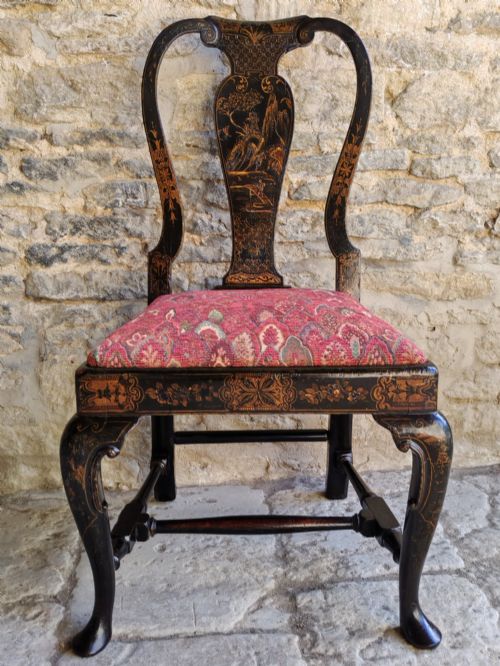
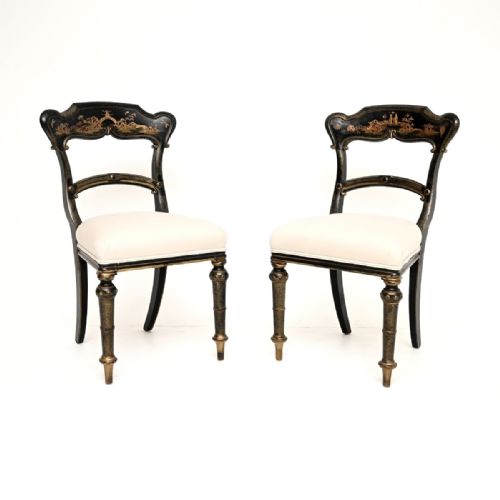
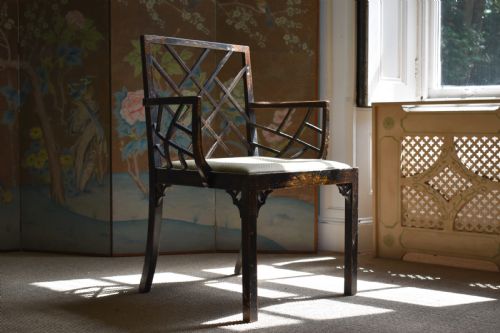
An antique lacquered accent chair brings hand-painted Chinoiserie scenes, rich dark surfaces and striking silhouette to a corner.
Antique Lacquered Accent Chair
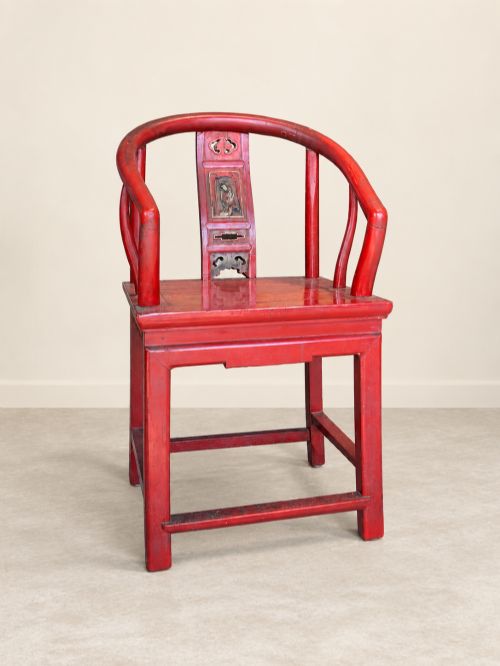
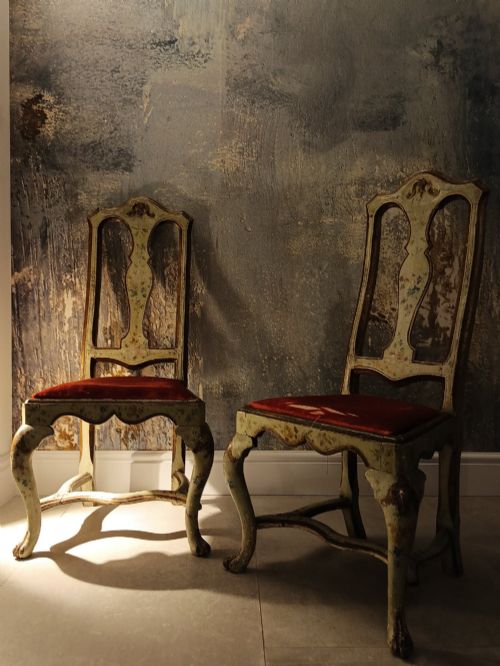
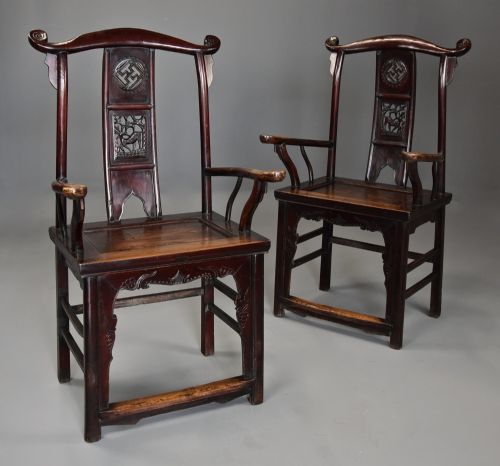
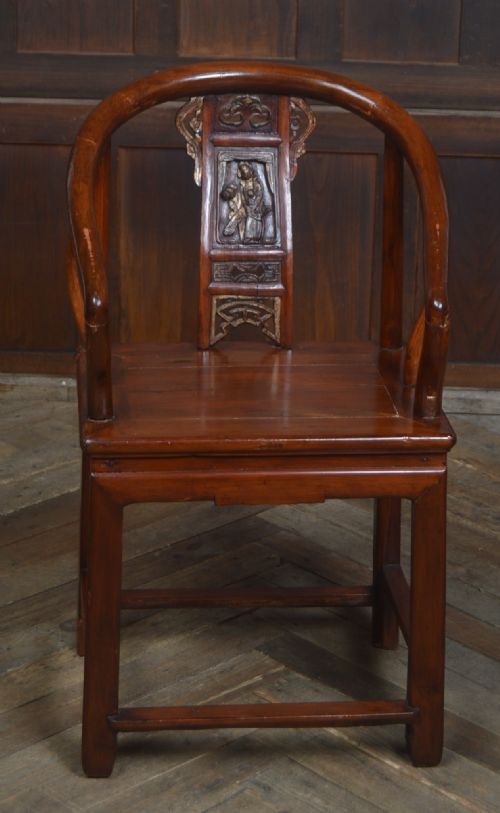
The objects take multiple forms such as side chairs, armchairs, library chairs, and bedroom chairs. European pieces often display Chinoiserie or Italian Rococo influences, while Chinese examples include yokeback armchairs and elm concubine chairs.
Distinguishing quality across periods
Quality rests upon the preservation of the original lacquer and the crispness of the gilt decoration or painted scenes. Pieces retaining their early surface patination hold greater visual depth than heavily restored examples.
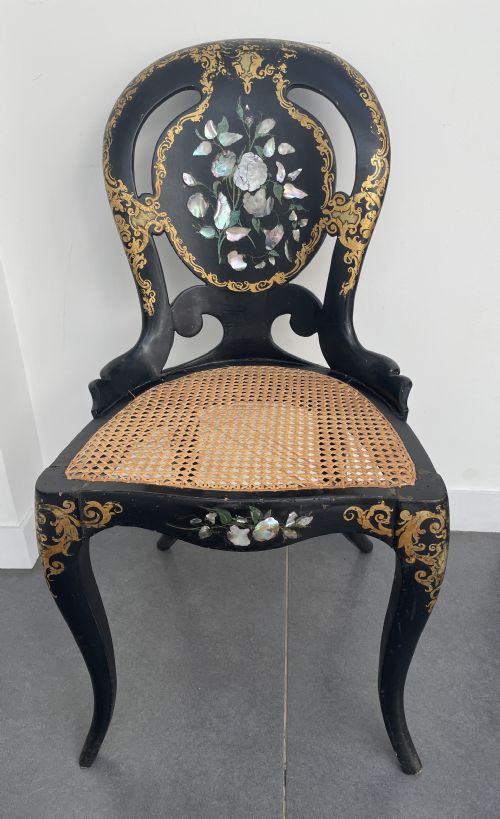
Structural integrity of the timber frame, whether elm, satinwood or papier-mâché, dictates daily usability. Refined carving on armrests, splats and crest rails separates standard utility pieces from exceptional decorative works.
Current listings feature materials including lacquer, cane, gilt, fabric, elm, and ebonised wood across Victorian, 18th century, and Edwardian periods.
The Antique Lacquered Accent Chair Glossary
- Chinoiserie
- European decorative style reflecting Chinese artistic influences, commonly seen in painted landscapes and figures on lacquered furniture.
- Japanned
- European imitation of traditional East Asian lacquerwork, created using layers of varnish and metallic dust.
- Yokeback
- Traditional Chinese chair design featuring a curved top rail resembling the yoke of an ox.
- Canework
- Woven cane seating material utilised across various period chair frames for lightness and texture.
- Papier-mâché
- Pressed paper pulp mixed with glue and resin, moulded and lacquered to form durable Victorian chair components.
Antique Lacquered Accent Chair: Frequently Asked Questions
How do I clean a lacquered chair?
Dust the surface regularly with a soft, dry microfibre cloth to prevent particulate accumulation. Avoid chemical sprays, water, and abrasive cleaners that can damage the delicate lacquer finish.
For stubborn grime, consult a professional conservator rather than attempting home remedies. Maintaining stable humidity levels protects the wood substrate and prevents the lacquer from cracking.
Are these chairs comfortable for daily sitting?
Many period accent chairs were designed for formal rooms rather than prolonged lounging. Wooden seats, upright backs, and historic frames require careful consideration if intended for regular daily use.
Adding a custom, period-appropriate loose cushion can improve comfort without altering the underlying antique structure. Upholstered variants offer softer seating while retaining historical character.
How do I date a lacquered chair?
Examine the underlying wood species, joinery techniques, and the wear patterns within the lacquer layers. Eighteenth-century pieces often display hand-cut joinery and aged patination distinct from Victorian or Edwardian manufacturing methods.
Compare stylistic cues such as Chinoiserie motifs or structural forms against known period examples. Secondary woods and hardware fastenings provide additional clues regarding age and origin.
Where should I place an accent chair?
Position the chair in a low-traffic corner or hallway where its decorative painted surface is visible. Keep the piece away from direct sunlight and heat sources to protect the lacquer and gilt details from fading.
Pair the seating with complementary lighting or a simple side table to highlight its form. Allowing adequate surrounding space emphasises the distinct silhouette of the chair.