




Antique Koro
These antique koro are traditional incense burners crafted in bronze, porcelain and enamel for ritual or decorative use.
Antique Koro
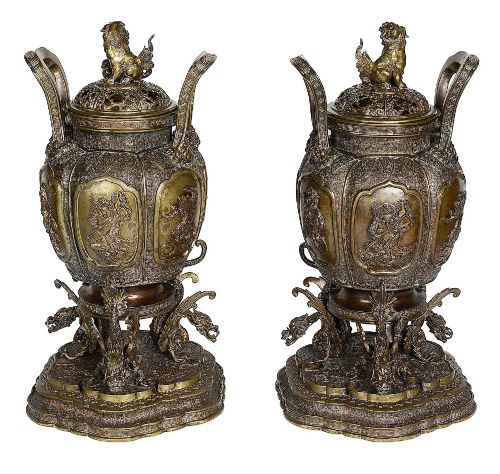
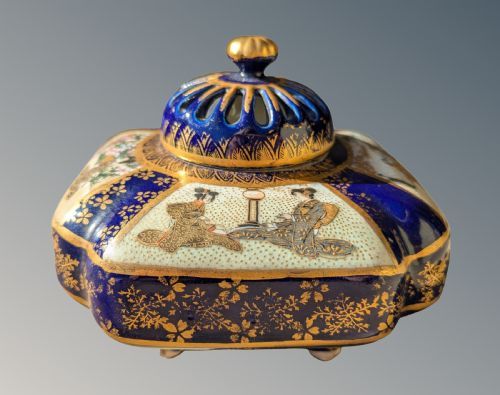
When you search for an antique koro, you encounter traditional lidded vessels designed to burn incense. These pieces appear primarily as Japanese incense burners from the Meiji period, alongside examples from the Taisho period and Edwardian era. You will find forms ranging from tripod vessels and footed bowl burners to hanging boat shapes and porcelain garnitures.
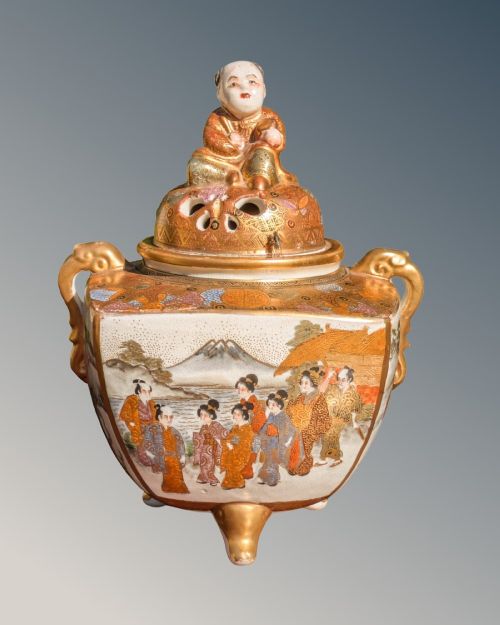
The majority of these pieces originate from Japanese workshops, spanning Satsuma earthenware, Kutani porcelain, Hirado porcelain, and bronze or cloisonne enamel compositions. Alongside these, Chinese Qing style lidded vessels also appear within the selection. Each item combines a lidded container with decorative handles, finials or sculptural feet.
How they were made
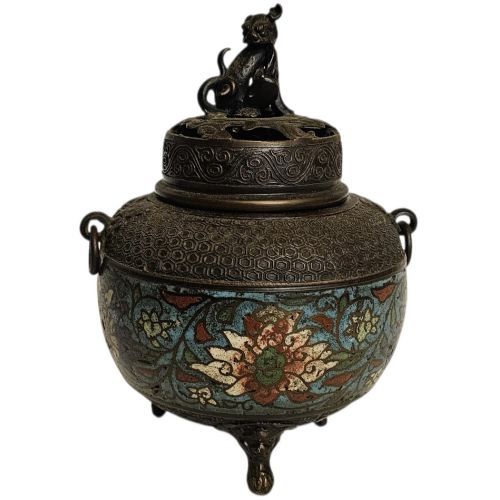
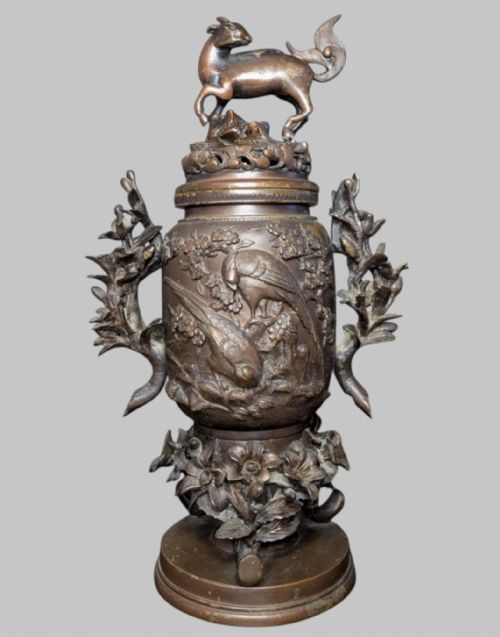
Maker workshops utilised cast bronze and copper, frequently embellished with cloisonne enamel, gilding and silver details. Bronze vessels often incorporate sculpted animal finials, such as lions or goats, and detailed surface patination.
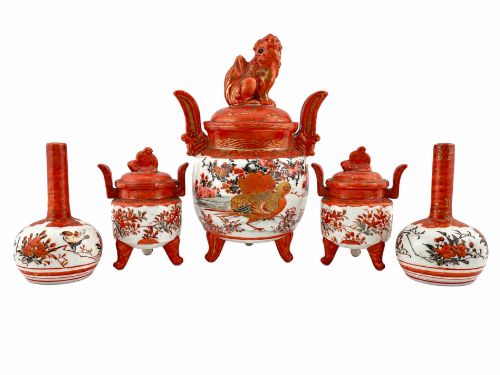
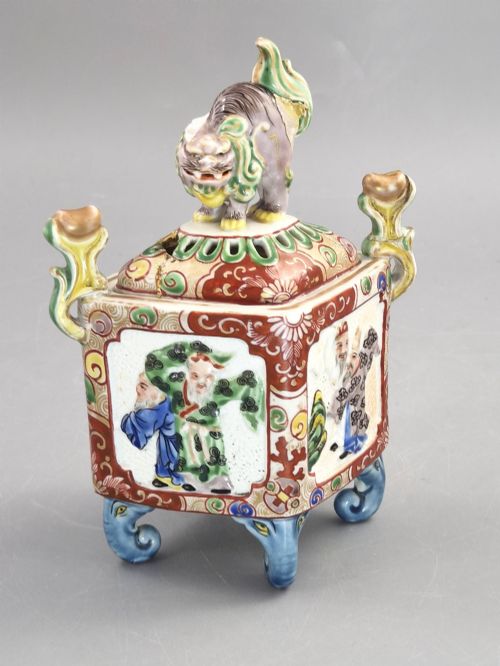
Ceramic examples rely on earthenware and porcelain bodies, decorated with hand-painted glazes, gold leaf and intricate enamel work. Satsuma and Kutani wares demonstrate fine polychrome painting techniques, while Hirado pieces feature sculpted dragons and reticulated panels.
Antique Koro Retail Price Guide 2026
Typical asking prices for koro among the pieces listed under this phrase on Sellingantiques today, from the lower quarter to the upper quarter. They describe what is for sale here now, not the wider market.
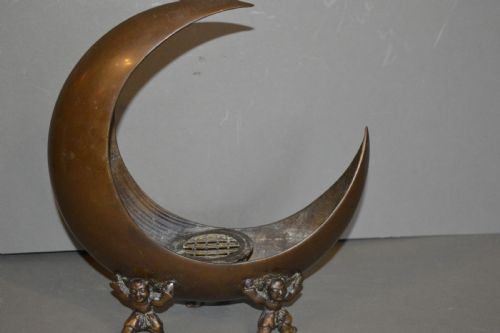
Several bronze incense burners feature sculpted goats and crescent moon shapes alongside traditional guardian lions.
What varies in quality
The standard of a piece rests upon the crispness of the casting in bronze examples and the precision of the enamel or brushwork on ceramic items. Superior examples display sharply defined figural finials, balanced proportions, and controlled application of gold leaf and enamel pigments.
Makers known for specific signatures, such as Kinkozan, Kizan or Tsukamoto Hikokichi, often distinguish finer studio pieces from standard decorative wares. The complexity of reticulated carving, the integrity of the lid fit, and the preservation of original gilding further separate standard production from exceptional examples.
Tsukamoto Hikokichi·Kinkozan·Kizan·Kotobuki-do·Shizan
The Antique Koro Glossary
- Koro
- An incense burner, typically featuring a body, a pierced cover for releasing smoke, and small feet. These vessels form the central focus of this buyer guide.
- Satsuma
- A type of Japanese earthenware featuring an ivory-coloured, crackled glaze decorated with polychrome enamels and gold leaf. It is frequently seen on Meiji period incense burners.
- Cloisonne
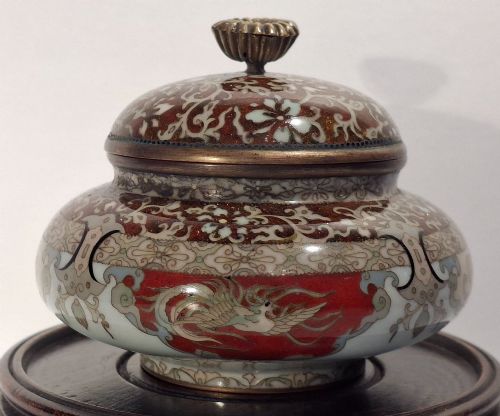
- A decorative metalwork technique where thin wire partitions create compartments filled with enamel paste and subsequently fired. This method produces intricate colourful surface patterns on bronze and copper bodies.
- Kutani
- A style of Japanese coloured porcelain known for bold palettes, intricate detailing and frequent incorporation of figurative subjects. Pieces often include birds and lions.
- Shi-Shi
- A mythical guardian lion, also known as a foo dog, commonly modelled as a sculptural finial on the lids of incense burners. These figures derive from traditional East Asian symbolism.
- Garniture
- A set of matching ornamental vases and vessels designed to be displayed together on a mantelpiece or cabinet. They incorporate incense burners alongside lidded jars.
Antique Koro: Frequently Asked Questions
What is an antique koro used for?
These vessels were originally designed to burn incense during traditional ceremonies, quiet contemplation or scholarly gatherings.
Over time, many functioned purely as decorative interior objects, displayed on cabinets or tables for their artistic craftsmanship.
How do I identify a Meiji period koro?
Meiji period pieces typically display detailed craftsmanship in bronze, Satsuma earthenware or Kutani porcelain dating from the late nineteenth to early twentieth century.
Look for characteristic motifs such as shi-shi lions, dragons, Shimazu crests, and occasionally artist signatures or studio marks on the base.
How should I display an antique koro at home?
Place the vessel on a stable surface where its form, patination and fine details can be appreciated from multiple angles. Ensure it sits away from high-traffic areas to protect delicate elements like pierced lids or sculpted finials.