






Antique Knife Case
An antique knife case organises fine dining implements, combining timber construction with fitted storage to protect domestic silver and steel.
Antique Knife Case
An antique knife case represents a specialised form of storage, designed to keep dining implements secure and orderly. Pieces span from the Georgian period through to the Edwardian era, reflecting changing dining habits and interior storage requirements.
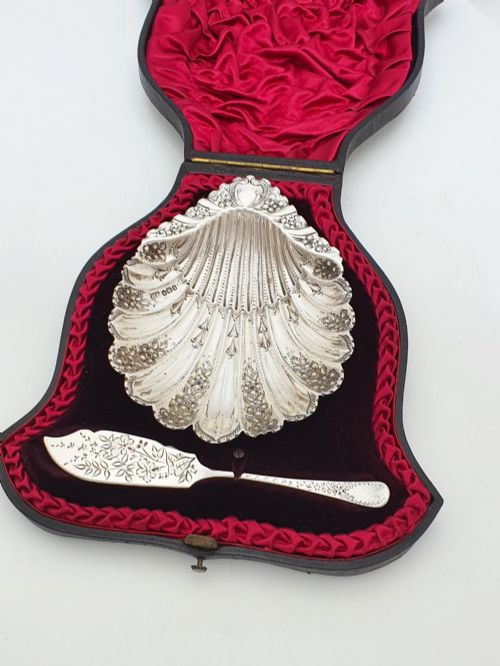
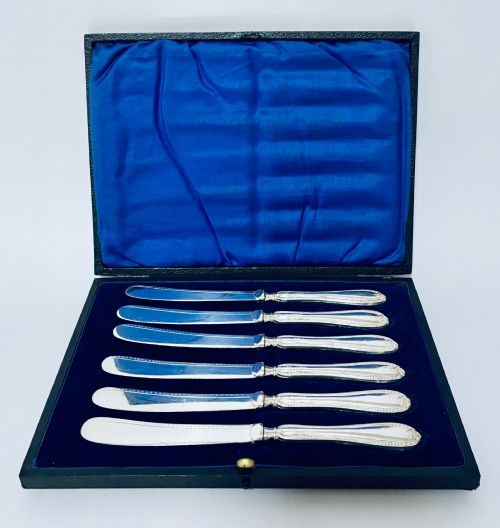
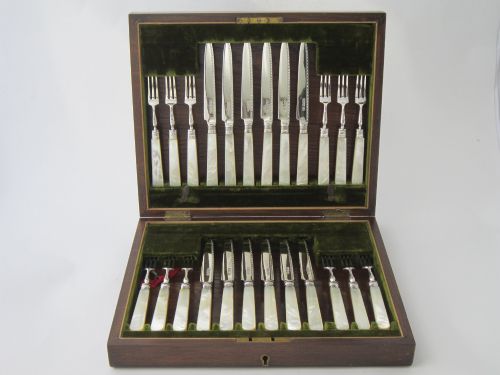
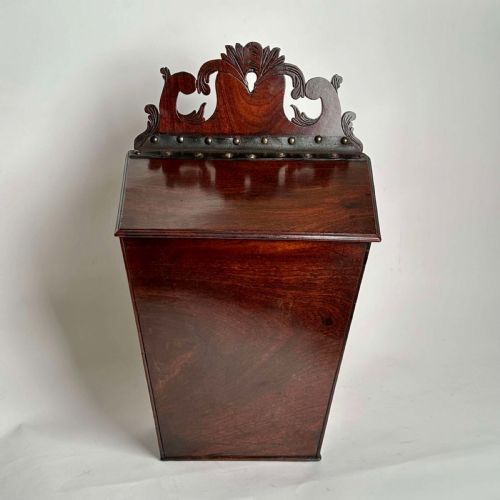
The form most frequently encountered in these holdings is the Georgian mahogany knife box, often featuring shaped fronts and fitted interiors. These functional containers survive alongside cased cutlery sets and boxed servers from later Victorian and Edwardian periods.
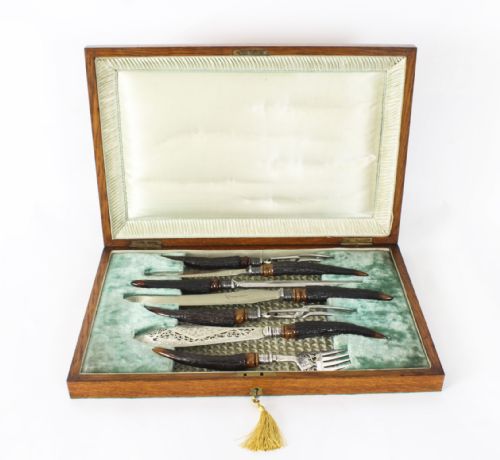
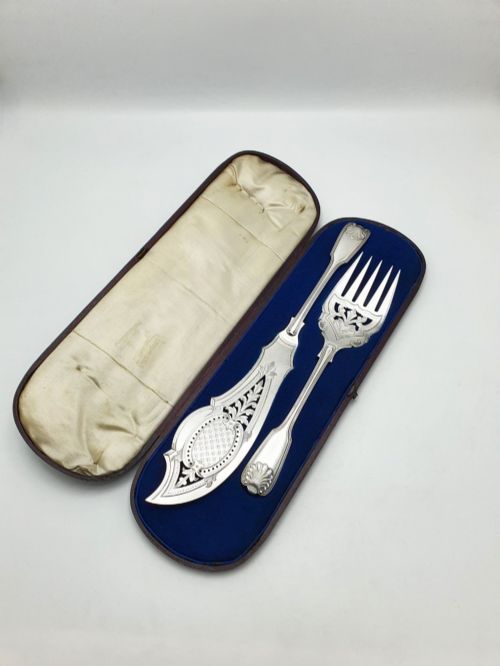
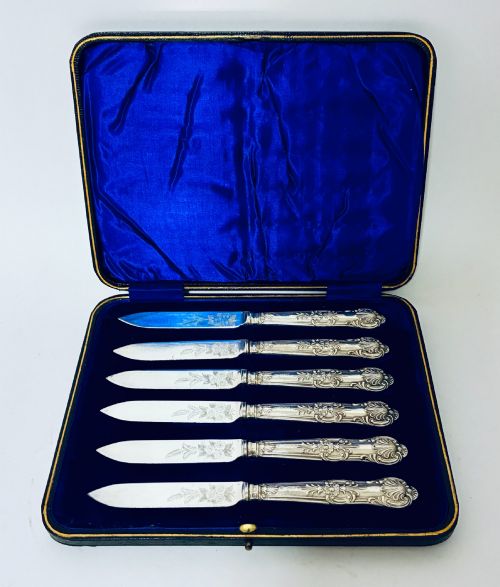
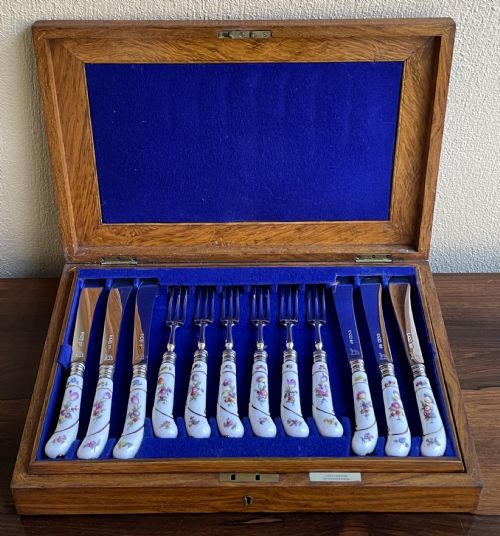
Makers designed these enclosures to sit on sideboards or dining tables, pairing utility with the display of figured timbers. Buyers encounter both standalone storage boxes and fitted cases housing complete sets of cutlery.
Materials and construction
Craftsmen utilised dense hardwoods, predominantly mahogany, shaping the timber to follow serpentine or slope-front profiles. Interior compartments required precise joinery to cradle individual blades, forks, and spoons safely.
Fitted interiors frequently incorporated linings of velvet and silk to cushion silver, sterling silver, and steel components. Metal elements inside the cases, such as hinges and escutcheons, relied on brass work to secure the lid and closure.
Antique Knife Case Retail Price Guide 2026
Typical asking prices for knife case among the pieces listed under this phrase on Sellingantiques today, from the lower quarter to the upper quarter. They describe what is for sale here now, not the wider market.
Certain Victorian carver sets feature handles carved from genuine antler horn, bringing a rustic touch to formal dining rooms.
Assessing quality and craftsmanship
Quality rests in the selection of figured mahogany and the precision of the exterior joints. Superior examples display carefully matched grain patterns across the sloping lid and curved front panels.
The integrity of the internal fittings defines the tier of a piece. Original velvet or silk linings and intact dividers elevate a box above those altered or relined in later decades.
The Goldsmiths & Silversmiths·Waring & Gillows·Carrington
The Antique Knife Case Glossary
- Mahogany
- A durable tropical timber known for its rich reddish-brown colour and stability, widely utilised in Georgian box construction.
- Escutcheon
- A small brass plate surrounding the keyhole on the front of a case, serving both a decorative and protective function.
- Campaign set
- Portable dining implements and storage designed for travel during the eighteenth and nineteenth centuries.
- Cased set
- A collection of cutlery housed in a fitted box specifically designed to hold each individual piece securely in place.
- Velvet
- A woven tufted fabric utilised to line the interior compartments of storage boxes and protect silver blades.
Antique Knife Case: Frequently Asked Questions
What periods do these pieces span?
The selection covers items ranging from the Georgian era through Victorian times to the Edwardian period and the early twentieth century.
Craftsmanship and materials shift across these eras, moving from solid mahogany storage boxes to plated cased cutlery sets.
How were these boxes originally used?
Owners placed them on dining sideboards to store table knives, forks, and serving implements when not in use.
The fitted interiors kept sharp steel and silver blades separated to prevent scratching during daily household service.
Are the cutlery sets complete inside the cases?
Some retain their original matching complements of knives and forks, while others house assembled collections gathered together over time.
Buyers examine the internal fittings to determine whether the implements match the period of the exterior box.
What timbers appear most often?
Mahogany dominates the construction of the wooden storage boxes, frequently selected for its strength and grain.
Oak also appears in heavier canteen storage, providing robust housing for extensive cutlery services.