




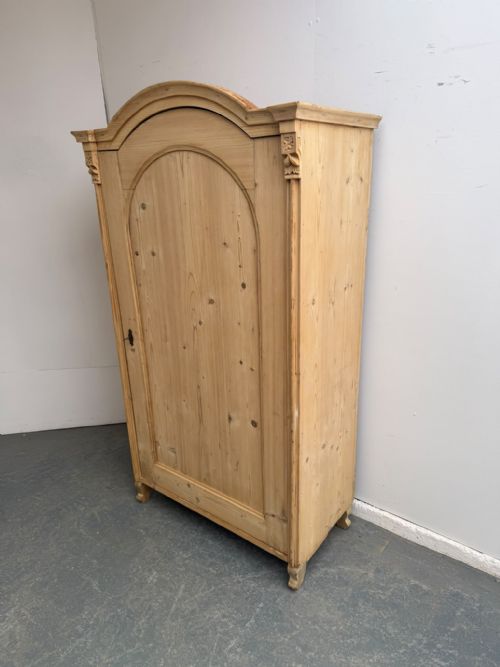


Antique Kitchen Press
An antique kitchen press brings robust utility and vernacular charm into a modern home, offering substantial storage built for heavy domestic service.
Antique Kitchen Press
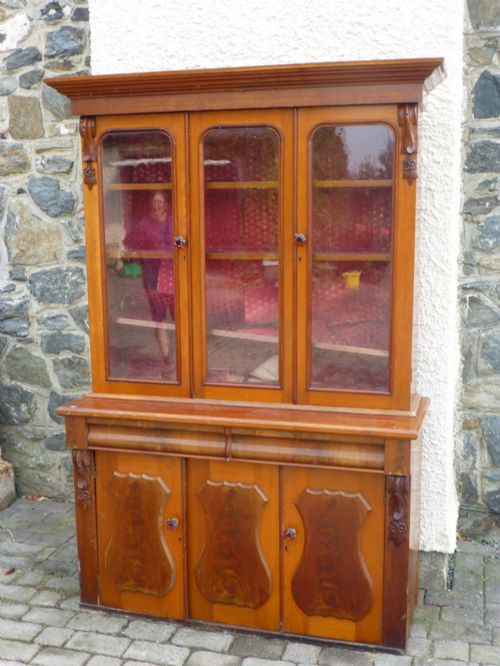
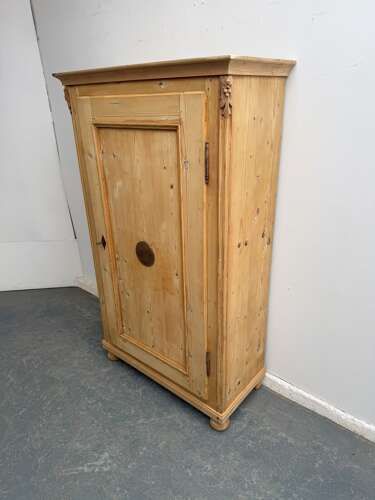
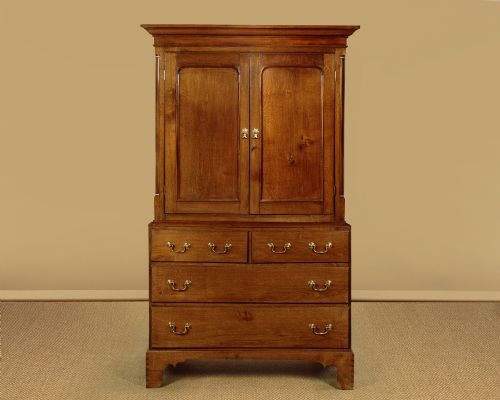
When searching for an antique kitchen press, a buyer encounters utilitarian storage furniture built for domestic service, spanning housekeeper's cupboards, larder cupboards, and tall storage cabinets. These pieces originated in periods ranging from the eighteenth century through the Victorian era, reflecting regional vernacular traditions across England, Wales, France, and Sweden.
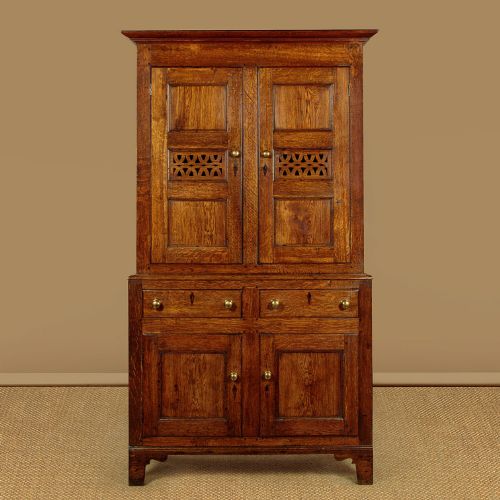
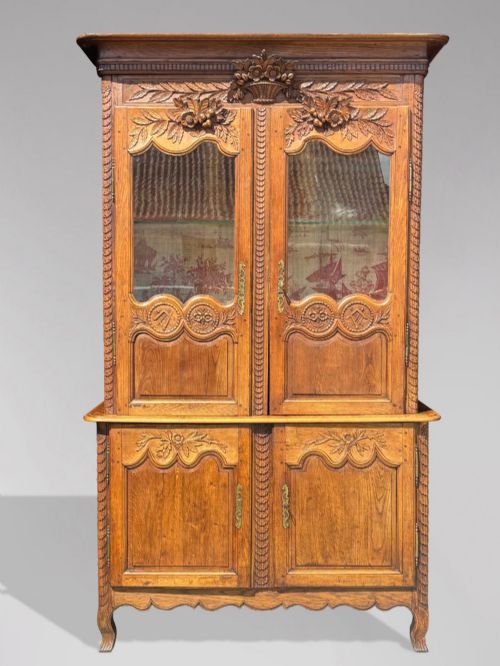
The version most commonly met on this page is the pine or oak housekeeper's cupboard, often standing tall with multiple doors and drawers for provisions and linen. Examples also include glazed dressers and buffets, combining display and pantry storage within a single heavy carcass.
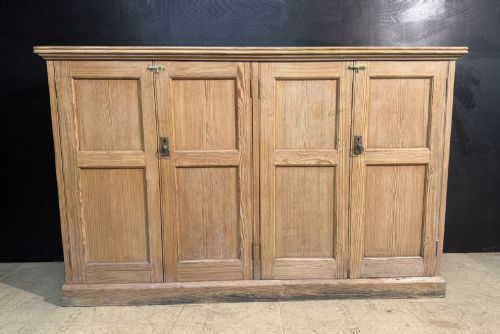
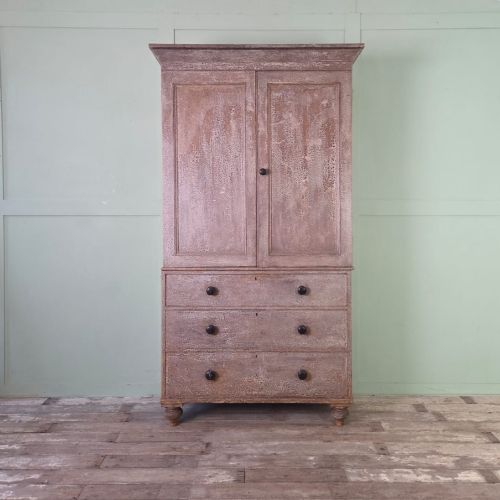
Makers designed these items for hard-working sculleries, estate kitchens, and country houses, prioritizing internal capacity and durable construction over delicate ornamentation. Surviving items carry the marks of generations of domestic use, showing surfaces finished in original paint, later green or cream coats, or bare waxed timber.
Materials and construction methods
Carpenters constructed these cupboards primarily using solid pine, oak, and chestnut, selecting native timbers for strength and availability. Joinery relied on sturdy pegged joints, panelled doors, and heavy drawer construction designed to withstand daily use in busy sculleries.
Hardware such as brass hinges, iron latches, and wooden knobs added functional security to heavy doors. Surfaces were frequently left as raw timber to be waxed, or finished in traditional paint schemes including cream, green, and original historic pigments.
Antique Kitchen Press Retail Price Guide 2026
Typical asking prices for kitchen press among the pieces listed under this phrase on Sellingantiques today, from the lower quarter to the upper quarter. They describe what is for sale here now, not the wider market.
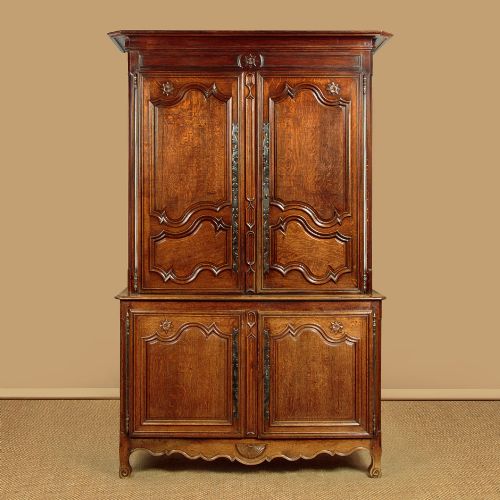
The inventory records regional vernacular styles including Welsh, French Provincial, and Gustavian Swedish cabinetmaking traditions.
Assessing quality in vernacular furniture
Quality rests upon the integrity of the original timber and the survival of historic surfaces, distinguishing pieces retaining their early paint or untouched waxed patination from heavily altered examples. Proportion also dictates worth, as taller narrow formats or balanced multi-door configurations command greater attention than clumsy proportions.
The sophistication of the vernacular joinery separates standard utility items from finer regional pieces, such as Welsh oak dressers or Yorkshire housekeepers' cupboards with detailed mouldings and panel work. Original brass or iron hardware and intact internal shelving further elevate a piece above standard domestic utilitarian cabinets.
The Antique Kitchen Press Glossary
- Housekeeper's cupboard
- A large storage cabinet traditionally used for linens, dry goods, and provisions in country houses and large estates.
- Vernacular furniture
- Domestic objects built by local craftspeople using regional styles and native materials rather than following metropolitan fashion.
- Buffet deux corps
- A traditional two-tier French cabinet featuring an upper cupboard section resting upon a larger lower base.
- Larder cupboard
- A tall piece of storage furniture designed specifically for keeping food cool and ventilated within domestic kitchens.
- Treen
- Small handmade wooden domestic objects produced through turning or carving, ranging from kitchen utensils to lemon squeezers.
Antique Kitchen Press: Frequently Asked Questions
What is an antique kitchen press?
An antique kitchen press is a large storage cupboard or cabinet built for domestic use in kitchens, sculleries, and estate larders during the eighteenth and nineteenth centuries.
These pieces provide deep shelving and drawer space, originally utilised for storing dry provisions, utensils, and household linens.
How do I date an antique cupboard?
Dating relies upon examining construction methods, timber types, and surface treatments, comparing them against known regional vernacular traditions from the Georgian and Victorian periods.
Hand-cut joints, original hardware, and historical paint layers offer reliable clues to a piece's age and origin.
Where were these cupboards used?
They originated in farmhouses, country estates, and provincial homes across England, Wales, France, and Sweden for daily domestic organisation.
Kitchen presses and housekeeper's cupboards stood in sculleries and pantries where heavy-duty storage was required for food and household goods.
How do I care for painted pine?
Maintain painted pine furniture by keeping it away from direct sunlight and sources of extreme heat that could cause the historic paint or timber to crack.
Dust gently with a dry cloth and avoid harsh chemical cleaners to preserve the original patina and finish of the surface.