

Antique Kitchen Buffet
An antique kitchen buffet brings honest utility and enduring craft to the heart of the home.
Antique Kitchen Buffet
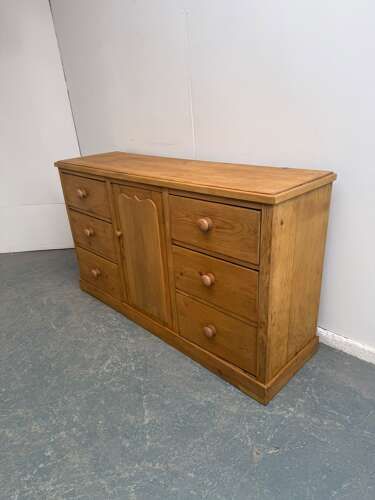
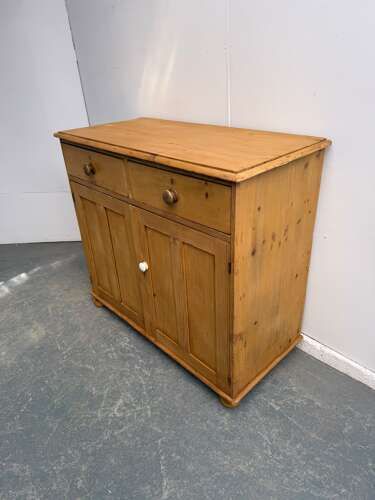
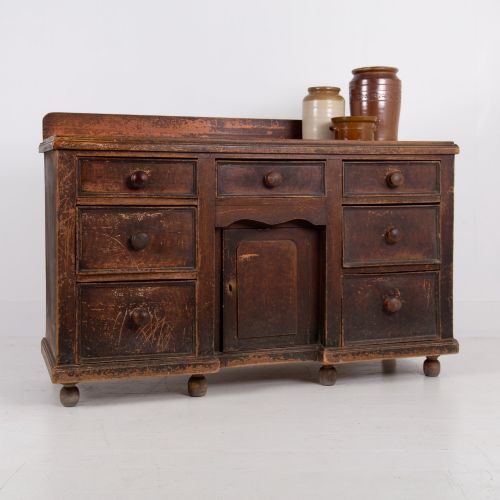
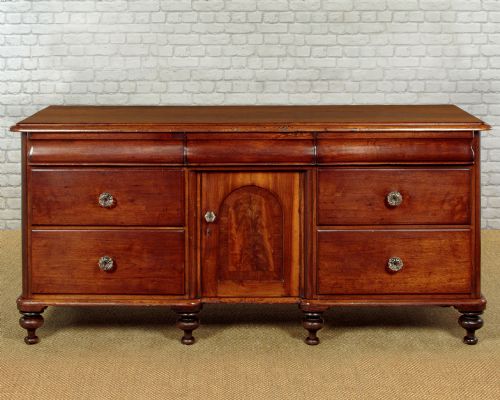
An antique kitchen buffet encompasses sturdy storage furniture designed for food preparation and tableware storage, often taking the form of a dresser, sideboard, or cupboard. Buyers looking at this selection will find examples ranging from country pine bases to substantial oak cabinetry.
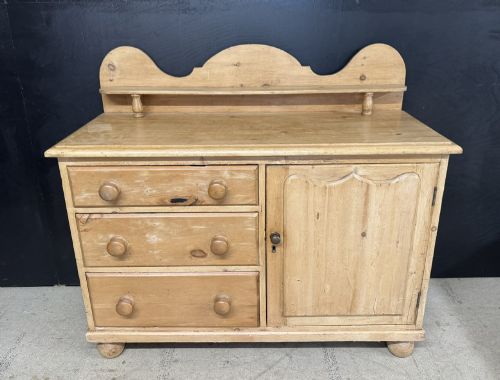
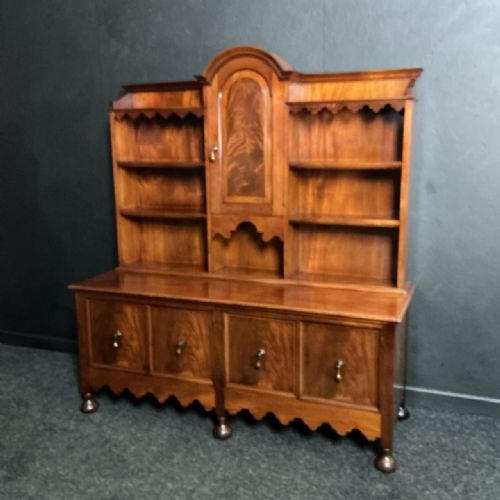
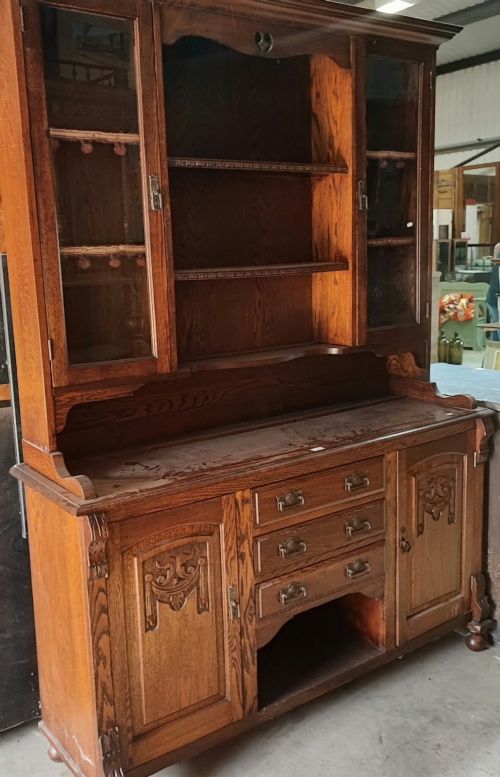
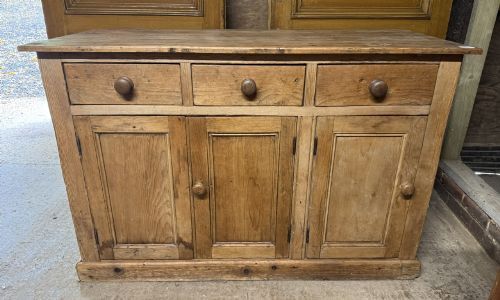
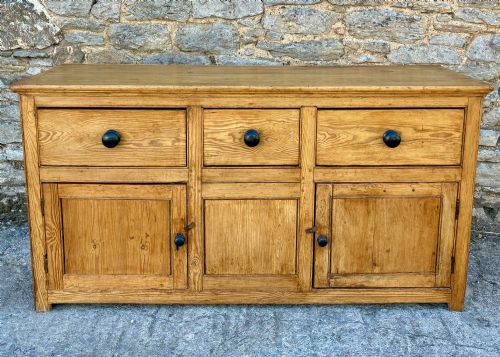
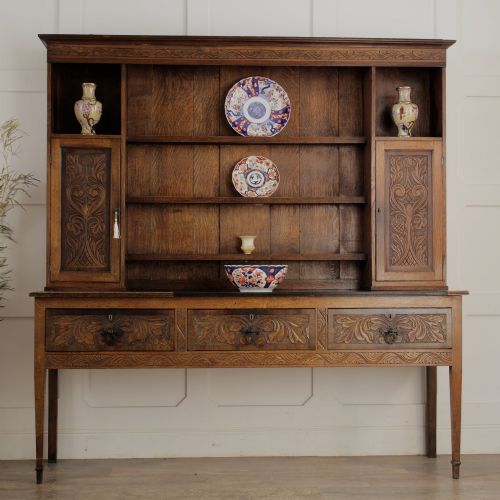
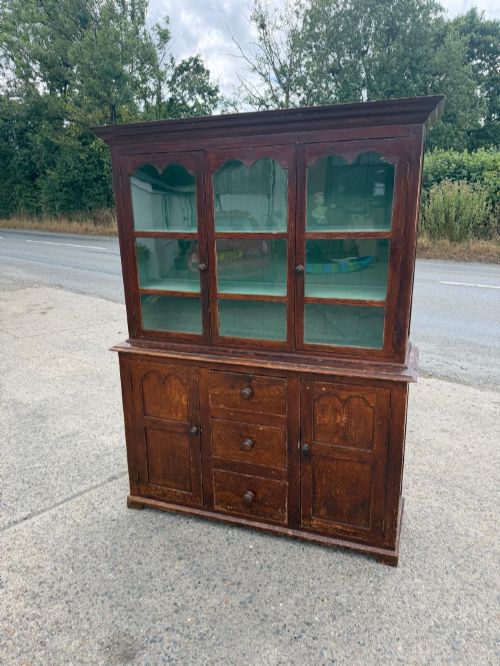
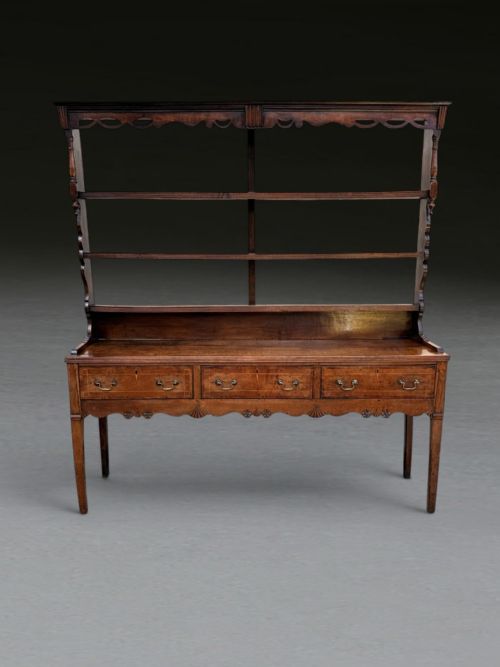
The most common version met on this page is the pine or oak dresser base, frequently paired with a plate rack or upper display cabinet. These pieces bridge the gap between utilitarian storage and rustic charm, originating from periods spanning the Georgian era through to the Edwardian period.
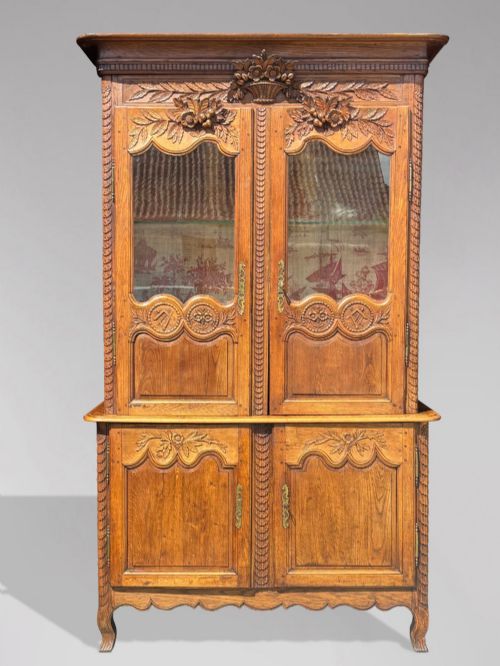
Regional variations appear across English, Welsh, and French provincial workshops, offering diverse configurations of drawers, cupboards, and pot shelves. Each piece reflects the domestic habits of its era, from simple farmhouse preparations to formal dining rooms.
Materials and construction methods
Cabinet makers relied primarily on solid timbers such as pine, oak, walnut, and fruitwood, selecting each wood for its local availability and strength. Surfaces often retain original paint, wax finishes, or natural grain patination developed through decades of domestic use.
Joinery techniques involved traditional mortise and tenon frames, hand-cut dovetails for drawers, and panelled doors designed to accommodate seasonal wood movement. Brass or iron hardware, including handles and hinges, completes the structural assembly.
Housemaids once kept these hardworking cupboards scrubbed so clean that the wood grain stood proud like raised ribs.
Factors of quality and survival
Quality rests heavily on the degree of original survival, noting whether the piece retains its original hardware, feet, and backboards without excessive timber replacement. The integrity of the wood's surface, whether untouched wax or early paint, distinguishes pieces that have kept their character.
Construction depth also matters, separating standard utilitarian workshop output from finely detailed examples with carved decoration, fielded panels, or harmonious proportions. The balance between practical storage capacity and refined cabinet work dictates the standing of each piece.
The Antique Kitchen Buffet Glossary
- Potboard
- A lower open shelf built into a dresser base for storing pots, pans, and heavy kitchen utensils. This open lower tier provides structural stability while keeping everyday cookware close to hand.
- Dresser base
- The lower section of a kitchen dresser, functioning as a standalone sideboard or cabinet with drawers and cupboards. These pieces provide substantial surface workspace alongside enclosed storage.
- Buffet deux corps
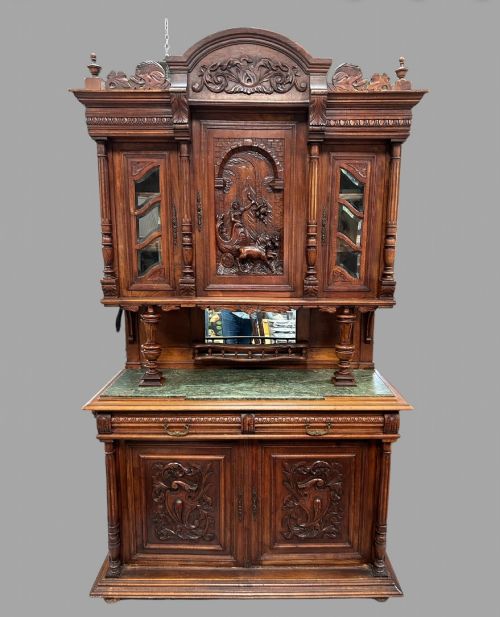
- A traditional two-body cabinet featuring a large lower cupboard section surmounted by a matching upper display unit. This form offers imposing vertical storage for china and provisions.
- Pitch pine
- A resinous, durable variety of pine utilised for heavy-use furniture due to its density and pronounced grain pattern. It yields a robust surface well-suited to demanding kitchen environments.
- Breakfront
- A cabinet design where the central section projects forward from the flanking outer cabinets. This architectural feature creates depth and visual rhythm across the facade.
Antique Kitchen Buffet: Frequently Asked Questions
What is an antique kitchen buffet?
An antique kitchen buffet is a utilitarian storage piece used for holding kitchenware, food provisions, and dining accessories. These items typically feature a combination of drawers, cupboards, and sometimes open shelving.
Origins trace back through Georgian, Victorian, and Edwardian domestic spaces where durable workspace and storage were essential. Today, they serve as focal points in modern kitchens and dining rooms.
How were these buffets used originally?
In historical households, these pieces acted as the central workstation for food preparation and the storage of everyday crockery. The top surface provided space for assembling meals, while drawers held utensils and linens.
Lower cupboards and potboards accommodated heavy iron pots, ceramic bowls, and dried provisions. They stood in domestic kitchens, sculleries, and large country house pantries.
How do I care for waxed pine furniture?
Waxed pine surfaces require gentle maintenance using natural beeswax to nourish the timber and preserve the patina. Avoid placing them near direct heat sources or moisture to prevent wood splitting.
Regular dusting with a soft cloth keeps the finish intact without stripping the accumulated character of the wood. Occasional re-waxing maintains a protective barrier against everyday use.
How can I tell the period of a dresser?
Dating relies on examining construction traits, such as hand-cut dovetails, tool marks, timber selection, and hardware fixings. Georgian pieces tend to show precise oak joinery, while Victorian examples frequently utilise pine or walnut.
Stylistic cues like Arts and Crafts geometric lines or French provincial carvings also point towards specific decades. Nail types and backboard construction offer further clues to the manufacturing date.