

Antique Kitchen Art
Antique kitchen art brings the rich textures of culinary heritage into the home through oil paintings and sturdy oak furniture.
Antique Kitchen Art
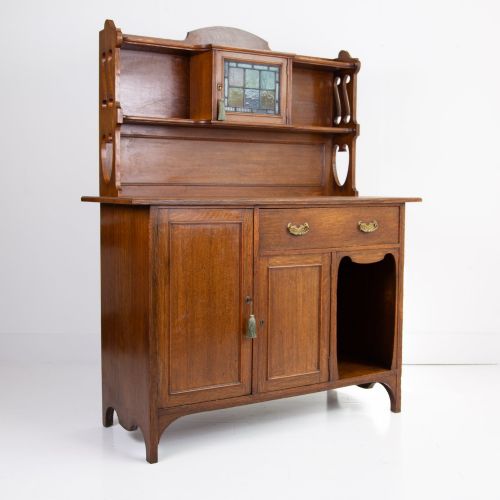
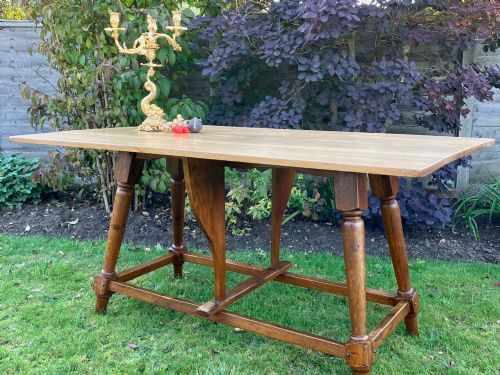
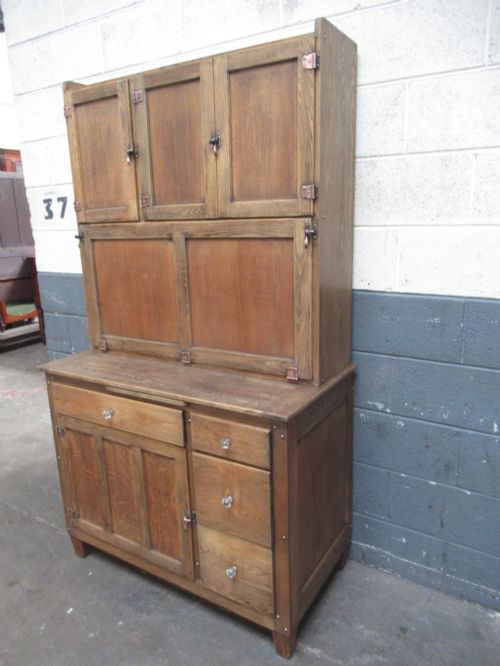
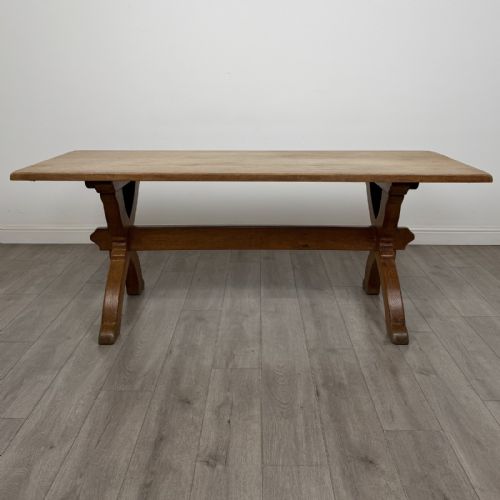
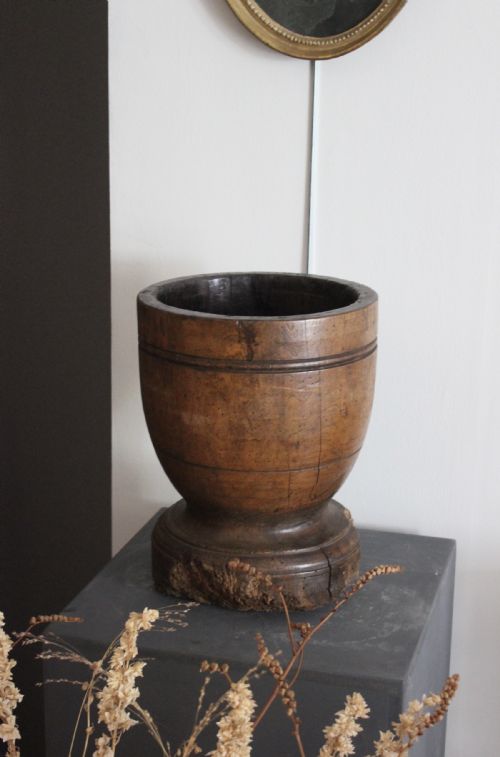
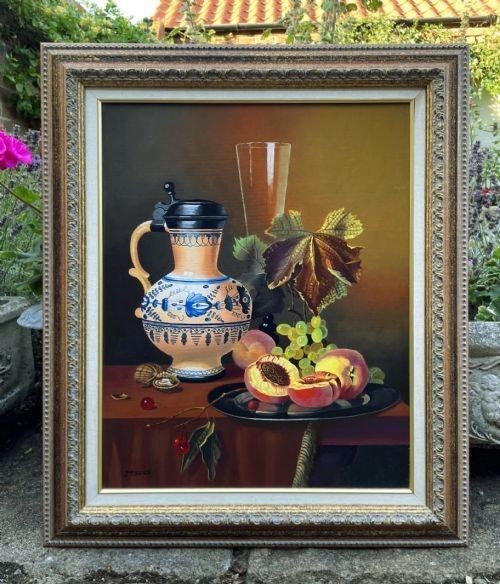
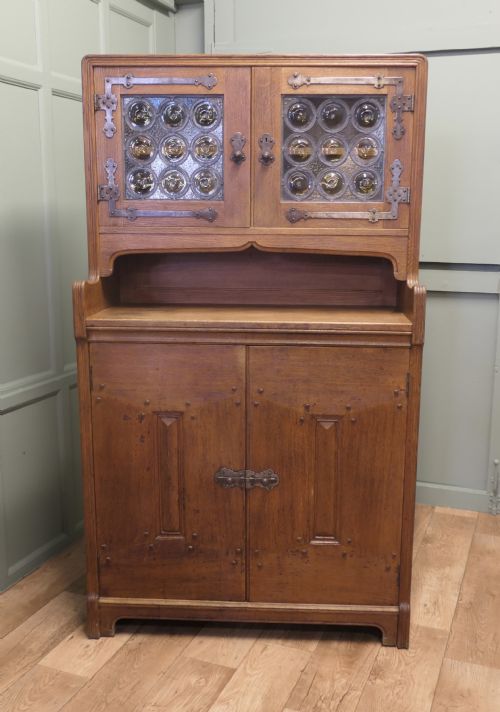
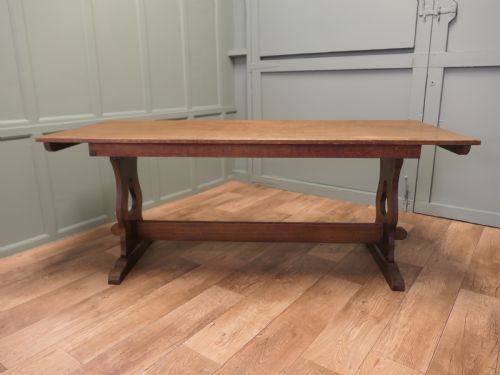
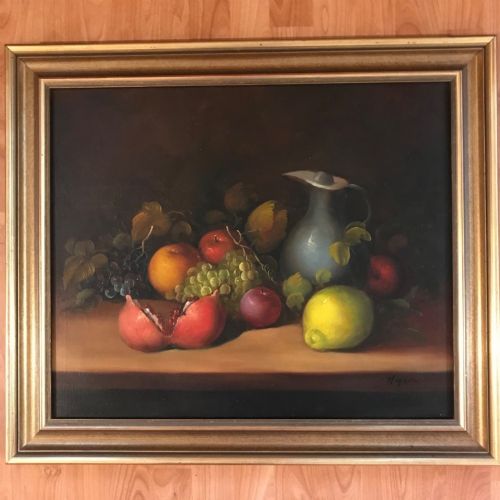
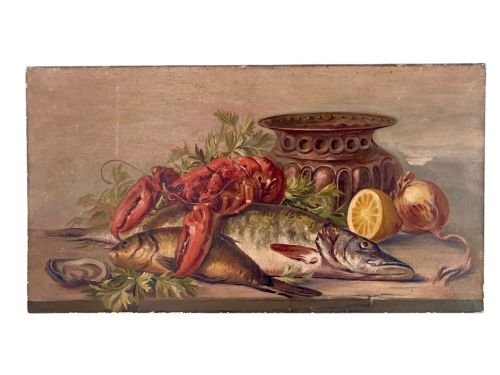
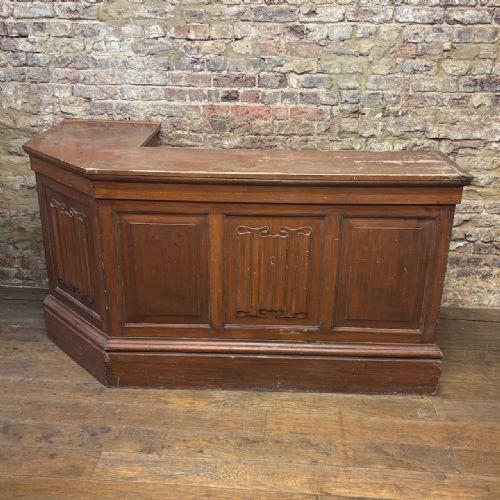
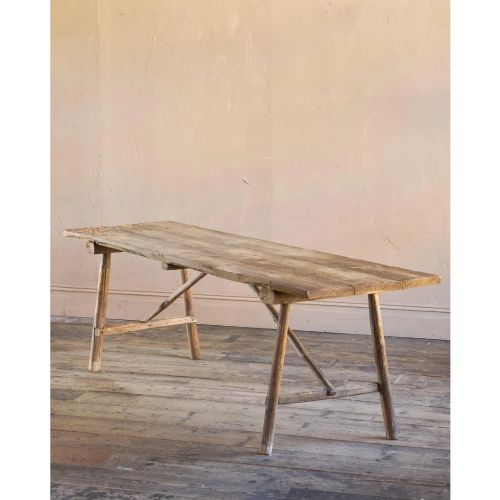
When searching for antique kitchen art, buyers encounter a distinct mix of oil paintings and heavy wooden furnishings that reflect domestic life across the nineteenth and early twentieth centuries. These objects range from French school still lifes depicting fruit and fish to sturdy oak refectory tables and pine dressers designed for daily use.
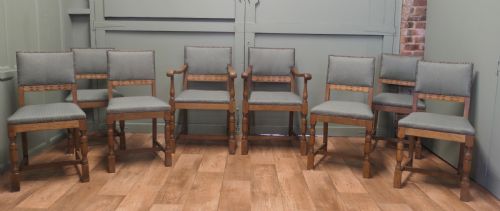
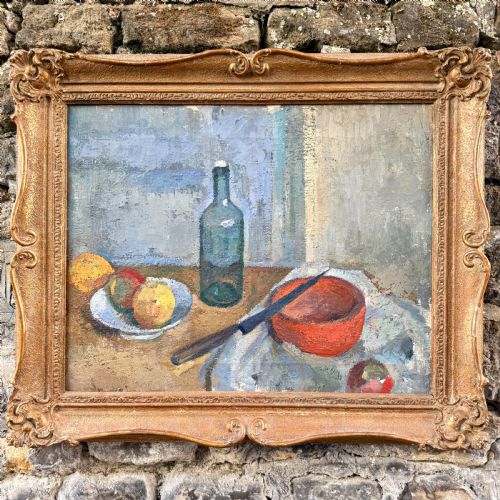
The most common forms on this page include oil on canvas paintings featuring still life compositions alongside golden oak dining chairs and kitchen dressers. Pieces from the Arts and Crafts and Edwardian periods dominate the selection, bringing functional craftsmanship and visual warmth to dining spaces.
How they were made
Makers utilised solid timbers such as oak, pine, and fruitwood to construct heavy furniture meant to withstand active domestic environments. Joinery relied on traditional framing and quartered oak methods, while surfaces were often finished with wax or left in their primitive painted state.
Artistic works were created using oil on canvas, capturing the domestic and culinary subjects with pigmented layers. Artisans applied straightforward methods that prioritized structural longevity and honest material expression over excessive ornament.
Antique Kitchen Art Retail Price Guide 2026
Typical asking prices for kitchen art among the pieces listed under this phrase on Sellingantiques today, from the lower quarter to the upper quarter. They describe what is for sale here now, not the wider market.
Listings feature items spanning the 19th Century, Victorian, Edwardian, and Art Deco periods, predominantly constructed from oak and pine.
What varies in quality
The calibre of a piece rests in the integrity of its material and the directness of its design, separating utilitarian items from those bearing deliberate artistic thought. Refectory tables and dressers show distinction in the selection of quartered oak and the precision of their structural joints.
In paintings, quality is found in the handling of oil on canvas and the subtlety of composition in still life subjects. Pieces associated with notable design movements or specific schools exhibit a stronger resolution of form and finish.
Heals of London·Liberty·Sir Robert Stoddart Lorimer·The Music House Norwich
The Antique Kitchen Art Glossary
- Refectory table
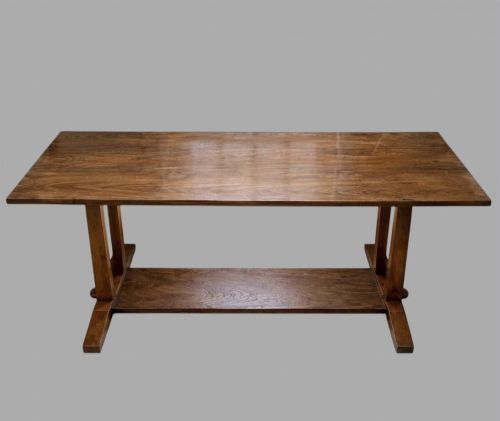
- A long dining table historically used in communal halls and adapted for domestic dining during the Arts and Crafts period. These tables feature heavy wooden tops supported by robust trestles or legs.
- Still life
- An artwork depicting inanimate subject matter, typically commonplace objects such as fruit, fish, or jugs. In these listings, they capture traditional culinary motifs.
- Quartered oak
- Timber cut radially from the growth rings to produce a distinctive medullary ray figure. This method provides greater stability and an attractive grain pattern.
- Pine dresser
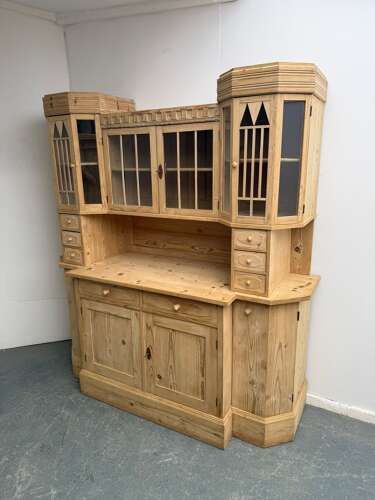
- A large kitchen storage unit constructed from soft pine wood, often featuring open shelves above cupboards. They served practical utility in holding crockery and provisions.
Antique Kitchen Art: Frequently Asked Questions
How do I use a refectory table today?
These long tables suit modern dining rooms or large kitchens, providing ample surface space for family gatherings and daily meals.
Their robust timber construction allows them to endure heavy daily use while serving as a visual centrepiece.
Where did kitchen dressers originate?
Kitchen dressers evolved as practical storage furniture in farmhouses and country homes during the nineteenth century. They held ceramics, glass, and cooking utensils within easy reach of the hearth.
Over time, regional variations emerged across England, France, and Hungary, incorporating local pine and oak woods.
How should I clean oil on canvas?
Painted works require gentle dusting with a soft, dry brush to prevent the accumulation of particles on the canvas surface. Avoid using water, liquid cleaners, or chemical solvents.
Professional conservationists should handle any deeper cleaning or restoration to protect the integrity of the oil pigments.
What defines Arts and Crafts furniture?
This design movement values honest construction, visible wood grain, and functional simplicity over excessive surface decoration. Craftsmen utilised solid oak and traditional joinery techniques.
Pieces from this era emphasise the hand of the maker and utility within everyday living spaces.