
Antique Jewellery Watch Chain
When you search for an antique jewellery watch chain, you are holding a sturdy length of gold or silver designed to tether a pocket watch securely to a waistcoat.
Antique Jewellery Watch Chain
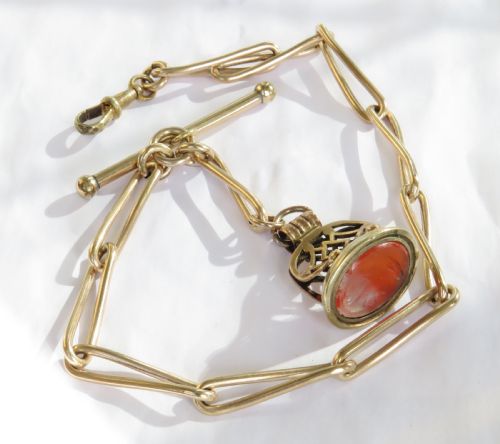
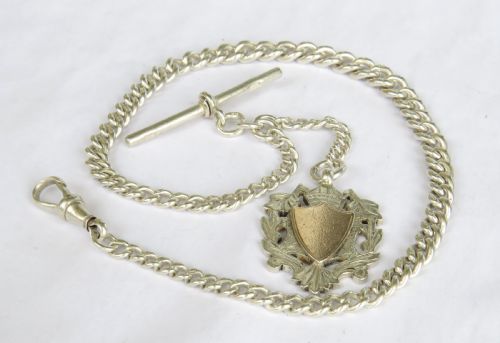
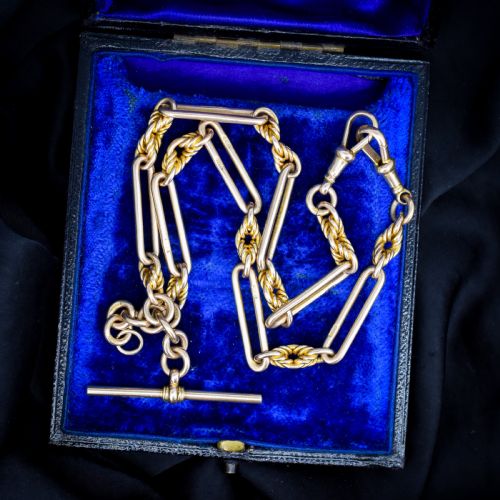
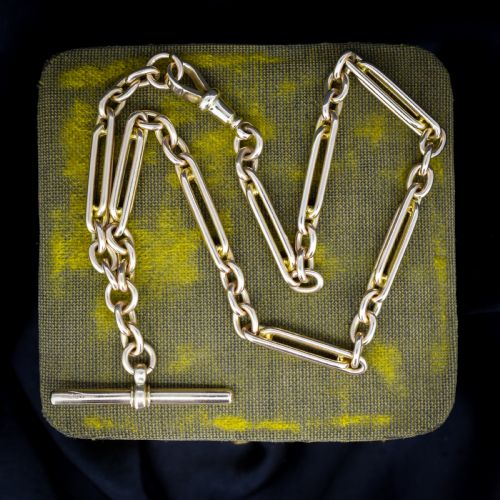
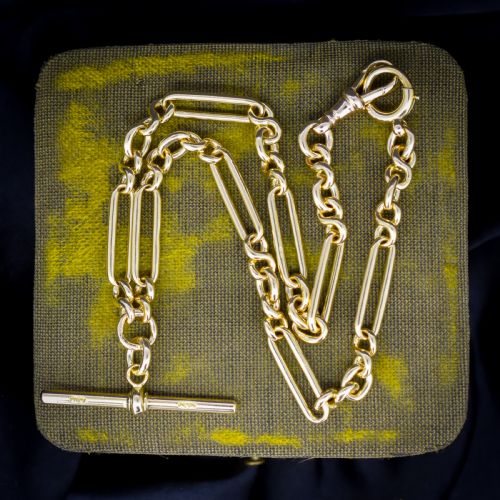
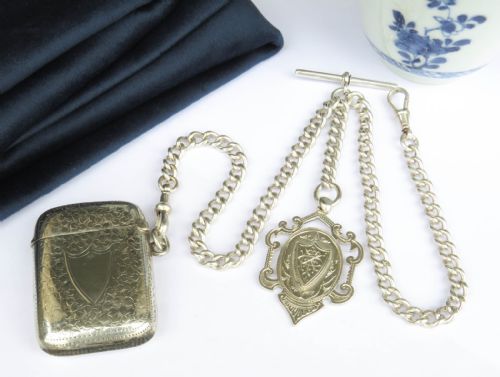
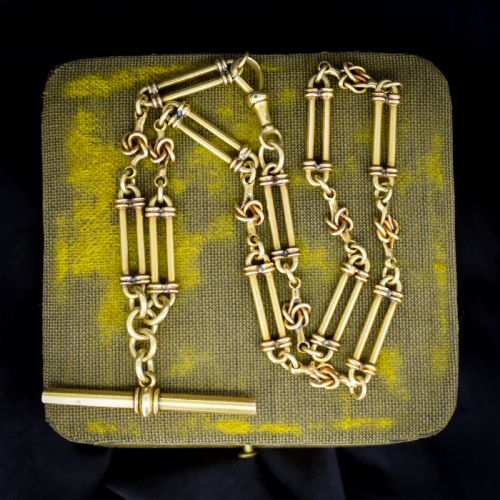
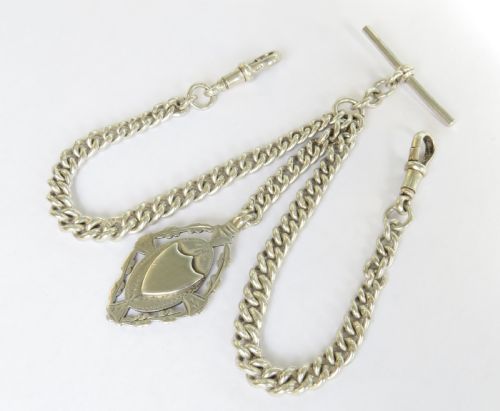
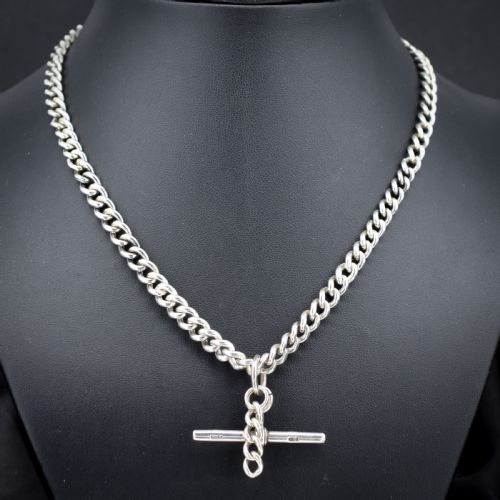
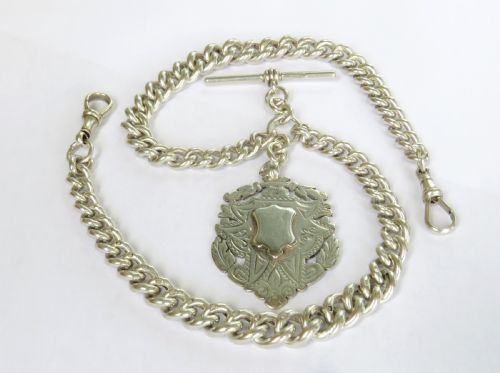
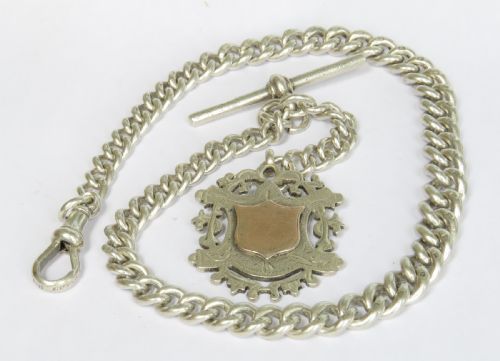
An antique jewellery watch chain comprises substantial metal links, often featuring specific configurations such as the trombone, love knot, or curb pattern. These pieces originated as practical pocket watch chains or albert chains during the Victorian and Edwardian periods, frequently incorporating T-bars and dog clips.
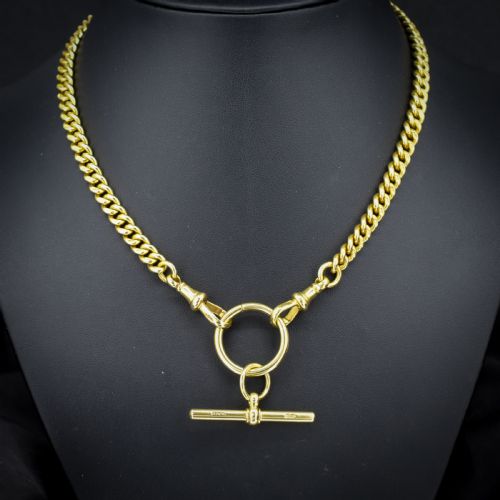
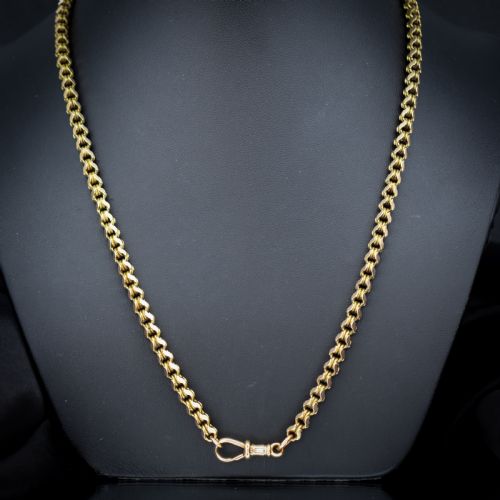
Collectors and buyers encounter these items configured not just for waistcoats, but adapted as necklaces and bracelets. The inventory spans sterling silver and various carats of gold, stretching from the late nineteenth century through the 1920s and Art Deco eras.
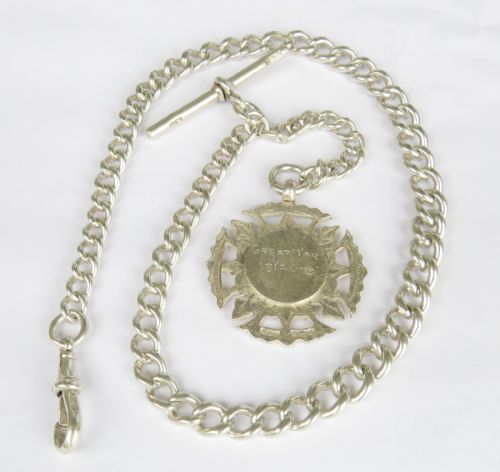
The most common survivals on this page are sterling silver and 9ct gold albert chains, often complete with original hallmarks stamped on individual links or drops. Shorter lengths generally indicate conversion to necklaces, while longer examples preserve their original guard chain proportions.
How They Were Made
Silversmiths and goldsmiths constructed these chains from sterling silver, rolled gold, and yellow or rose gold spanning 9ct, 15ct, and 18ct purities. Individual links were formed by hand or machined before being joined together, with many Edwardian examples featuring hallmarks stamped on every single link.
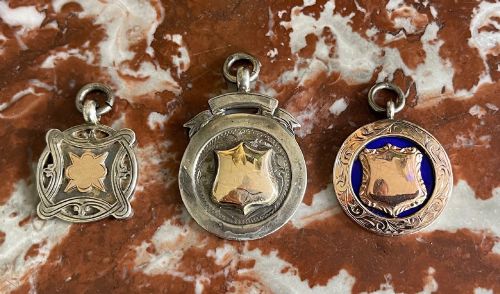
Functional components like dog clips, bolt rings, and T-bars were integrated into the design to secure timepieces, vestas, and fobs. Surface decoration such as niello work occasionally added contrasting dark metallic patterns to the silver and gold foundation.
Listings feature materials spanning sterling silver, rolled gold, and gold ranging from 9ct up to 18ct yellow and rose gold.
What Varies in Quality
The weight and substantial feel of the metal set individual examples apart, with heavier chains demonstrating greater durability and material value. Heavier gauge links and solid gold construction represent the upper tier of the range, contrasted by lighter hollow links or rolled gold alternatives.
Completeness and originality determine distinction, particularly the presence of matching hallmarks across every link and retained components like original dog clips and T-bars. Subtle variations in link complexity, such as intricate trombone and love knot combinations, elevate the design execution.
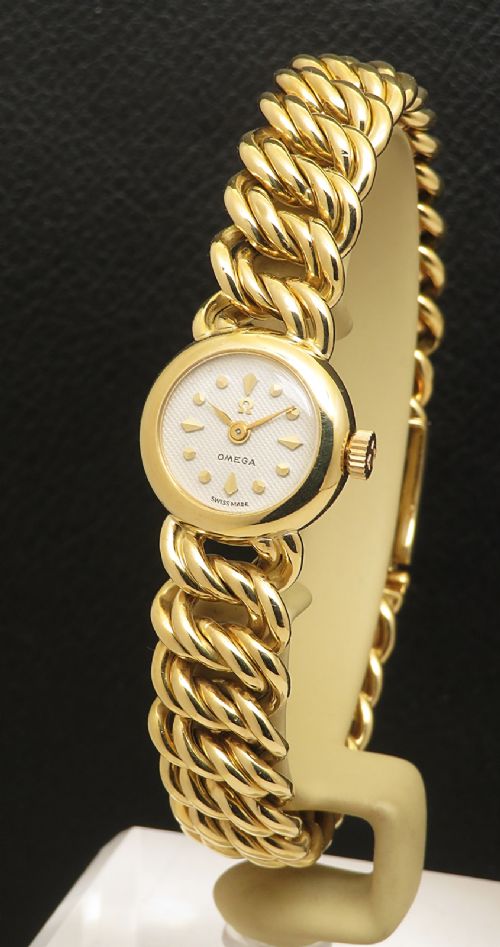
Omega
The Antique Jewellery Watch Chain Glossary
- Albert Chain
- A short chain attached to a pocket watch and secured through a buttonhole with a T-bar. It was named after Prince Albert during the Victorian era.
- T-Bar
- The crossbar fastened at the centre or end of a watch chain. It slotted securely through a waistcoat buttonhole.
- Dog Clip
- A spring-loaded swivel clasp attached to watch chains and bracelets. It allowed fobs, pendants, and pocket watches to be clipped on and off with ease.
- Trombone Link
- A rectangular metal link with rounded ends, resembling the slide of a trombone. It frequently alternated with smaller round or love knot links in Victorian and Edwardian designs.
- Guard Chain
- An exceptionally long chain worn draped around the neck. These pieces allowed pocket watches or eyeglasses to be tucked safely into pockets.
- Vesta
- A small matchsafe container often suspended from a watch chain. These cases kept matches dry and accessible.
Antique Jewellery Watch Chain: Frequently Asked Questions
How do I wear an antique watch chain today?
These versatile pieces easily transition from historical accessories to modern jewellery. Shorter lengths work wonderfully worn around the neck as statement necklaces or layered chains.
Heavier examples with dog clips can be wrapped around the wrist as substantial bracelets. You can also hang charms, pendants, or lockets directly from the existing dog clips.
What is the difference between an albert chain and a guard chain?
An albert chain is a shorter, heavier length meant to span a waistcoat pocket, anchored by a T-bar and dog clip. They are typically between twelve and eighteen inches long.
Guard chains are considerably longer, often exceeding fifty inches, designed to loop multiple times around the neck. They provided a secure tether for watches stored deep within coat or skirt pockets.
What metals were commonly used for these chains?
Sterling silver and various purities of gold dominate the historical record for these wearable pieces. Gold options range from 9ct and 15ct to 18ct, appearing in distinct yellow and rose shades.
You will also encounter rolled gold variations, which offered the rich appearance of solid gold at a more accessible cost during the nineteenth and early twentieth centuries.