
Antique Jewellery Piece
An antique jewellery piece brings master craftsmanship to a miniature scale, offering a glimpse into historical design through small-scale chests, bangles, and rings.
Antique Jewellery Piece
When you search for an antique jewellery piece, you enter a domain where scale shrinks to highlight pure form. These items span Georgian, Victorian, and later periods, capturing the meticulous care of historical makers in compact formats.
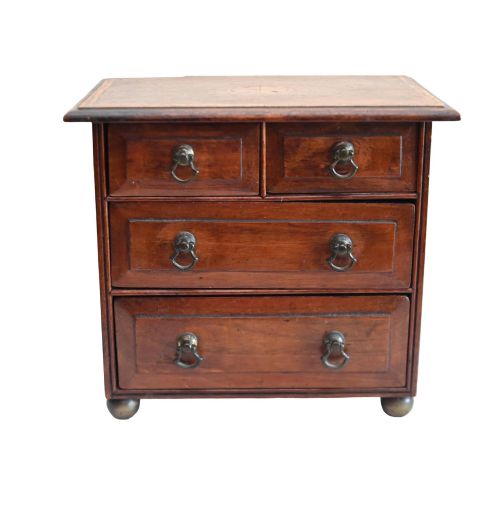
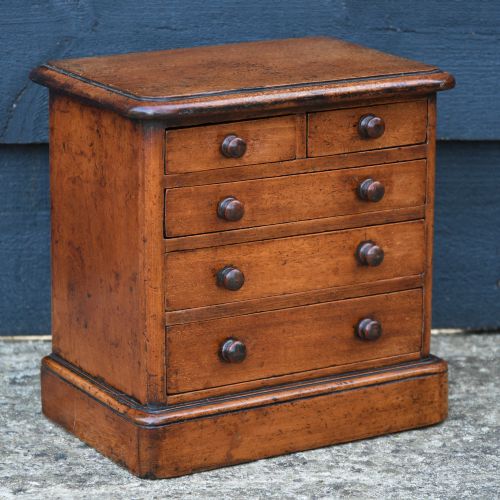
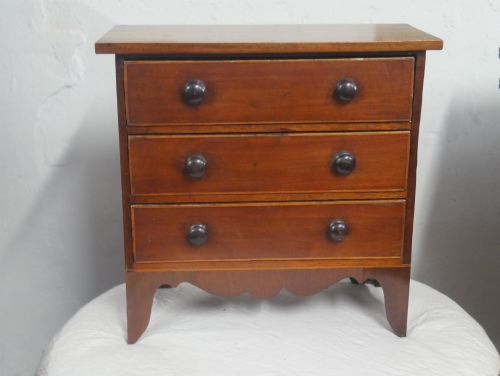
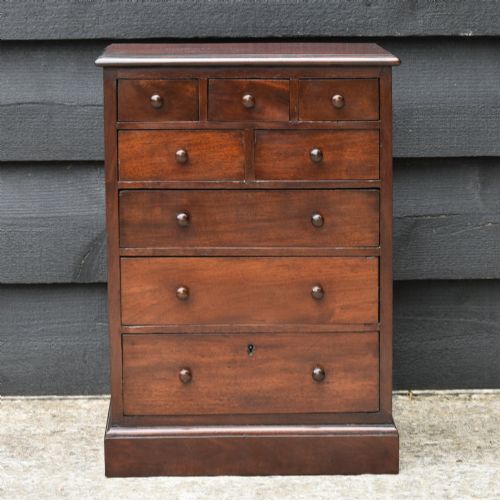
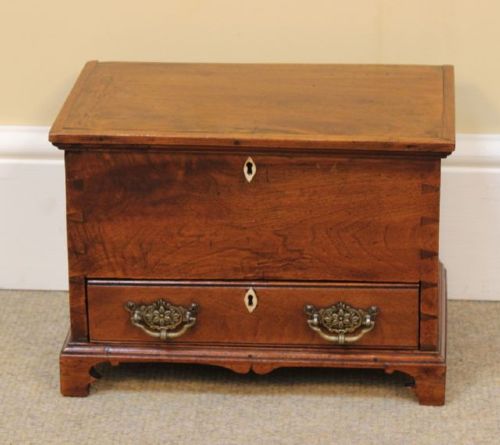
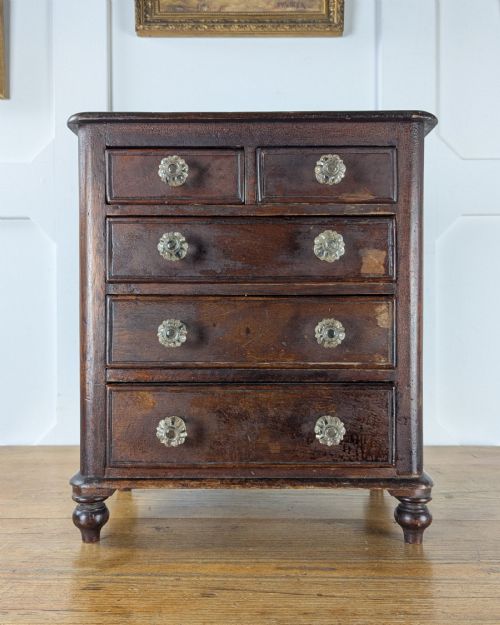
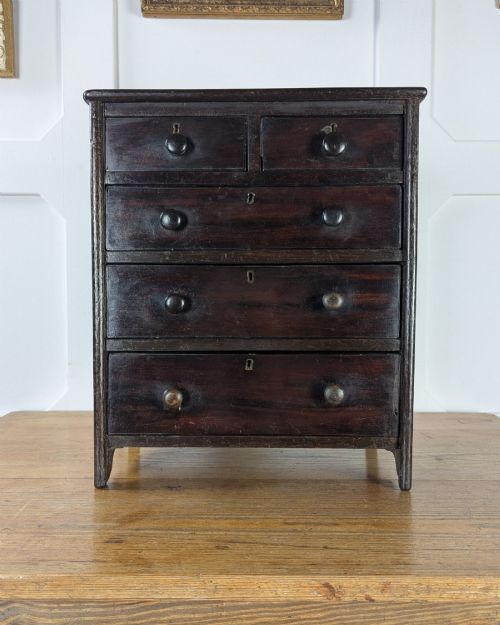
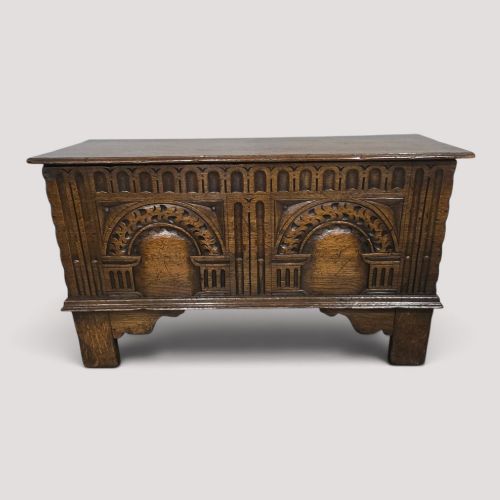
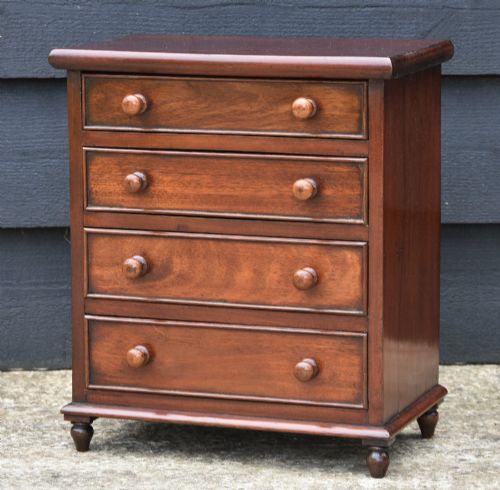
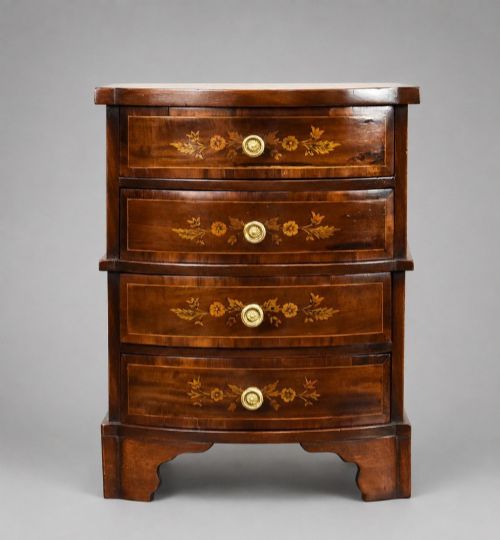
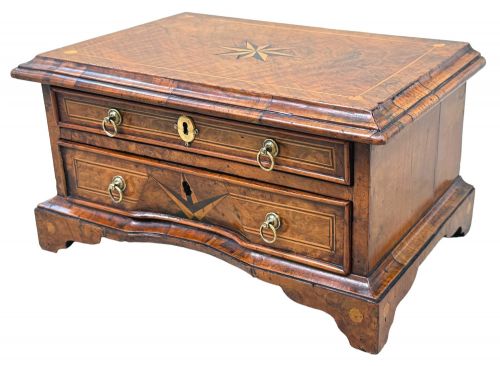
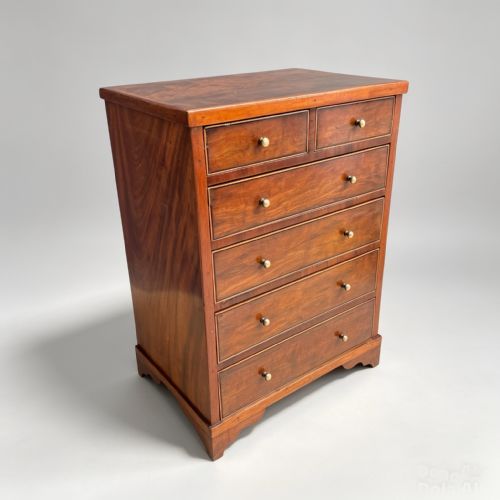
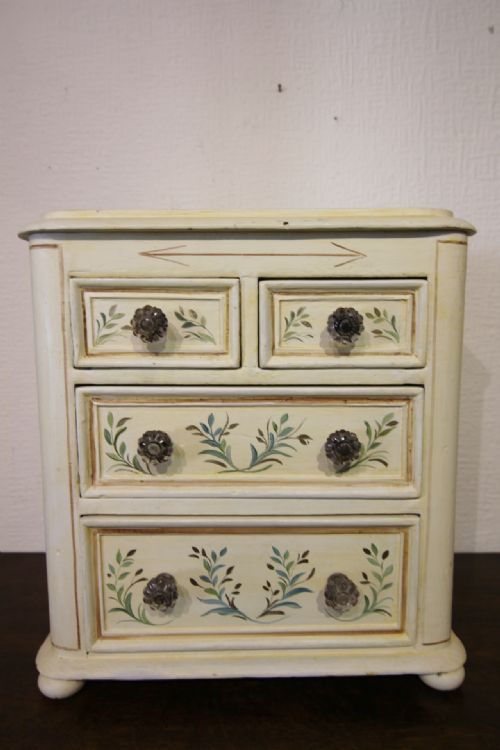
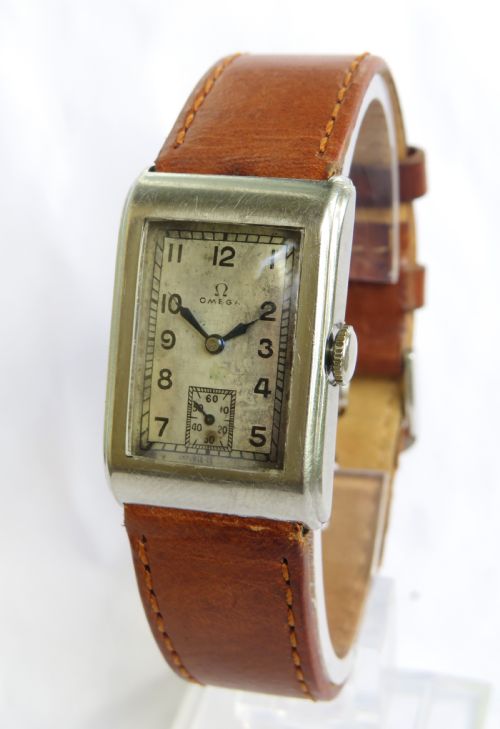
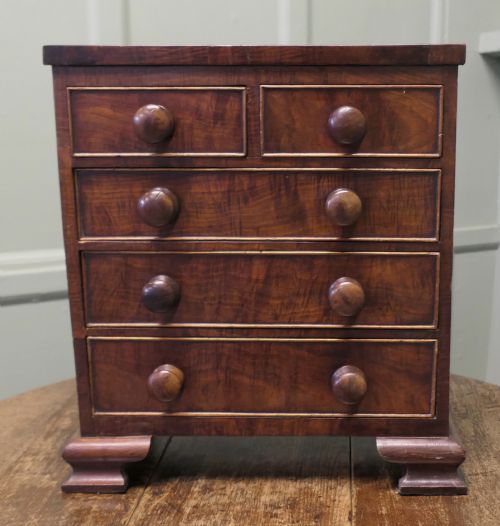
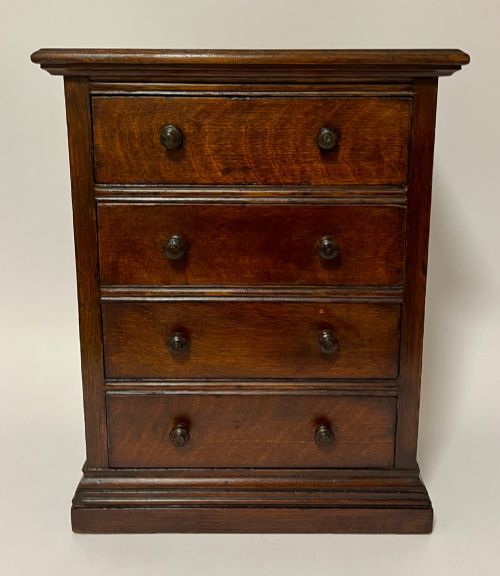
You are most likely to meet miniature chests of drawers, apprentice pieces, and small decorative boxes functioning as jewellery storage. Alongside these, specific jewellery items such as jade bangles, coral bracelets, and diamond rings appear within the selection.
The materials reflect traditional cabinet making and personal ornamentation. Mahogany, walnut, oak, and pine dominate the small furniture forms, while platinum, jade, and coral define the wearable items.
Materials and Technique
Makers utilised dense timbers such as mahogany, walnut, and amboyna for miniature chests, often applying turned feet, brass hardware, and mother-of-pearl inlay to mimic full-sized furniture.
Precious metals and stones required specialist bench techniques, as seen in platinum plaque rings set with old-cut diamonds or carved jade formed from single pieces of material.
Listings span the 18th, 19th, and 20th centuries, uniting miniature wooden furniture with precious gemstone jewellery.
Judging Quality
Quality rests in the proportion and fidelity of the miniature form. A superior apprentice piece or small chest maintains correct architectural scaling, crisp drawer dovetails, and rich timber patina without clumsy modifications.
In wearable pieces, the calibre of the gem cutting, the precision of the metalwork, and the preservation of enamel or carved detail separate standard items from superior examples.
John Miers
The Antique Jewellery Piece Glossary
- Apprentice piece
- A small-scale item created by a trainee artisan to demonstrate mastery of a trade before admission to a guild.
- Bowfront
- A curved cabinet front that swells outward in the centre, frequently seen on Victorian and Georgian miniature chests.
- Plaque ring
- A ring featuring a flat, geometric face, typically set with multiple diamonds and associated with the Art Deco period.
- Patina
- The surface sheen and deep colour developed by aged wood through handling and waxing over centuries.
- Coffer
- A heavy, lidded box used for storage, constructed here in miniature oak.
Antique Jewellery Piece: Frequently Asked Questions
What is an apprentice piece?
An apprentice piece is a miniature version of a larger item, created by a trainee to prove their skill to master craftsmen.
These small chests and cabinets demonstrate the same dovetailing, carving, and finishing techniques found in full-sized furniture.
How were miniature chests used?
Miniature chests served various practical and decorative roles in historic homes, frequently doubling as specialised repositories for small valuables.
Owners utilised them to store rings, brooches, and other precious personal items on tabletops or dressing chests.
How do I date a piece?
Dating relies on observing timber choices, construction methods, and stylistic cues unique to specific eras like the Georgian or Victorian periods.
Secondary woods, drawer linings, and hardware styles provide clear indicators of the decade of manufacture.
Are these items purely decorative?
While many miniature chests and cabinets function as display items, their internal drawers remain fully operational for storage.
Wearable pieces like bangles and rings are designed for active personal adornment alongside their collectible appeal.