





Antique Jewellery Caddy
When you handle an antique jewellery caddy, you hold a compact receptacle designed for storing precious ornaments, originating predominantly from the Georgian, Regency, and Victorian periods.
Antique Jewellery Caddy
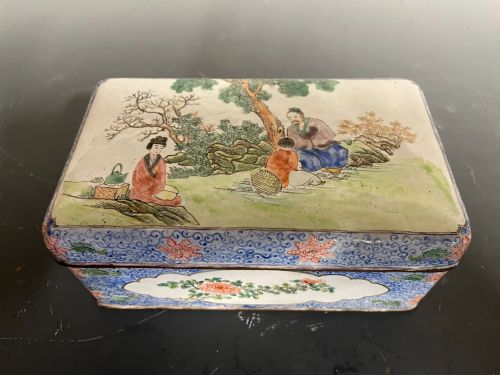
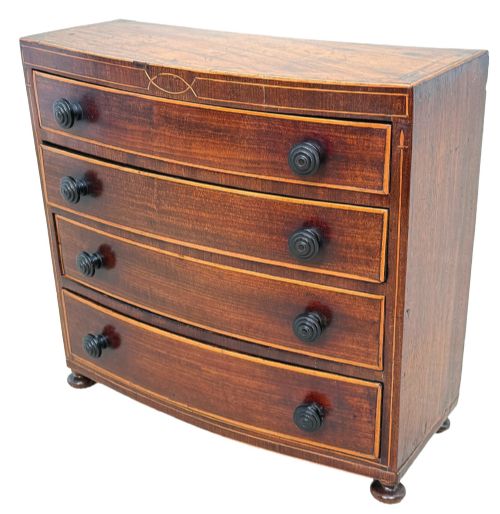
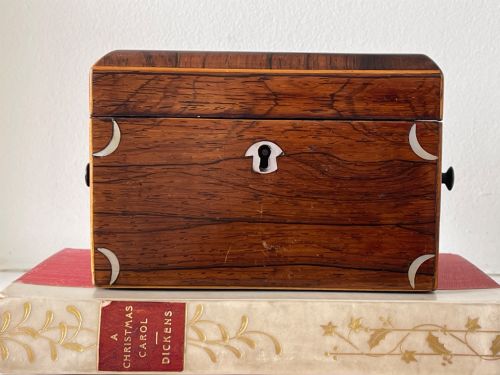
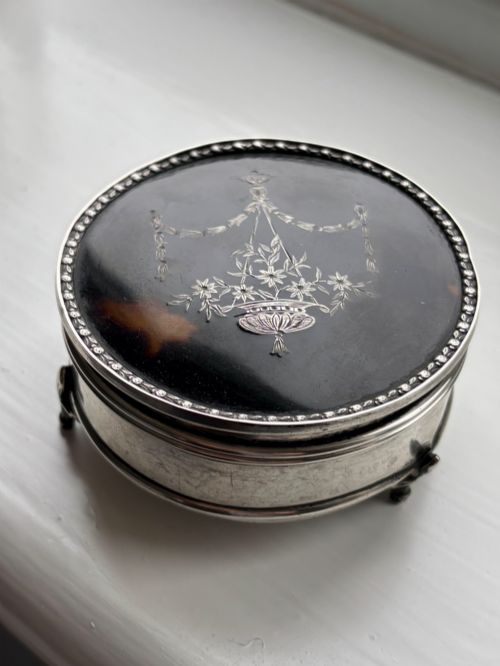
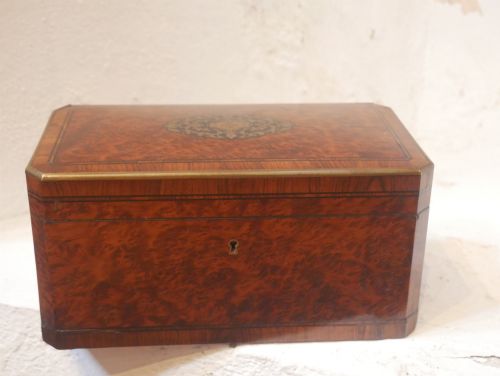
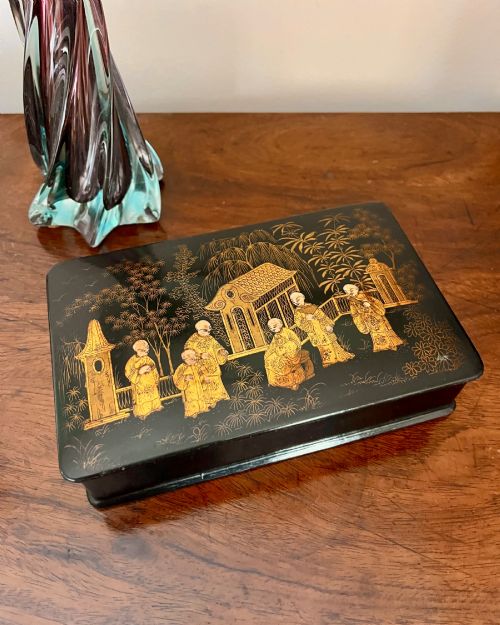
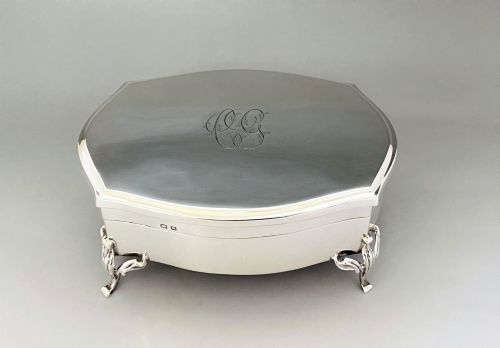
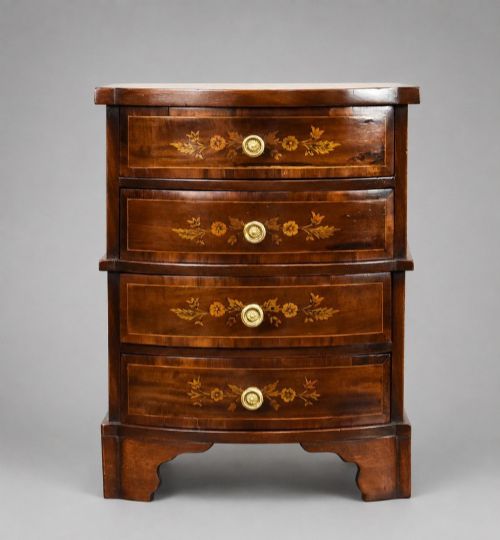
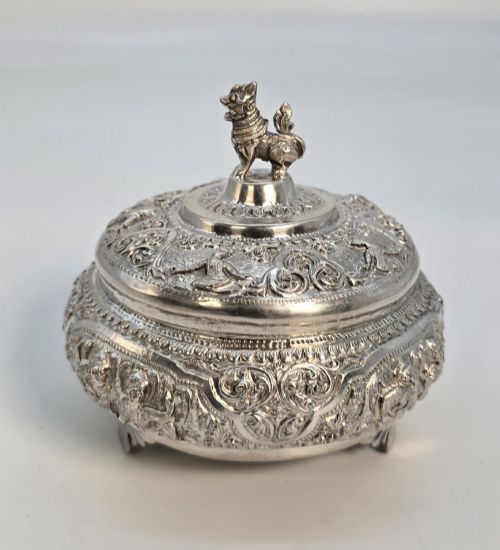
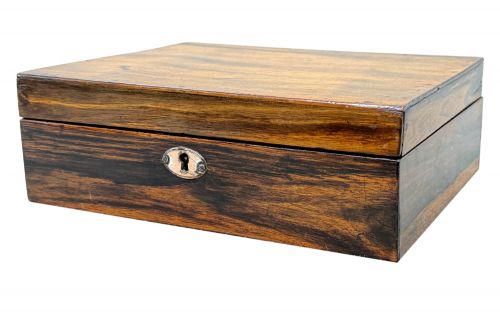
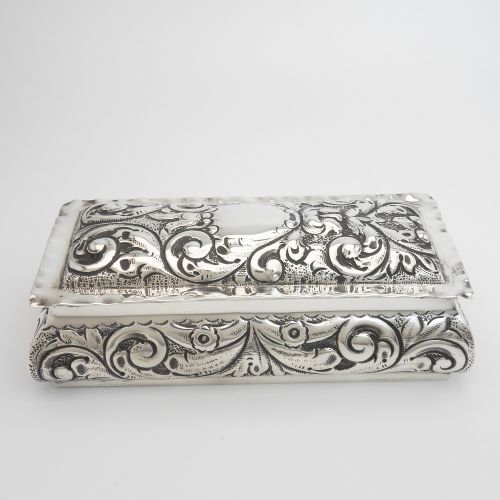
An antique jewellery caddy encompasses small receptacles used historically for safekeeping valuables, spanning forms from traditional tea caddies adapted for trinkets to dedicated work boxes and dressing table cases. The pieces found here cross multiple eras, including Georgian, Regency, and Victorian periods, often taking the shape of sarcophagus boxes, rectangular table cases, or domed containers.
Materials and Construction
Maker workshops utilised substantial hardwoods such as rosewood, burr walnut, coromandel, and satinwood, frequently enhanced with intricate Tunbridge inlay, brass stringing, or mother of pearl. These wooden carcases provide structural integrity while displaying distinct natural grain patterns.
Alternative examples employ sterling silver, silver plate, bronze, lacquer, and faience, incorporating hand-painted details or faux tortoiseshell panels. Interiors commonly feature fitted compartments lined in velvet, silk, or gilt treatments to protect delicate contents.
Antique Jewellery Caddy Retail Price Guide 2026
Typical asking prices for jewellery caddy among the pieces listed under this phrase on Sellingantiques today, from the lower quarter to the upper quarter. They describe what is for sale here now, not the wider market.
Listings feature boxes spanning the Georgian, Regency, and Victorian periods, constructed from rosewood, burr walnut, silver, and lacquer.
Assessing the Standard
The distinction between ordinary and superior specimens rests on the precision of the cabinetwork, the choice of timber figure, and the intricacy of any applied inlay or penwork. Finer boxes display tightly fitted joints, well-matched wood veneers, and intact original internal compartments.
Hardware execution also dictates standard, with high-grade pieces retaining functioning locks with matching keys, substantial hinges, and crisply stamped silver hallmarks where applicable. Greater attention to decorative surface detail elevates the stature of an individual container.
Tahan·Ollivant & Botsford·Georg Jensen·A & J Zimmerman Ltd·Henry Williamson Ltd
The Antique Jewellery Caddy Glossary
- Sarcophagus-shaped
- A box design featuring a sloping, stepped lid reminiscent of an ancient stone coffin, popular during the Regency and William IV eras. This silhouette provides generous internal depth.
- Tunbridge inlay
- A meticulous woodworking technique involving small mosaic tiles of varying natural wood species arranged to create pictorial or geometric mosaic patterns. It appears frequently on Victorian desk and table boxes.
- Coromandel
- A dense, heavy tropical Asian hardwood prized for its rich dark brown colour and striking black streaks. It was selected for luxury nineteenth-century cabinetwork.
- Penwork
- A decorative surface ornamentation applied using fine ink drawing on light wood, common on Regency boxes. This technique achieves detailed monochromatic imagery before sealing.
- Faience
- Tin-glazed earthenware produced in France and other European regions, providing a smooth white ground for painted ceramic box covers.
Antique Jewellery Caddy: Frequently Asked Questions
What is an antique jewellery caddy?
An antique jewellery caddy is a small lidded box used historically to store precious ornaments, rings, and keepsakes. The term often overlaps with antique tea caddies, sewing boxes, and table caskets.
These pieces span the Georgian, Regency, and Victorian eras, constructed from timbers like rosewood and walnut, or metals such as silver and brass.
How do I date an antique jewellery box?
Dating relies on examining the timber species, construction methods, hardware, and any applied maker marks or silver hallmarks. Georgian and Regency examples often feature mahogany, satinwood, or penwork, while Victorian pieces frequently utilise burr walnut and coromandel.
Interior linings and locking mechanisms also offer clues to the exact decade of manufacture. Hallmarks on silver mounts provide precise assay office years.
How were these boxes used originally?
These receptacles served wealthy households as secure, portable containers for daily valuables, sewing tools, or letters. Many double as work boxes or dressing table accessories equipped with fitted trays and compartments.
Over time, owners repurposed tea caddies and spice chests to hold rings and brooches due to their compartmentalised interiors and secure locking lids.
How do I care for wood and silver boxes?
Wooden surfaces require stable indoor humidity away from direct sunlight to prevent timber shrinkage and veneer lifting. Occasional dusting with a soft, dry cloth preserves the polished finish.
Silver mounts and gilt interiors should be cleaned sparingly with appropriate non-abrasive cloths to maintain the metalwork without damaging surrounding textiles or wood.