

Antique Jardiniere Trough
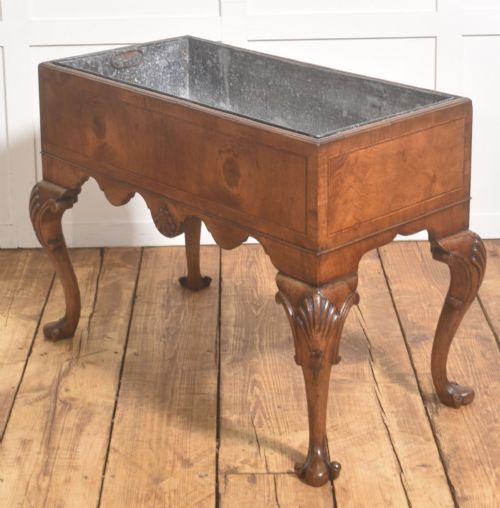
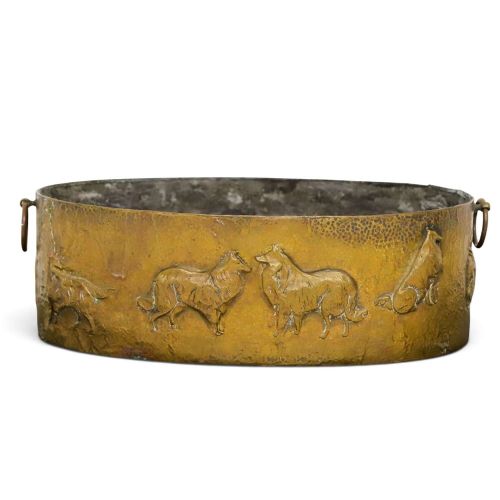
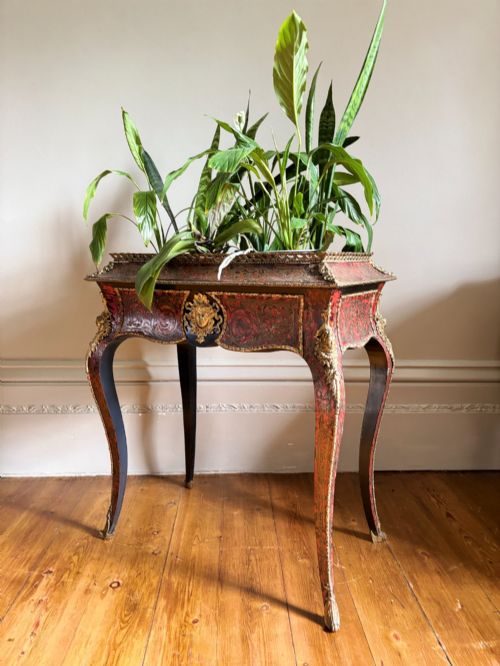
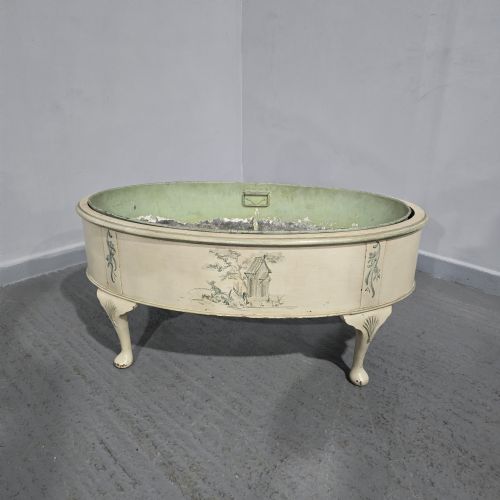
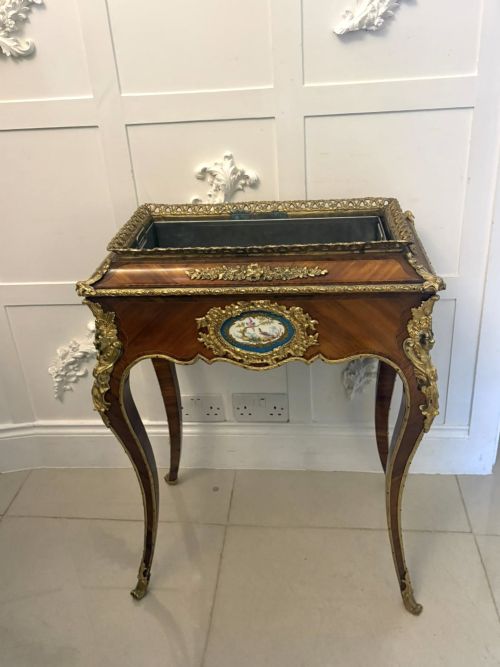
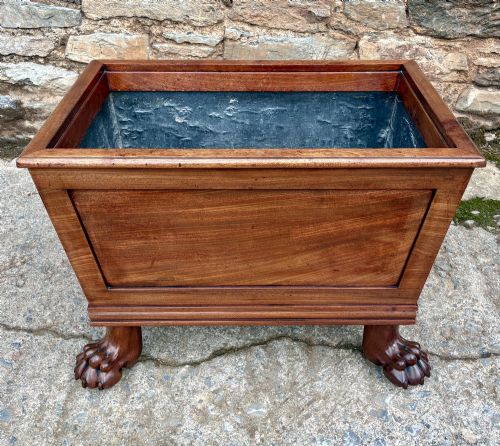
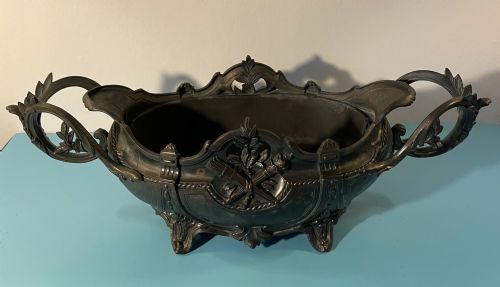
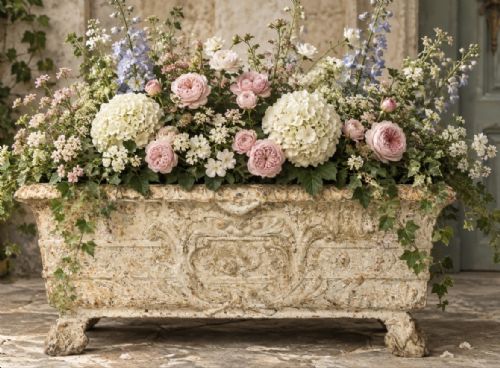
An antique jardiniere trough holds living plants or cuts a distinct figure as a wine cooler in a room.
Antique Jardiniere Trough
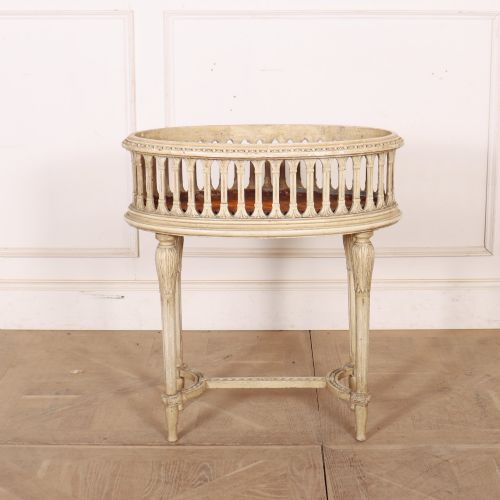
An antique jardiniere trough brings greenery and floral arrangements indoors or onto a patio through vessels shaped as troughs, bowls, and stands. These pieces emerge from the nineteenth and early twentieth centuries, spanning Victorian, Edwardian, and continental European workshops.
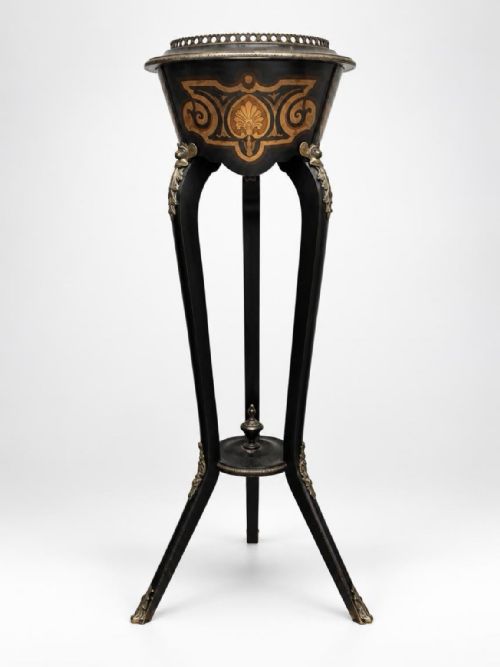
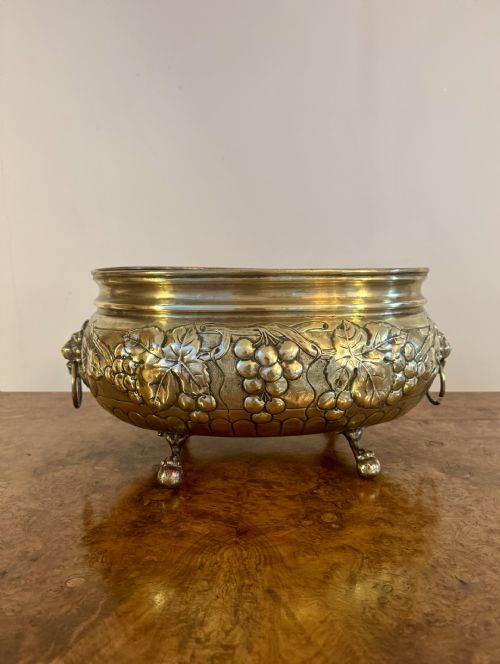
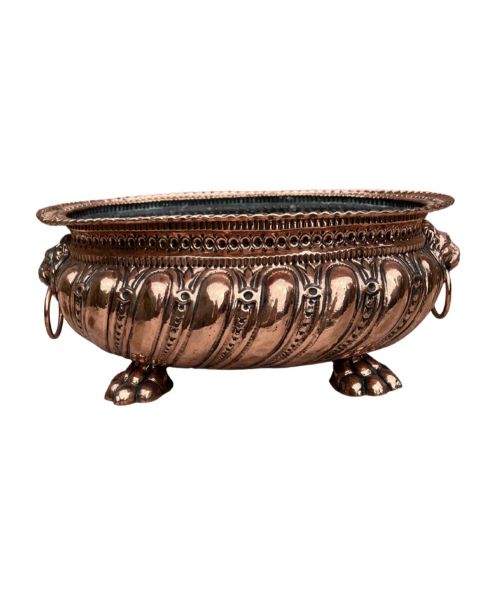
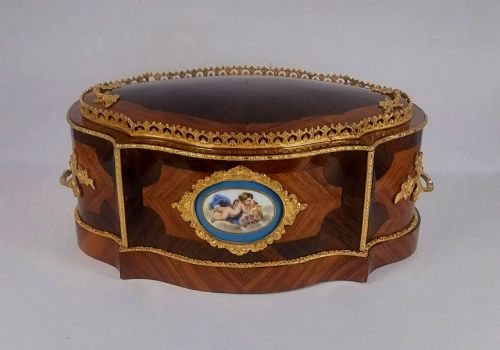
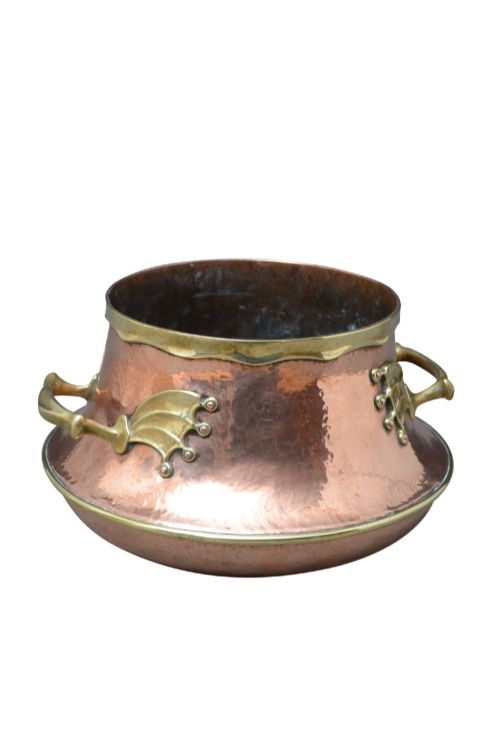
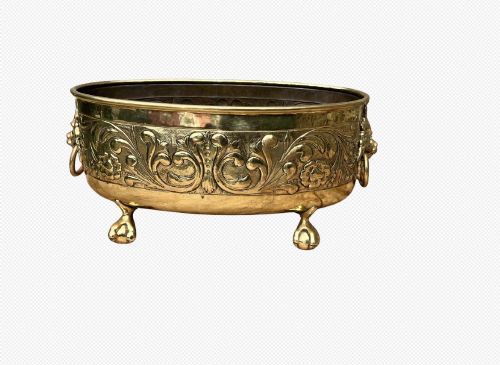
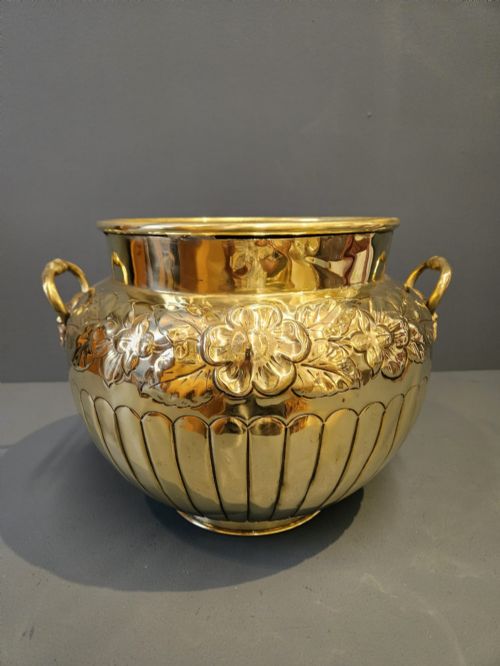
The selections here range from heavy cast iron garden urns and lead planters to refined French ormolu-mounted kingwood, burr walnut, and porcelain plaque planters. Alongside these stand copper, brass, and zinc vessels, often paired with matching plant stands or repurposed as champagne coolers.
Materials and Construction
Makers utilised cast iron, wrought iron, and heavy copper or brass, sometimes shaping the metal with pierced work or mounting it with ormolu and bronze. These metallic vessels frequently incorporate internal liners to contain water and soil.
Cabinetmakers worked in hardwoods such as mahogany, satinwood, kingwood, and olive wood, applying giltwood, cane, or carved details to wooden planter boxes. Ceramic and porcelain examples display majolica glazes, painted surfaces, and export porcelain techniques.
Antique Jardiniere Trough Retail Price Guide 2026
Typical asking prices for jardiniere trough among the pieces listed under this phrase on Sellingantiques today, from the lower quarter to the upper quarter. They describe what is for sale here now, not the wider market.
Some nineteenth-century copper troughs double effortlessly as wine coolers for modern champagne parties.
Execution and Detail
The standard of a piece rests upon the crispness of its cast metal details, the weight of its solid copper or bronze, and the finesse of its wood carving. Ormolu mounts and giltwood enrichments show greater refinement when hand-chased and integrated cleanly into the timber.
Material integrity distinguishes simpler utility items from grand country house centrepieces. Vessels featuring original paint, signed metalwork, or complex porcelain plaques demonstrate superior craftsmanship within their respective periods.
Coalbrookdale
The Antique Jardiniere Trough Glossary
- Jardiniere
- An ornamental pot or stand for holding plants or flowers. These vessels sit upon tables or floors in ceramic, metal, or wood.
- Ormolu
- Gilded bronze used as a decorative mount on furniture and decorative objects. This technique gained widespread use in French cabinetmaking.
- Chinoiserie
- European artistic styles reflecting Chinese artistic influences. This aesthetic appears on eighteenth-century export porcelain pieces.
Antique Jardiniere Trough: Frequently Asked Questions
What is an antique jardiniere trough used for?
These vessels house potted plants, ferns, or floral displays inside domestic rooms and conservatories. Alternatively, they serve as wine coolers or champagne troughs during gatherings.
Their robust construction in metal, ceramic, or wood allows them to function outdoors on patios as garden urns and planters.
How do I care for a metal planter?
Metal vessels in brass, copper, or cast iron benefit from gentle cleaning to preserve their surface finishes. Using internal liners protects the historic metal from moisture and soil erosion.
Avoid abrasive polishes that strip original patination built up over centuries of handling.
Are these troughs suitable for outdoor use?
Cast iron, lead, and wrought iron pieces withstand outdoor garden environments and patio placement. Porous ceramics, giltwood, and fine cabinet timbers require indoor placement protected from frost and damp weather.
Checking the material composition in each listing ensures the piece matches your intended setting.
How do I identify a Victorian planter?
Victorian examples often employ heavy cast iron, pierced brass, or dense copper with ornate surface decoration. They frequently reflect revival styles or industrial metalworking techniques characteristic of the nineteenth century.
Comparing the listed period details with the material types helps confirm the age of the vessel.