


Antique Jardiniere Holder
An antique jardiniere holder brings living greenery indoors, combining functional plant housing with decorative metalwork and timber craftsmanship from past centuries.
Antique Jardiniere Holder
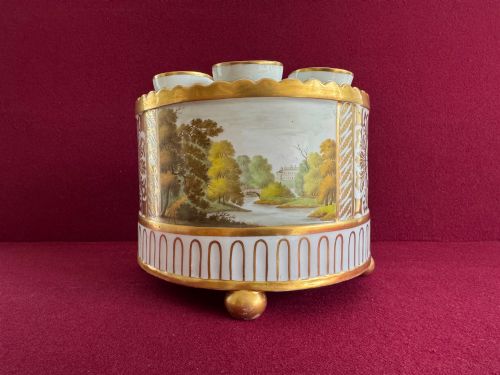
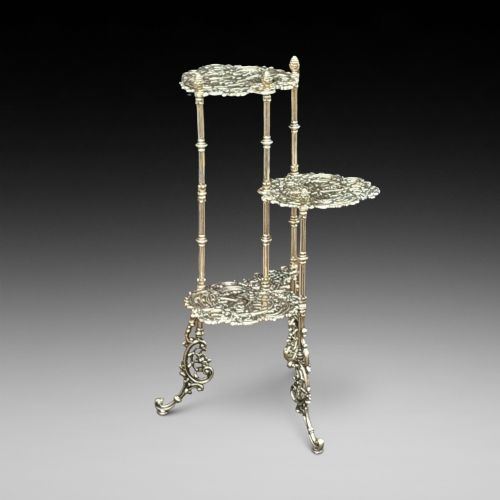
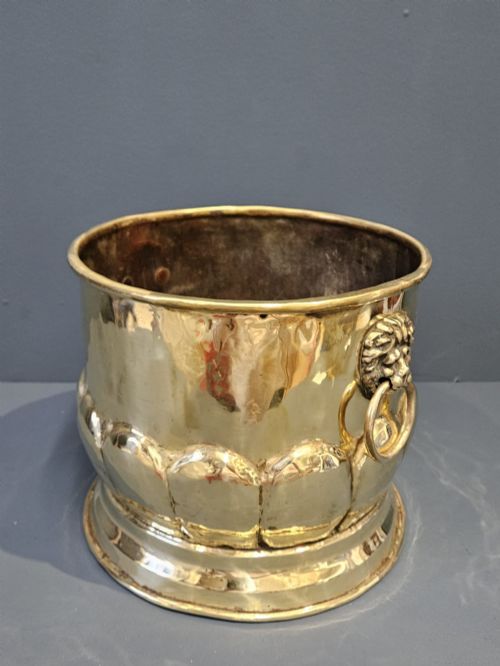
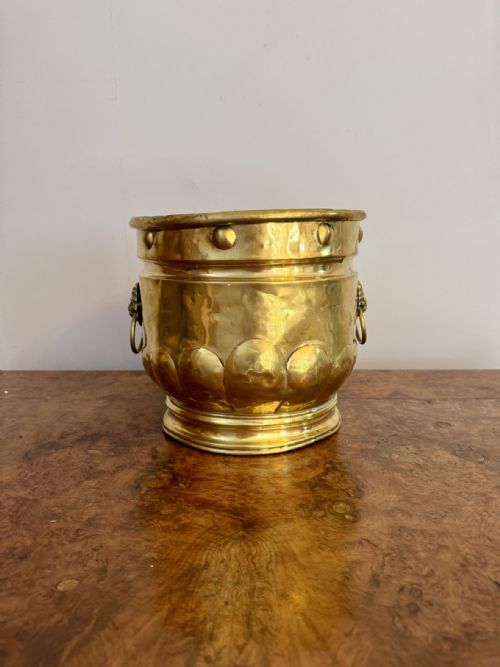
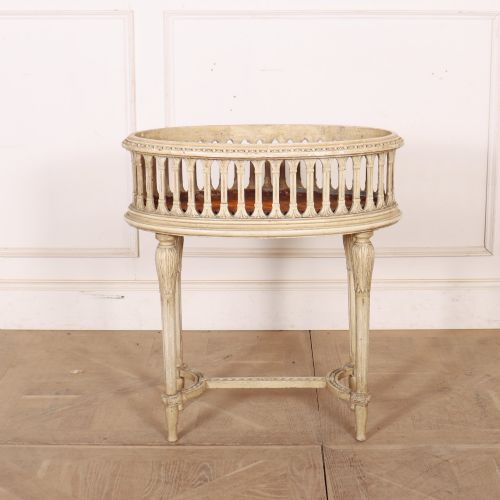
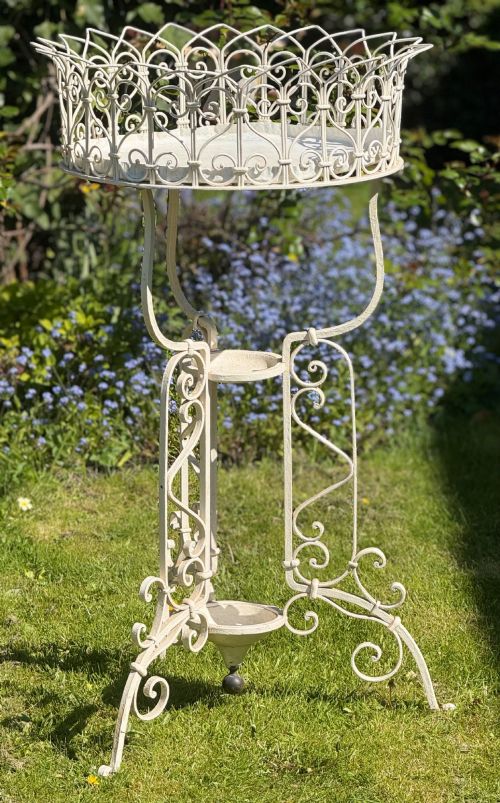
An antique jardiniere holder encompasses freestanding plant stands, cachepots, and bough pots designed to display botanical specimens within domestic interiors. When searching for an antique jardiniere holder, buyers encounter various forms ranging from floor-standing wrought iron and mahogany plant stands to tabletop brass and copper vessels.
The selections span multiple periods, with Victorian and Edwardian examples appearing frequently alongside 18th-century pieces. Common configurations include tiered stands, cylindrical planters, and vessels mounted on dedicated bases or original supports.
Materials vary widely across these items, incorporating hardwoods, ceramics, and heavy metals. Originating from British, French, Dutch, and Indian workshops, these pieces reflect the interior styling of their respective eras.
How They Were Made
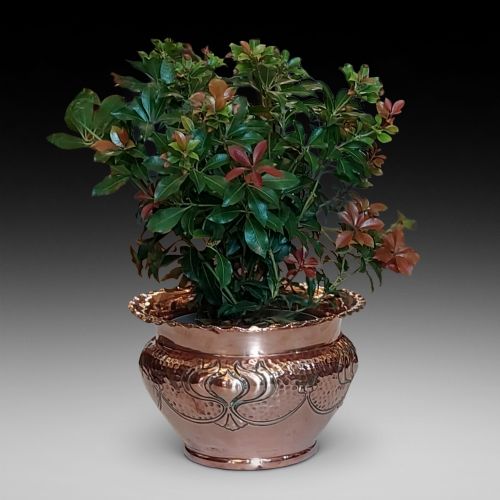
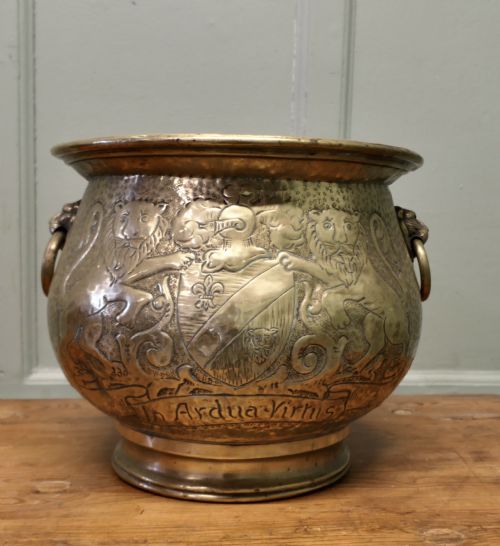
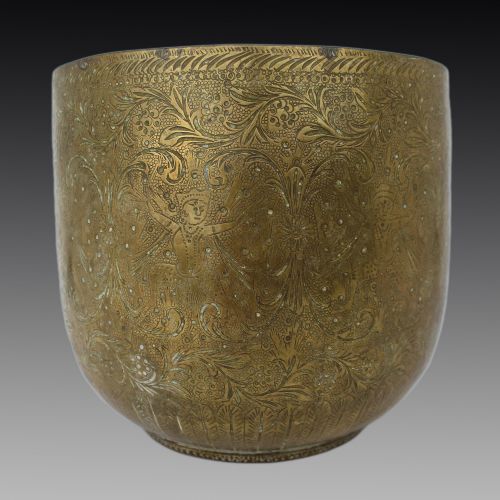
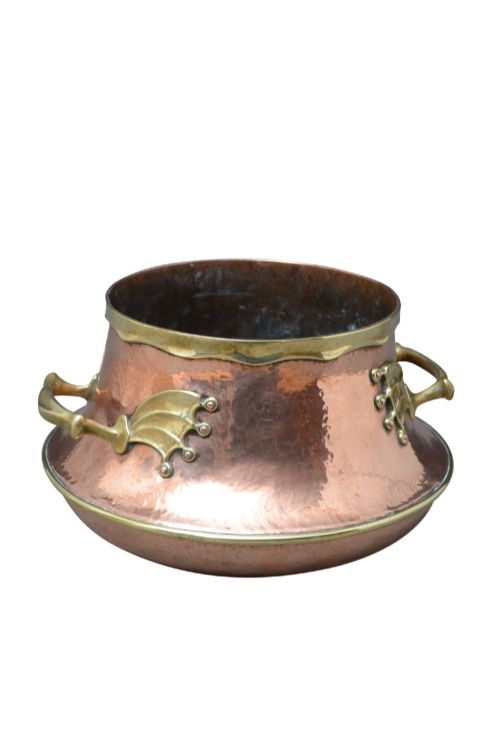
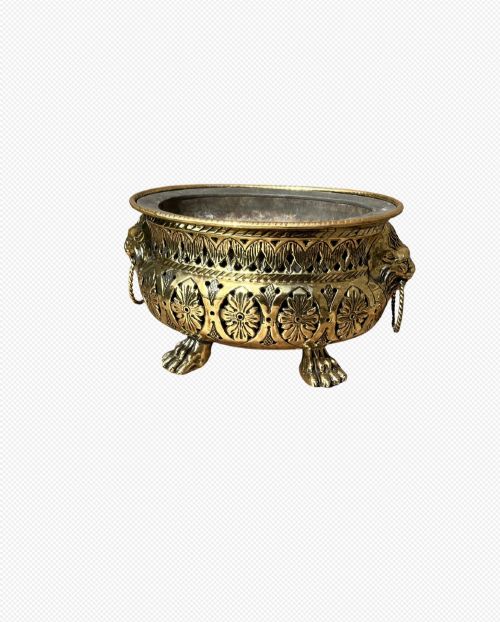
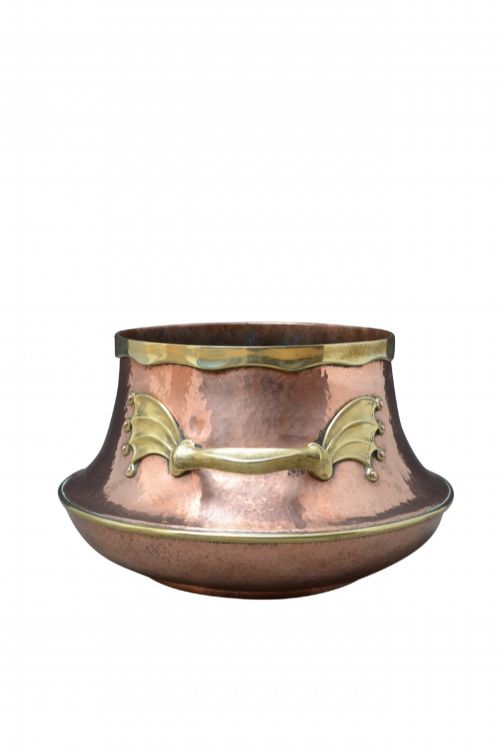
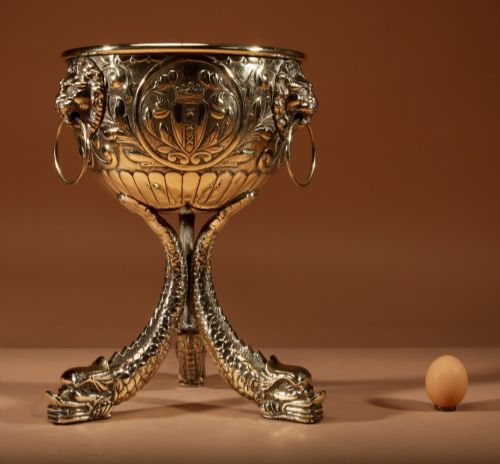
Metal vessels rely on techniques such as hammering, piercing, embossing, and casting. Brass and copper dominate the metallic pieces, often shaped into heavy planters or decorative cachepots adorned with shields, crests, or stylized motifs.
Timber examples utilise mahogany, burr walnut, kingwood, and box tree. Carpenters employed fine joinery and inlay work to construct sturdy plant stands and tiered display units suited for heavy pots.
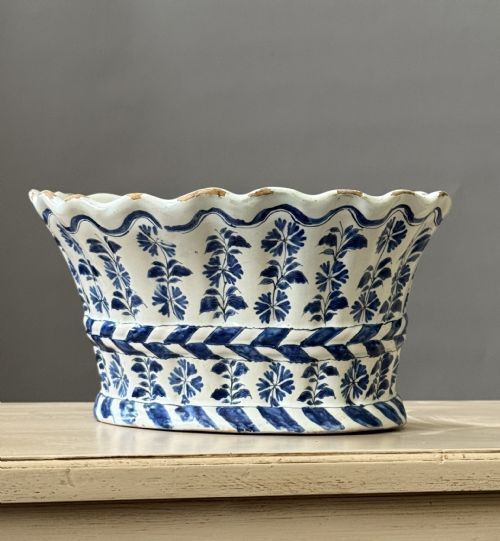
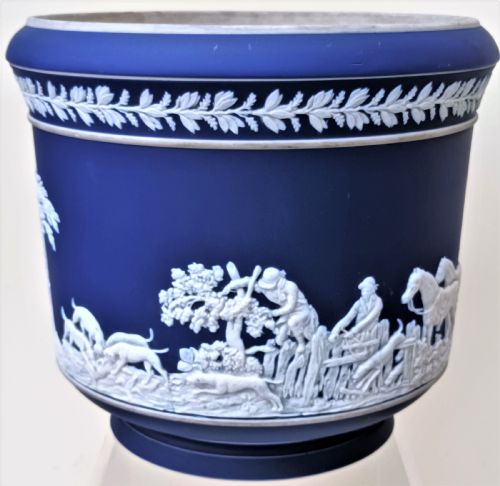
Ceramic and earthenware pieces involve moulded porcelain, Delftware, jasper ware, and majolica. These glazed and painted pots provide durable linings or standalone containers for indoor flora.
Antique Jardiniere Holder Retail Price Guide 2026
Typical asking prices for jardiniere holder among the pieces listed under this phrase on Sellingantiques today, from the lower quarter to the upper quarter. They describe what is for sale here now, not the wider market.
What Varies in Quality
The standard of metalwork dictates quality in brass and copper vessels. Crisp hammering, detailed piercing, and well-cast mounts demonstrate superior craftsmanship compared to plain or heavily worn surfaces.
Timber construction quality relies on the selection of fine veneers, such as burr walnut or kingwood, and the precision of inlaid details. Structural integrity in tiered stands and original matching bases separates finer examples from utilitarian pieces.
Ceramic items depend on the clarity of glaze, painted details, and the preservation of moulded reliefs. Intact handles, matching covers, and legible maker marks elevate individual pieces within the ceramic range.
William Adams And Sons·Royal Doulton
The Antique Jardiniere Holder Glossary
- Jardiniere
- A decorative pot or container for holding plants or flowers. These vessels often sit on dedicated stands or directly on the floor.
- Cachepot
- An ornamental pot used to conceal an ordinary flower pot. They typically lack drainage holes at the base.
- Bough pot
- A vessel designed for holding cut tree boughs or floral arrangements. These containers date back to the Georgian and earlier periods.
- Dinanderie
- Objects made of beaten or engraved brass, copper, or bronze. The term derives from the Belgian town of Dinant.
- Jasper ware
- A type of pottery developed by Josiah Wedgwood featuring a vitreous unglazed fine stoneware body. It frequently displays white relief figures on a coloured background.
Antique Jardiniere Holder: Frequently Asked Questions
What is an antique jardiniere holder?
An antique jardiniere holder is a decorative vessel or stand designed to display indoor plants and flowers. These pieces include floor stands, cachepots, and plant tables.
Craftsmen built them from materials such as brass, copper, wrought iron, and fine hardwoods like mahogany and walnut. They served both practical and decorative functions in historical homes.
Are brass and copper planters original?
Many metal planters retain their original surface patination, hammered textures, and mounting hardware. Some pieces include matching original stands or liners.
Construction methods like hand-piercing and embossing indicate period manufacturing techniques. Makers often incorporated crests, shields, or stylistic motifs specific to their era.
How do I care for wooden plant stands?
Wooden plant stands require protection from excessive moisture and direct sunlight to preserve the timber and veneer. Regular dusting and occasional waxing maintain the polished finish.
Using waterproof liners inside wooden planters prevents water damage to the underlying structure. This preserves the original mahogany, walnut, or inlaid surfaces.