





Antique Japanese Wood
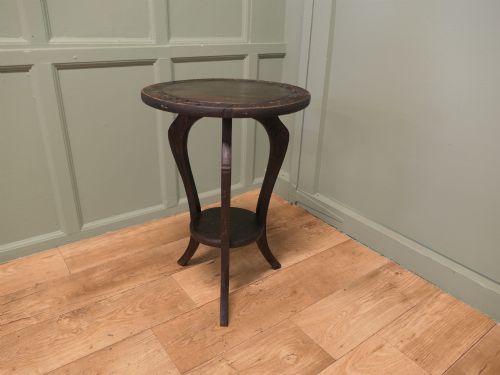
These pieces of antique Japanese wood bring together intricate carving, rich lacquer work and practical cabinetry from the Meiji period and beyond.
Antique Japanese Wood
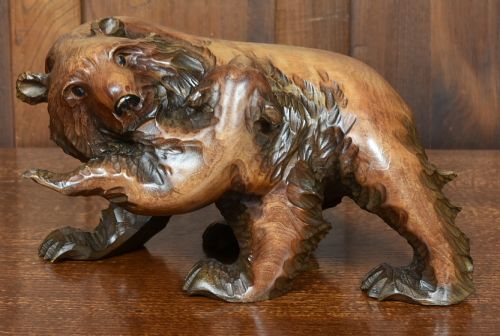
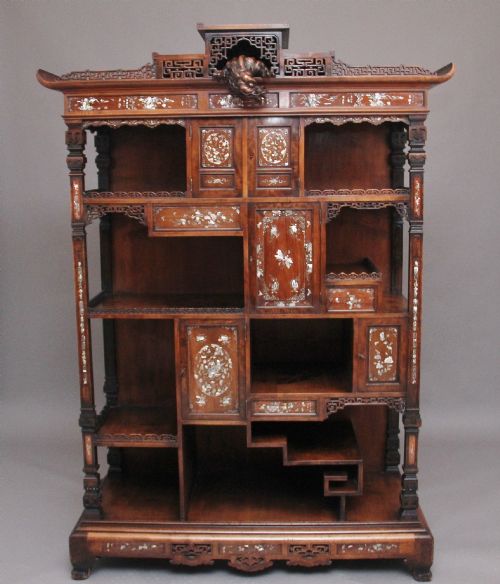
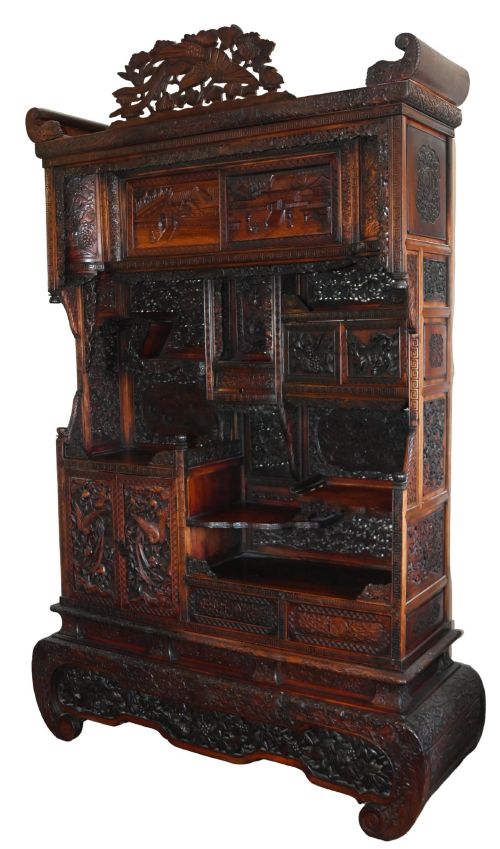
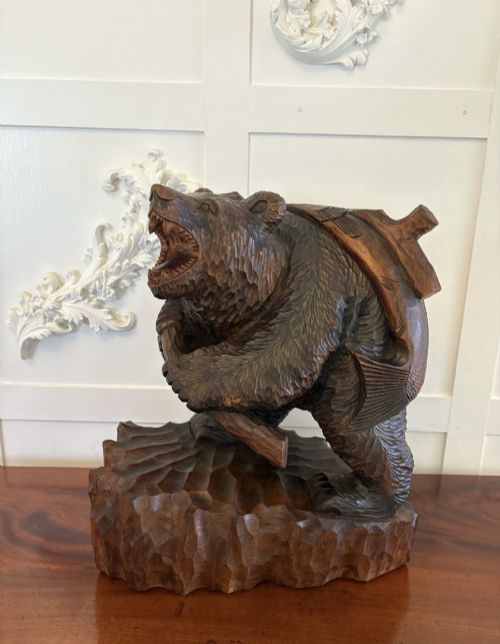
When you search for antique Japanese wood, you encounter everything from elaborate display cabinets and kitchen tansu to folk art bear sculptures carved from cedar and linden. The most common pieces on this page originate from the nineteenth century, particularly the Meiji period, reflecting a rich tradition of craftsmanship in hardwoods and lacquer.
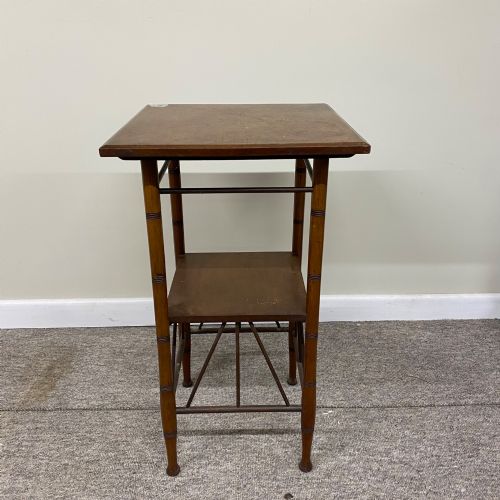
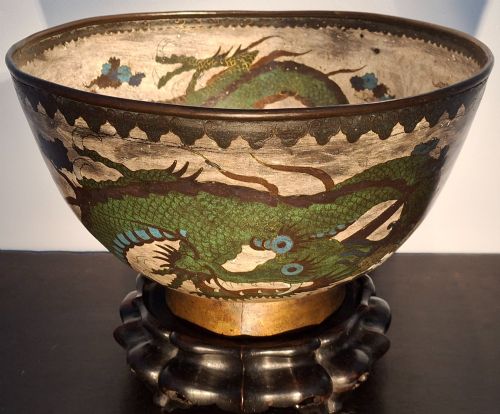
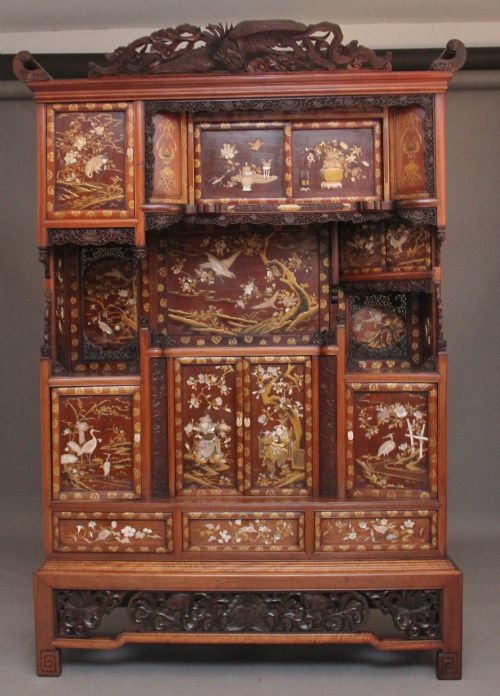
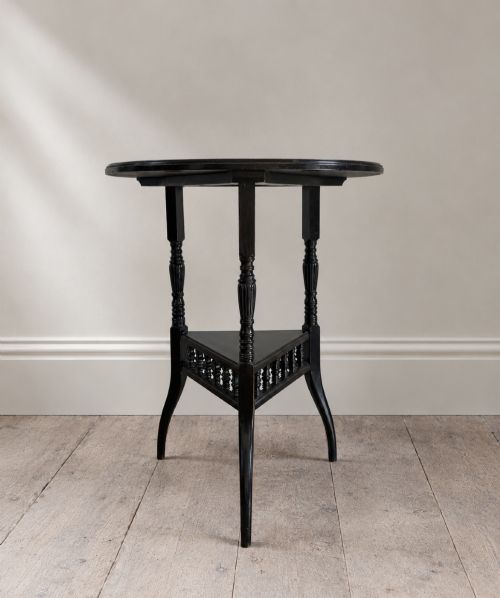
The selection ranges from large architectural items like shodana cabinets and rolling kuruma-dansu to smaller functional objects including hibachi tables, brush pots and smoking ensembles. European interpretations in the Aesthetic Movement and Japonisme styles also appear, showing how makers integrated Eastern motifs into Western furniture forms.
Domestic storage pieces such as apothecary drawers and larder cupboards sit alongside decorative folding screens and table screens inlaid with bone. Each object demonstrates a distinct function rooted in Japanese daily life or artistic exhibition.
How They Were Made
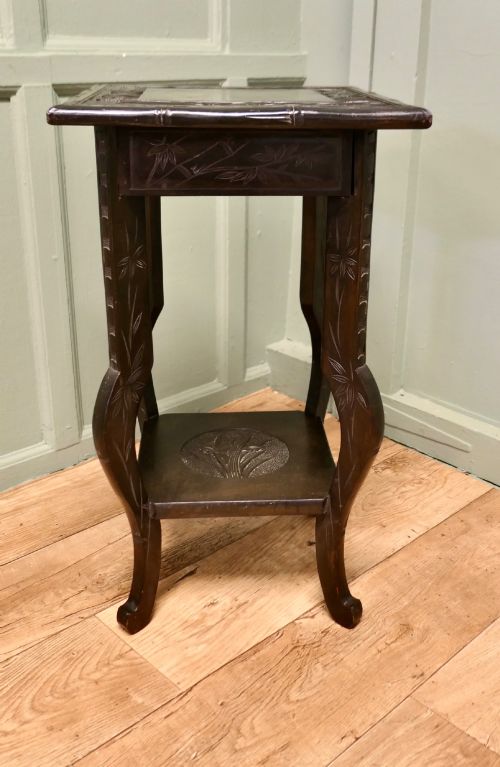
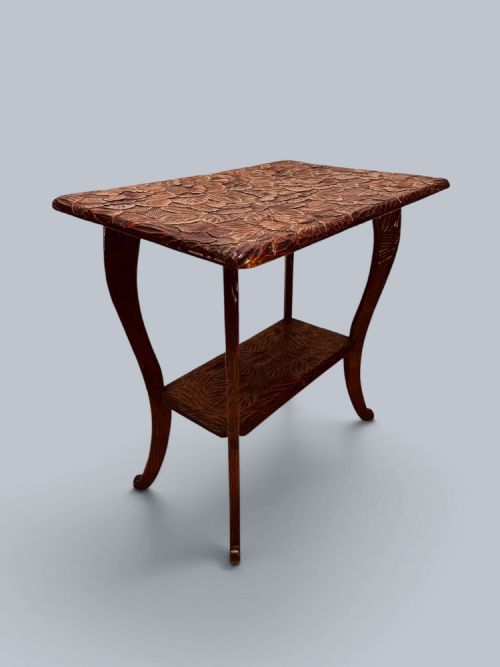
Craftsmen utilised various native and imported timbers, including dense hardwoods, cedar, mahogany, and linden, often enhanced with deep carving or smooth lacquer surfaces. Joinery relied on precise traditional methods that allowed wooden structures to expand and contract without metal fixings.
Surface decoration frequently incorporated inlaid materials such as mother-of-pearl and bone, alongside intricate metal fittings on tansu chests. Ebonising and lacquer finishes provided deep, reflective sheens that defined both Japanese export wares and European Japonisme furniture.
Antique Japanese Wood Retail Price Guide 2026
Typical asking prices for japanese wood among the pieces listed under this phrase on Sellingantiques today, from the lower quarter to the upper quarter. They describe what is for sale here now, not the wider market.
Listings span the nineteenth century through the early twentieth century, incorporating traditional Japanese tansu alongside European Aesthetic Movement furniture.
What Varies in Quality
The distinction between standard utility items and exceptional works lies in the depth and precision of the hand-carved relief and the integrity of the timber. Finely rendered figures on cabinets and sculptures show meticulous attention to anatomical detail and texture, whereas simpler pieces exhibit broader, more utilitarian execution.
The complexity of the internal joinery and the preservation of original lacquer or surface finishes also determine the standing of a piece. Original hardware on tansu chests and undamaged inlay work elevate the overall execution significantly.
The Antique Japanese Wood Glossary
- Shodana
- A traditional Japanese display cabinet featuring asymmetrical shelving and sliding doors. These pieces were designed for presenting art objects and ceramics.
- Tansu
- A traditional Japanese mobile storage chest built from timber with robust iron or copper mounts. These cabinets served various domestic storage needs, from clothing to kitchen equipment.
- Hibachi
- A traditional Japanese heating device or brazier constructed from wood and lined to hold charcoal. They often double as low tables or domestic containers.
- Japonisme
- A Western artistic style that incorporates Japanese design principles and motifs into European furniture and decorative arts. This movement gained prominence during the late nineteenth century.
- Shibayama
- A technique of inlaying decorative objects with materials such as shell, ivory and bone to create intricate pictorial designs. Items featuring this work display high levels of miniaturist skill.
Antique Japanese Wood: Frequently Asked Questions
What is a tansu?
A tansu is a traditional Japanese storage chest built from wood and fitted with metal hardware. These pieces served practical domestic purposes, ranging from clothing storage to kitchen organisation.
Many feature wheels for mobility or complex systems of small internal drawers. Their construction emphasises functional utility combined with robust joinery.
How do I identify Meiji period woodwork?
Woodwork from the Meiji period often displays high levels of decorative carving, including naturalistic motifs, animals and figures. These items frequently date from the late nineteenth century and reflect the opening of Japan to international trade.
Master craftsmen produced both traditional furniture for domestic use and elaborate decorative pieces intended for export. The presence of dense hardwoods and intricate bone inlay is typical of this era.
What are Japanese hibachi used for?
Hibachi are traditional devices originally designed to hold burning charcoal for room heating or boiling water. They typically take the form of wooden boxes lined with heat-resistant materials.
In modern interiors, they function well as low accent tables or decorative plant stands. Their compact forms make them adaptable additions to various living spaces.
How do I care for antique lacquer?
Antique lacquer surfaces require protection from direct sunlight and extreme humidity fluctuations to prevent warping or cracking. Dusting should be done gently with a soft, dry cloth without chemical polishes.
Maintaining a stable indoor climate preserves the integrity of the finish. Proper handling ensures the delicate surface sheen remains intact over time.