





Antique Japanese Art Vases
These antique japanese art vases span the Meiji, Taisho, and Showa periods, bringing exceptional metalwork, porcelain, and earthenware into modern interiors.
Antique Japanese Art Vases
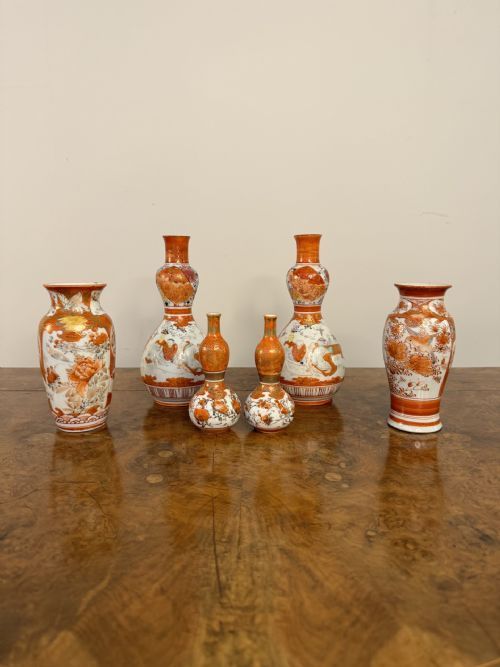
When buyers search for antique japanese art vases, they encounter diverse vessel forms ranging from tall slender necks and flared shapes to decorative baskets, jardinieres, and heavy jars.
The majority of pieces date from the Meiji period through the Taisho and Showa eras, reflecting shifting aesthetics across late nineteenth and early twentieth-century workshops.
Makers utilised earthenware, stoneware, porcelain, bronze, and copper to create both restrained display vessels and richly decorated sculptural forms.
Materials and Technique
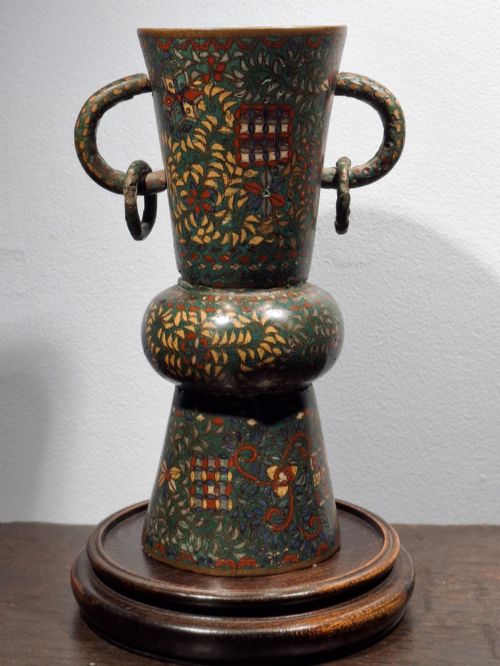
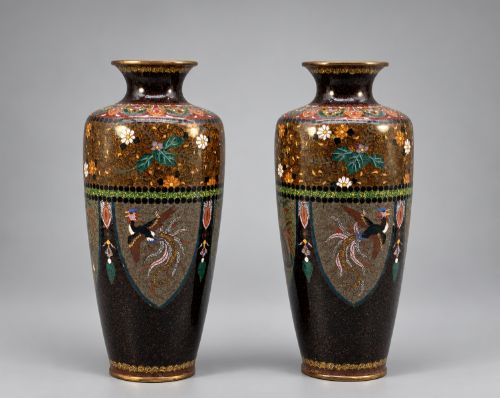
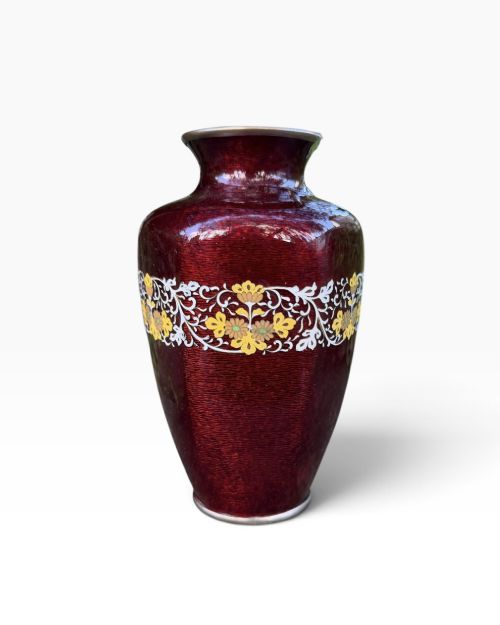
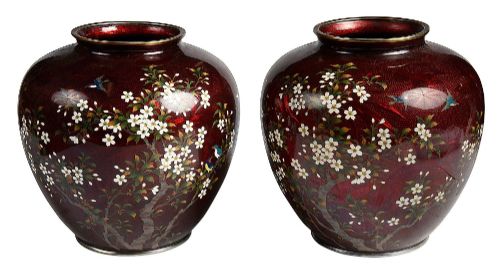
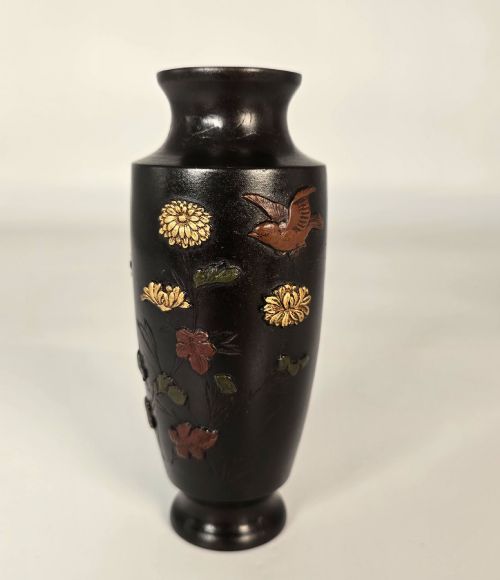
Metalsmiths employed bronze, copper, and mixed metals to cast robust vases, frequently incorporating silver wire for intricate cloisonne enamelling and basse-taille red ginbari effects.
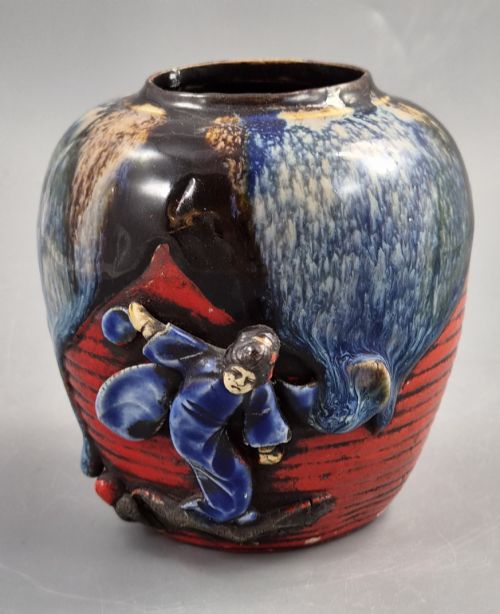
Potters shaped earthenware and porcelain before applying complex glazes, including blue and lavender flambe finishes, alongside intricate hand-painted Satsuma and Kutani details.
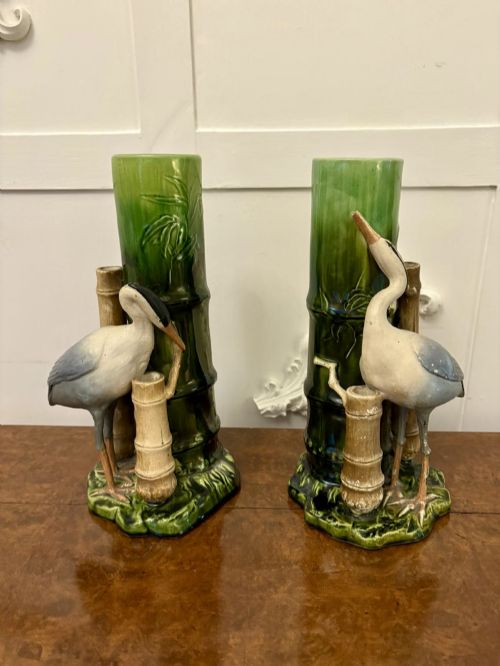
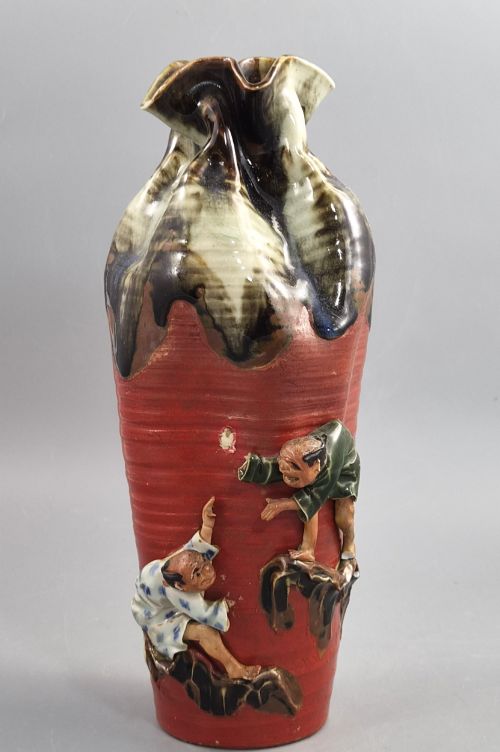
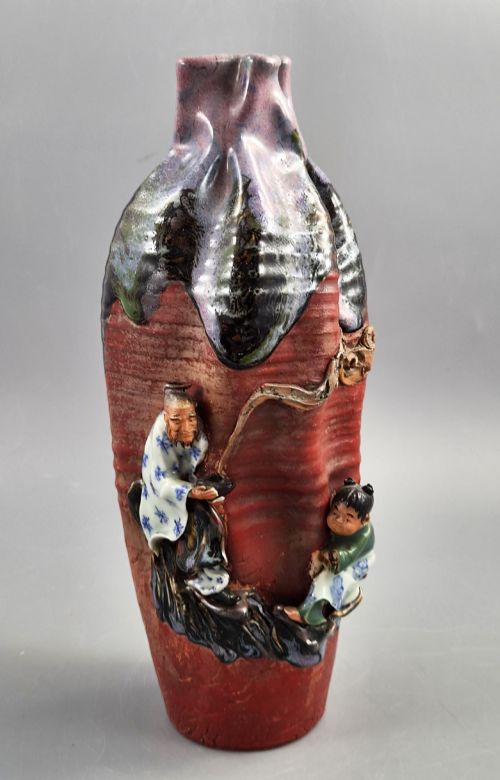
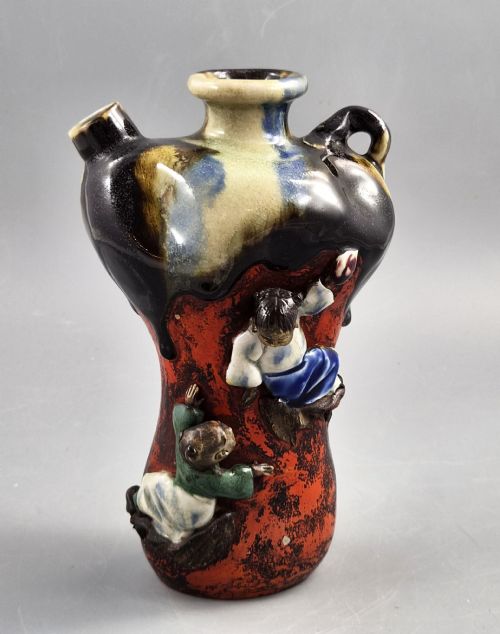
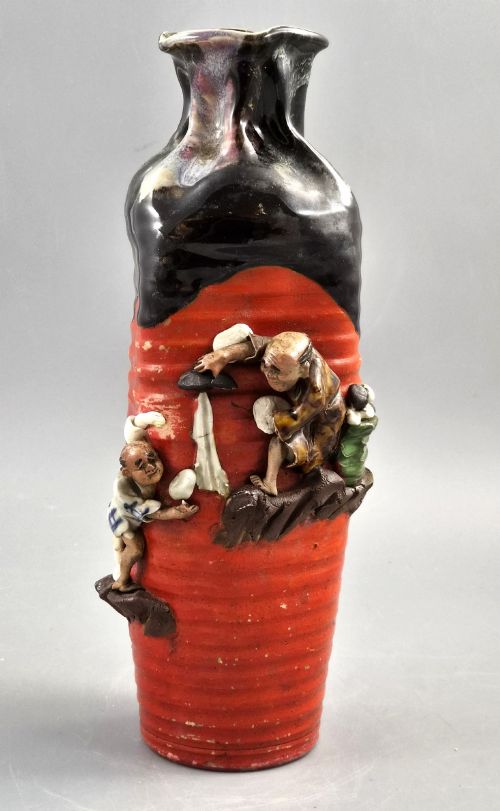
Sumida Gawa pieces often feature applied figures and pinched sack rims on textured earthenware bodies, demonstrating distinct modelling techniques.
Antique Japanese Art Vases Retail Price Guide 2026
Typical asking prices for japanese art vases among the pieces listed under this phrase on Sellingantiques today, from the lower quarter to the upper quarter. They describe what is for sale here now, not the wider market.
The listings show periods ranging from the late nineteenth century through the 1950s, encompassing earthenware, bronze, porcelain, and enamel.
Judgement of Quality
Excellence rests on the precision of the execution, whether in the tightness of silver wire cloisonne cells, the crispness of bronze casting, or the delicacy of hand-painted Satsuma enamel work.
Signed works by recognised names demonstrate a higher tier of studio skill compared to unmarked production pieces from the same era.
The harmony between form, glaze depth, and decorative relief dictates the overall success of each vessel.
Inoue Ryosai·Manpei·Hotoda·Makuzu Kozan·Ando Jubei·Tamura Yukio·Kinkozan
The Antique Japanese Art Vases Glossary
- Cloisonne
- Enamelling technique where metal wire creates small compartments on a metal base, which are then filled with paste and fired. This method results in intricate geometric and floral surface patterns.
- Satsuma
- Earthenware pottery featuring a crackle-glaze finish decorated with polychrome enamels and gold leaf. It originated in Kagoshima province and gained popularity for export during the Meiji period.
- Flambe
- Glaze fired under reduction conditions that produces mottled, streaked, or opalescent colour effects. The technique creates unpredictable pools of blue, red, and lavender across the ceramic body.
- Imari
- Japanese porcelain decorated underglaze in blue and overglaze in iron red, gold, and other colours. Exported extensively, these pieces display dense, vibrant floral and brocade designs.
- Bronze
- Alloy of copper and tin utilised for heavy cast vessels and mixed metal decoration. It provides a durable foundation for patination and applied sculptural elements.
Antique Japanese Art Vases: Frequently Asked Questions
How do I identify a Meiji period vase?
Meiji period vases often display distinct marks, dense decorative motifs, and superior metallurgical or ceramic execution characteristic of late nineteenth-century export standards.
Examining the base for artist signatures or workshop seals helps confirm the production era alongside stylistic indicators like mixed metal use or cloisonne wiring.
What is Sumida Gawa pottery?
Sumida Gawa pottery refers to distinctive earthenware vessels featuring heavily textured flambe glazes and high-relief modelled figures climbing the exterior.
Originating around Tokyo, these pieces are frequently associated with workshops such as Inoue Ryosai and display a deliberately rustic, tactile finish.
How should I display a bronze vase?
Bronze vases suit minimalist surfaces where their patination and cast forms can be appreciated without visual competition.
Keeping them away from direct moisture protects the metal surface while allowing natural light to highlight the mixed metal details or sculptural relief.
Are Satsuma vases painted by hand?
Satsuma wares feature intricate hand-painted enamel and gold leaf designs applied over a distinctive cream-coloured crackle glaze.
Close inspection under magnification reveals the brushwork and enamel relief that separate fine artist-signed pieces from later mass-produced items.