


Antique Ivory Carpet
An antique ivory carpet brings light and intricate woven pattern into a room, spanning traditional Persian, Caucasian, and Anatolian designs.
Antique Ivory Carpet
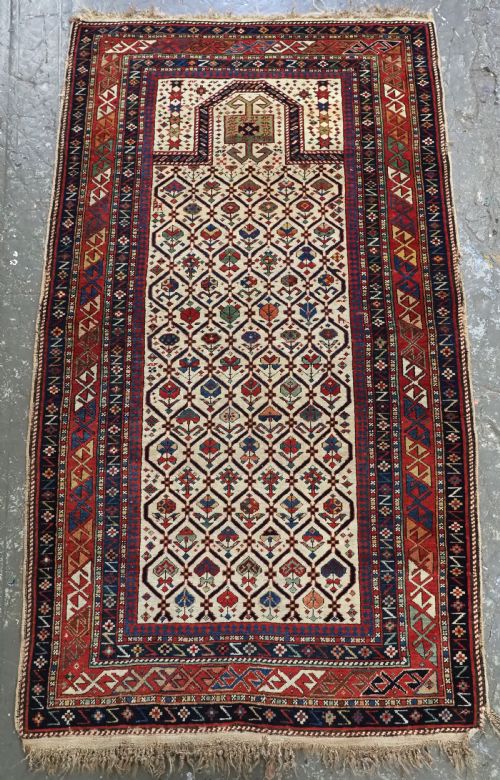
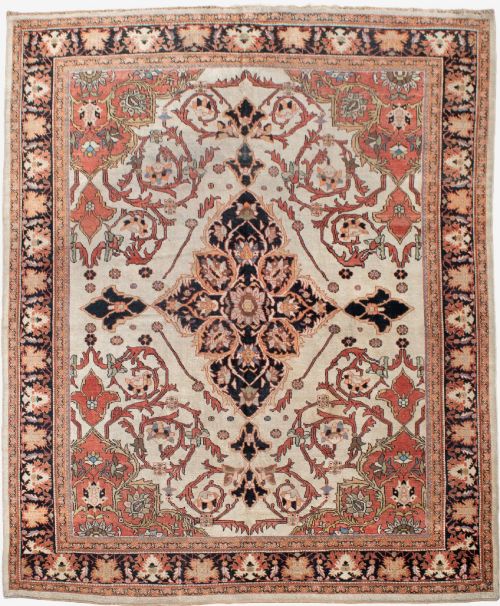
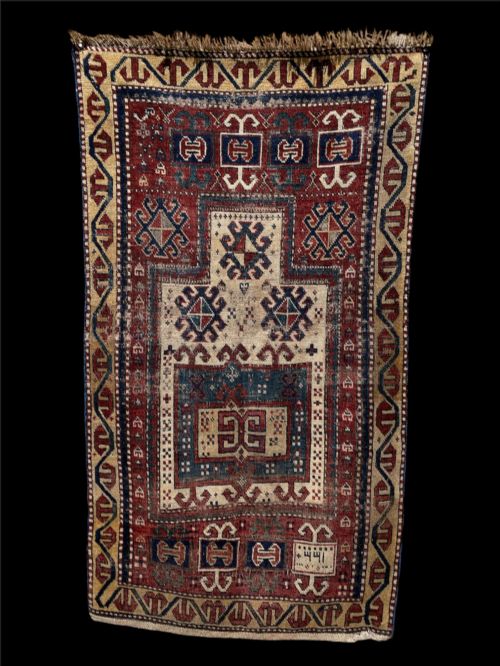
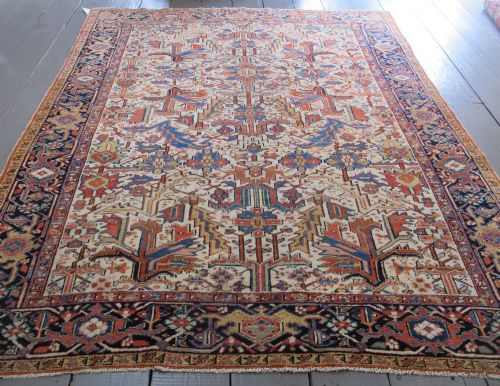
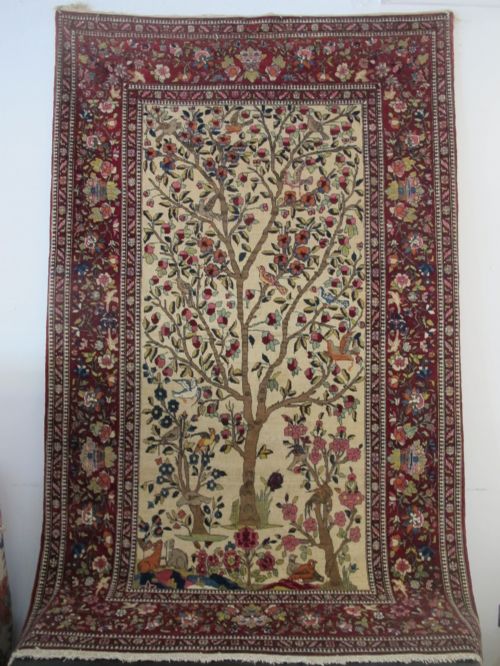
When searching for an antique ivory carpet, buyers encounter hand-knotted and woven floor coverings that span from the late nineteenth century into the early decades of the twentieth century. These pieces originate predominantly from weaving traditions across Persia, the Caucasus, and Anatolia, encompassing large room-size carpets as well as smaller scatter rugs and tribal faces. The ivory ground variants serve as a luminous neutral foundation, often contrasted with detailed geometric or floral motifs.
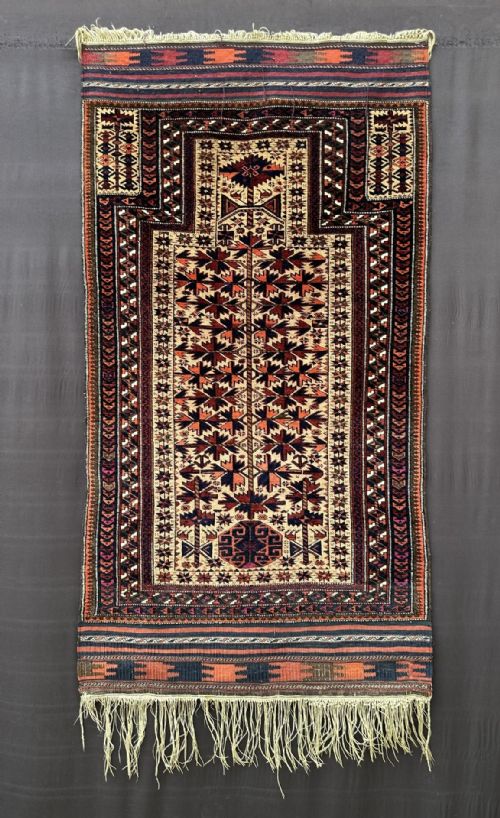
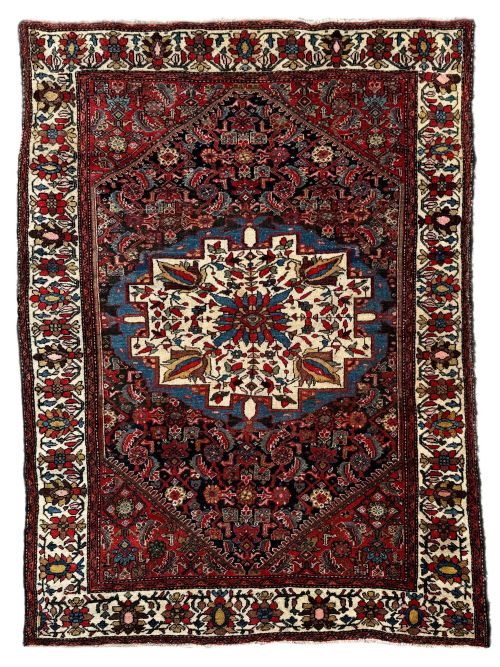
The selection includes village and nomadic works alongside workshop productions from established centres like Tabriz, Mahal, and Kashan. Stylistic categories range from traditional Persian medallions to Caucasian prayer rugs and Turkmen tribal trappings. Buyers frequently meet pieces featuring soft pastel palettes or stark botanical lattices set against pale wool fields.
Materials and construction
Weavers constructed these textiles primarily using wool and cotton foundations, occasionally incorporating silk highlights for added texture and definition. The pile typically consists of hand-spun wool, dyed with natural colorants that yield deep yet harmonious tones over decades of ageing. Foundation warps and wefts of sturdy cotton or wool provide the structural integrity required for daily use.
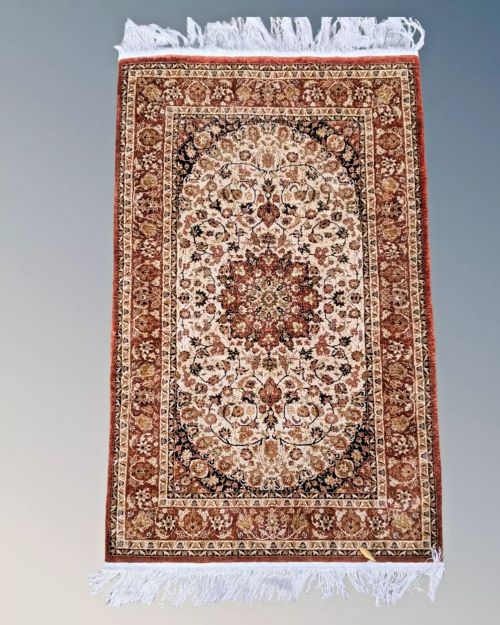
Nomadic and village pieces often display heavier hand-spun wool with asymmetrical or symmetrical knots tied by individual makers. City workshop carpets from centres like Isfahan or Tabriz utilise finer knot densities on cotton foundations, allowing for intricate curved floral designs and precise medallion layouts.
Several small village rugs unexpectedly sneak butterflies into their ivory borders, proving that early weavers enjoyed a touch of whimsy.
Assessing quality and craftsmanship
Quality in these woven works depends heavily on the fineness of the knotting and the clarity of the design execution. Tighter knots per square inch generally allow for sharper geometric angles and more sophisticated curvilinear floral patterns, distinguishing finer workshop pieces from simpler village outputs.
The choice of materials and dye consistency also dictate the overall success of the piece. Natural dyes age with a characteristic depth and harmonious patina, whereas structural integrity relies upon secure selvedges and even pile wear across the ivory ground.
Ziegler and Co
The Antique Ivory Carpet Glossary
- Ivory ground
- A background colour dominated by pale off-white or cream tones, which serves to highlight the surrounding border and medallion colours. This neutral field makes the secondary motifs stand out sharply.
- Prayer rug
- A small rug featuring a mihrab or arched design at one end, traditionally used for individual prayer. These pieces often display directional floral lattices or geometric motifs.
- Medallion
- A central ornamental design motif placed in the middle of the carpet field. It anchors the composition of traditional Persian and Anatolian weaving.
- Boteh
- A stylised almond or pear-shaped motif of Persian origin, representing a floral or cypress shoot. It appears frequently in repeating patterns across fields and borders.
- Knot density
- The number of knots per unit area on the reverse of the rug, influencing the intricacy and durability of the design. Higher density typically indicates workshop production rather than tribal weaving.
Antique Ivory Carpet: Frequently Asked Questions
How do I care for an antique ivory carpet?
Protect the wool pile from direct sunlight to prevent fading of the natural dyes and pale ivory ground. Vacuum gently with suction only, avoiding revolving brush heads that can pull at the hand-spun fibres.
Rotate the carpet periodically to ensure even wear across high-traffic areas in a room. Consult a specialist textile conservator for professional washing rather than attempting home chemical cleaning.
Where were these carpets originally made?
The pieces originate primarily across Persia, the Caucasus, Anatolia, and Central Asia. Specific regions include workshop cities like Tabriz and Mahal, alongside tribal areas of the Caucasus and Baluchistan.
Each weaving region developed distinct colour palettes, wool qualities, and structural characteristics. These regional traits help identify the likely origin of an unmarked village or nomadic piece.
What is a prayer rug?
A prayer rug is a smaller format textile traditionally used by individuals for daily prayers. It is typically distinguished by a distinct arched architectural motif known as a mihrab at one end.
These pieces were woven in various regions including the Caucasus, Anatolia, and Persia. Their compact size made them portable and versatile for domestic use.
How can I tell the age of a rug?
Age is determined by analysing the materials, dye types, construction techniques, and stylistic wear patterns. Hand-spun wool and natural dyes generally point to nineteenth or early twentieth-century production.
Structural details such as selvedge construction and fringe condition also offer clues to the period. Comparing motifs against documented regional examples helps narrow down the approximate decade of manufacture.