




Antique Italian Wall Table
An antique italian wall table brings architectural presence to a room, combining carved timber and marble tops in grand European style.
Antique Italian Wall Table
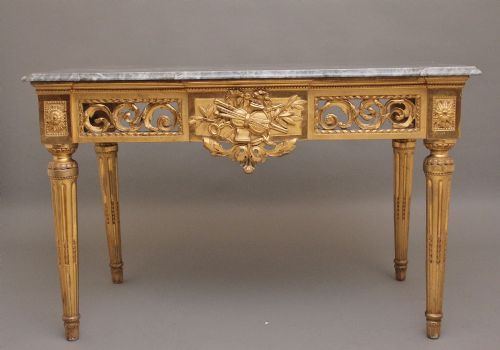
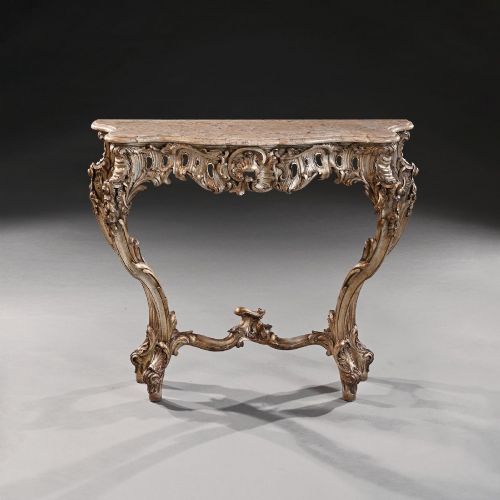
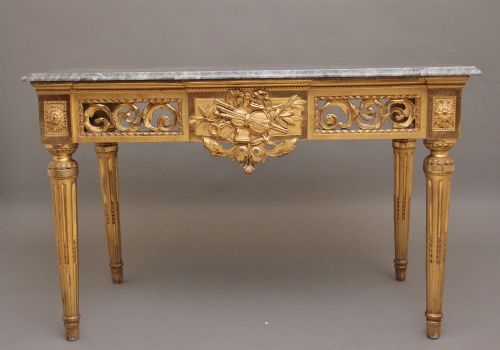
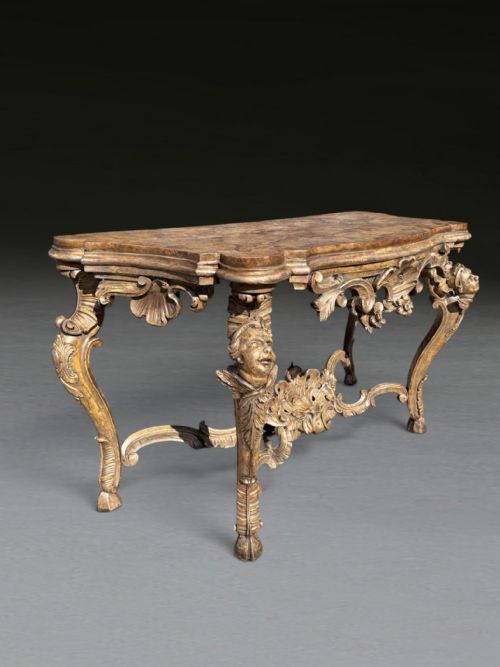
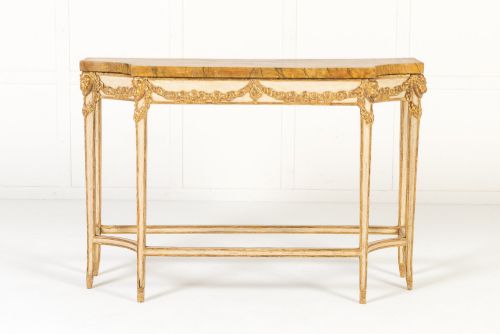
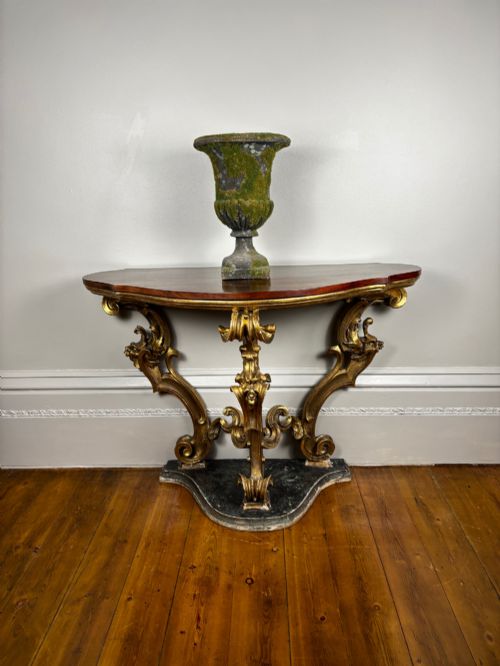
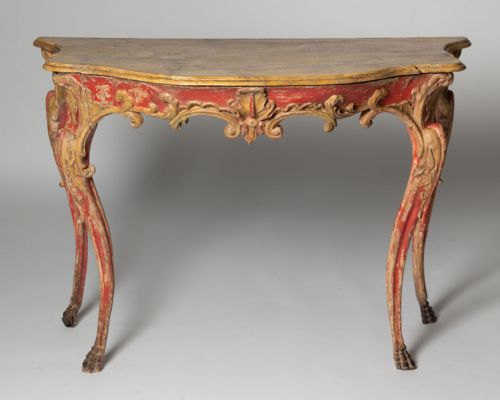
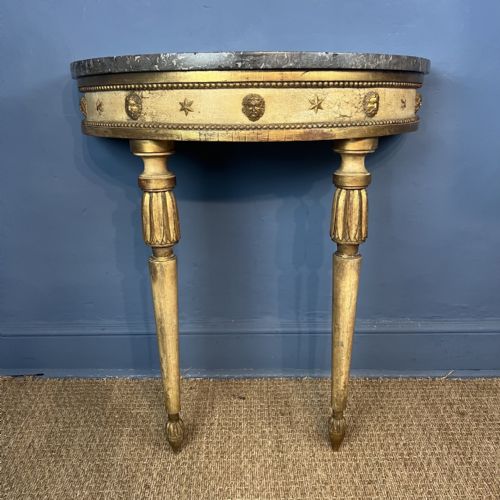
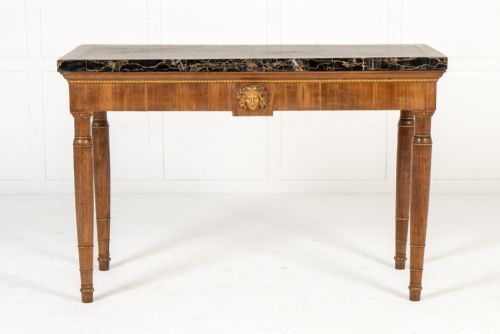
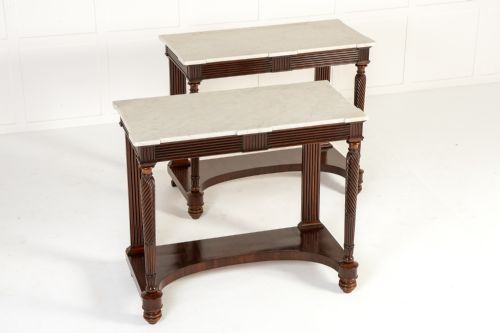
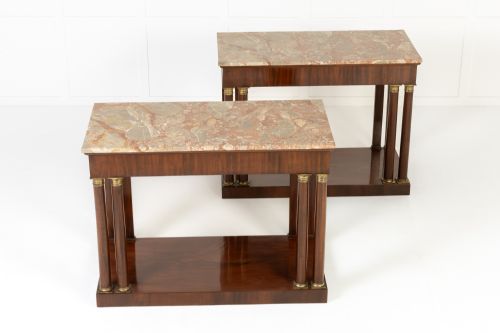
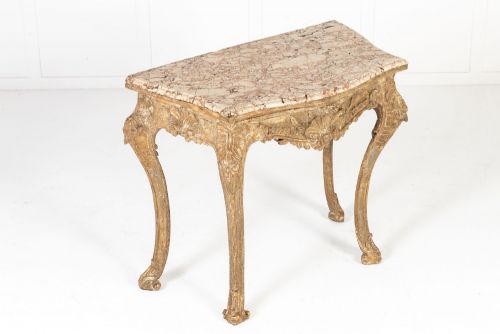
An antique italian wall table primarily takes the form of a console designed to anchor against a vertical surface, frequently featuring shaped or serpentine front profiles. These pieces appear across the eighteenth and nineteenth centuries, spanning distinct stylistic revivals from Baroque and Rococo to Neoclassical designs.
Makers fashioned these tables as statement furniture for grand interiors, utilising support brackets or wall fixings since the structures often rely on the room's architecture for stability. Examples range from compact side tables to monumental pairs bearing lion's paw supports.
The material vocabulary of an antique italian wall table relies heavily on heavy timber structures paired with stone surfaces, creating a distinct visual weight. Walnut, mahogany, and kingwood form the structural foundations, whilst applied surface treatments define the ornamental character.
Materials and Construction
Carved wood provides the structural base for the frames, shaped into elaborate scrolls, foliage, and figural elements before receiving surface decoration. Artisans applied gesso over the carved timber to create a smooth preparation layer for subsequent gilding with gold leaf or silver gilt.
Marble tops provide the durable working surface, often shaped to follow the serpentine or demi-lune contour of the wooden base beneath. Workshops also utilised paint finishes, faux porphyry, and parcel gilding to achieve polychrome surfaces on neoclassical and regional Italian pieces.
Listings span the eighteenth and nineteenth centuries, encompassing walnut, mahogany, and painted finishes alongside traditional giltwood and marble.
Design and Execution
The depth and crispness of the wood carving distinguish superior examples from simpler production, particularly in complex figural supports and acanthus scrolls. Relief work executed with sharp undercutting demonstrates a higher degree of sculptural competence by the workshop.
The choice and figuring of the timber or the selection of decorative marble slabs heavily influence the visual impact of the piece. Finer tables integrate bespoke stone tops that match the exact serpentine curves of the giltwood or painted frame.
The Antique Italian Wall Table Glossary
- Console table
- A table designed to be fixed against a wall, frequently supported by front legs or brackets rather than standing independently. These tables often feature elaborate ornamentation on the front apron.
- Giltwood
- Timber that has been coated with a thin layer of gold leaf over a prepared gesso ground. This technique creates a luminous, reflective surface characteristic of formal European furniture.
- Serpentine
- A furniture contour that curves outward at the centre and inward at the sides, creating a gentle wave shape. This profile requires precise woodworking, particularly when fitted with a matching stone top.
- Breccia marble
- A decorative stone composed of angular rock fragments embedded in a fine-grained matrix. It provides a highly patterned, multicoloured surface prized for high-status table tops.
- Parcel gilt
- A decoration method where only specific carved details or raised ornaments are gilded, whilst the surrounding areas display painted or polished wood surfaces.
Antique Italian Wall Table: Frequently Asked Questions
How do I secure a wall table?
Many console tables require physical attachment to the wall for complete stability because their architectural design often relies on vertical support. Wall brackets or hidden fixings secure the upper frame safely in place.
Professional installation ensures the weight of heavy marble tops is properly balanced against the wall structure rather than resting entirely on slender legs.
What rooms suit a wall table?
These tables find a natural home in entrance halls, formal living rooms, and dining spaces where floor space is at a premium. Their shallow depth allows them to sit flush against a wall without obstructing walkways.
Placing a mirror or artwork directly above the table creates a balanced focal point that reflects traditional interior arrangements.
How do I care for giltwood?
Giltwood surfaces require gentle dusting with a soft, dry brush to prevent accumulation without disturbing the delicate gold leaf layer. Moisture and chemical cleaners must be avoided entirely.
Keeping the table away from direct sunlight and excessive humidity protects the underlying gesso and wood from cracking or lifting over time.
How do I spot a Neoclassical piece?
Neoclassical pieces show a distinct shift away from curving Rococo ornamentation toward straight lines, symmetry, and classical architectural motifs. Look for restrained fluted legs, urns, and geometric painted panels.
Faux porphyry finishes and crisp, balanced proportions further indicate the influence of late eighteenth-century classical revival taste.