
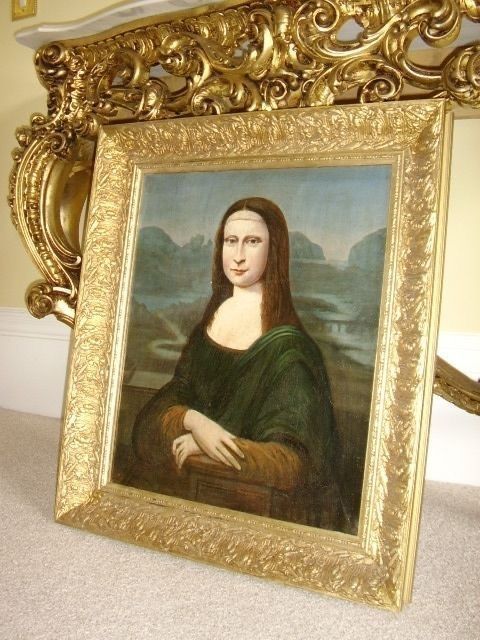

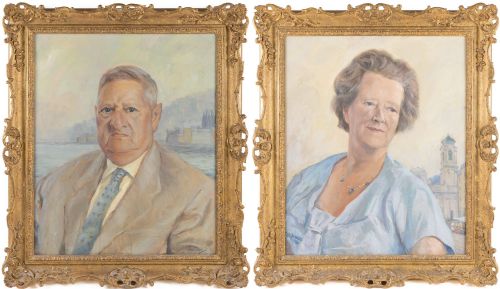
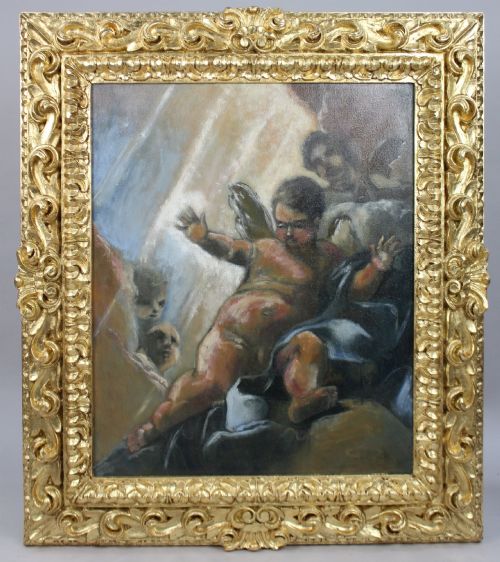
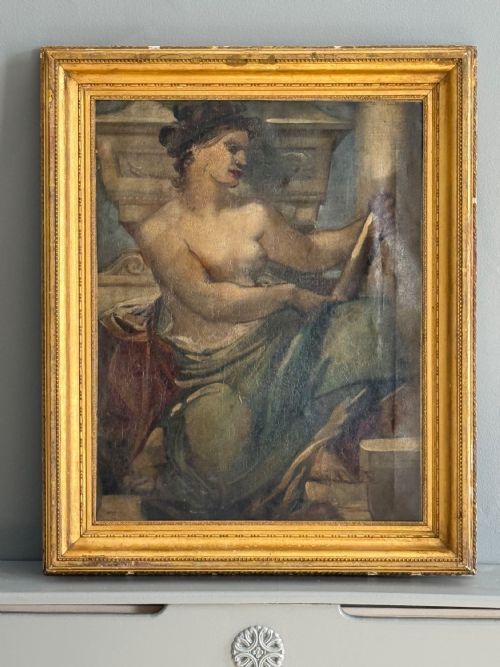


Antique Italian Style Portrait
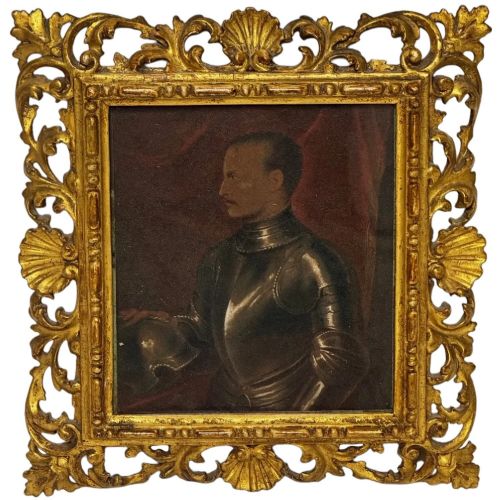
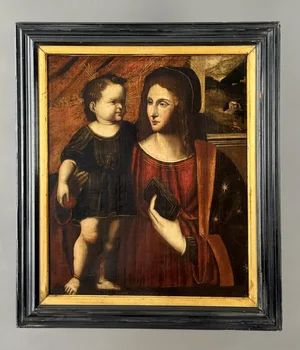
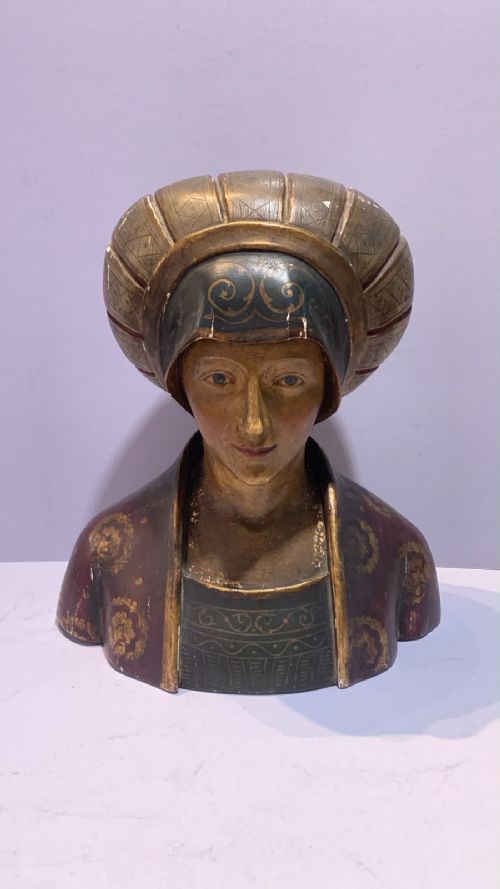
An antique italian style portrait brings the grand narrative of southern European painting and sculpture directly into a room.
Antique Italian Style Portrait
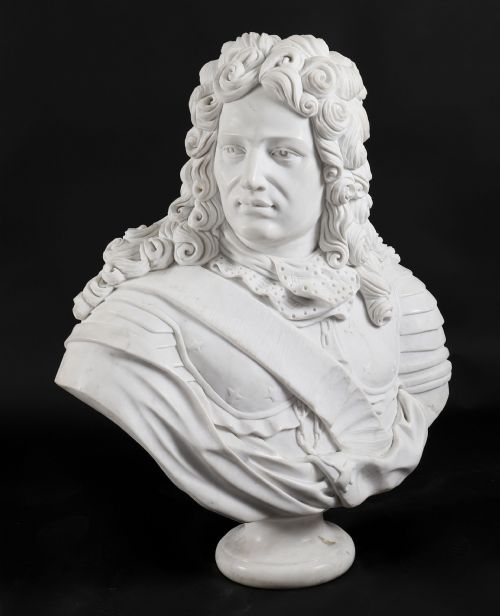
An antique italian style portrait encompasses centuries of artistic revival, academic study, and homage to Renaissance and Baroque masters. When exploring this group, expect to encounter oil paintings on canvas alongside carved marble profiles, sterling silver frames, and bronze or plaster busts.
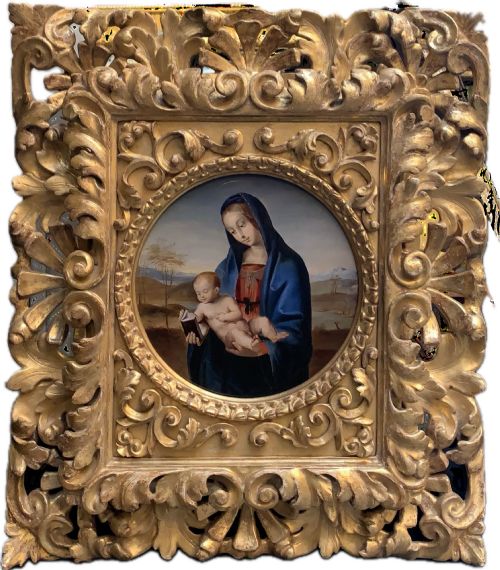
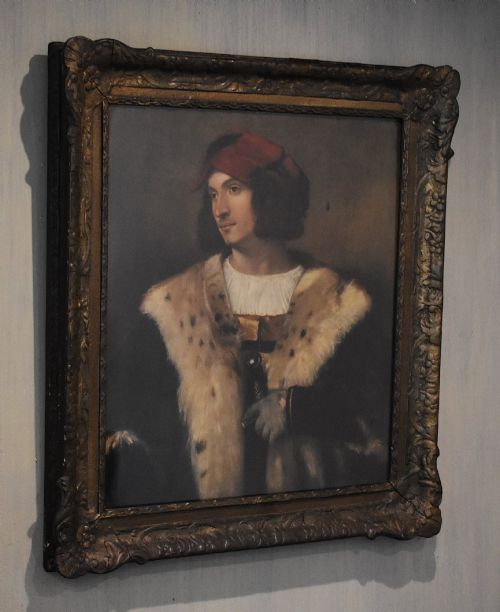
Many examples capture recognizable religious subjects or secular nobility after celebrated painters such as Raphael, Titian, and Leonardo da Vinci. These works often emerge from nineteenth-century Grand Tour travels or academic painting studios imitating earlier periods.
The aesthetic leans heavily on dramatic chiaroscuro, rich vestments, and classical compositions reminiscent of Venetian and Roman workshops. Such pieces range from intimate domestic panels to monumental canvases framed in heavily carved giltwood.
Materials and construction
The physical foundation typically involves fine-weave canvas stretched over wooden frames, prepared with traditional gesso grounds before the application of oil paint. Pigments are layered to achieve deep shadow and luminosity, reflecting techniques practiced across European studios.
Listings span centuries of production, stretching from sixteenth-century devotional panels to twentieth-century decorative iterations.
Evaluating the execution
Quality rests primarily on the confidence of the brushwork and the anatomical accuracy of the facial rendering. Weaker academic copies often display stiff lines and flat tones, whereas superior pieces capture the psychological depth and atmospheric subtlety of the original source material.
The integrity and age of the framing contribute substantially to the overall standing of an artwork. Period giltwood frames that retain their original gesso ornamentation elevate the piece far above later replacements.
Dumini Leopoldo·Francesco Solimena·Luca Postiglione
The Antique Italian Style Portrait Glossary
- Grand Tour
- A traditional trip through Europe, particularly Italy, undertaken by upper-class young men during the eighteenth and nineteenth centuries to absorb classical art and culture.
- Chiaroscuro
- An artistic technique using strong contrasts between light and dark to give a three-dimensional volume to figures and objects within a composition.
- Gesso
- A white paint mixture consisting of a binder mixed with chalk, gypsum, or pigment, used to prepare wood or canvas surfaces for painting or gilding.
- Cassetta frame
- A flat-profile wooden picture frame style popular during the Italian Renaissance, featuring raised inner and outer mouldings.
- Giltwood
- Wood that has been decorated with a thin layer of gold leaf or powder, commonly utilised for ornate antique picture frames.
Antique Italian Style Portrait: Frequently Asked Questions
What is an after-master painting?
An after-master painting is a work created by an artist copying an existing famous piece, often as part of their training or to satisfy the demand of travellers.
These works range from careful studio studies to loose interpretations, capturing the essence of Renaissance and Baroque masterpieces.
How do I identify a period frame?
Period frames often display hand-carved wooden details beneath layers of aged gesso and gold leaf, showing genuine wear and shrinkage cracks over time.
Unlike modern reproductions, antique frames are constructed using traditional joinery methods suited to the specific century of the artwork.
Where were these portraits displayed?
Historically, such artworks hung in the grand reception rooms and private libraries of European townhouses and country estates.
Today, they serve as striking focal points in traditional or eclectic interiors, anchoring a room with historical gravity.
Are these works original paintings?
The selection includes both original period paintings from various European schools and skilled nineteenth-century academic studies after earlier masters.
Each listing details the specific medium, canvas condition, and stylistic attribution recorded by the dealer.