




Antique Italian Porcelain
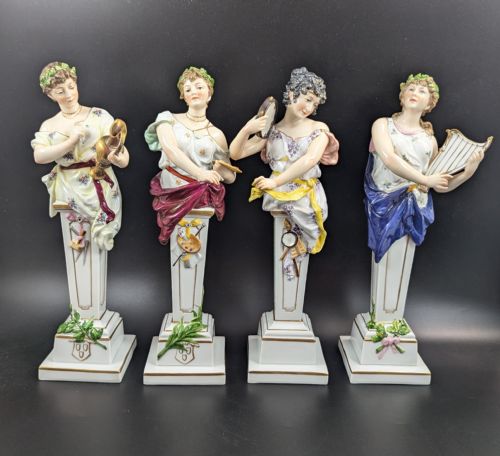
Antique italian porcelain brings together neoclassical and rococo revival forms, offering intricate centrepiece bowls and delicate figurines shaped by historic European kilns.
Antique Italian Porcelain
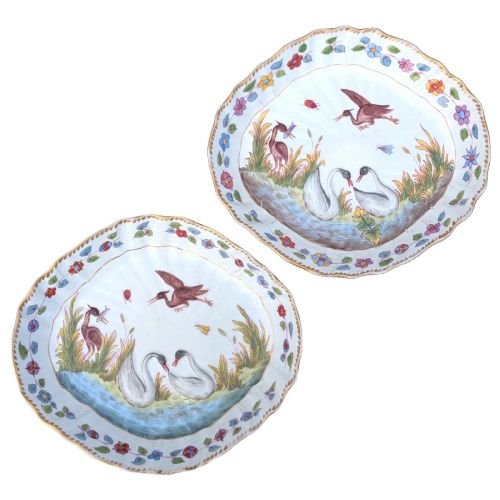
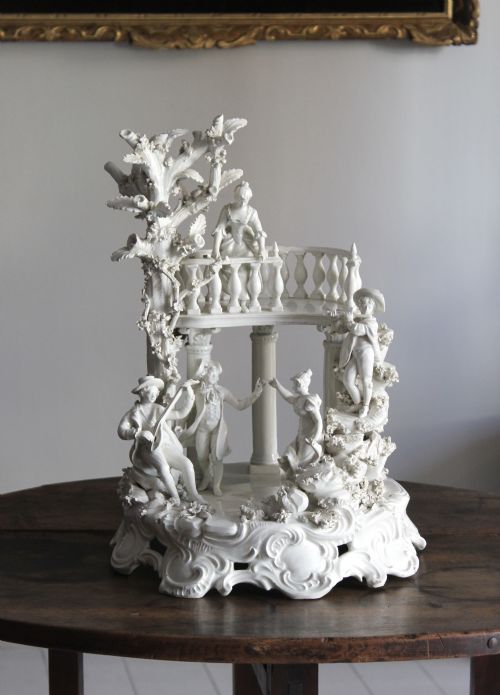
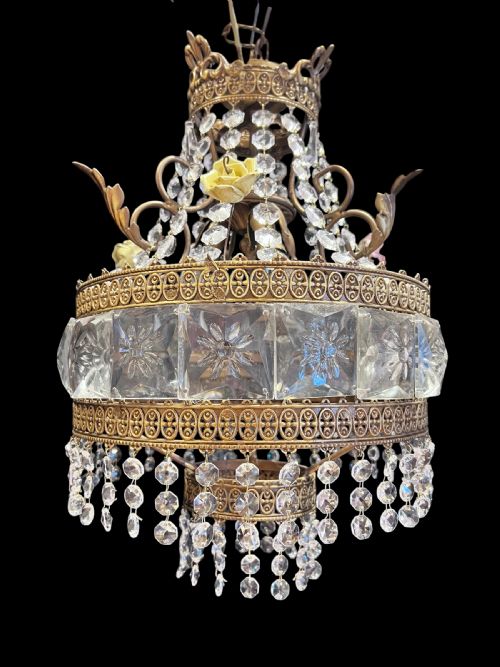
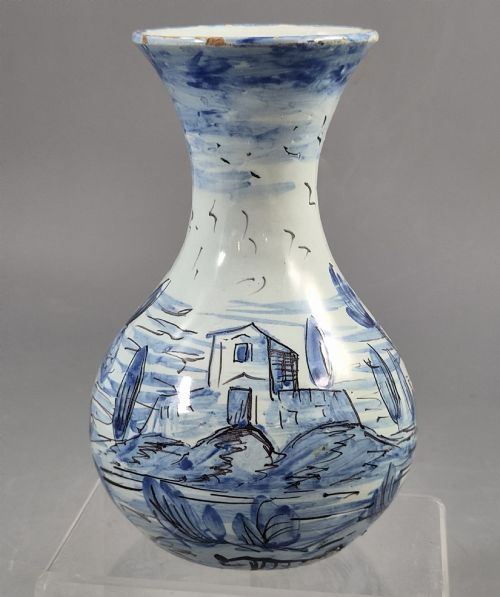
When you search for antique italian porcelain, you encounter a diverse range of objects spanning multiple centuries, from mid-eighteenth-century sugar bowls to twentieth-century chandeliers. The pieces on this page heavily feature Capodimonte urns and figurines, alongside Majolica planters, cabinet vases, and lidded broth cups.
Forms vary from decorative table caskets and large centrepiece bowls to three-light chandeliers adorned with porcelain flowers. Alongside distinct Italian output, you also find nineteenth-century English interpretations following classic Italian patterns.
How they were made
These works rely on ceramic bodies shaped into elaborate figures, vessels, and structural mounts, often finished with detailed glazes and enamel painting. Artisans applied gold leaf accents to highlight moulded relief work, particularly on neoclassical and rococo revival forms.
Certain pieces incorporate mixed media elements such as brass alongside earthenware, glass, and standard porcelain. Kiln techniques evolved across the periods represented here, yielding both high-gloss finishes and matte decorative surfaces.
Antique Italian Porcelain Retail Price Guide 2026
Typical asking prices for italian porcelain among the pieces listed under this phrase on Sellingantiques today, from the lower quarter to the upper quarter. They describe what is for sale here now, not the wider market.
Listings span the eighteenth, nineteenth, and twentieth centuries, incorporating materials such as porcelain, enamel, gold leaf, and brass.
What varies in quality
The degree of hand-painting precision and the crispness of moulded details set finer items apart from standard production wares. Finer execution is evident in the depth of enamel colours, the clean application of gold leaf, and the structural integrity of delicate applied floral elements.
Provenance and factory attribution also influence the character of a piece, with documented works from notable Italian potteries displaying superior compositional harmony and more sophisticated glaze control.
Cantagalli·Richard Ginori·Royal Capodimonte Factory·Achille Mollica·Spode·Copeland Spode
The Antique Italian Porcelain Glossary
- Maiolica
- Tin-glazed earthenware produced in Italy, celebrated for its bright painted decoration and historic stylistic traditions. It forms the basis of many decorative cabinet vases and jardiniere planters.
- Capodimonte
- A renowned Italian porcelain type and factory tradition originating in Naples, famous for highly sculptural figurines, urns, and relief-decorated caskets. Pieces often display intricate modelled figures and neoclassical motifs.
- Jardiniere
- A large decorative pot or stand designed to hold plants or floral arrangements, frequently rendered in porcelain or maiolica as a table centrepiece. These items serve as striking focal points in domestic interiors.
- Broth Cup
- A small handled vessel traditionally used for serving soups or broths in formal dining settings. Lidded examples in porcelain often feature fine painted scenes and matching saucers.
Antique Italian Porcelain: Frequently Asked Questions
Where were these pieces made?
The items originate primarily from historic Italian production centres such as Florence and Naples, reflecting regional stylistic traditions. Notable factories include Capodimonte and Richard Ginori.
Some listings also include nineteenth-century English interpretations produced by firms like Spode, which adapted traditional Italian patterns for British households.
How do I identify Capodimonte porcelain?
Capodimonte porcelain is distinguished by highly sculptural relief work, frequently featuring mythological figures, putti, and elaborate floral encrustations. Look for modelled three-dimensional scenes on urns, caskets, and figurines.
Many pieces carry historic factory stamps or blue crown marks on the base, though earlier examples may rely solely on stylistic markers and paste characteristics.
How do I display a centrepiece bowl?
Centrepiece bowls and jardinieres work best as focal points on large dining tables, sideboards, or entry consoles where their painted details can be appreciated from multiple angles. Ensure the surface is stable and protected from heavy foot traffic.
Keep porcelain out of direct sunlight to prevent fading on enamel-painted surfaces and gold leaf accents over time.