



Antique Italian Frame
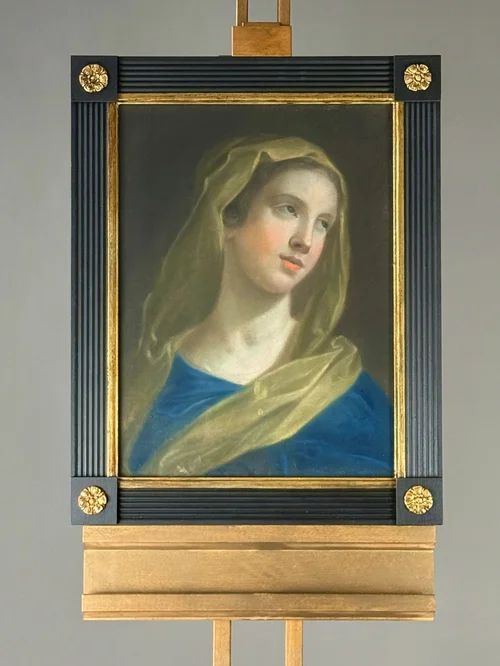
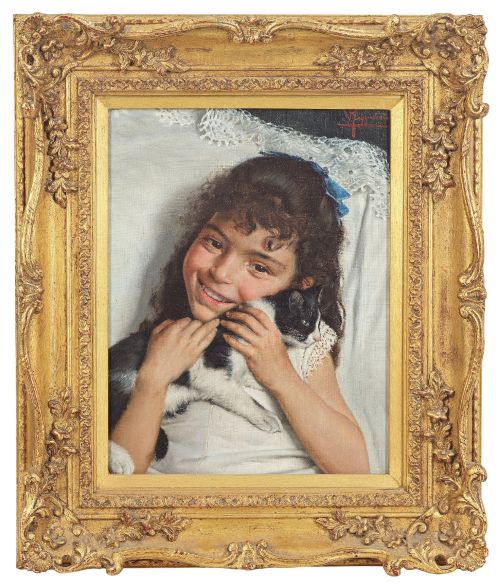
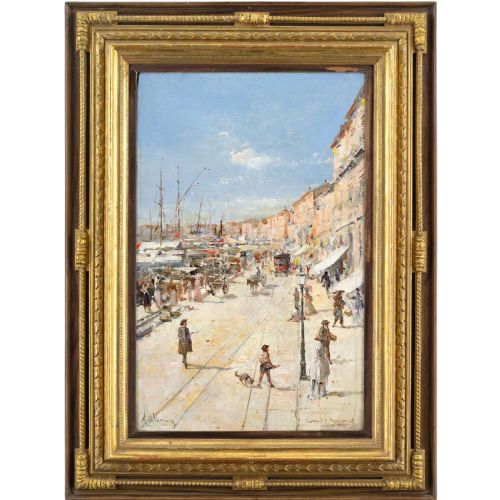
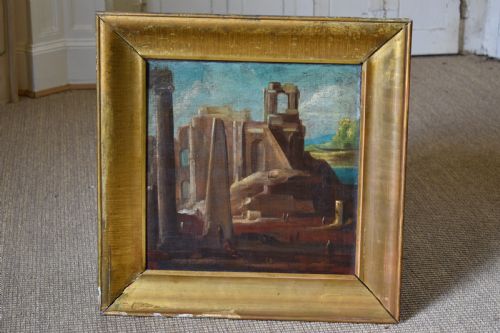
An antique italian frame brings centuries of continental craftsmanship, carved gilding and storied oil paintings straight to your interior walls.
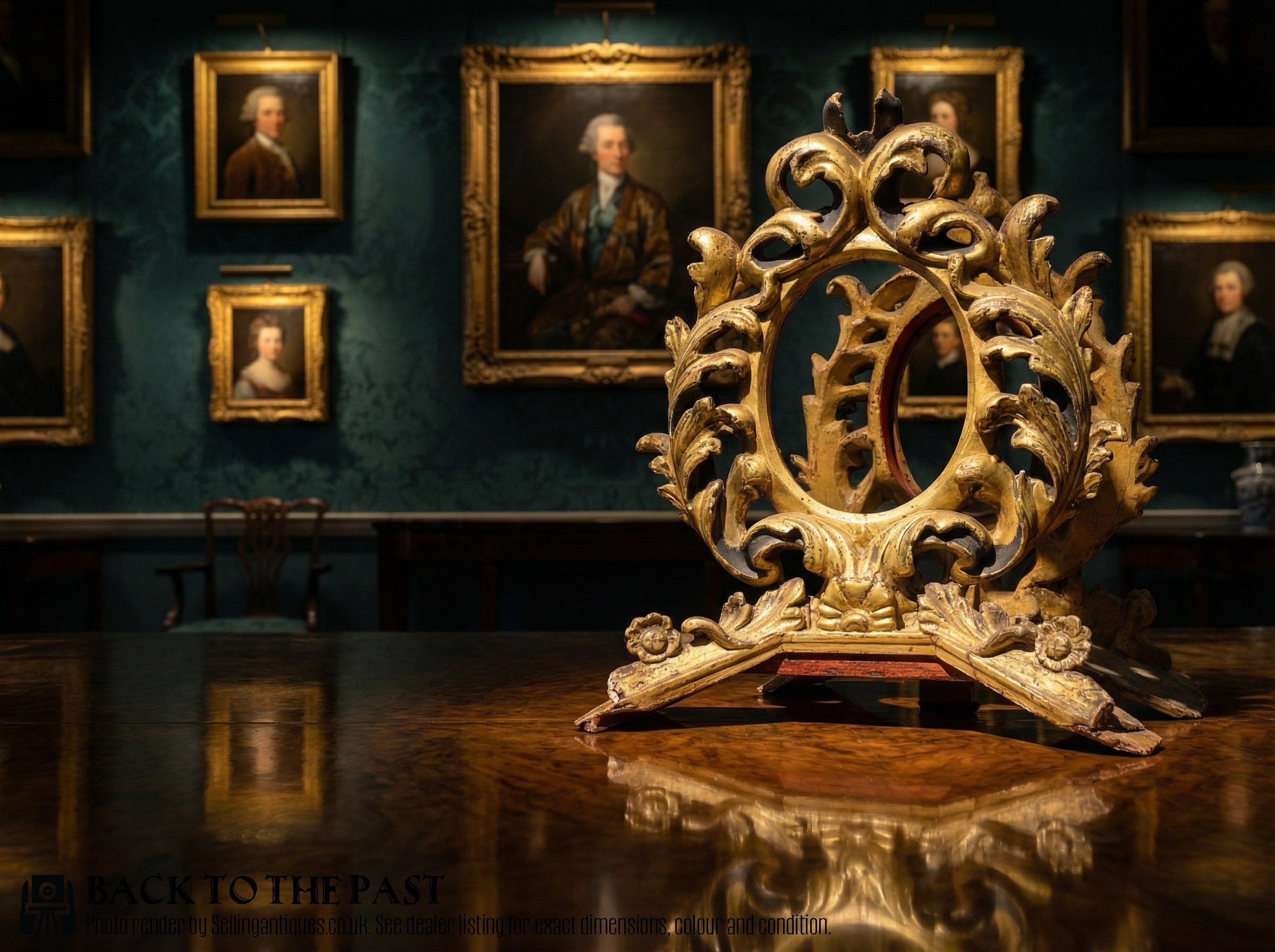
Antique Italian Frame
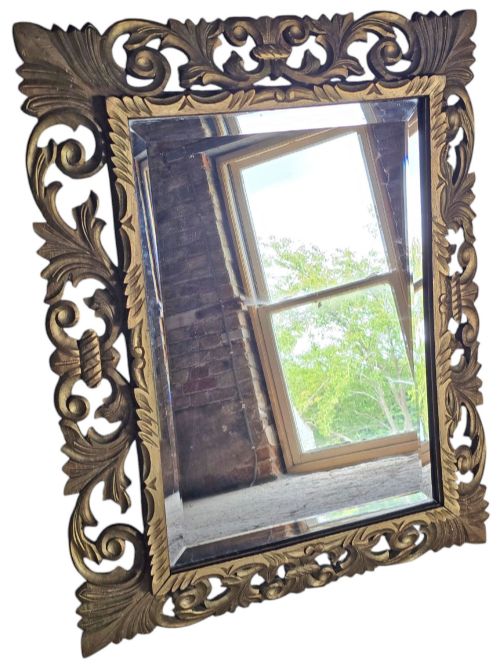
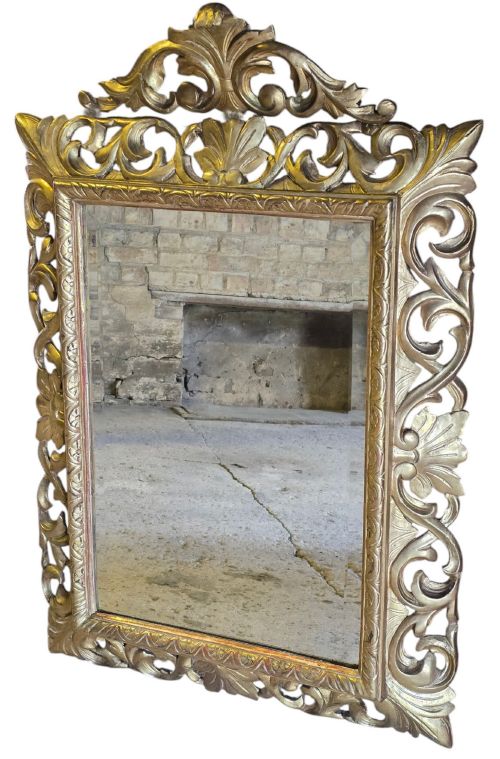
An antique italian frame encompasses ornate carved wooden picture surrounds, grand overmantel mirrors and architectural looking glasses originating from workshops across the peninsula. Collectors encounter richly decorated Florentine styles, sweeping Rococo curves and restrained Neoclassical profiles spanning several centuries.
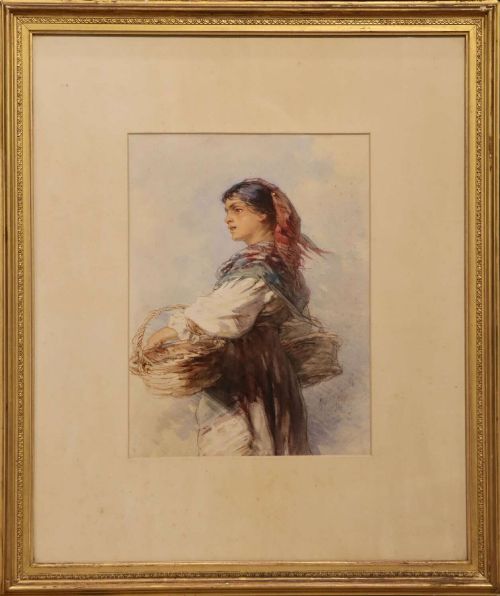
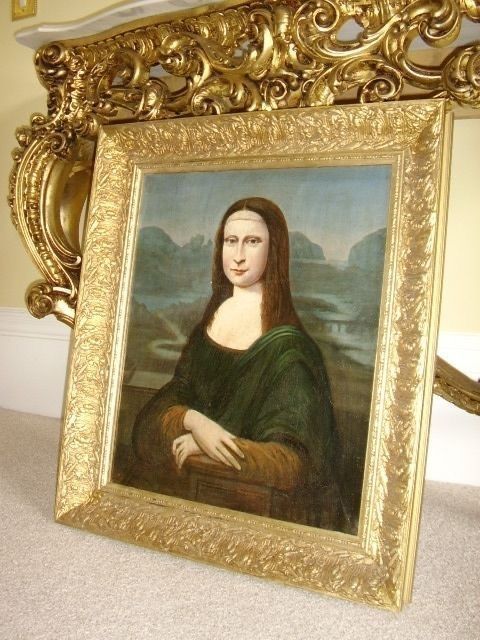
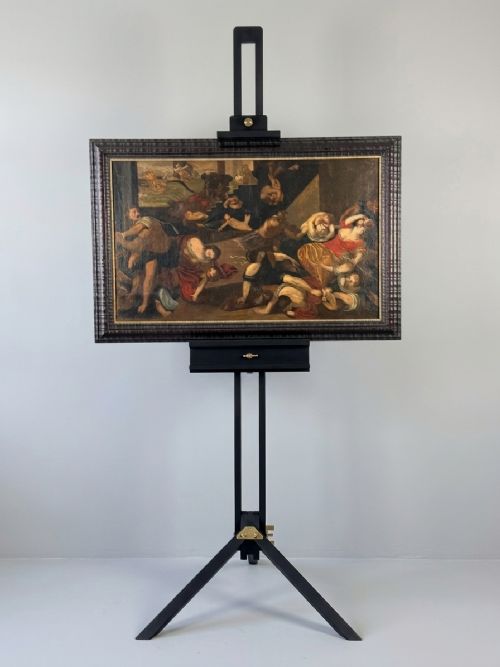
Many examples house period oil paintings, watercolours, portraits and religious subjects, while others serve as standalone wall mirrors or enclose delicate micro mosaics and intaglios. These objects reflect the enduring influence of Grand Tour travels and traditional regional craftsmanship.
The category ranges from substantial 17th and 18th century carved structures to 19th century Revival pieces and early 20th century decorative furnishings. Buyers select these items to anchor a room with distinct historical character and traditional European artistry.
How They Were Made
Artisans built the structural foundations primarily from solid wood, shaping mouldings by hand before applying layers of gesso to smooth the surfaces for decoration. Carvers then worked directly into the plaster and wood to create deep relief motifs, scrolls and floral garlands.
Makers finished the pieces by applying thin sheets of gold or silver leaf over bole, or by painting and distressing the surfaces to achieve rich metallic patinas. Glass plates for mirrors and canvases for paintings were then fitted to complete the composite works.
Recorded styles include Italian Rococo, Baroque, Florentine, Renaissance Revival, Neoclassical and Edwardian designs across paintings, mirrors and wall art.
What Varies in Quality
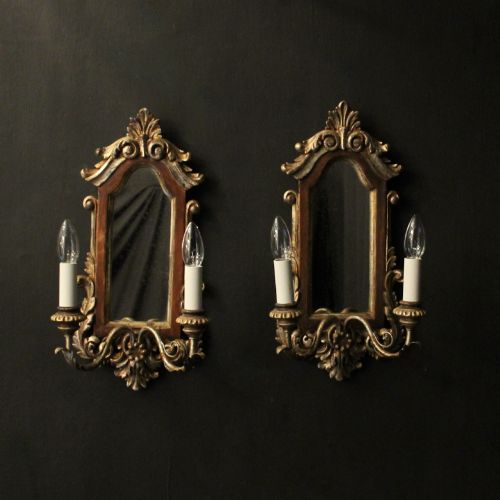
The depth, sharpness and fluidity of the hand carving separate standard commercial work from master craftsmanship, particularly in the crispness of acanthus leaves and pierced scrollwork. Superior examples show meticulous tooling in the gesso layers beneath the gilding, giving the ornamentation a strong sense of dimension.
The integrity of the original surface finish, whether genuine gold leaf or period paint, dictates the visual depth and historical authenticity of the piece. Well preserved patination and original mirror plates or canvases maintain the aesthetic harmony intended by the original maker.
Thomas Ellison·Dumini Leopoldo·Vittorio Reggianini·Augusto Alberici·Alfred Pollentine·Francis Moltino·Guillaume Courtois·Michelangelo Meucci·Carlo Follini·John Syme
The Antique Italian Frame Glossary
- Giltwood
- Wood that has been coated with gold leaf or gold paint. This technique provides the luminous metallic finish characteristic of many historic European frames.
- Gesso
- A plaster mixture applied to wood frames as a base for carving and gilding. Artisans model and tool this smooth layer to create intricate raised decorative details.
- Grand Tour
- A cultural journey of Europe undertaken by wealthy young men in the 18th and 19th centuries. Travellers frequently acquired local artwork, intaglios and decorative frames as souvenirs.
- Overmantel
- A large mirror or painting designed to be hung specifically above a fireplace mantelpiece. These substantial pieces often serve as the visual focal point of a reception room.
- Intaglio
- A design carved into the surface of a gemstone, glass or gypsum panel. Collectors often find these classical motifs mounted behind glass within decorative frames.
Antique Italian Frame: Frequently Asked Questions
How do I date an antique italian frame?
Dating relies on examining the construction methods of the underlying wood, the composition of the gesso layer and the style of the carved ornamentation. Earlier examples from the 17th and 18th centuries typically display deeper hand carving and organic wear patterns, while 19th century pieces often show Revival motifs.
Secondary clues include the backing boards, fixings and the nature of any glass or canvas contained within. Comparing the decorative vocabulary against documented regional styles helps narrow the period of origin.
Where should I hang a large overmantel mirror?
An overmantel mirror naturally commands attention when positioned centrally above a fireplace, reflecting light and expanding the visual proportions of the room. Securing the heavy wooden structure directly into structural wall studs ensures safe suspension.
Beyond the fireplace, these grand pieces work effectively on main drawing room walls to create architectural depth. Positioning them opposite a window maximises the reflection of natural daylight.
What is the difference between Florentine and Venetian styles?
Florentine pieces typically feature robust, highly ornate carved wooden frames decorated with rich gilding and deep relief scrolling foliage. They often emphasise sculptural weight and elaborate surface ornamentation.
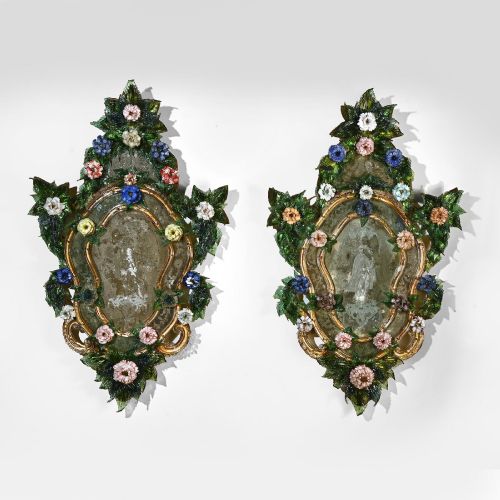
Venetian examples frequently incorporate elements like Murano glass plates, etched borders or lighter painted and silvered finishes. These designs lean towards elegance and luminosity, reflecting the distinct artistic heritage of the lagoon city.
How do I clean and maintain gilded wood?
Maintenance requires gentle removal of surface dust using a very soft, dry brush or a clean feather duster. Moisture and harsh cleaning agents must be avoided entirely to protect the delicate gold leaf and underlying gesso.
Keeping the piece away from direct heat sources and excessive humidity prevents the wood from warping and the gesso from cracking. Professional conservation is recommended for any structural stabilization.