



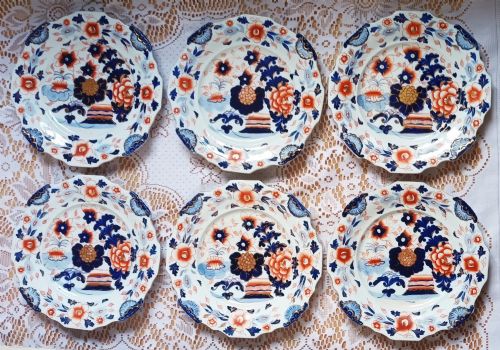

Antique Ironstone Pottery
These robust antique ironstone pottery vessels and tableware pieces combine utilitarian strength with vibrant Regency and Victorian decoration.
Antique Ironstone Pottery
Buyers seeking antique ironstone pottery encounter a durable ceramic body developed in the nineteenth century as a sturdier alternative to porcelain. The selection spans utilitarian kitchen items and dining wares alongside decorative pieces.
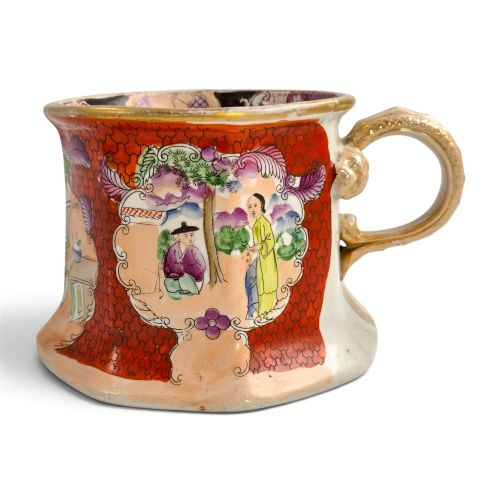
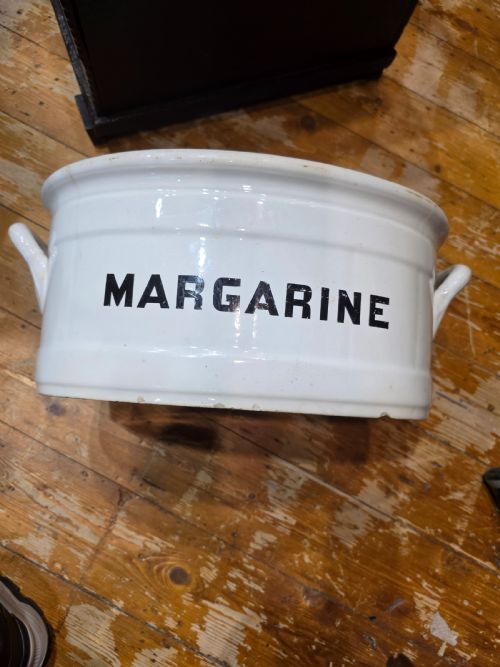
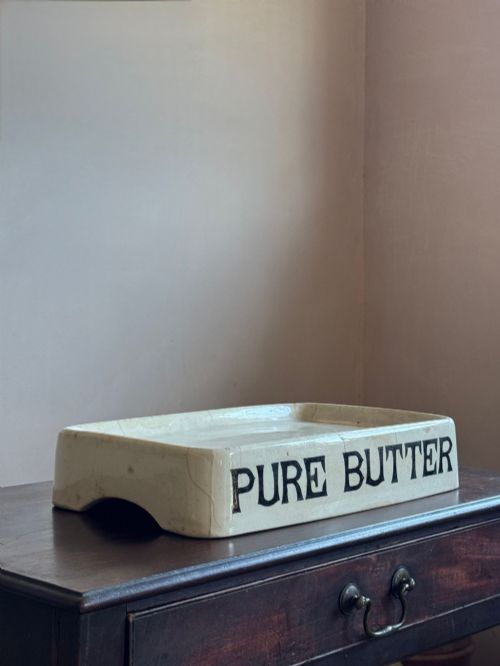
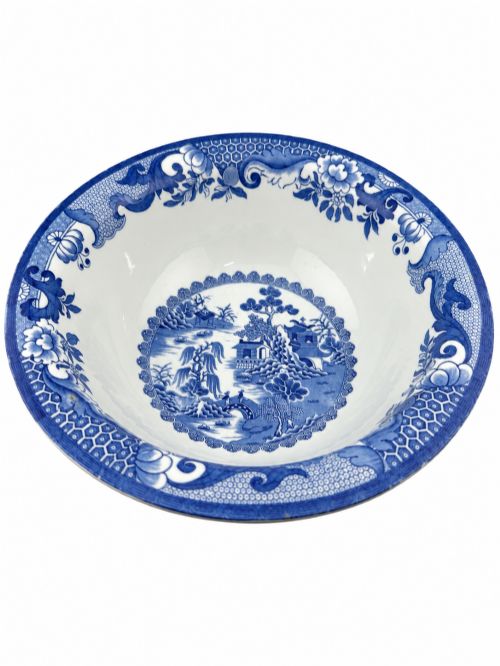
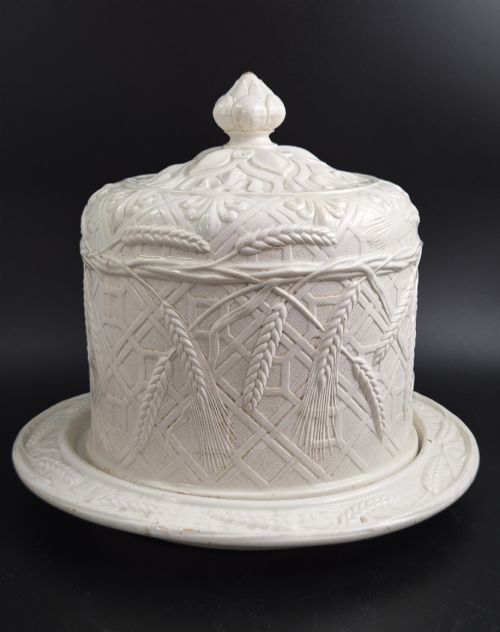
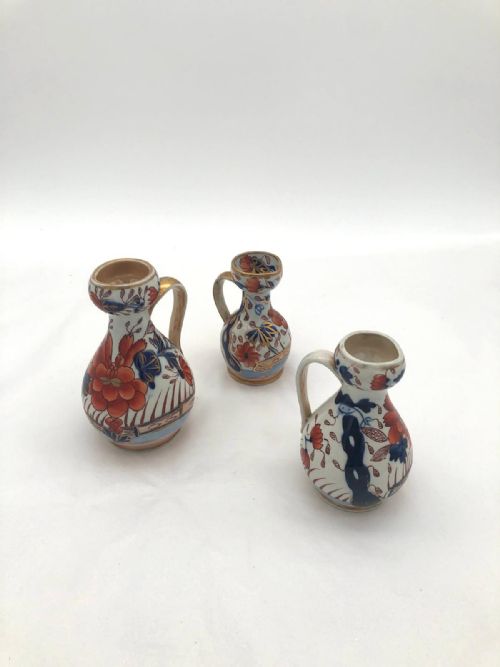
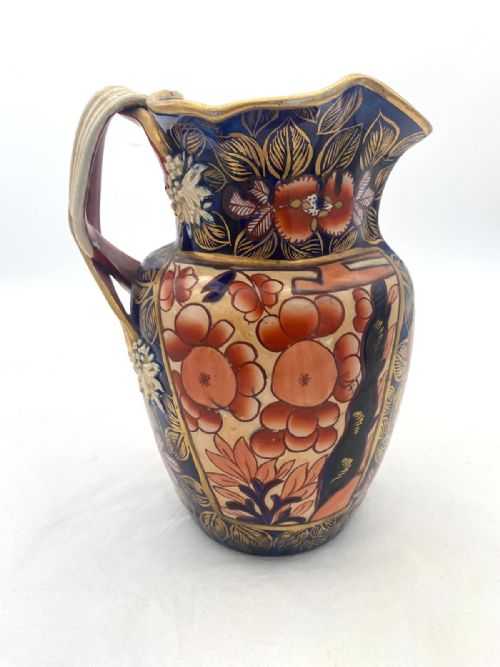
Jugs, pitchers, and chargers form the core of the available inventory, accompanied by specialised items such as cheese domes, butter slabs, and lidded tureens. Many examples display transfer-printed or hand-painted patterns derived from East Asian aesthetics.
The objects originate primarily from English potteries operating during the Georgian, Regency, and Victorian periods. Forms range from simple white kitchenware to heavily gilt and brightly coloured display items.
Materials and production methods
Potters formulated ironstone using a dense earthenware body mixed with feldspar, slag, and china stone, fired at high temperatures to achieve vitrification. This heavy ceramic composition resisted chipping far better than standard earthenware.
Makers applied decoration through copperplate transfer printing, hand painting, or a combination of both under protective glazes. Artisans frequently added gilding, enamel highlights, and gold leaf on top of the glaze for formal dining wares.
Antique Ironstone Pottery Retail Price Guide 2026
Typical asking prices for ironstone pottery among the pieces listed under this phrase on Sellingantiques today, from the lower quarter to the upper quarter. They describe what is for sale here now, not the wider market.
Listings feature robust nineteenth-century ironstone ceramics spanning plain white utility wares, transfer-printed kitchen pieces, and heavily decorated Regency display items.
Quality variations in the ceramics
Quality depends upon the crispness of the transfer printing and the precision of hand-applied enamels. Elaborate polychrome palettes and extensive gilding indicate higher production standards than plain utilitarian wares.
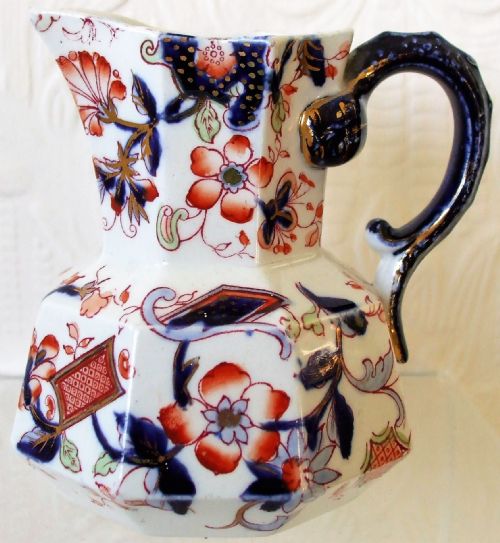
The complexity of the moulded form separates standard production from superior pieces. Octagonal shapes, serpent handles, and lion mask details require skilled craftsmanship during shaping and firing.
Mason's·Keeling and Co·John Ridgway·Livesley Powell and Co·Davenport·Miles Mason·Copeland
The Antique Ironstone Pottery Glossary
- Ironstone
- A heavy, durable type of earthenware patented in the nineteenth century to imitate porcelain while offering greater strength.
- Transfer printing
- A method of applying detailed designs to pottery by transferring ink from an engraved copper plate onto tissue paper and then onto the ceramic body.
- Chinoiserie
- A Western stylistic interpretation of Chinese and East Asian artistic motifs, frequently utilised on nineteenth-century tableware.
- Gilding
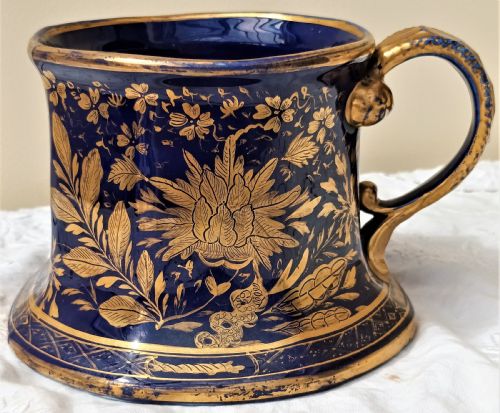
- The application of gold leaf or gold paint to ceramic surfaces, typically reserved for high-status decorative wares.
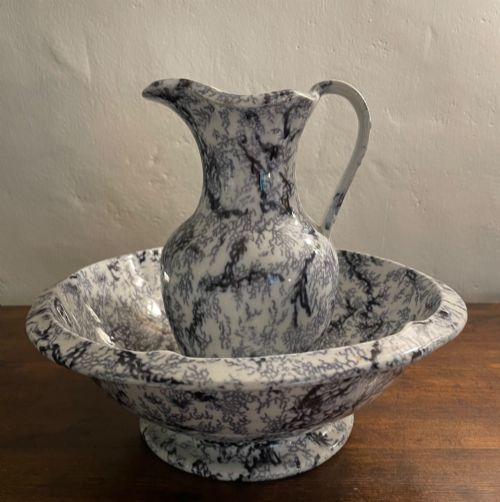
- Flow blue
- A nineteenth-century printing technique where cobalt blue ink deliberately blurred into the surrounding white glaze during firing.
Antique Ironstone Pottery: Frequently Asked Questions
What is ironstone pottery?
Ironstone is a dense, heavy ceramic developed in the nineteenth century to bridge the gap between delicate porcelain and standard earthenware. It offers exceptional durability while accepting complex coloured glazes and transfer prints.
Potters moulded the material into everything from heavy grocers slabs to ornate dining chargers and decorative vases for domestic use.
How do I date antique ironstone?
Dating relies on maker marks stamped or printed on the underside, stylistic clues such as Regency or Victorian moulding, and the specific palette of colours used in the patterns. Transfer-printed motifs also shift across decades from monochrome blues to vibrant polychrome enamels.
Comparing the registration marks and ceramic bodies against known nineteenth-century production periods helps narrow down the manufacturing era.
Can I use antique ironstone daily?
Many ironstone pieces, particularly heavy white kitchenwares and large platters, retain the structural strength required for regular handling and dining use. Their dense ceramic bodies resist everyday wear far better than soft-paste porcelain.
Delicately gilt or heavily enamelled display pieces require more careful handling to preserve the surface decoration over time.
What are Gaudy Welsh patterns?
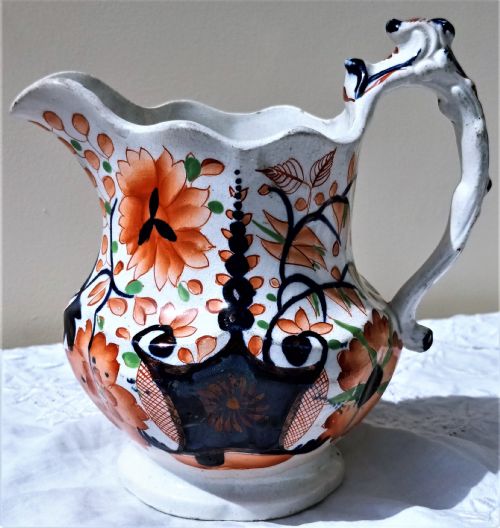
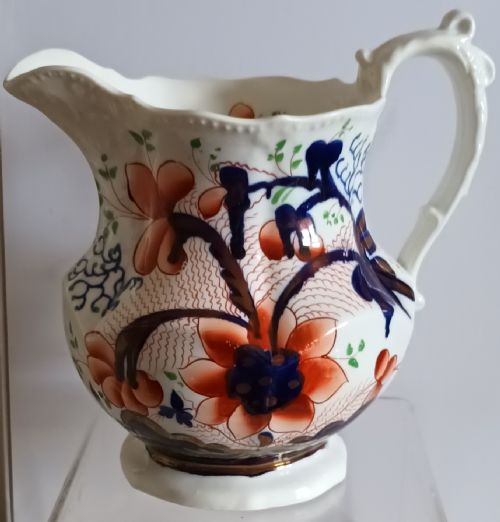
Gaudy Welsh refers to a distinct style of brightly coloured pottery decoration featuring cobalt blue, copper lustre, and vivid pink or orange enamels. These patterns gained popularity on nineteenth-century utilitarian tablewares.
Items decorated in this manner display a bold aesthetic designed to brighten domestic dining rooms and tea tables.