


Antique Iron Standing Lamp
An antique iron standing lamp brings architectural presence and adjustable height to a room, drawing on centuries of metalworking skill.
Antique Iron Standing Lamp
When you search for an antique iron standing lamp, you encounter heavy, floor-standing lighting fixtures designed to illuminate large spaces. These pieces span the 18th century, Victorian era, and early 20th century, emerging in forms like standard lamps, floor candelabras, and lantern stands.
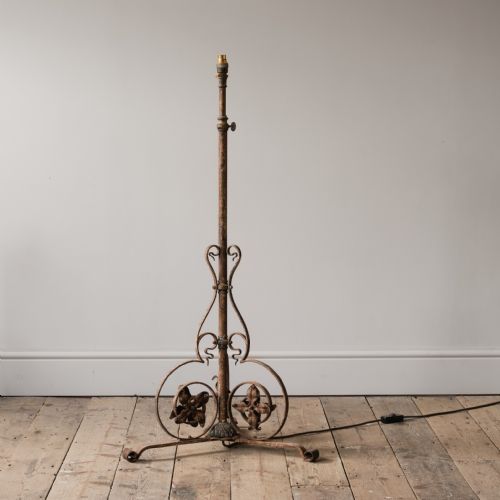
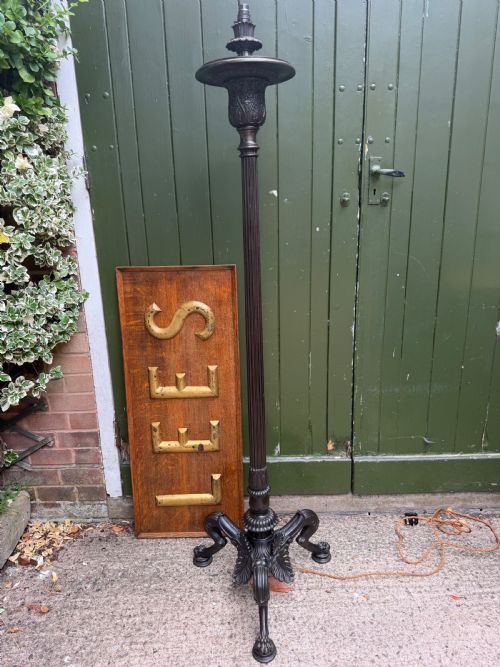
The versions most likely to meet you on this page are Victorian wrought iron standard lamps, often featuring adjustable arms or telescopic shafts. Alongside these, you find cast-iron pieces influenced by classical Grecian design and industrial searchlights from around 1910.
Makers utilised durable metals to create functional lighting that served domestic rooms and large halls alike. The surviving examples demonstrate how utilitarian objects evolved into decorative furnishings over successive design periods.
How they were made
Blacksmiths and metalworkers shaped wrought iron through heating and hammering, producing robust frames with visible artisan marks. Cast iron elements were poured into moulds to achieve intricate classical details, such as those found on Grecian-style standard lamps.
Makers incorporated brass and bronze patination to finish surfaces, while telescopic mechanisms and adjustable arms allowed users to alter the height and reach of the light source. Early examples often integrated fittings for oil or gas before later conversion to electricity.
Listings feature items spanning the 18th century, Victorian period, and early 20th century up to 1930.
What varies in quality
The distinction between standard items and exceptional pieces rests upon the finesse of the metalwork and the originality of the mechanism. Hand-forged wrought iron with complex scrolling and smooth telescopic adjustments commands greater interest than mass-produced later castings.
Proportion and weight also dictate quality, as heavier cast-iron bases and substantial shafts provide better stability and presence. The presence of period surface finishes, such as a genuine bronze patina, elevates the character of the object.
The Antique Iron Standing Lamp Glossary
- Wrought iron
- Iron that has been heated and worked with tools by a blacksmith. It is known for its fibrous texture and strength.
- Standard lamp
- A tall floor lamp designed to stand independently in a room. These fixtures often feature heavy bases to support extended shafts.
- Telescopic
- Describing a shaft composed of nested tubes that slide into one another to adjust height. This mechanism allowed users to alter the reach of the light.
- Torchere
- A tall ornamental stand or floor lamp, historically designed to hold a torch or candle. Later versions accommodated electric lighting or oil vessels.
- Bronze patinated
- A metal surface treated to resemble aged bronze. This finish gives iron and steel a rich, dark metallic tone.
Antique Iron Standing Lamp: Frequently Asked Questions
Were these lamps originally electric?
Most older standing lamps began life configured for oil, gas, or candles before being converted to electricity during the 20th century. Standard lamps and lantern stands often retain evidence of their earlier fuel reservoirs or burner assemblies.
When living with these pieces, ensure the internal wiring meets modern safety standards while preserving the exterior metal components.
How do I identify a Victorian iron lamp?
Victorian examples frequently display wrought iron construction, telescopic columns, and adjustable arms designed for reading or task lighting. Stylistic cues often draw on Gothic Revival or classical motifs seen in period pattern books.
Examine the construction marks and weight to distinguish 19th-century forge work from later reproductions.
Can I place these lamps on a wooden floor?
These fixtures are typically heavy and stable, making them suitable for placement directly onto wooden flooring. Their substantial cast iron or wrought iron bases prevent tipping under normal conditions.
Consider placing a discreet protective pad beneath the base if the metal underside is rough or lacks feet, preventing scratches on polished timber.