


Antique Iron Pot
An antique iron pot brings heavy functional utility and dark industrial texture to interior spaces and gardens alike.
Antique Iron Pot
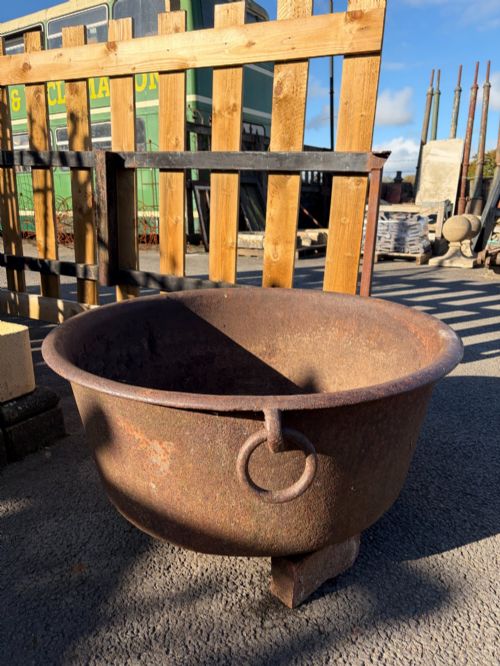
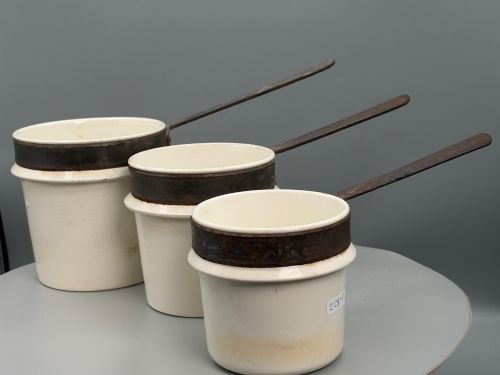
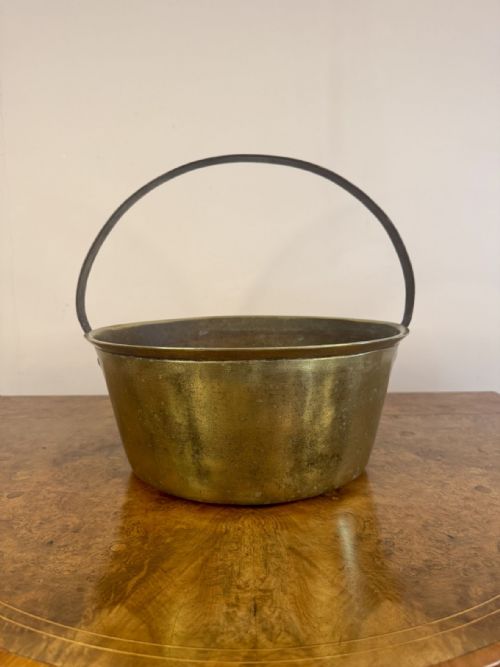
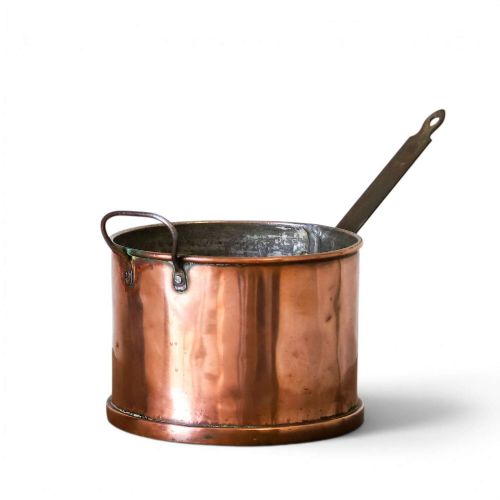
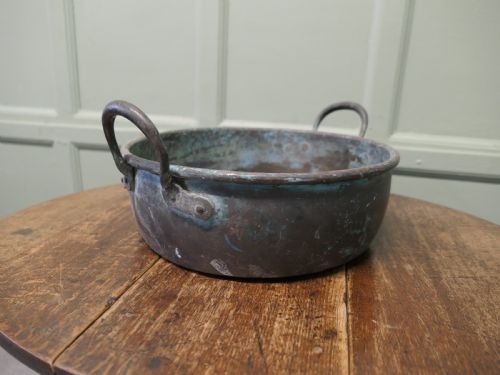
When searching for an antique iron pot, a buyer encounters a diverse selection of hearth accessories, cookware, and garden planters dating from the eighteenth and nineteenth centuries. These sturdy objects span utilitarian kitchenware such as heavy saucepans and preserving pans, alongside architectural items designed for domestic hearths and gardens.
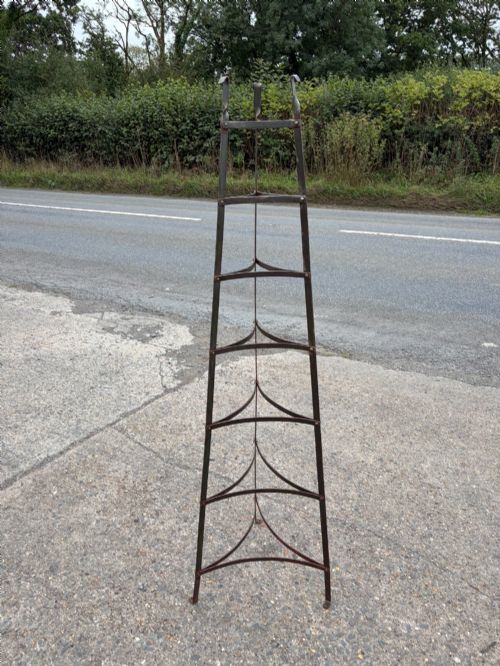
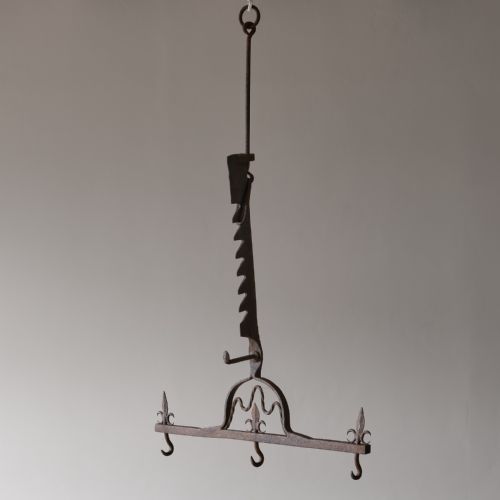
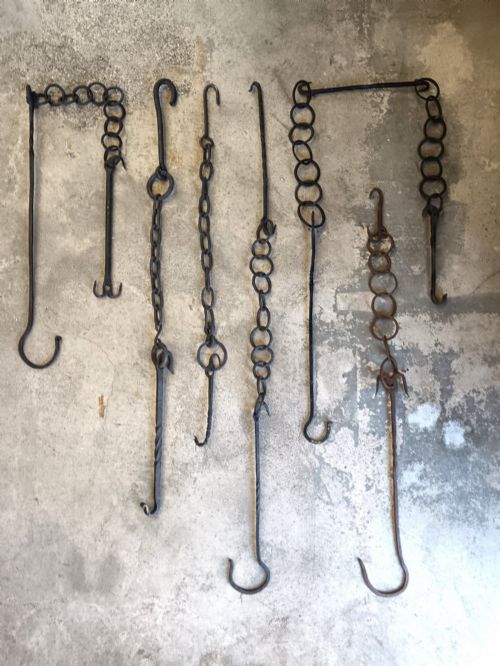
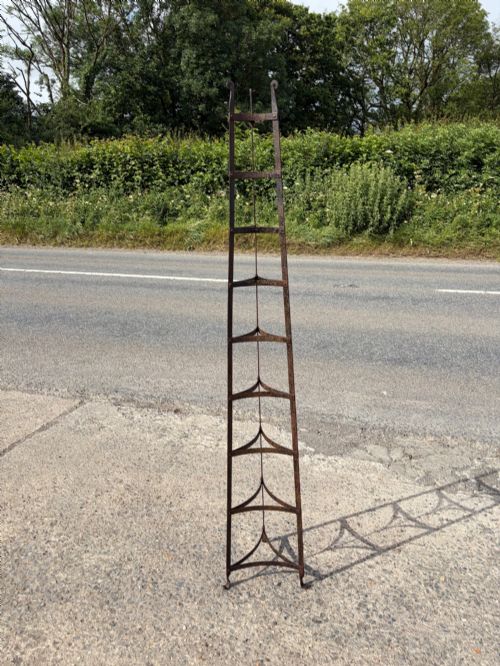
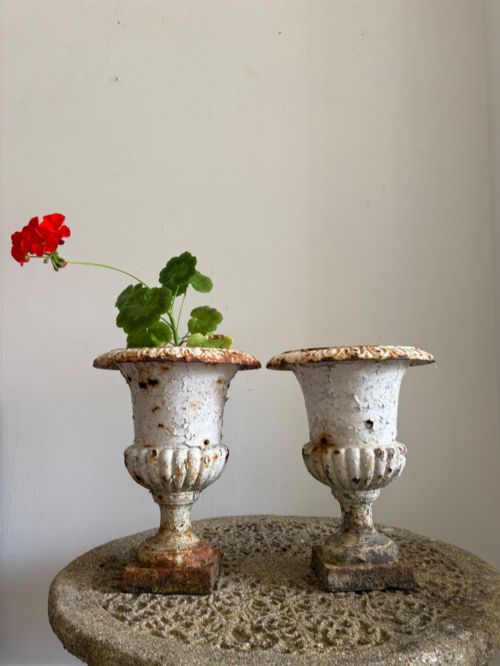
The assortment on this page frequently includes garden urns and planters cast in iron, alongside wrought iron chimney jacks, trammel hooks, and tiered pot stands. Pieces stem from English, French, and Welsh origins, reflecting both rustic farmhouse traditions and more formal nineteenth-century styles.
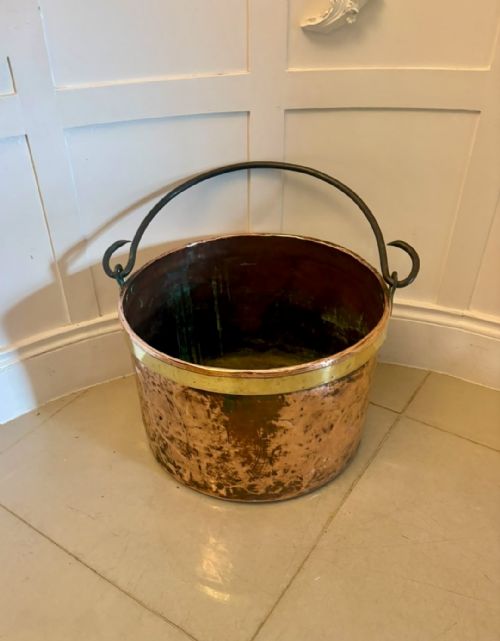
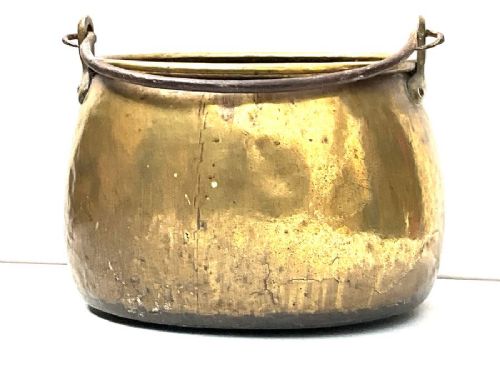
Buyers also meet related vessels formed from copper and brass, alongside ceramic jars and terracotta containers that share a domestic or garden utility. The primary focus remains on robust metal vessels shaped for cooking, heating, or planting.
Materials and Techniques
The physical build of these items relies heavily on cast iron and wrought iron, forged or cast into solid forms designed to withstand intense heat and heavy use. Makers utilised hand-beating, riveting, and forging techniques for items like copper pans and wrought iron crane mechanisms, combining metals for durability.
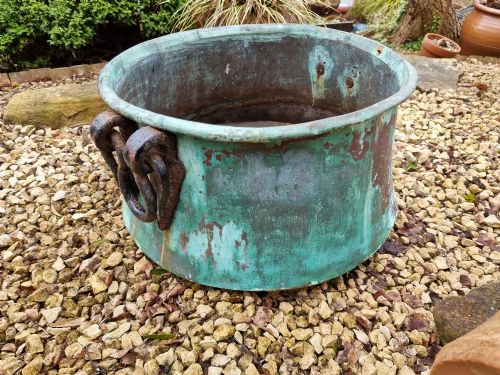
Surface treatments recorded across the listings include original distressed paint, verdigris finishes, and enamel coatings, which develop through age and exposure. Structural components often incorporate brass handles, iron swing bails, and wrought iron stands to support heavy loads.
Antique Iron Pot Retail Price Guide 2026
Typical asking prices for iron pot among the pieces listed under this phrase on Sellingantiques today, from the lower quarter to the upper quarter. They describe what is for sale here now, not the wider market.
Distinctions in Quality
Quality rests upon the integrity of the metal gauge, the crispness of any cast ornamentation, and the preservation of original surfaces such as distressed paint or natural verdigris. Heavy-gauge metalwork and purposeful forging indicate superior craftsmanship intended for demanding domestic or industrial tasks.
The sophistication of the design - ranging from plain utilitarian hearth gear to elaborate classical campana urns or multi-tiered pan stands - dictates the visual impact of the piece. Intact structural elements, original hooks, and authentic period fixings distinguish finer examples from altered items.
Andrew Handyside
The Antique Iron Pot Glossary
- Campana urn
- A bell-shaped garden ornament featuring a flared rim and a mounted plinth, commonly cast in iron during the nineteenth century.
- Trammel hook
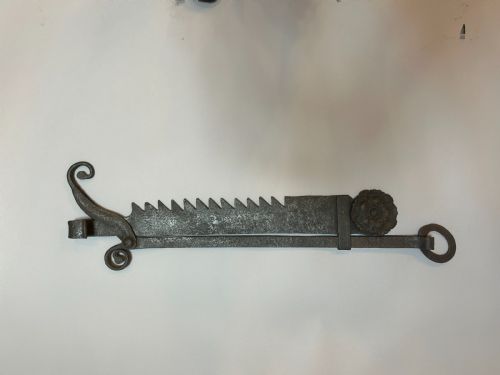
- An adjustable wrought iron bar fitted with notches or hooks, historically used in chimneys to suspend pots over an open fire at varying heights.
- Jardiniere
- An ornamental pot or stand designed to hold growing plants or cut flowers, frequently cast in iron or fashioned from copper.
- Preserving pan
- A wide, flat-bottomed cooking vessel with a single handle or side grips, typically hammered from heavy-gauge copper for jam-making.
- Hearth crane
- A pivoting iron arm mounted inside a chimney to swing heavy pots on and off the fire safely.
Antique Iron Pot: Frequently Asked Questions
What is an antique iron pot used for today?
These robust vessels serve primarily as decorative garden planters, indoor plant holders, or architectural fire-place accents. Their heavy metal construction and patinated surfaces suit rustic interiors and exterior landscaping.
Collectors also utilise tiered iron stands and metal cookware to display collections or bring historical industrial texture into modern rooms.
How do I date an antique iron pot?
Dating relies on observing manufacturing techniques, such as the transition from hand-forged wrought iron to nineteenth-century machine casting and riveting. Style markers like Georgian proportions or Victorian classical motifs provide further chronological clues.
Checking for maker marks, tool marks, and surface patination helps narrow down the period of manufacture.
Are these pots safe for cooking?
Most pieces listed are acquired for display, interior decoration, or garden planting rather than active food preparation. Historic metal cookware often requires careful restoration and testing before any modern culinary use.
Buyers should examine the interior surface for residues, pitting, or protective coatings that affect food safety.
How should I clean a cast iron garden urn?
Gentle brushing removes loose dirt and debris without harming original distressed paint or aged verdigris surfaces. Avoid harsh chemical cleaners that strip historical patination from the metal.
Applying a light protective wax or sealant helps preserve iron pieces kept outdoors against weathering.