



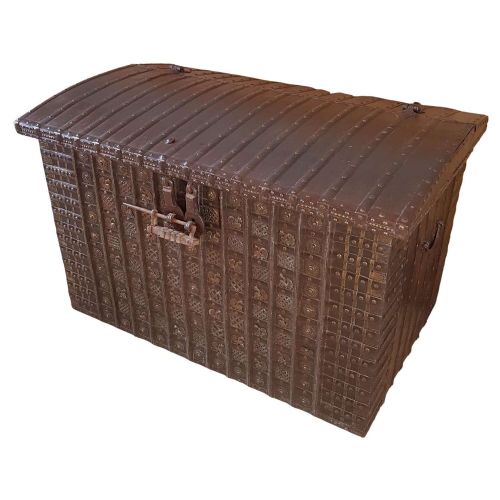


Antique Iron Lock
An antique iron lock secures heavy oak chests, strong boxes and stout doors with mechanical ingenuity forged by hand.
Antique Iron Lock
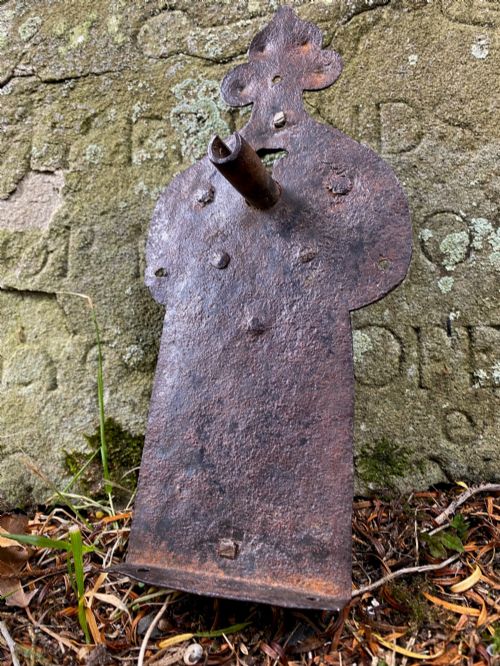
When you search for an antique iron lock, you find functional security hardware mounted to domestic woodwork or engineered as standalone mechanisms. The pieces span from sixteenth century architectural fittings to Victorian industrial safes.
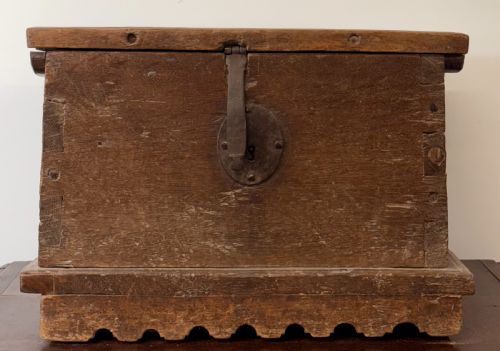
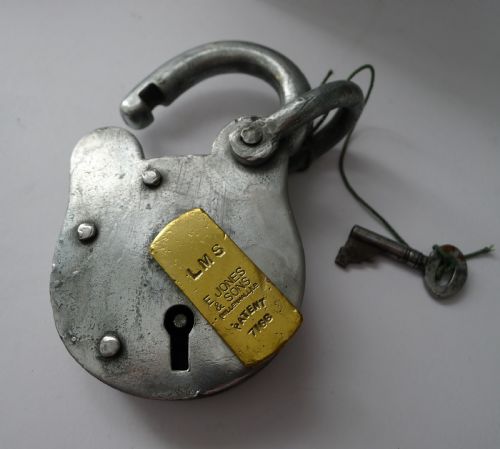
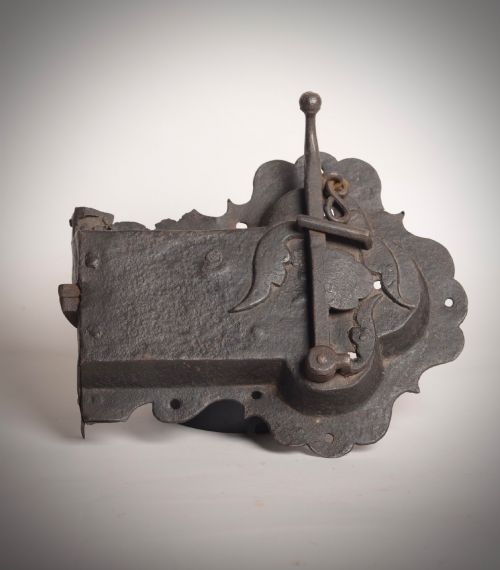
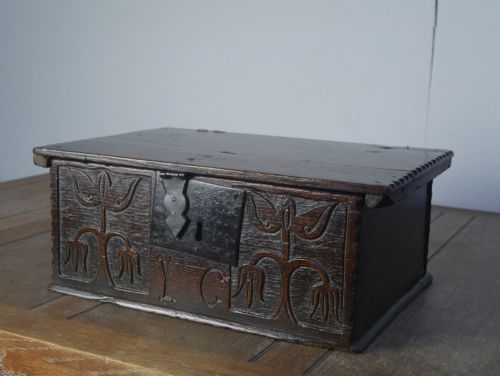
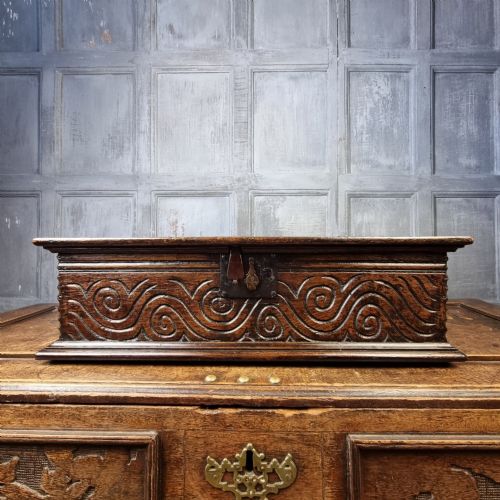
The versions most likely to appear on this page include rim locks on period doors, box locks housed within seventeenth century oak coffers, and heavy padlocks from railway and customs use. These mechanisms protect valuables using complex internal levers and springs.
The selection encompasses Spanish, French and English origins, incorporating materials such as brass, steel and wrought iron. Each piece reflects the specific security requirements of its original domestic, mercantile or institutional context.
Materials and construction methods
Blacksmiths shaped wrought iron and steel by hand using hammers and anvils to forge plates, bolts and springs. Cast iron production emerged later for industrial safes and heavy stock locks.
Makers integrated brass and copper alloys for decorative escutcheons and internal working components to resist corrosion. Timber housings in oak, elm and walnut frequently accompanied these metal mechanisms.
Hand-filed components meant each key matched its specific internal wards precisely. Structural joints on mounting plates utilised hand-forged rivets and screws rather than modern machine fasteners.
Antique Iron Lock Retail Price Guide 2026
Typical asking prices for iron lock among the pieces listed under this phrase on Sellingantiques today, from the lower quarter to the upper quarter. They describe what is for sale here now, not the wider market.
Materials combine forged iron and steel with oak, elm, walnut and brass housings.
Differentiating quality across pieces
Quality separates simple utility hardware from complex mechanical engineering found in bespoke strong boxes and specialised safes. Master locksmiths demonstrated superior skill through intricate internal mechanisms and multi-lever security.
The integration between the metalwork and the supporting timber housing determines structural integrity. Hand-chased decoration on lock plates and original functioning keys elevate the significance of individual pieces.
Milners of Liverpool·George Price·Waring and Sons·Chubb
The Antique Iron Lock Glossary
- Rim lock
- A mechanical lock mounted onto the surface of a door rather than mortised inside the edge. These units remained visible on the room side.
- Stock lock
- A mechanism enclosed within a timber block or housing. These units secured heavy doors and chests during earlier periods.
- Warded lock
- A mechanism containing stationary obstructions inside that require a key with matching cuts to pass. The key turns and clears these fixed barriers to release the bolt.
- Escutcheon
- A protective plate surrounding the keyhole. This element shields the surrounding timber or iron from wear caused by the key.
- Spring bolt
- A latch mechanism that retracts under pressure and returns via internal spring action. These allowed doors to close and latch automatically.
Antique Iron Lock: Frequently Asked Questions
How do these old locks function?
These mechanisms operate through internal levers, springs and fixed wards that engage with a specifically cut key. Turning the key lifts or clears these obstacles to release the heavy iron bolt.
Many survive with their original keys, though locksmiths historically adjusted the internal barriers to suit replacement keys when originals were lost.
Where were these locks originally placed?
Locks found a home on heavy entrance doors, interior chamber doors, and structural wooden coffers or strong boxes. Railway companies, customs houses and industrial factories also utilised specialised padlocks and safes.
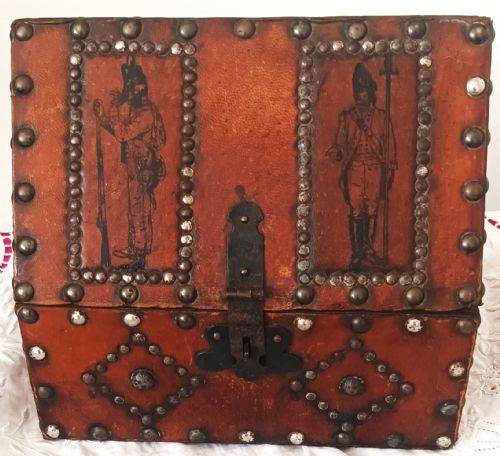
Domestic examples secured family valuables inside oak, walnut or leather-bound caskets kept in private rooms.
How do I maintain an iron lock?
Keep the metal clean from moisture by applying a light coat of conservation wax or microcrystalline wax to the iron surfaces. Avoid modern household oils that attract dust and gum up the delicate internal springs.
Operate the mechanism gently and only when necessary to preserve the historical integrity of the hand-forged components.
How can I tell the period?
Dating relies upon the manufacturing technique, form and the style of the mounting plate or housing. Hand-forged wrought iron with simple box frames typically points to earlier centuries.
Later Victorian examples feature cast iron construction, patented mechanisms, and maker signatures from established nineteenth century firms.