

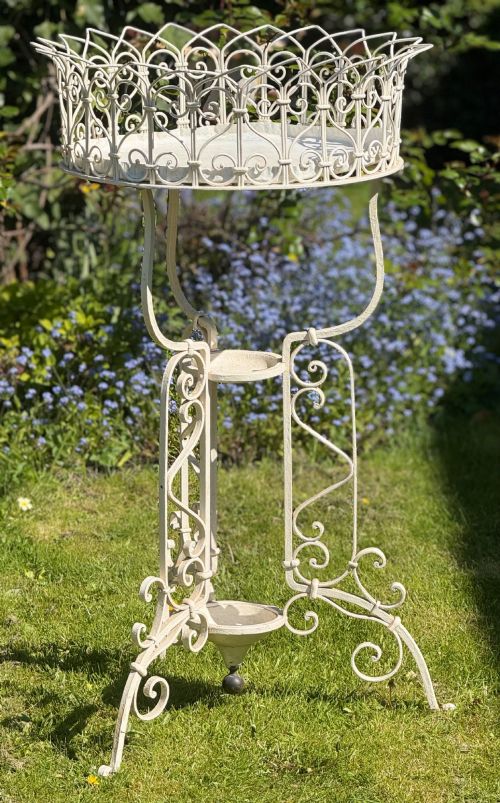


Antique Iron Jardiniere
An antique iron jardiniere brings heavy architectural weight and robust planting vessels into gardens, conservatories and country houses.
Antique Iron Jardiniere
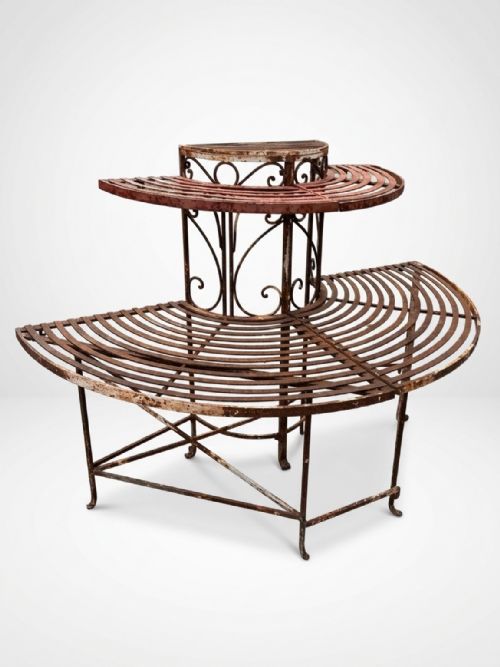
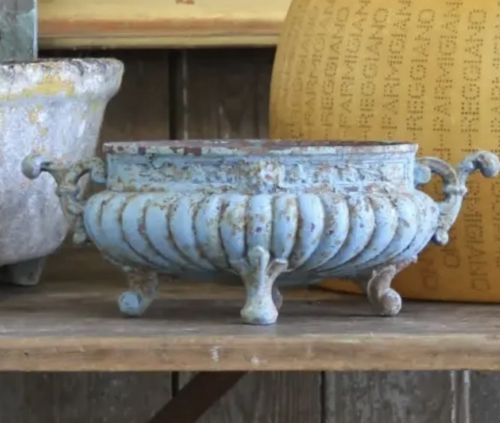
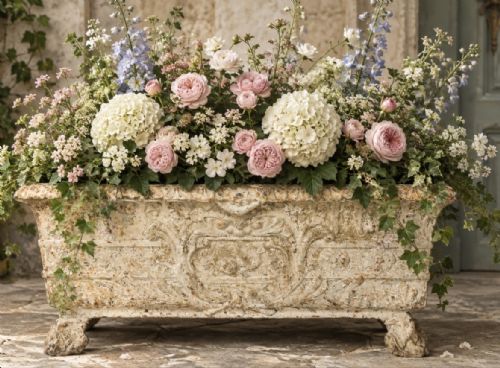
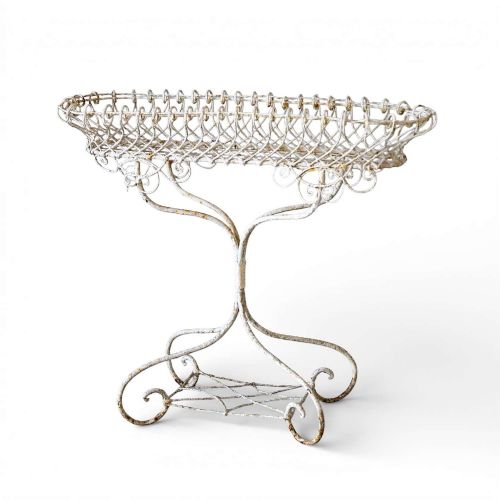
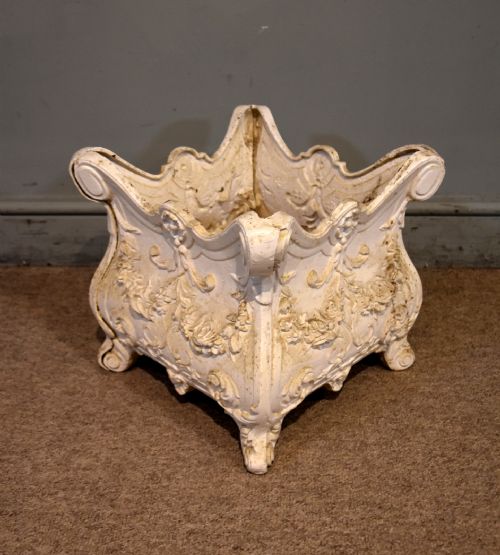
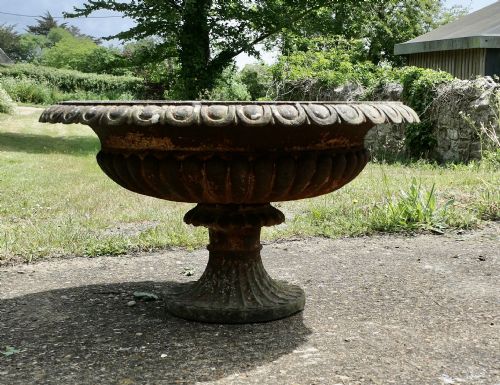
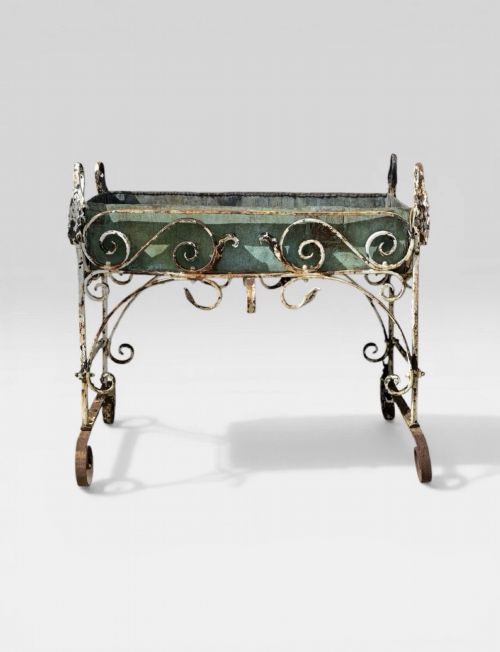
An antique iron jardiniere is a sturdy plant holder or garden urn designed to display greenery both indoors and out. When you search for an antique iron jardiniere, you encounter everything from grand Victorian lawn urns to delicate wirework conservatory stands.
The pieces listed on this page span the nineteenth century, the Edwardian era and the Georgian period. Cast iron garden planters and wrought iron plant stands dominate the selection, often taking the form of tiered stands or footed pots.
French and English origins predominate among these garden vessels. Buyers frequently find French chateau and country styles alongside heavy English Victorian cast iron designs.
What varies in quality
The crispness of the cast relief ornament separates ordinary utility pots from superior display pieces. Foundries like Coalbrookdale achieved exceptional detail in foliage and sculptural motifs.
Structural integrity in forged wrought iron depends on the neatness of the joinery and the balance of scrollwork. Superior tier stands maintain rigid alignment despite heavy damp earth and large pots.
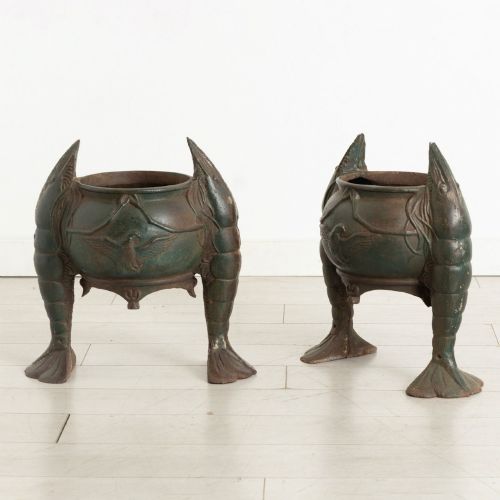
One exceptional pair of nineteenth-century cast iron planters takes the surprisingly delightful form of shrimp.
Coalbrookdale
The Antique Iron Jardiniere Glossary
- Jardiniere
- A decorative pot or stand for holding plants or flowers. These items sit on floors or tabletops.
- Cast iron
- An iron-carbon alloy poured into moulds to create rigid, heavy objects with decorative relief. It withstands heavy garden use.
- Wrought iron
- Tough, malleable iron beaten into shape by hand, often featuring scrolls and open lattice designs. It provides slender structural support for plants.
- Wirework
- Construction using interwoven metal wire to form light, airy stands and baskets for conservatories. This technique became popular during the Victorian era.
Antique Iron Jardiniere: Frequently Asked Questions
Can I leave my cast iron jardiniere outside?
Cast iron is naturally robust and suited for garden use, enduring frost and rain when properly maintained with protective paint or coatings.
Heavier urns and planters handle strong winds well, but extreme freezing water inside unlined pots can occasionally crack older metal.
How do I care for a wirework plant stand?
Wirework stands require gentle cleaning with a soft brush to remove dust and debris from intricate joints without damaging the original finish.
Keep them in sheltered conservatories or dry indoor spaces to prevent excessive rust from weakening the fine wire mesh.
How do I date a nineteenth-century iron plant stand?
Dating relies on stylistic clues such as Regency scrollwork, Victorian Gothic revival motifs, or Arts and Crafts simplicity.
Construction marks, paint layers and the specific manufacturing techniques used in the ironwork also help narrow down the production era.