


Antique Iron Garden Set
These antique iron garden sets bring enduring metalwork and robust outdoor seating to terraces and lawns.
Antique Iron Garden Set
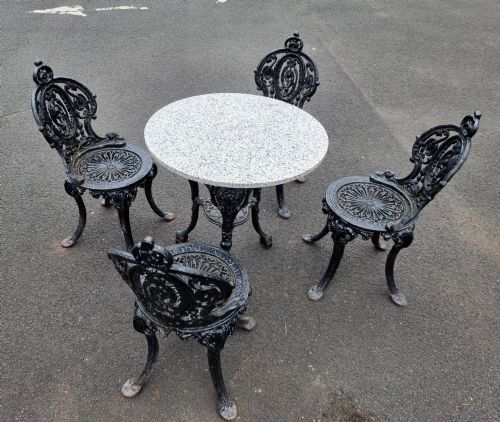
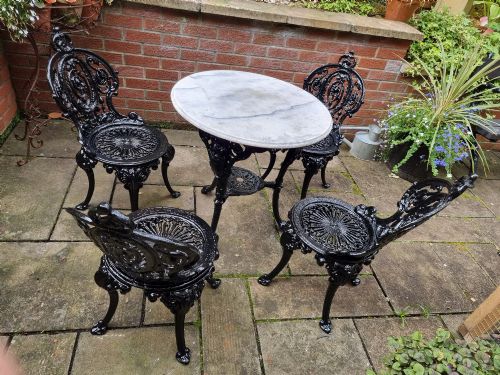
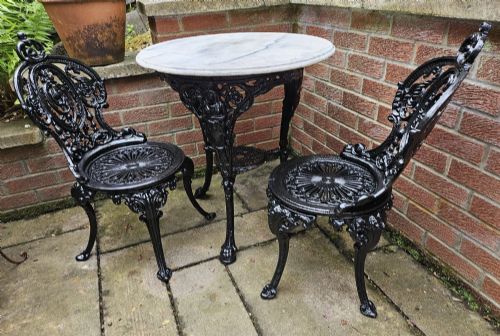
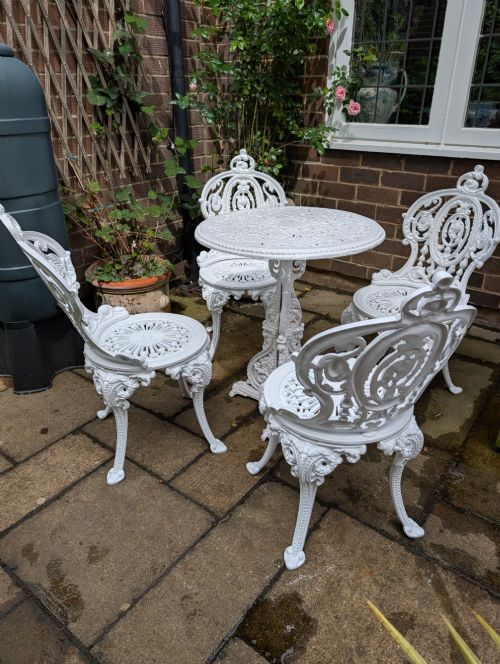
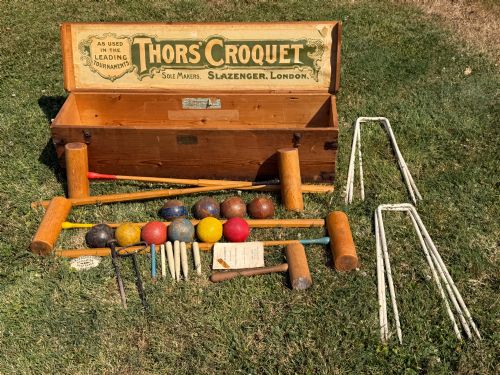
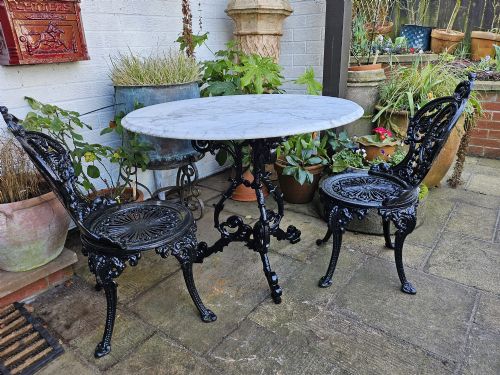
An antique iron garden set comprises tables, chairs, benches, and occasionally urns or game sets designed for exterior use. These groupings span the nineteenth century, the Victorian era, the Edwardian period, and the 1920s and 1930s. The most common configurations on this page pair a central table with four matching chairs for dining or social gathering outdoors.
The origins of these sets vary widely across European and international workshops, featuring French bistro and chateau designs, Spanish cafe pieces, and British foundry work. Forms range from heavy cast-iron dining sets and folding chairs to delicate wirework tables and mosaic cafe settings. Buyers find both complete matched assemblies and assembled groupings intended for patio or lawn placement.
How they were made
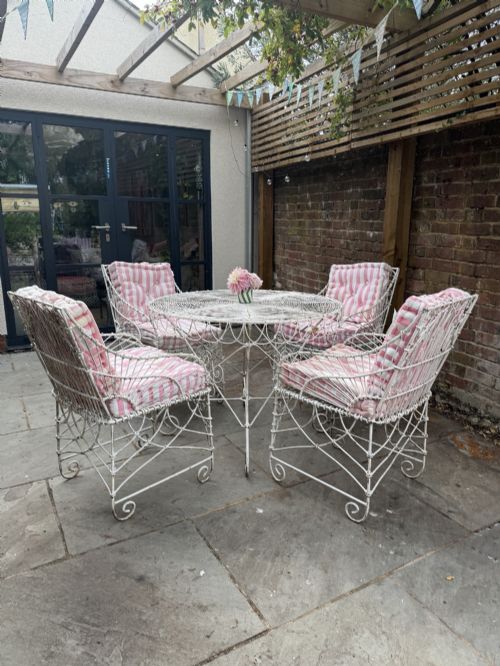
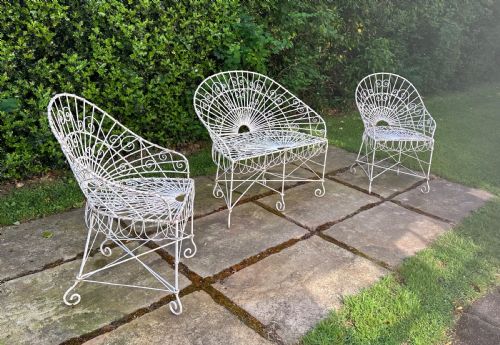
Foundries utilised cast iron and wrought iron as the primary structural metals, often pouring molten iron into intricate moulds to produce botanical motifs, gothic patterns, and heavy frames. Timber, marble, and granite frequently appear as contrasting materials for table tops, while wirework construction creates lighter, open frames. Paint finishes protect the underlying metal from weathering, and fabric elements appear in associated seating components.
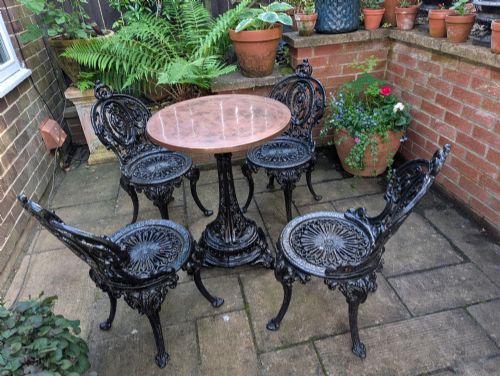
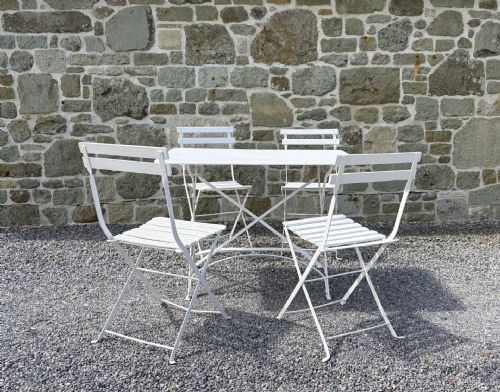
Specialised techniques distinguish the various regional styles, from the folded mechanisms of French chairs to the complex welded and twisted lines of wirework. Heavy casting allowed for deep relief patterns such as blackberry and leaf designs, whilst structural ironwork supported heavy stone and marble slabs on bistro and cafe tables.
Listings feature cast iron, wrought iron, wirework, marble, and granite across Victorian, Edwardian, Art Deco, and French bistro styles.
What varies in quality
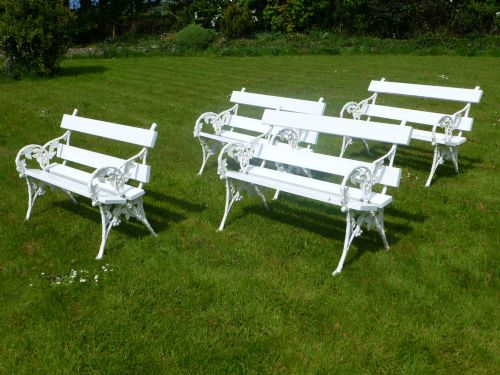
The distinction between ordinary utility items and exceptional pieces rests upon the crispness of the foundry casting and the sophistication of the design. Sharply defined botanical relief work and named foundry origins elevate certain sets far above anonymous utilitarian production. The presence of integrated matching benches or uncommon table forms further separates standard groupings from masterworks.
Material combination and structural integrity dictate the upper tier of the range. Heavy cast-iron construction combined with integrated marble or granite tops represents superior manufacture compared to lighter, purely functional alternatives. The survival of original paint surfaces and the complexity of decorative wirework or gothic detailing determine the standing of each set.
Falkirk Foundry·Christopher Dresser·Val D'osne
The Antique Iron Garden Set Glossary
- Cast iron
- A hard, relatively brittle alloy of iron and carbon that can be poured into a mould to mass-produce complex decorative patterns. This material forms the heavy structural framework for Victorian garden chairs, tables, and architectural urns.
- Wrought iron
- Tough, malleable iron that is beaten or bent into shape while hot, producing resilient frames and linear decoration. It appears in French garden tables and chairs where lighter, flexible strength is required.
- Wirework
- Metal rods and wire bent and welded into open, geometric or scrolling garden furniture designs. This technique creates lighter tables and chairs popular in nineteenth-century settings.
- Bistro set
- A small table accompanied by two or four chairs, traditionally used in pavement cafes and smaller outdoor spaces. These sets frequently feature folding mechanisms or compact footprints.
- Urn
- A decorative vessel on a pedestal, cast in iron to ornament formal lawns and terraces. Victorian examples often display classical or gothic revival motifs.
Antique Iron Garden Set: Frequently Asked Questions
How do I protect my iron set outside?
Iron garden furniture requires regular inspection and protective coatings to prevent rust formation during damp winter months. Storing pieces under cover or indoors during severe weather preserves the original metal and paint.
Applying specialised metal primers and exterior paints helps maintain the surface finish. Avoid placing iron legs directly on damp soil to reduce moisture absorption.
Can I leave cast iron outside all year?
Cast iron is exceptionally heavy and durable, making it well-suited for permanent outdoor placement on patios and lawns. However, standing water and prolonged freezing temperatures can crack brittle cast components or degrade timber and marble tops.
Lifting pieces onto paving slabs rather than grass prevents moisture from drawing up through the base. Protective covers offer additional defence against snow and autumn leaves.
How do I date a cast iron garden set?
Dating relies upon stylistic markers, foundry stamps, and construction methods characteristic of specific decades. Mid-nineteenth-century pieces often feature deep botanical castings and gothic revival patterns, whilst 1920s and 1930s sets adopt cleaner art deco or French bistro lines.
Matching chairs to documented foundry catalogues or registered design marks provides a precise period. Plain utilitarian forms without registration numbers generally indicate later industrial production.
Are antique iron sets comfortable to use?
Victorian and Edwardian iron chairs were designed with contoured slats and supportive backs suited for outdoor relaxation. While metal seats lack padding, they offer robust support for dining and social gatherings.
Adding custom fabric cushions or squabs improves comfort for extended sitting. The heavy mass of these chairs also prevents them from tipping easily in windy garden locations.