




Antique Iron Garden Ornaments
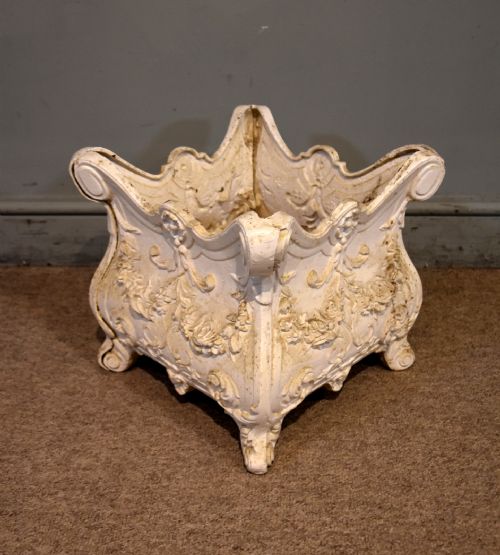
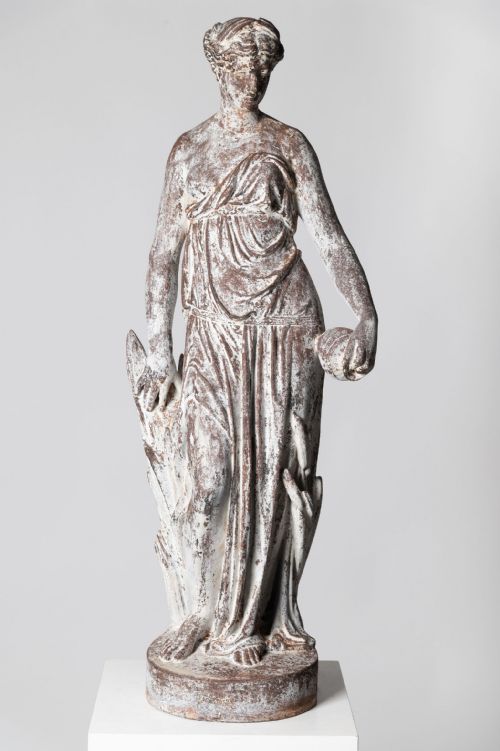
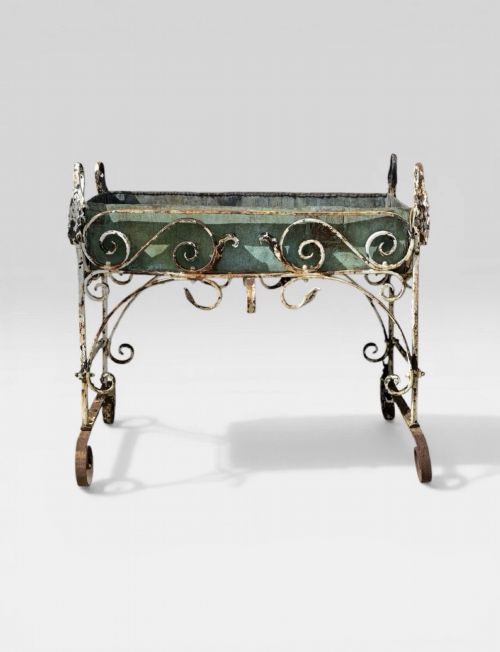
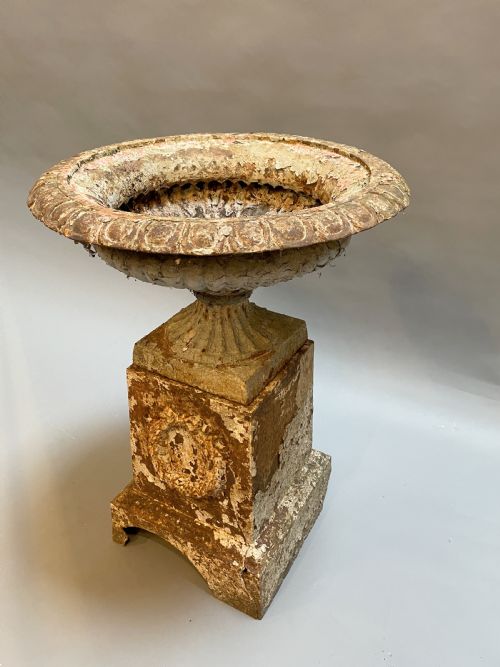
Antique iron garden ornaments bring enduring structure to grounds through heavy cast and wrought metal urns, statues, and planters shaped in Victorian and Regency styles.

Antique Iron Garden Ornaments
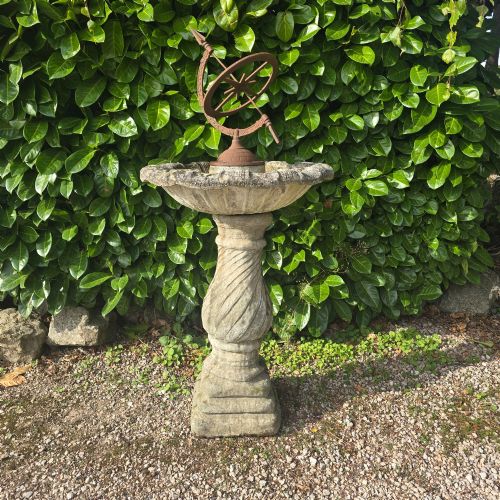
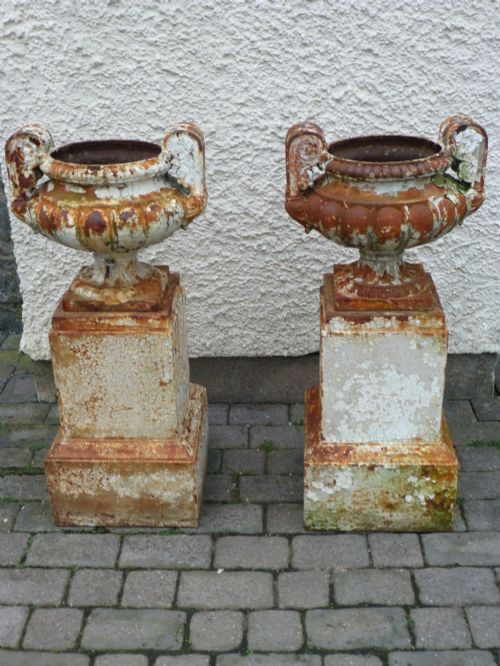
When you search for antique iron garden ornaments, you encounter heavy metal pieces designed to weather the elements while anchoring outdoor spaces with classical and Victorian forms. Garden urns and planters dominate the selection, appearing alongside statuary, hitching posts, and architectural salvage from the nineteenth and early twentieth centuries.
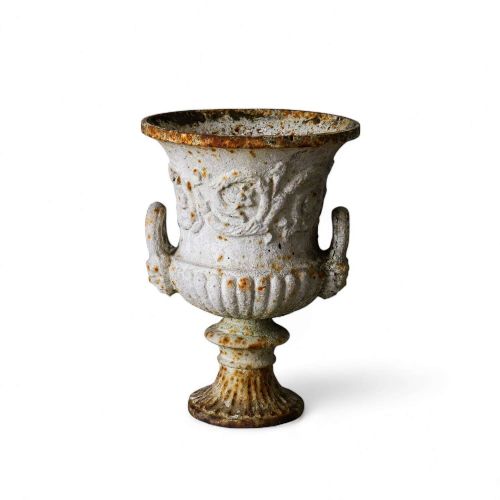
The pieces on this page span the Georgian, Regency, and Victorian eras through to the early twentieth century, showing styles from Neoclassical campana shapes to French Country vessels and novelty shell forms. Foundries such as Coalbrookdale, Carron, and Andrew Handyside produced many of the most recognizable campana urns and figural works found in historic gardens.
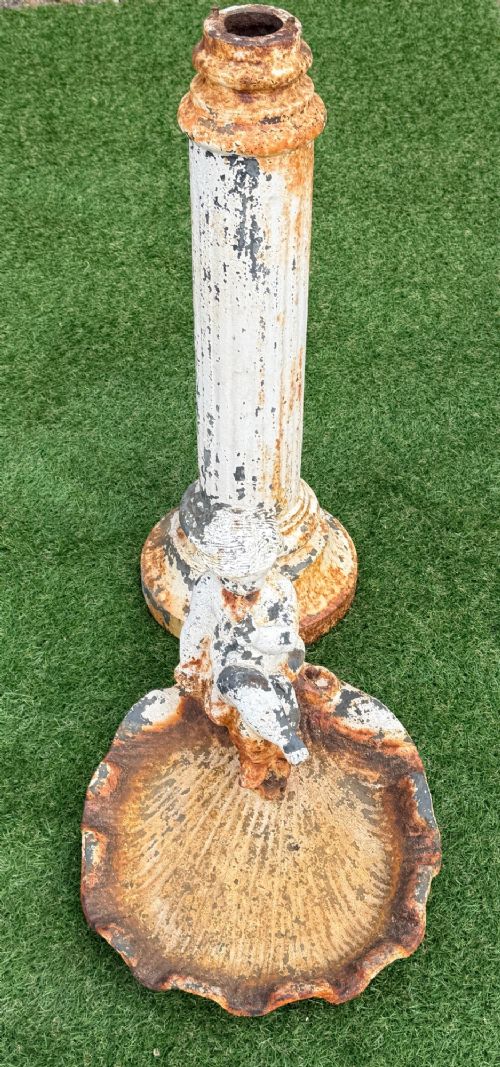
Beyond standard planters, the selection includes functional utilitarian items and decorative statuary, including horse head hitching posts, boy and girl figures, eagles, and cannons. These metal works bring sculptural weight to terraces and lawns, often bearing the accumulated surface patination of decades outdoors.
Assessing quality in metal garden antiques
Quality rests in the crispness of the foundry casting and the depth of the relief work, where finer pieces display sharp classical detailing rather than soft or muddy edges. Named foundry attributions, such as pieces bearing marks from Coalbrookdale or Andrew Handyside, elevate the standing of an urn or statue.
Original matching pairs command greater architectural presence than single survivors, especially when retaining their initial pedestals or plinths. The integrity of the metal, balanced against honest weathering and historical paint layers, separates superior examples from later utility castings.
Antique Iron Garden Ornaments Retail Price Guide 2026
Typical asking prices for iron garden ornaments among the pieces listed under this phrase on Sellingantiques today, from the lower quarter to the upper quarter. They describe what is for sale here now, not the wider market.
Among the sturdy urns and classical statues, historic gardens occasionally featured heavy cast iron garden cannons and shrimp-shaped planters.
Falkirk Carron foundry·Coalbrookdale·Andrew Handyside·Val d’Osne foundry
The Antique Iron Garden Ornaments Glossary
- Campana urn
- A bell-shaped garden vessel with a flaring rim and footed base, frequently cast in iron during the nineteenth century.
- Foundry mark
- A stamp or raised signature identifying the commercial ironworks responsible for casting the piece, such as Carron or Coalbrookdale.
- Hitching post
- A sturdy vertical metal post topped with an animal head, such as a horse, used historically for tying reins.
- Architectural salvage
- Elements rescued from older buildings or gardens, ranging from statuary to structural ironwork repurposed for modern landscapes.
- Patina
- The surface oxidation and weathering acquired by outdoor metal over decades of exposure to the elements.
Antique Iron Garden Ornaments: Frequently Asked Questions
How do I care for antique iron urns?
Keep metal garden ornaments elevated slightly on stone or timber pads to prevent moisture rising directly from the ground into the base.
Inspect the surface periodically for active rust, brushing away loose debris and applying appropriate protective coatings where necessary to stabilize the historic iron.
Were these pieces always meant for gardens?
Many nineteenth-century cast iron pieces were designed specifically for outdoor display on gravel terraces, lawns, and grand conservatory spaces.
Foundries marketed these heavy urns and statues to withstand seasonal weather while providing permanent classical architecture for landscape design.
How can I tell a Victorian urn from a later copy?
Examine the weight, thickness, and casting seam marks, as older nineteenth-century pieces often display heavier proportions and hand-finished detailing from traditional foundry production.
Look closely at the bolt holes, ground contact areas, and the character of the surface oxidation for signs of genuine age.
Can heavy cast iron ornaments stay outside in winter?
Cast iron handles frost well provided that water is not allowed to pool and freeze inside unsealed vessels or narrow cavities.
Ensure planters and urns have functioning drainage holes so that trapped moisture does not expand and crack the historic metal during freezing temperatures.