
Antique Iron Garden Furniture
Antique iron garden furniture brings robust metalwork and botanical motifs to lawns and terraces, offering enduring outdoor seating shaped by nineteenth and early twentieth century foundries.
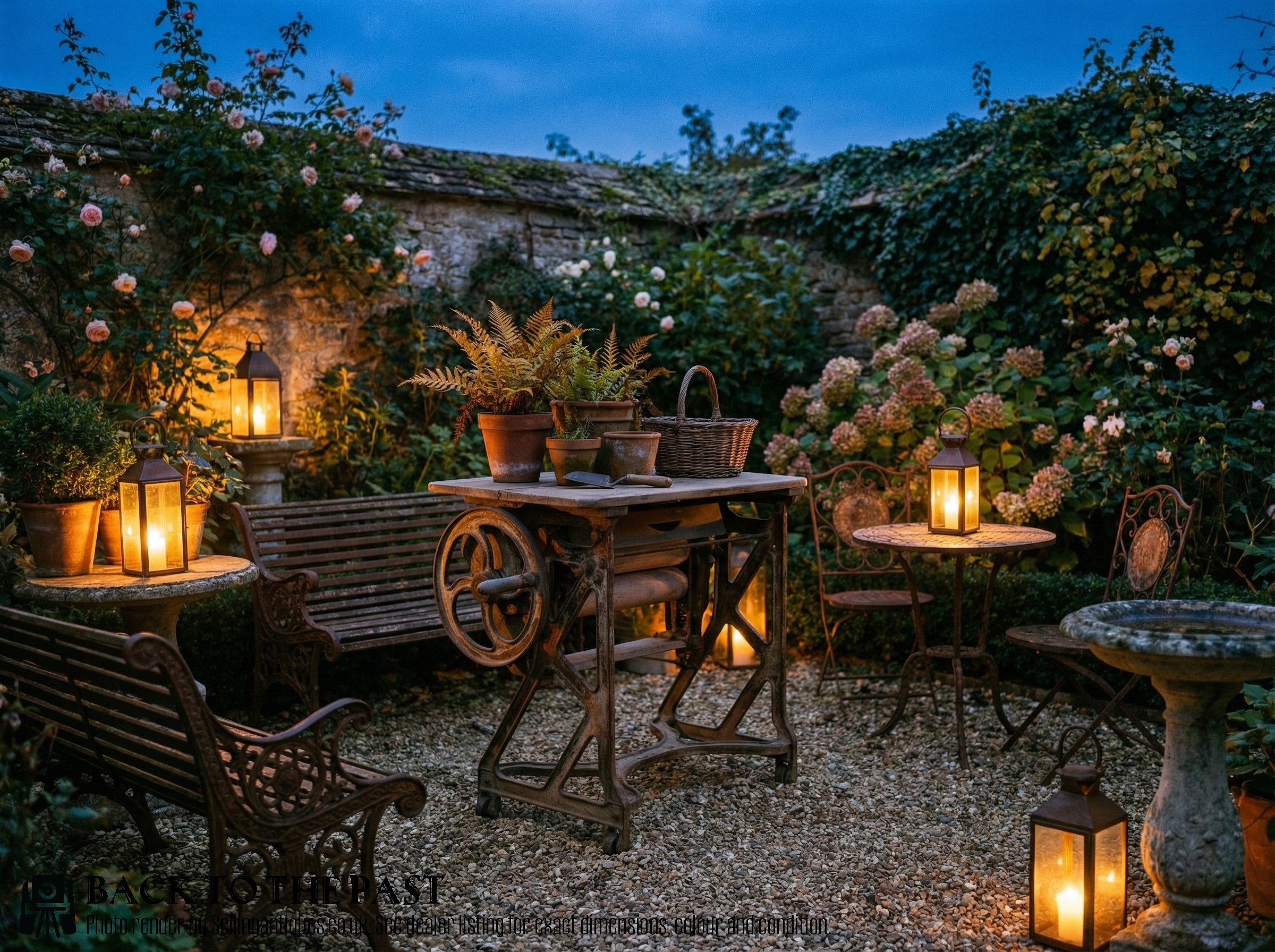
Antique Iron Garden Furniture
When you search for antique iron garden furniture, you encounter robust outdoor pieces designed for lawns, conservatories and patios. These items span utility and ornamentation, ranging from heavy seating to small tables.
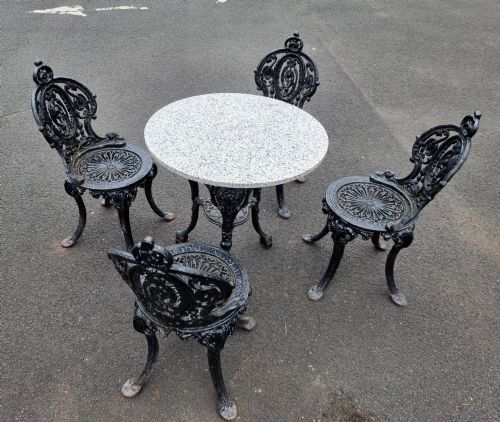
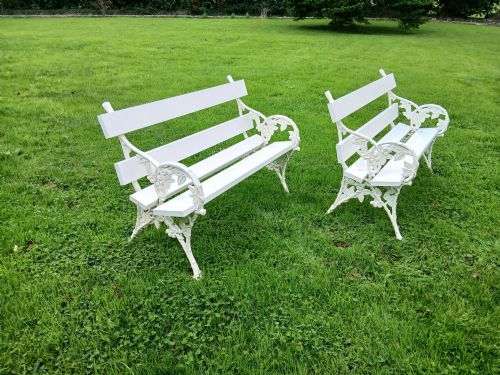
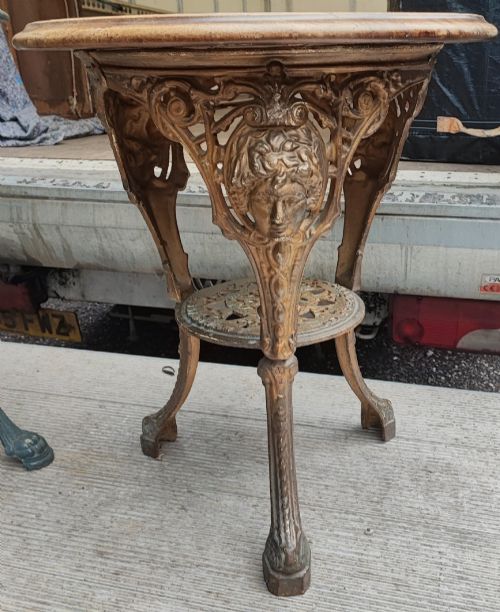
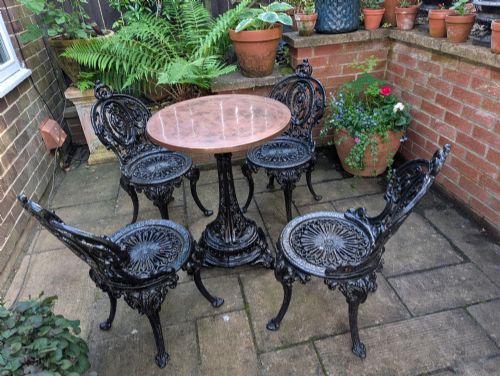
You meet Victorian Gothic designs, French bistro sets and rustic patterns featuring leaf and branch motifs. Foundry marks and foundry designs often distinguish the most notable examples.
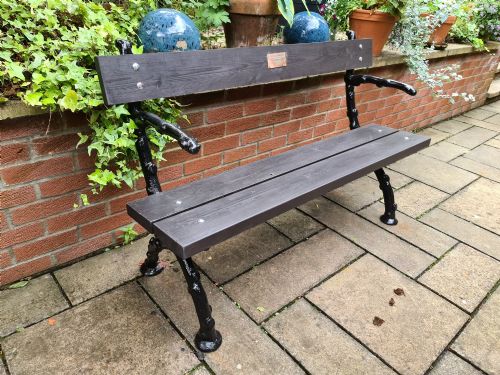
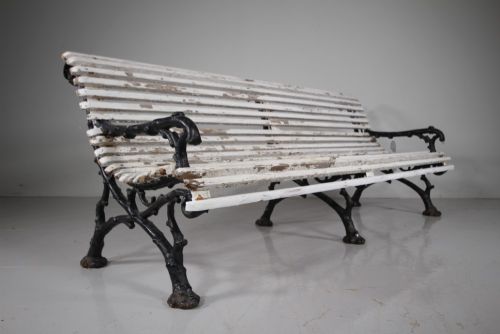
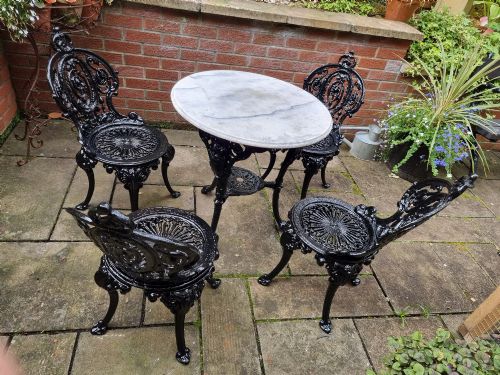
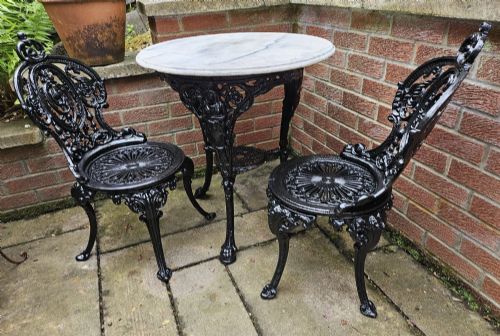
Benches, dining sets and plant stands dominate the selections available from the nineteenth and early twentieth centuries. Iron combines frequently with timber slats or marble tops on tables and consoles.
Materials and Construction
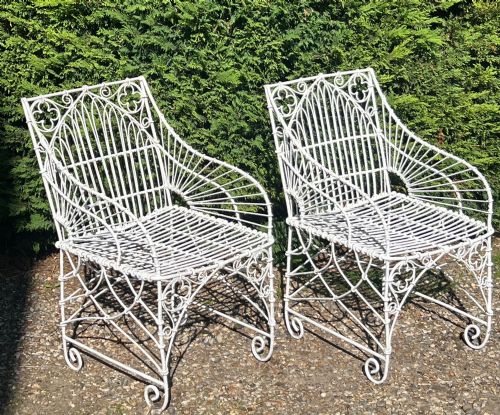
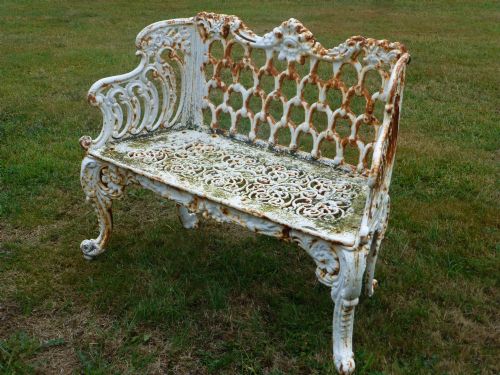
Foundries utilised cast iron for intricate pierced backs and structural frames, pouring molten metal into detailed moulds. Wrought iron provided pliable strength for strapwork benches and linear supports.
Secondary materials such as pitch pine, timber and marble integrated with metal frameworks for seats and tabletops. Protective layers of paint preserved the iron against outdoor weathering across decades.
Listings feature pieces spanning the Regency era through the 1940s, utilising cast iron, wrought iron, timber and marble.
Assessing Craftsmanship
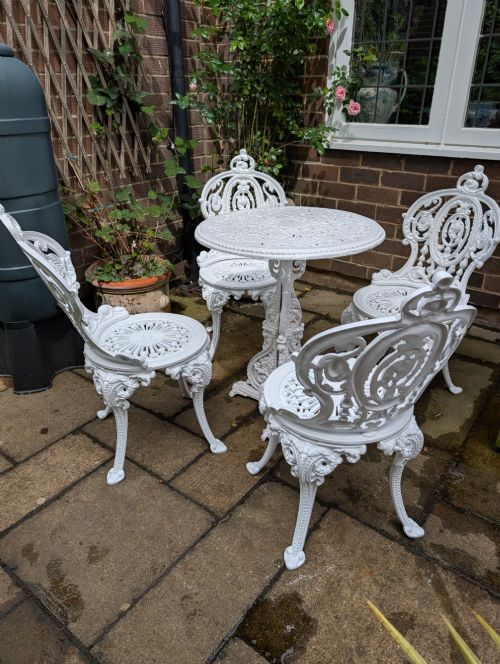
The crispness of the casting defines the distinction between standard foundry output and masterwork creations. Finer pieces display sharply rendered botanical details like blackberry vines, oak leaves and lion masks.
Structural integrity depends upon the weight of the metal and the precision of the joinery in associated timber or marble components. Renowned foundry attribution elevates the stature of specific garden seats.
Falkirk Carron Foundry·Christopher Dresser·Coalbrookdale
The Antique Iron Garden Furniture Glossary
- Cast iron
- Molten iron poured into a mould to create rigid, highly detailed ornamental forms. This technique allowed Victorian foundries to produce complex scrollwork and figurative designs for benches.
- Wrought iron
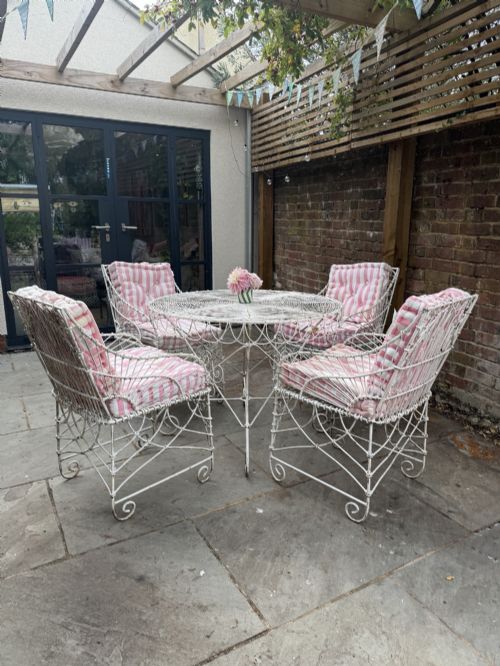
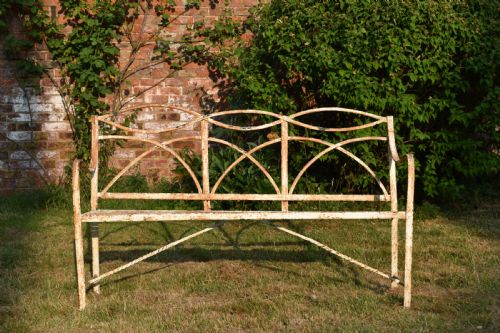
- Iron heated and hammered into shape by hand or machine to create strong, flexible components. It appears prominently in linear strapwork garden benches and scroll frames.
- Strapwork
- Flat bands of metal arranged in geometric or interlaced patterns across seat backs. This style characterises many Regency and later outdoor frames.
- Faux bois
- Imitation wood grain cast into metal to mimic natural timber branches and twigs. Foundries utilised this technique to blend garden furniture into surrounding foliage.
- Bistro set
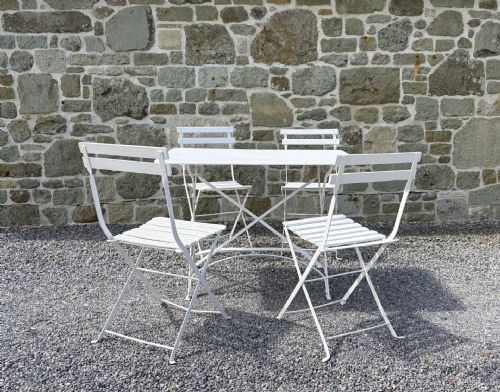
- A small metal table accompanied by matching chairs designed for compact outdoor spaces. These French-inspired groups frequently incorporate folding mechanisms or marble surfaces.
Antique Iron Garden Furniture: Frequently Asked Questions
How do I protect iron garden furniture outdoors?
Keep painted surfaces maintained and store pieces under cover during harsh winter months to prevent excessive moisture accumulation.
Inspect the metal periodically for early signs of rust and treat affected areas promptly with appropriate protective coatings.
Are these pieces heavy to move?
Solid cast iron tables and benches possess substantial weight due to the density of the metal. Two people are typically required to reposition larger garden seats safely.
Smaller bistro chairs and wirework items offer lighter alternatives that move easily across terrace paving.
Can I leave wooden slats outside year round?
Timber elements such as pine or pitch pine react to changing weather conditions and benefit from seasonal treatment. Applying protective oils helps preserve the wood against splitting.
Many antique benches combine iron frames with replaceable timber components to maintain structural longevity.
How do I identify a Victorian Gothic bench?
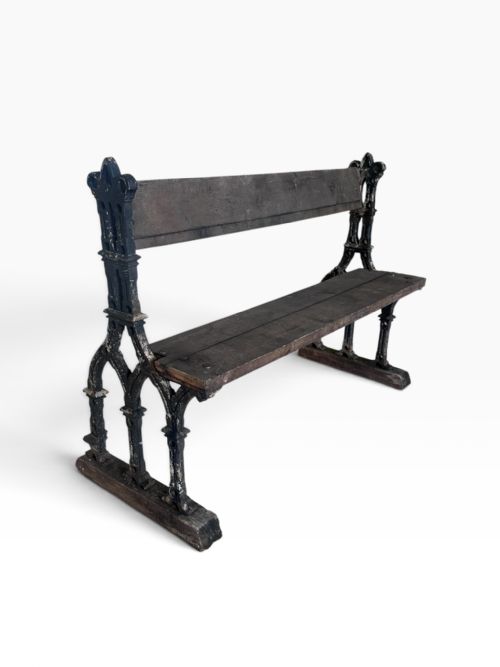
Victorian Gothic designs feature pointed arches, trefoil motifs and architectural lines borrowed from ecclesiastical stone buildings. These elements appeared translated into heavy cast iron frames.
Foundries produced these architectural seats alongside rustic branch patterns during the mid nineteenth century.