

Antique Iron Chairs
These antique iron chairs bring robust durability and enduring character to gardens, workshops and studies alike.
Antique Iron Chairs
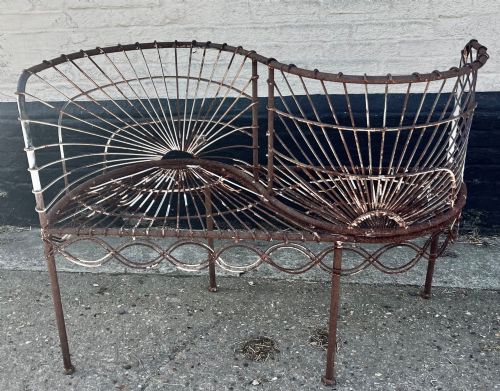
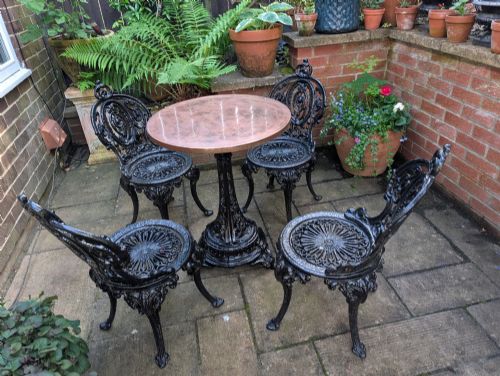
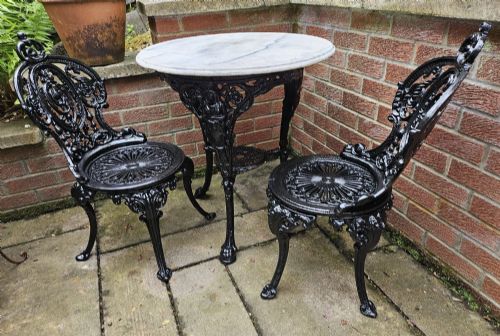
When you search for antique iron chairs, you encounter a varied selection spanning the nineteenth and early twentieth centuries. These pieces encompass everything from sturdy garden seating and park furniture to industrial workshop stools and maritime armchairs. The forms range from simple folding café seats to ornate Victorian garden armchairs complete with intricate foundry decoration.
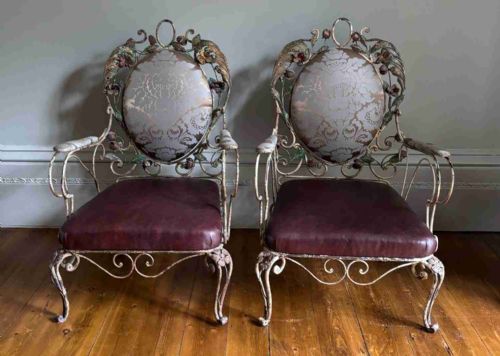
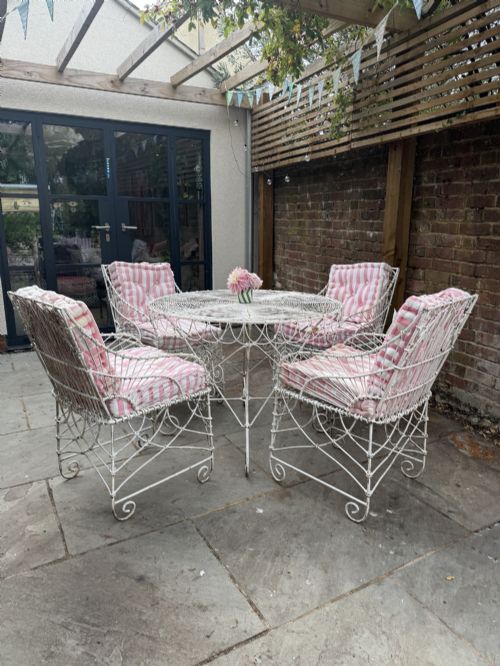
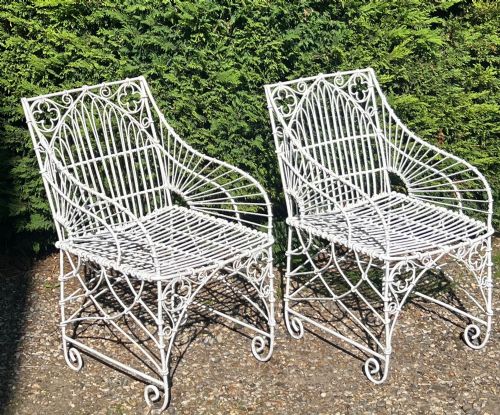
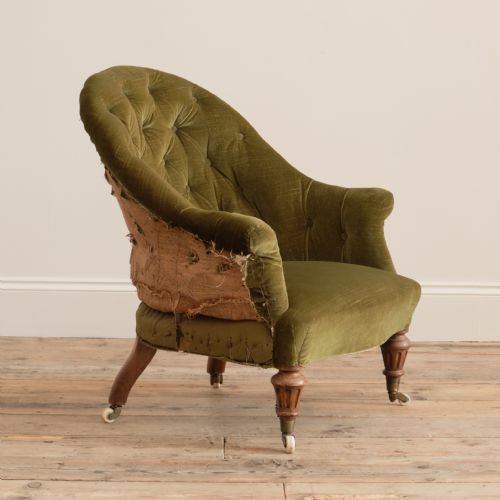
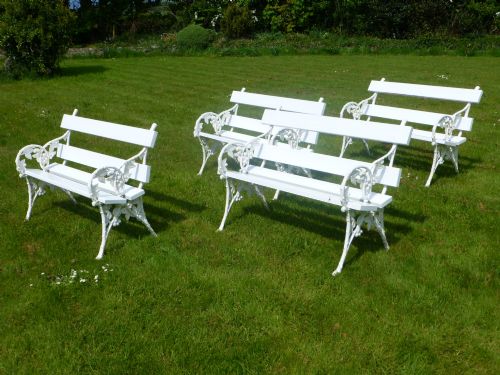
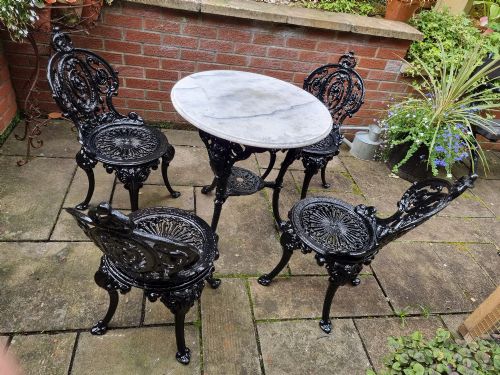
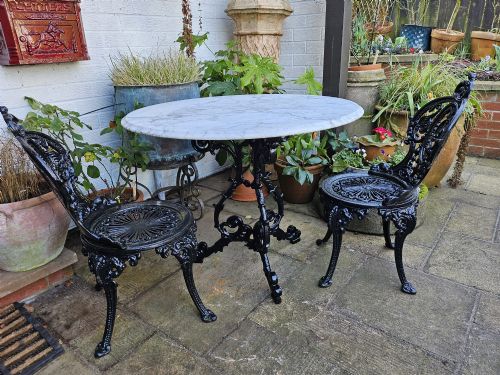
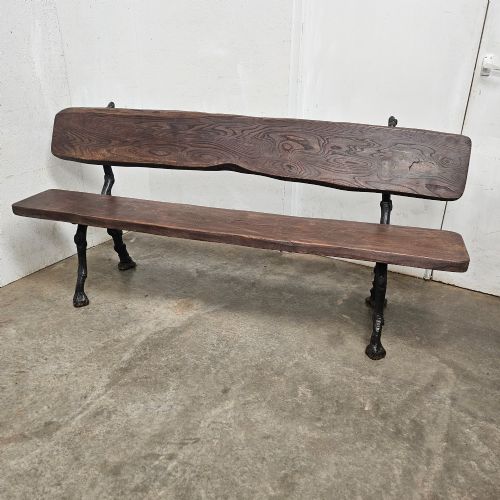
You are most likely to meet cast iron and wrought iron garden chairs on this page, often appearing singly or in matching sets alongside tables and benches. Pieces originating from French country settings or domestic Victorian interiors frequently appear too. These interior examples often combine iron frames with timber seats or upholstered elements in leather, velvet and patterned fabric.
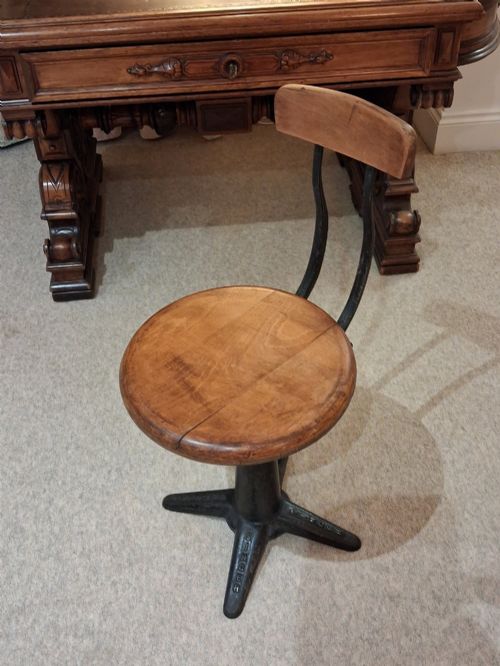
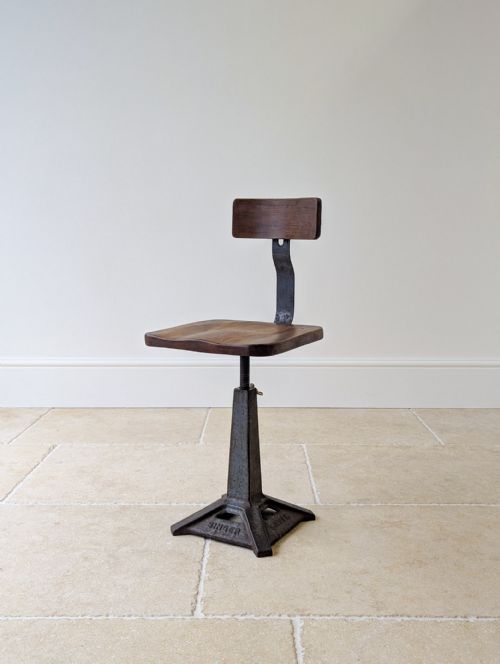
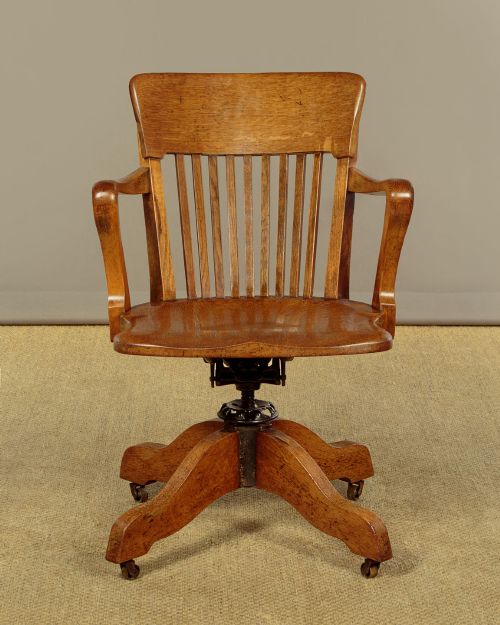
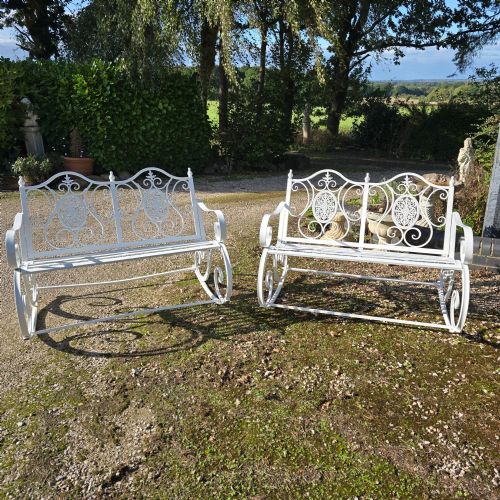
The selection also includes specialist forms such as revolving desk chairs, office seating, dentist chairs and rocking benches. Many reflect specific period styles, including Regency strapwork, Edwardian designs and industrial workshop forms. Whether intended for terrace use or interior comfort, each piece demonstrates the utilitarian strength characteristic of iron construction.
How they were made
Makers utilised cast iron for intricate decorative components, pouring molten metal into moulds to create detailed motifs such as foliage, lion masks and foundry signatures. Wrought iron was shaped by hand through heating and hammering, producing strong structural frames and flexible strapwork for garden seating. These metal frameworks were frequently combined with timber elements such as oak, elm and painted slats for seats and backrests.
Interiors chairs often paired iron frames with padded upholstery covered in leather, velvet or fabric, secured with buttoning techniques. Brass components sometimes provided contrast and mechanical function on revolving desk chairs and office seating. Protective finishes such as paint were applied to guard against rust, particularly on outdoor garden sets and patio furniture.
Antique Iron Chairs Retail Price Guide 2026
Typical asking prices for iron chairs among the pieces listed under this phrase on Sellingantiques today, from the lower quarter to the upper quarter. They describe what is for sale here now, not the wider market.
Listings feature items spanning the nineteenth century through the 1930s, incorporating cast iron, wrought iron, oak, elm, leather and fabric.
What varies in quality
The distinction between standard utility items and finer examples lies in the crispness of the foundry casting and the complexity of the design. Chairs featuring named foundry marks or registered design details display superior artistry compared to unmarked generic pieces. Elaborate ornamentation, such as deep relief blackberry patterns or sculptural lion masks, elevates a piece above basic functional seating.
Structural integrity and the preservation of original surfaces also dictate the standing of a piece. Examples retaining early or original paint finishes and authentic timber elements hold greater interest than heavily altered or recently painted items. The refinement of the ironwork, from delicate Regency strapwork to robust industrial framing, determines the overall character of the chair.
Falkirk foundry·Christopher Dresser·Singer·Evertaut·R W Wingfield·Robert Kime
The Antique Iron Chairs Glossary
- Cast iron
- A hard, brittle alloy of iron and carbon poured into moulds to create decorative and structural forms. This technique allowed Victorian foundries to produce intricate garden furniture with relief patterns.
- Wrought iron
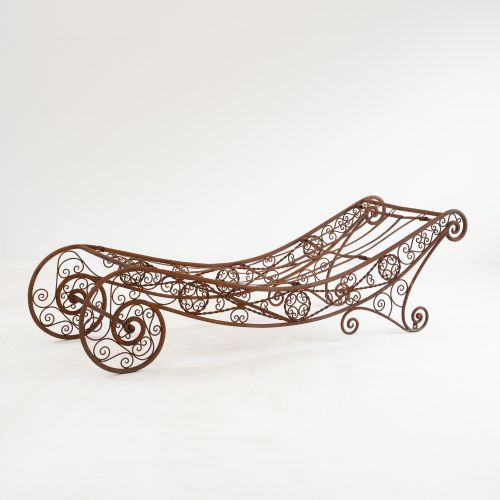
- Tough, malleable iron worked by hand through heating and hammering. It offers greater flexibility than cast iron, making it ideal for curved strapwork and scroll designs.
- Strapwork
- Flat bands of metal arranged in geometric or interlaced patterns. This style is particularly associated with Regency garden benches and chairs.
- Faux bois
- A decorative technique mimicking wood grain, seen on French garden benches where iron or concrete is worked to resemble timber.
- Revolving chair
- A swivel seat mounted on a central spindle or screw mechanism, commonly found on nineteenth-century office, desk and ships chairs.
Antique Iron Chairs: Frequently Asked Questions
How do I identify a nineteenth-century garden chair?
Nineteenth-century garden chairs often display heavy cast iron construction with distinct foundry marks, plant motifs or strapwork designs. They frequently show patination from outdoor exposure over generations.
Examine the construction joints and fixings to understand the manufacturing period, as older pieces use traditional bolts and hand-forged elements rather than modern welding.
Can antique iron chairs remain outside?
Many iron chairs were built specifically for garden use, but prolonged exposure to moisture can cause rust and degrade timber or fabric components. Regular maintenance helps protect the original metalwork.
Interior upholstered or wooden-seated versions require shelter from damp conditions to preserve the fabric, leather and internal padding.
What is the difference between cast and wrought iron?
Cast iron is poured into moulds, resulting in rigid, highly decorative components with intricate details like foliage and animal masks. It is strong under compression but can be brittle under sharp impacts.
Wrought iron is beaten and shaped by hand while hot, producing resilient, fibrous metal that bends rather than breaks. It is typically found in curved frames, structural supports and strapwork.
How should I clean an antique iron chair?
Gentle dusting and wiping with a dry or slightly damp cloth remove surface grime without harming the original paint or rusted patination. Avoid harsh chemical strippers that destroy historical finishes.
For outdoor pieces, applying a protective wax or specialised sealant helps prevent further corrosion while maintaining the authentic appearance of the metal.