

Antique Iron Basket
These heavy metal hearth vessels and grates bring functional weight to a room, formed mostly of cast and wrought iron.
Antique Iron Basket
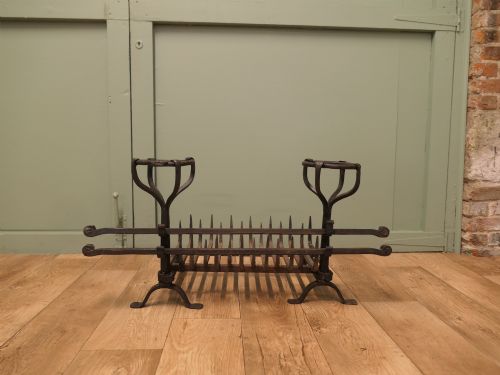
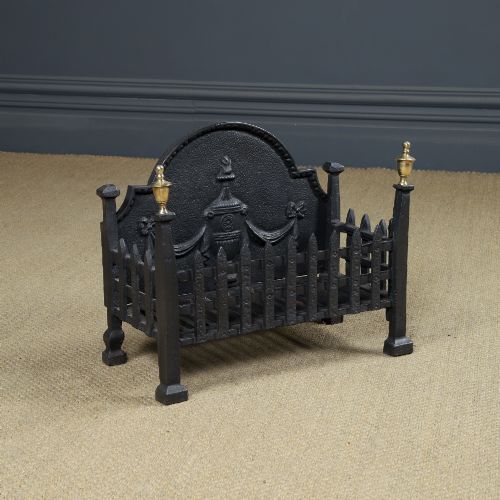
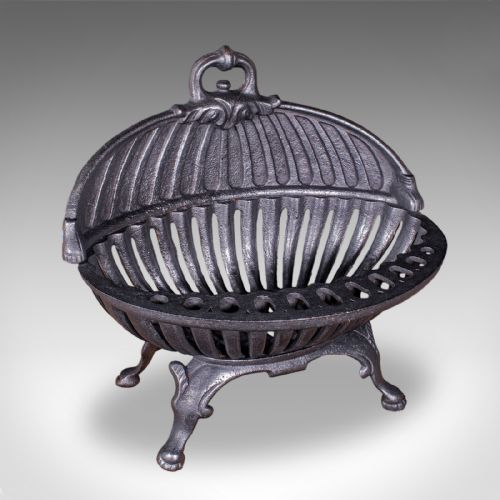
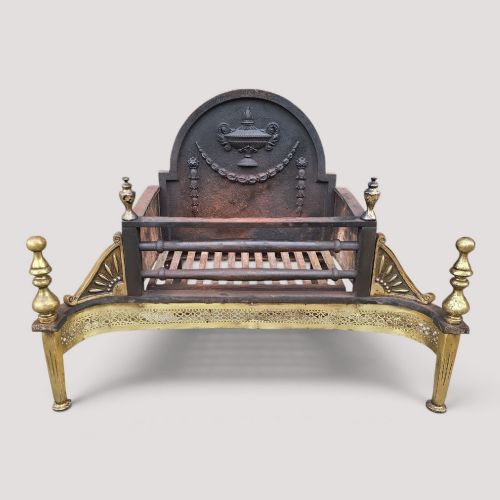
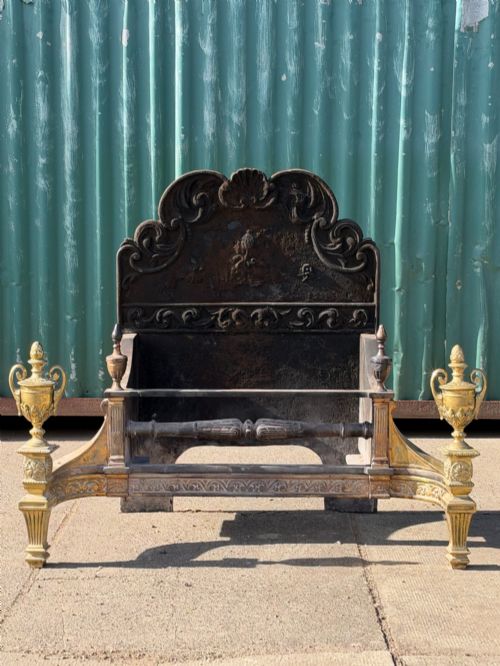
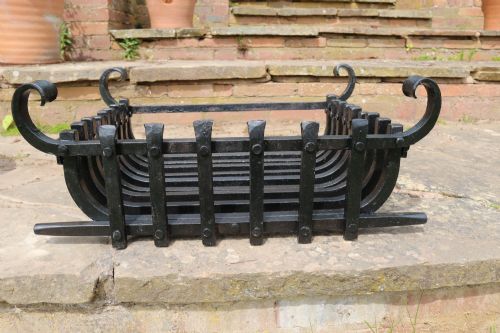
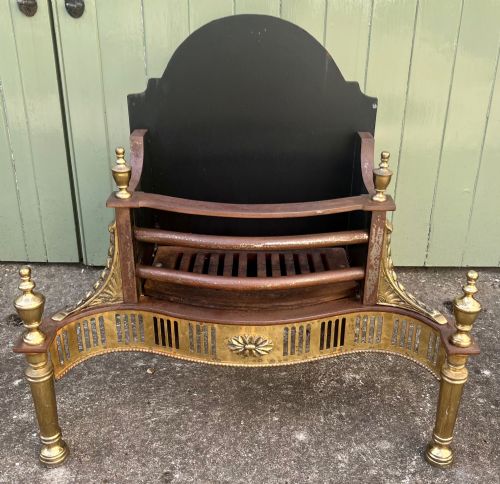
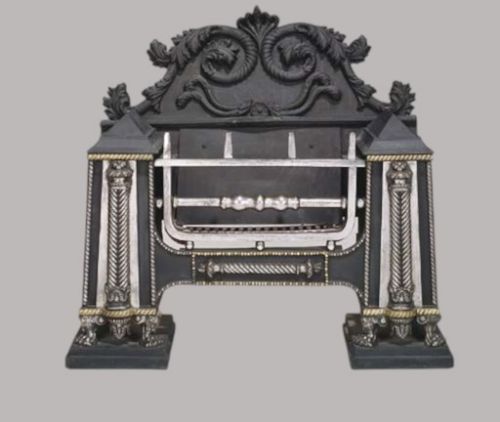
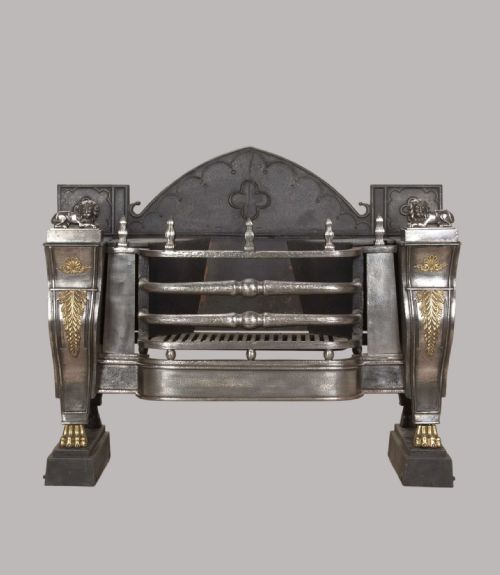
An antique iron basket most often takes the form of a hearth grate, log bin, or fire basket designed for solid fuel use in domestic settings. Pieces originating in the Victorian and Georgian eras frequently combine cast components with hand-wrought bars to hold coal or wood.
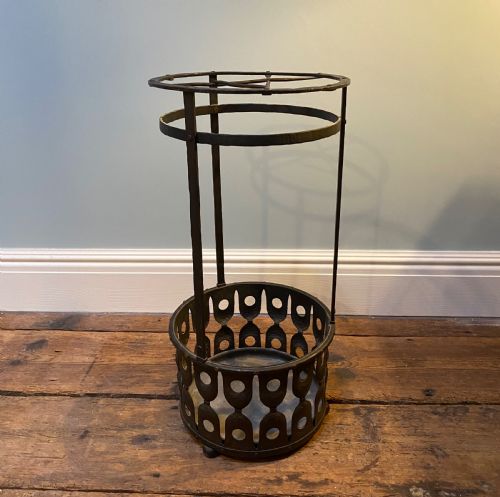
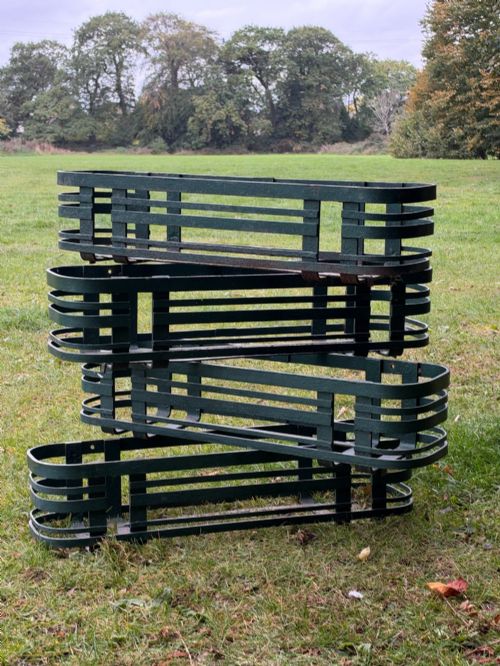
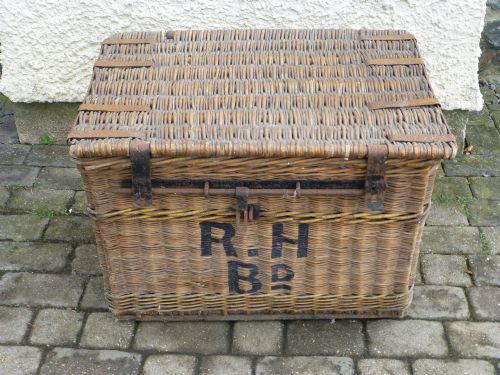
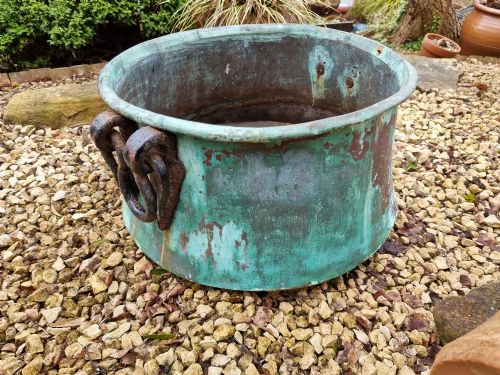
Beyond fireside accessories, similar iron frameworks appear in plant stands, hay racks, and coal scuttles, occasionally augmented with copper bins or wooden elements. The selection centres heavily on English country house grates and hearth furniture produced across the nineteenth and early twentieth centuries.
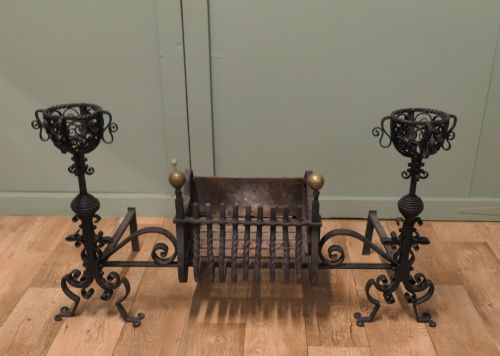
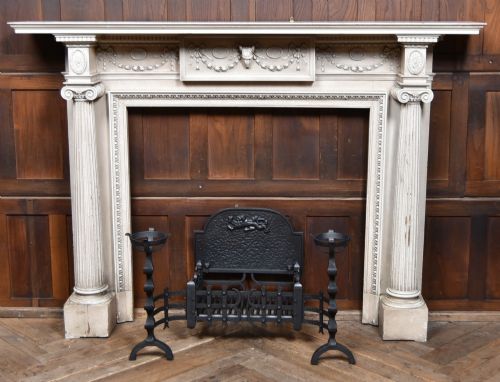
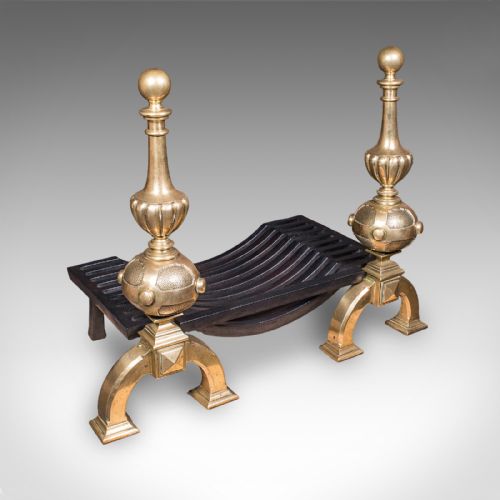
Buyers encounter freestanding grates alongside hearth sets complete with andirons, as well as specialised variants styled in the Gothic Revival, Regency, and Adam traditions. Each item reflects the domestic heating and storage needs of its period, prioritising robust metal construction.
How they were made
Makers utilised both cast iron and wrought iron, pouring molten metal into moulds for decorative backplates and firebacks while hammering and bending bar stock by hand for structural grates and carrying handles. This dual technique allowed workshops to produce rigid frames that endured intense hearth temperatures.
Many items incorporate supplementary metals, such as riveted copper bodies held within iron frames, brass andirons, or porcelain dishes paired with metal mounts. Surface finishes range from natural dark iron and verdigris on copper to painted toleware and glazed pottery details.
Antique Iron Basket Retail Price Guide 2026
Typical asking prices for iron basket among the pieces listed under this phrase on Sellingantiques today, from the lower quarter to the upper quarter. They describe what is for sale here now, not the wider market.
A few robust iron hay racks found new life indoors, trading stable yards for stylish magazine holders.
What varies in quality
Quality rests in the precision of the metalworking, distinguishing crisp cast detailing and securely joined wrought bars from heavier, coarser production. Superior examples display balanced classical proportions, harmonious brass or copper accents, and sturdy construction that supports the weight of fuel.
The integrity of the original assembly dictates lasting value, separating pieces that retain their matching andirons and structural firebacks from those assembled later from mismatched components. Material thickness and the finesse of the scrollwork further divide standard utility items from finer domestic furnishings.
The Antique Iron Basket Glossary
- Cast Iron
- Molten iron poured into a mould to form solid shapes. This method creates decorative fire grates and intricate backplates with uniform surface patterns.
- Wrought Iron
- Iron heated and shaped by hand with a hammer and anvil. This material provides the tensile strength needed for functional fire baskets and supporting bars.
- Andirons
- Metal supports placed on either side of a hearth to hold logs above the floor. They frequently accompany fire grates within period fireplace sets.
- Hob Grate
- A fireplace grate featuring flat side shelves intended for keeping kettles warm. These units emerged during the Georgian and Regency periods.
- Register Grate
- A fireplace grate fitted with a movable flap to regulate the draught and control smoke emission. This design became standard in nineteenth-century homes.
Antique Iron Basket: Frequently Asked Questions
What is an antique iron basket used for?
These items primarily served to hold coal or logs within domestic fireplaces, functioning either as freestanding grates or container bins for fuel storage. Secondary variants functioned as plant stands or utility vessels in country house kitchens.
Today, many buyers repurpose them for decorative hearth displays or indoor plant storage. Their robust metal construction ensures they remain stable and practical for modern interior use.
How do I identify a Georgian fire grate?
Georgian pieces typically exhibit classical symmetry, often drawing on Adam or Regency design motifs with urn finials, serpentine fronts, and refined cast brass details. They predate the heavier industrial styling common in later Victorian pieces.
Construction methods also help indicate the period, as hand-wrought elements frequently accompany early cast components before industrial mass production took over towards the end of the nineteenth century.
Can these baskets burn real wood?
Many historical grates were designed specifically for coal rather than large logs, featuring narrow bar spacing to retain smaller fuel pieces. Inspecting the interior depth and bar arrangement reveals whether a piece suits wood or coal.
Modern buyers often verify the structural soundness of the iron before lighting actual fires, as centuries of heat exposure can weaken older metal.
What is the difference between cast and wrought iron?
Cast iron is brittle and formed by pouring liquid metal into moulds, making it ideal for ornate firebacks and decorative panels. Wrought iron is fibrous and beaten by hand, offering the flexibility required for load-bearing basket frames and handles.
Most period fire baskets combine both techniques, using cast elements for ornamentation and wrought iron for the structural bars that endure heavy weight.