

Antique Iron Accessory
These antique iron accessory pieces encompass hearth furniture, fire dogs, and domestic metalwork built to serve practical rooms with enduring utility.
Antique Iron Accessory
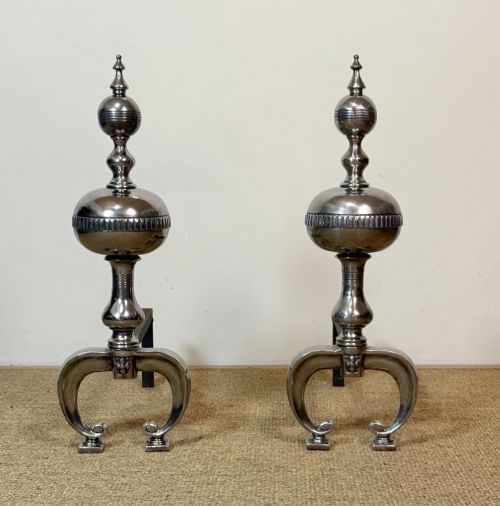
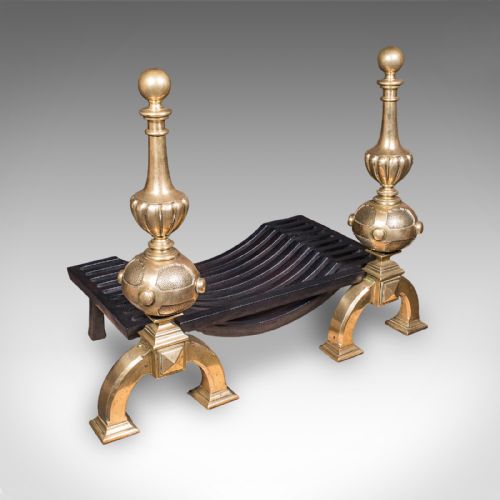
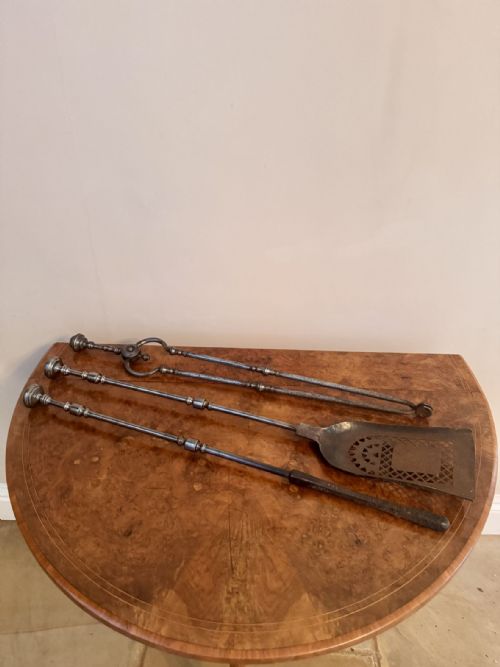
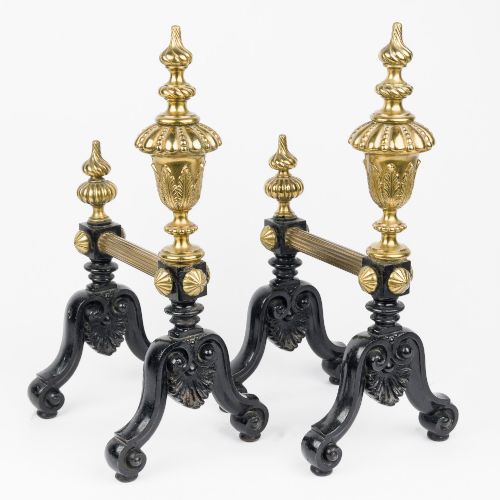
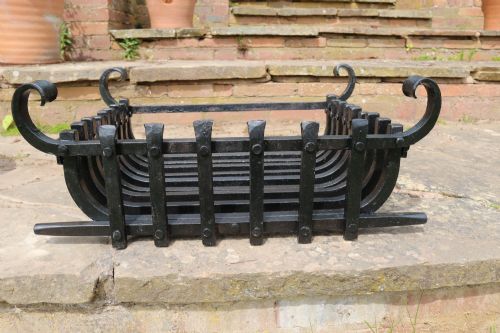
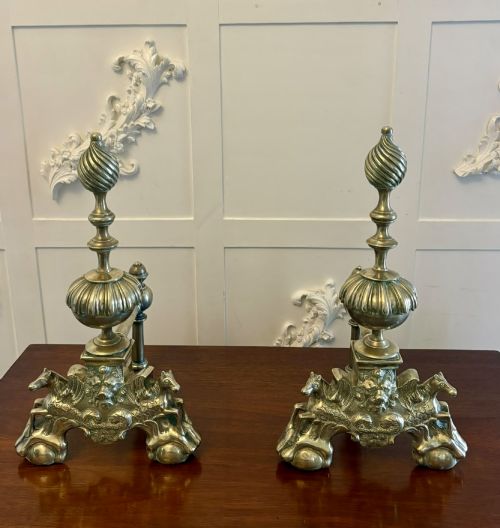
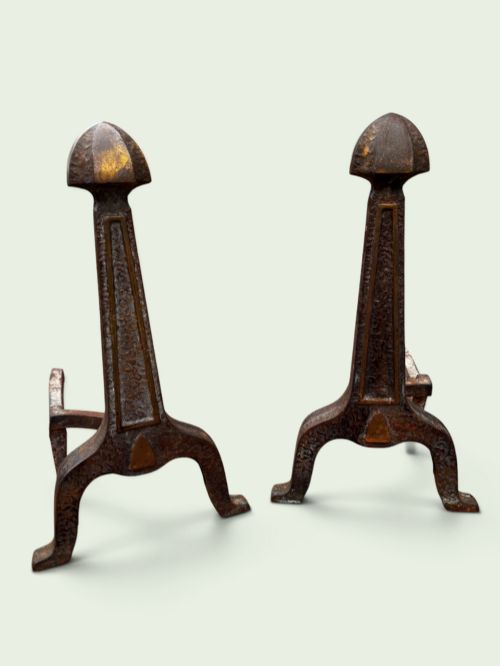
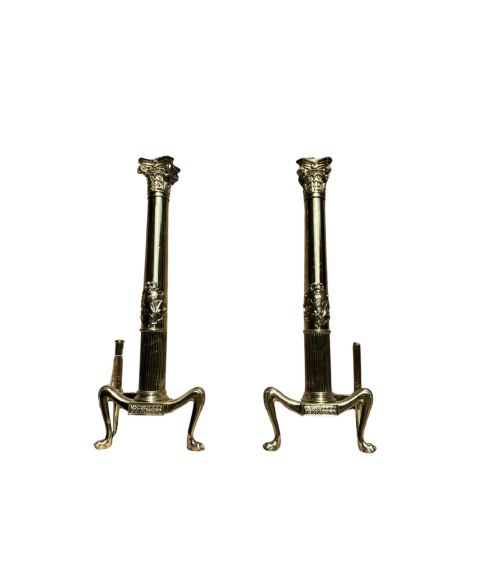
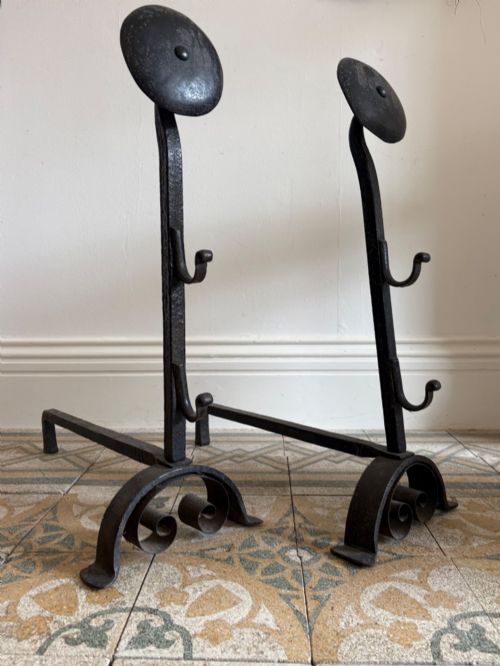
An antique iron accessory covers a range of hearth and domestic items designed for functional use around the fireplace and home. Buyers searching for an antique iron accessory frequently encounter fire dogs, andirons, fire baskets, and companion tools originating from the Georgian, Victorian, and early twentieth-century periods.
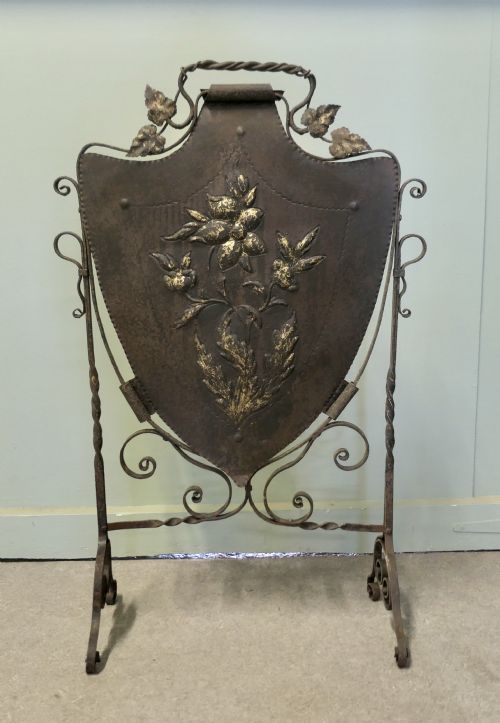
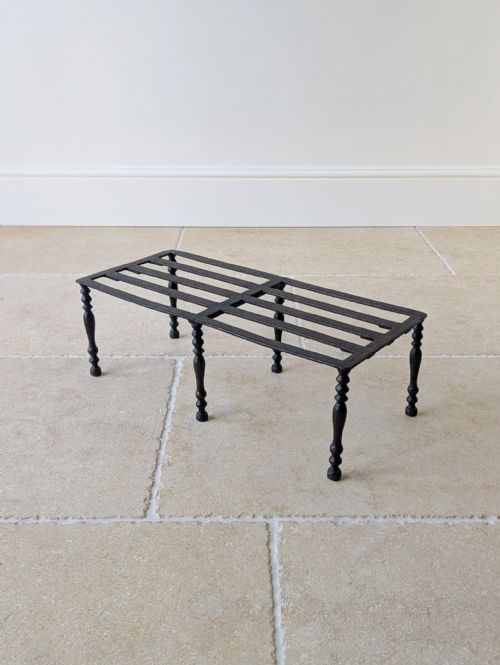
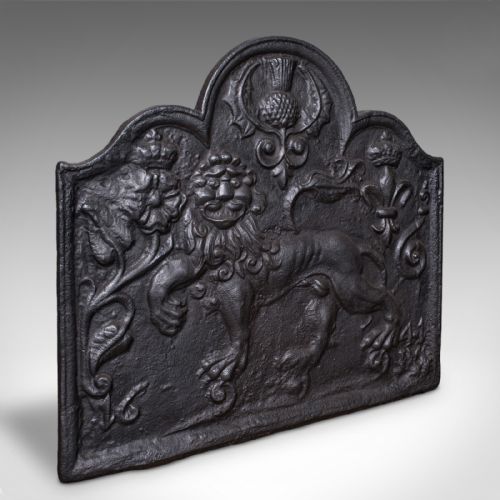
The selection leans heavily toward heavy utilitarian ironwork alongside companion items combining cast or wrought iron with brass and steel. Pieces vary from utilitarian wrought iron hearth footmen and chimney cranes to decorative fire screens, fire backs, and boot scrapers.
Originating largely from English, French, and Italian workshops, these items reflect the stylistic shifts of their eras, moving from restrained Georgian lines through ornate Victorian casting to the hand-hammered integrity of the Arts and Crafts movement.
Materials and construction methods
Makers utilised iron in both wrought and cast forms, shaping the metal through forging, hammering, and pouring into moulds to achieve durable structural frames and decorative details. Cast iron provided sturdy weight for fire dogs and fire backs, while wrought iron offered the tensile strength needed for hearth footmen and chimney cranes.
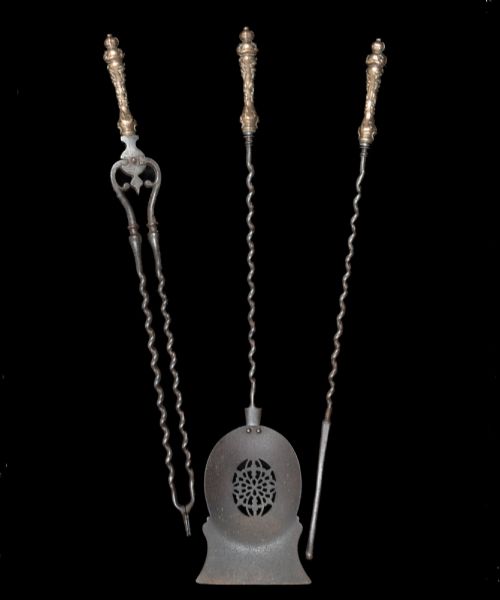
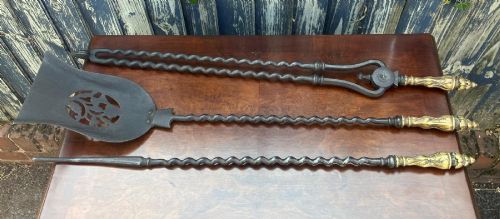
Compositions frequently incorporate secondary metals like brass, copper, and polished steel to highlight mounts, handles, and fire tool terminals. Surface treatments range from polished steel finishes to hand-painted accents on cast metal novelties and protective dark coatings on heavy iron fire dogs.
Antique Iron Accessory Retail Price Guide 2026
Typical asking prices for iron accessory among the pieces listed under this phrase on Sellingantiques today, from the lower quarter to the upper quarter. They describe what is for sale here now, not the wider market.
Listings feature items spanning the Georgian, Victorian, and early twentieth-century periods, constructed from wrought iron, cast iron, brass, and steel.
Distinctions in quality
Quality rests in the integrity of the smithing and casting, where substantial weight and clean, purposeful lines distinguish superior items from later, lighter reproductions. Hand-forged wrought iron displays careful hammer work and balanced proportions, whereas better cast pieces retain crisp detail in ornamentation rather than soft, blurred edges.
The integration of mixed metals signals finer execution, particularly where brass terminals or steel shafts are securely fixed rather than loosely fitted. Provenance and original pairing in items like fire dog sets or multi-piece tool collections elevate the standing of the pieces within their respective styles.
John Linwood of Birmingham
The Antique Iron Accessory Glossary
- Andirons
- Supports used in a fireplace to hold logs above the hearth for better air circulation. They often feature decorative fronts made of iron or brass.
- Fire Basket
- A metal grate that holds burning fuel within a fireplace. These units can be freestanding or built into hearth structures.
- Hearth Footman
- A metal stand placed by the fireplace to keep food warm. Georgian examples are typically constructed from wrought iron.
- Spit Jack
- A mechanical device used to turn a roasting spit over an open fire. Many relied on clockwork or weight-driven mechanisms housed in brass cases.
- Chimney Crane
- A swinging iron arm fixed inside a large fireplace to hold cooking pots over the flames. They allowed cooks to swing heavy vessels away from the heat safely.
Antique Iron Accessory: Frequently Asked Questions
What is an antique iron accessory used for?
These items served daily domestic duties around the hearth and home, ranging from supporting firewood to cooking and managing ash.
Fire dogs held logs aloft for burning, while companion sets and footmen assisted with tending the fire and warming provisions.
How do I date an iron fire accessory?
Dating relies on observing stylistic markers, manufacturing techniques, and the combination of metals used in construction.
Georgian pieces display simpler, functional lines, whereas Victorian examples often incorporate heavier cast ornamentation or Gothic and Rococo revival motifs.
Are iron accessories suitable for modern fireplaces?
Many sturdy items like fire dogs, andirons, and tool sets remain entirely functional for open hearths and wood-burning stoves.
Lighter decorative pieces or antique screens serve well as interior focal points even when active fires are absent.
What styles are common in these pieces?
The listings show a prevalence of Victorian and Georgian designs, alongside distinct Arts and Crafts and Gothic Revival movements.
French Country and Neoclassical influences also appear, particularly in ornamental fire dogs and companion sets.