

Antique Irish Painting
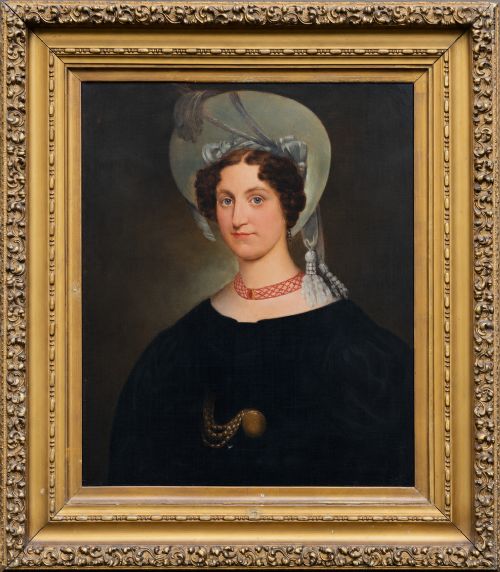
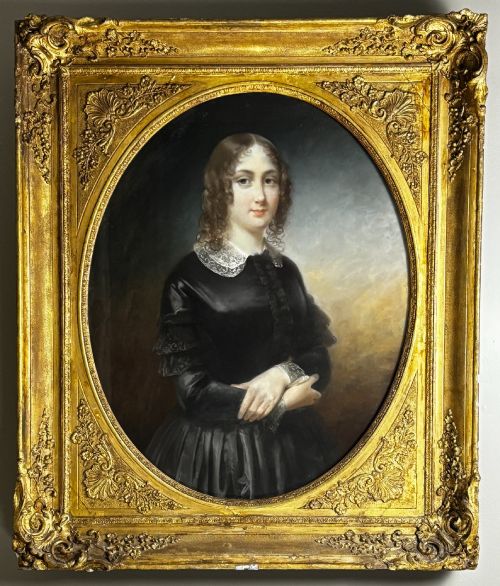
An antique irish painting brings the character of domestic and rural life, portraiture, and coastal scenes directly into a room.
Antique Irish Painting
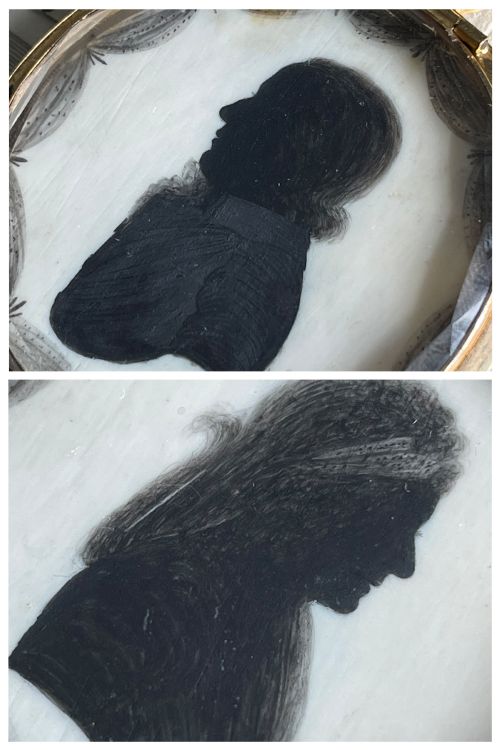
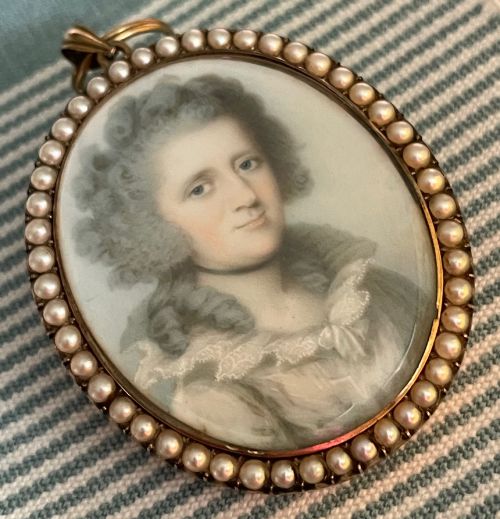
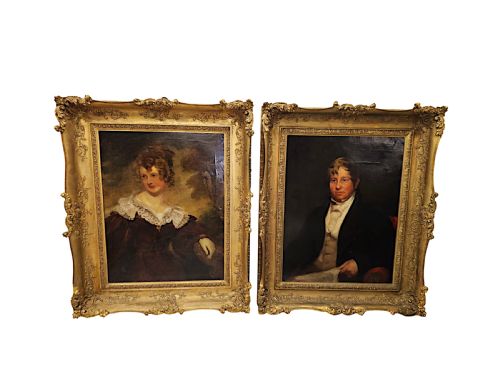
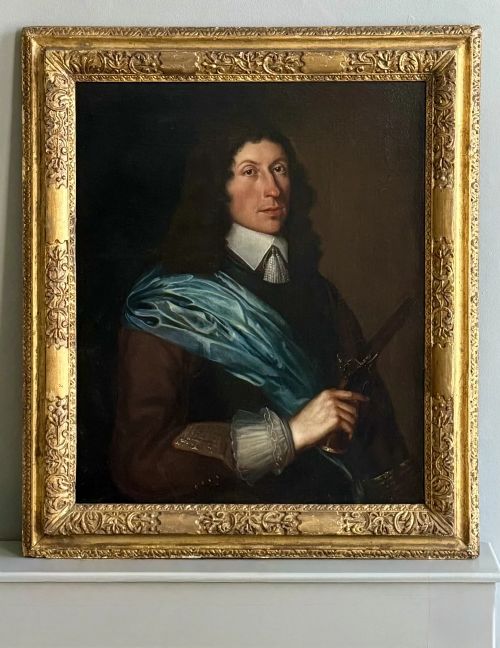
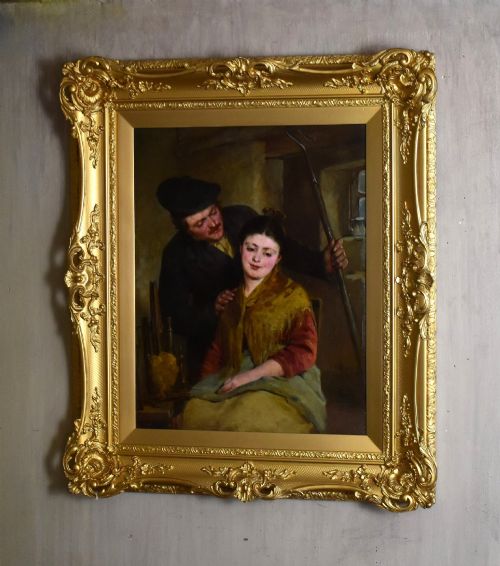
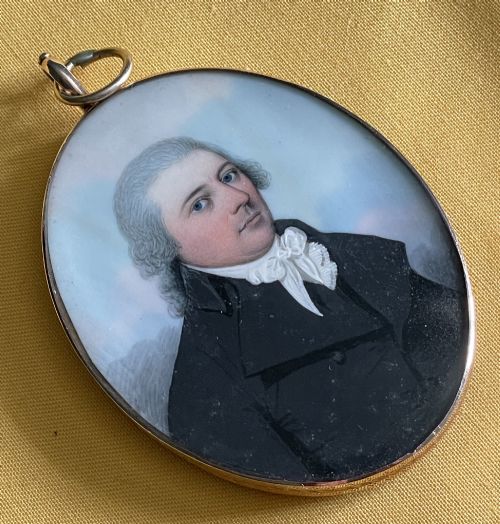
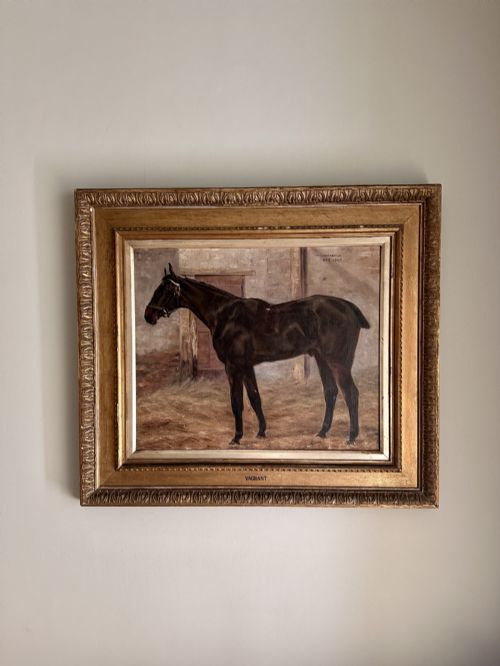
An antique irish painting captures subjects ranging from rural landscapes and equine portraits to maritime views and portrait miniatures. Collectors seeking an antique irish painting encounter works executed across the eighteenth, nineteenth, and mid-twentieth centuries.
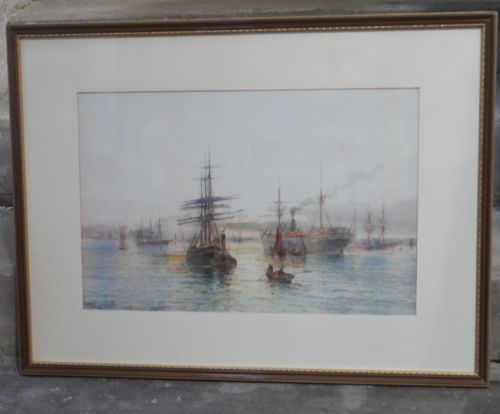
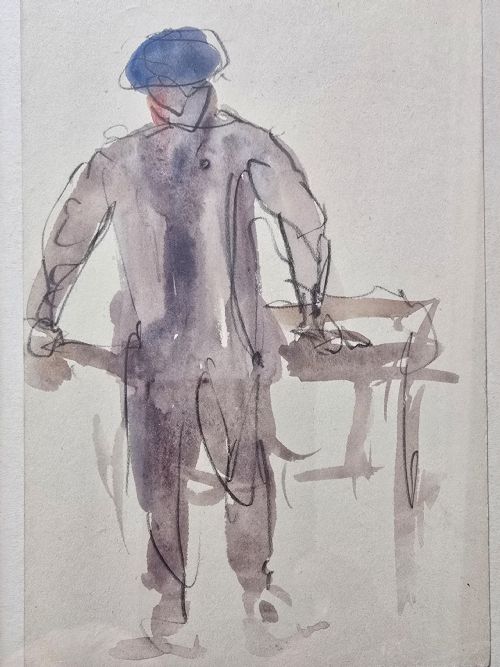
The assortment includes canvases rendered in oil and watercolours on paper, reflecting the diverse output of regional artists and visiting painters. These works document historic figures, coastal bays such as Dublin Bay, and domestic scenes rooted in local tradition.
Framed by periods spanning the Georgian era to the mid-twentieth century, these pieces range from intimate portrait miniatures to expansive pastoral landscapes.
Materials and Techniques
Artists relied primarily on oil on canvas, oil on panel, and delicate watercolours applied to paper surfaces. Pigments were bound and layered to achieve depth in landscapes and clarity in portraiture.
Support materials include traditional stretched canvas, heavy paper, and wooden panels, often framed simply to preserve the integrity of the work over centuries.
Antique Irish Painting Retail Price Guide 2026
Typical asking prices for irish painting among the pieces listed under this phrase on Sellingantiques today, from the lower quarter to the upper quarter. They describe what is for sale here now, not the wider market.
Several canvases record stubborn horses and working setter dogs refusing to cooperate with the artist.
Assessing Craftsmanship
Quality rests in the precision of the brushwork, the handling of light, and the anatomical accuracy in figures or animals. Finer pieces demonstrate a confident command of perspective and atmosphere, particularly in landscape and maritime subjects.
The condition of the pigment and the stability of the canvas or paper ground dictate the preservation standard. Superior examples retain their original colour intensity without excessive overpainting or structural damage.
Howard Helmick·Fred Fitzpatrick·Frederick Buck·Sir Thomas Newenham Dean·C Caldwell·Alfred Grey·Sidney James Beer·Robert Richard Scanlan·Peter Ghent·John E Bosanquet·Sir Thomas Lawrence·Charles McAuley·William Orpen·Joseph William Carey
The Antique Irish Painting Glossary
- Oil on Canvas
- Pigments mixed with an oil medium applied to a stretched woven fabric support. This technique allows for rich colour blending and textured brushwork.
- Watercolour
- Pigments suspended in a water-soluble vehicle applied to paper. It yields translucent washes and delicate detail.
- Portrait Miniature
- A small, highly detailed painting, often executed on ivory, vellum, or paper. These intimate works gained popularity for commemorating family members and public figures.
- Realism
- An artistic movement focusing on everyday subjects and scenes in a naturalistic manner. It avoids theatrical embellishment in favour of factual depiction.
- Provenance
- The documented history of ownership of an artwork. It establishes authenticity and traces the chain of custody.
Antique Irish Painting: Frequently Asked Questions
What subjects do these paintings feature?
The works depict rural landscapes, maritime scenes, equine portraits, and formal likenesses of historical figures. Many capture specific Irish locations like Dublin Bay and Connemara.
Subjects reflect both domestic life and broader natural environments observed by regional artists.
How should I display a watercolour painting?
Watercolours require placement away from direct sunlight to prevent the fading of delicate pigments on paper. Framing under conservation glass offers essential protection against ultraviolet light and ambient moisture.
Maintaining stable indoor humidity levels prevents warping of the paper support.
How can I identify the period of a painting?
Dating relies on stylistic markers, framing techniques, and the historical attire or technology depicted in the imagery. Signatures and documented artist lifespans provide concrete chronological bounds.
Backings and stretcher frames also offer clues regarding the age of the physical components.
What is the difference between oil and watercolour works?
Oil paintings utilise pigment bound in drying oils applied to canvas or panel, yielding a textured and durable surface. Watercolours use water-soluble mediums on paper, creating a translucent and lighter composition.
Oils generally require less fragile framing than works executed on paper.