



Antique Irish Artwork
These antique irish artwork selections bring historic island scenes and portraits to any room.
Antique Irish Artwork
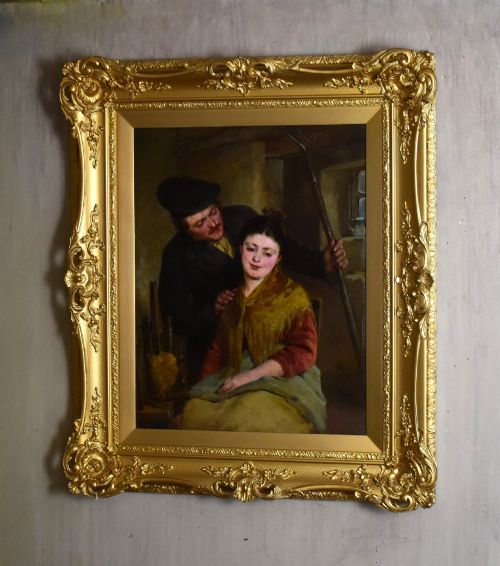
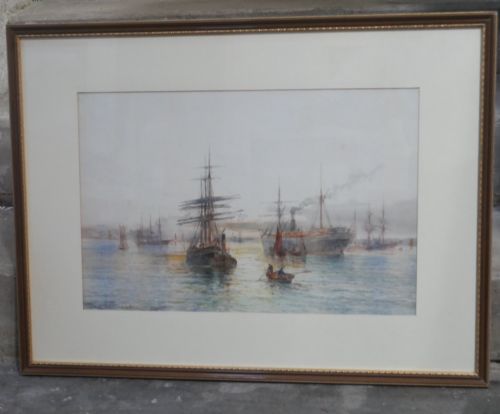
When you search for antique irish artwork, you meet a range of paintings, watercolours, sketches, and prints that record portraits, landscapes, and maritime scenes. The selection spans centuries from the late seventeenth century through the Georgian and Victorian eras into the twentieth century, capturing rural life, coastal views, and notable figures.
You will encounter pieces originating from Dublin and various counties, produced by named artists and regional schools. Oil on canvas and watercolour pigment on paper dominate the works currently listed, alongside relief pictures and pencil studies.
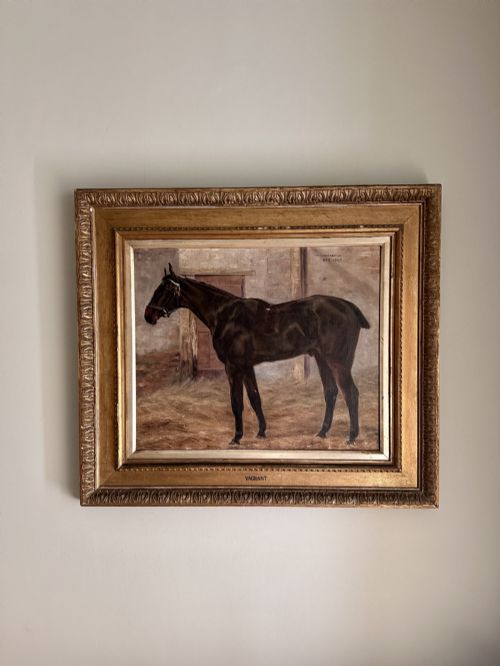
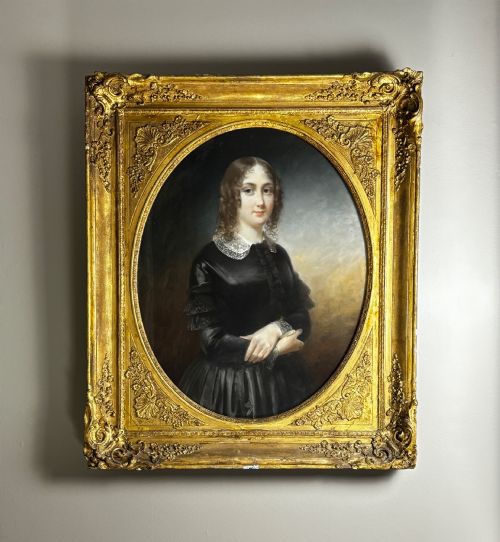
The subjects range from domestic genre scenes and topographical views of Connemara or Dublin Bay to formal portrait miniatures and sporting art. Each piece reflects the methods and styles associated with its period of production, offering a direct link to Irish visual culture of the past.
How these pieces were made
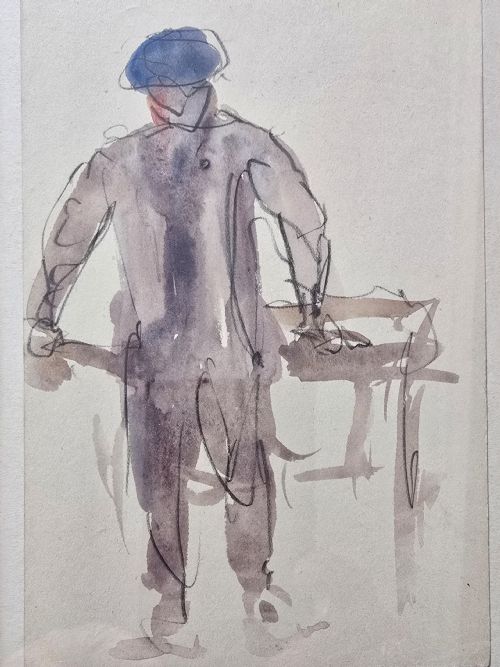
Painters applied oil on canvas or watercolour pigment to paper, often supported by gilt wood frames. Draftsmen utilised pencil on paper for detailed architectural and figure studies, while other makers formed low relief pictures in materials such as paper and plaster.
Pigments were worked by hand using traditional brushes and mixing techniques appropriate to each era, from eighteenth-century miniature painting to twentieth-century landscape watercolours. Engravings and printed works utilised historic printing plates to reproduce original compositions.
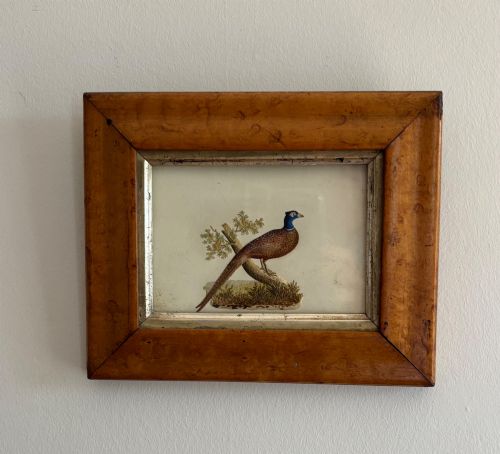
A pheasant emerges in low relief from a Georgian picture, proving that birds occasionally refused to stay flat.
What varies in quality
The strength of the composition and the precision of brushwork or pencil stroke set individual works apart. Finer pieces demonstrate confident handling of light, anatomical accuracy in figures and animals, and a balanced integration of subject matter within the frame.
The condition of the paper or canvas, the stability of the pigment, and the originality of the accompanying frame influence the standing of a piece. Works retaining clear artist signatures, period framing, or documented provenance carry greater historical weight.
Howard Helmick·Samuel Dixon·Fred Fitzpatrick·Michael Healy·Sir Thomas Newenham Dean·Frederick Buck·C Caldwell·Sidney James Beer·Robert Richard Scanlan·Sir Francis Leggatt Chantrey·Peter Ghent·Arthur Alfred Davis·John E Bosanquet·Charles McAuley·Joseph William Carey·Letitia Marion Hamilton
The Antique Irish Artwork Glossary
- Watercolour
- A painting method where fine pigment is suspended in a water-based solution and applied to paper. It is frequently seen in landscape and topographical works.
- Oil on Canvas
- A technique utilising pigments bound in a drying oil applied to a stretched cloth surface. This medium allows for deep colour saturation and rich texture.
- Portrait Miniature
- A small, highly detailed painting depicting a specific person, often executed on ivory, vellum, or card during the eighteenth and nineteenth centuries.
- Basso-rilievo
- A sculptural technique where figures project only slightly from the background plane. In this collection it describes a moulded picture of a pheasant.
- Provenance
- The documented history of ownership or exhibition for a work of art. It establishes authenticity and traces the path of the piece through time.
Antique Irish Artwork: Frequently Asked Questions
What subjects appear in antique irish artwork?
The listings include rural landscapes, coastal scenes, portraits of individuals, and sporting subjects such as horses and dogs. Topographical views capture specific locations like Dublin Bay and Connemara.
Artists also recorded domestic genre scenes and architectural studies of historic buildings like Kilmainham Gaol.
How do I date an antique irish painting?
Dating relies on stylistic markers of the period, artist active dates, costume details in portraits, and sometimes inscriptions or signatures left on the canvas or paper.
Georgian, Victorian, and twentieth-century pieces each employ distinct palettes and techniques that help place them within a specific era.
What mediums were used for these works?
Makers utilised oil paints on canvas, watercolour pigments on paper, and pencil for preparatory sketches or detailed studies. Engravings and prints also feature among the available selections.
Frames frequently incorporate gilt wood to complement the artwork.
How should I display these artworks at home?
Watercolours and works on paper require placement away from direct sunlight to prevent fading of the pigments. Proper framing with archival backing protects the paper and canvas over time.
Selecting a wall with stable temperature and humidity levels ensures the materials remain preserved.