

Antique Inlaid Secretaire
An antique inlaid secretaire brings together fine cabinetmaking and hidden writing surfaces, offering a versatile writing piece designed for private correspondence.
Antique Inlaid Secretaire
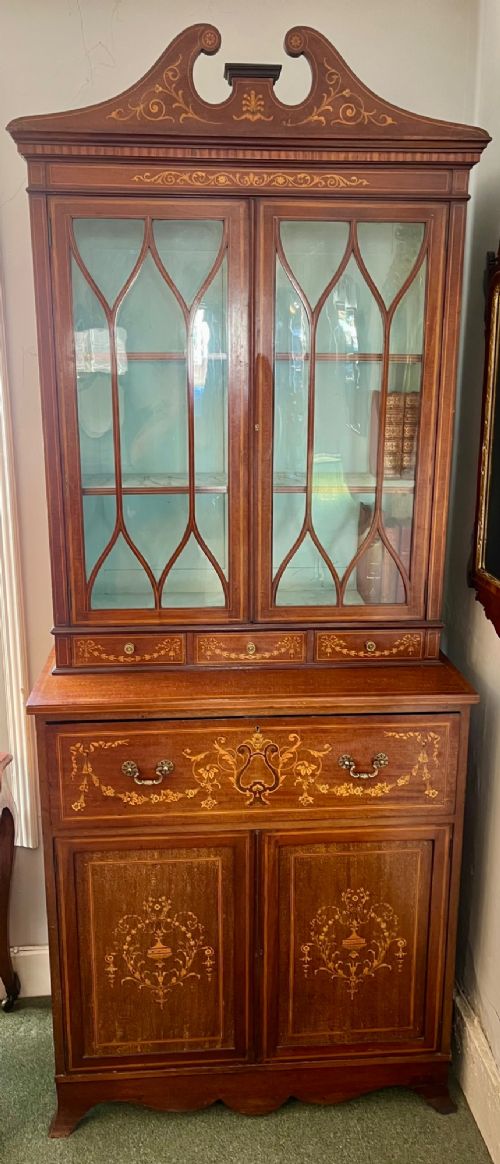
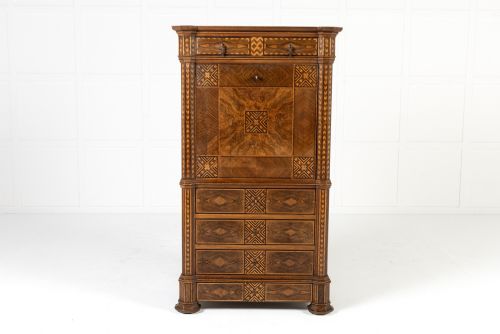
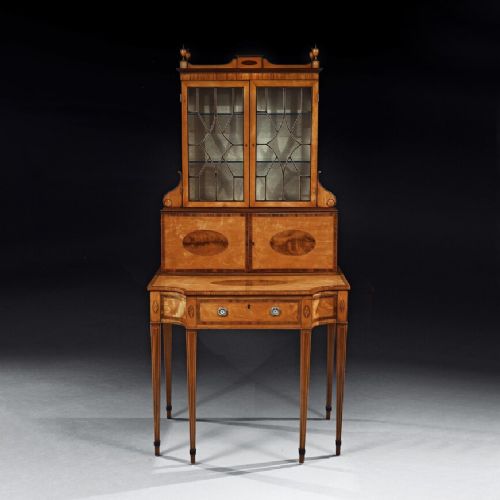
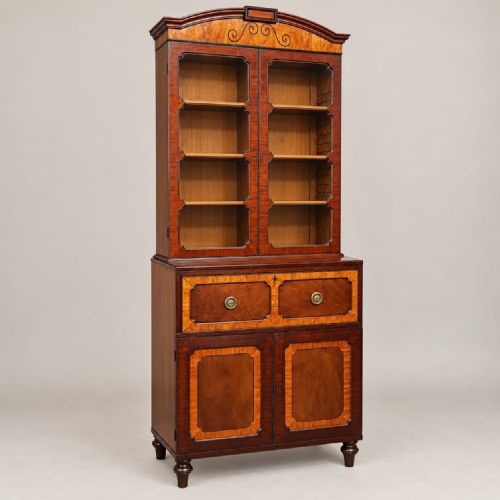
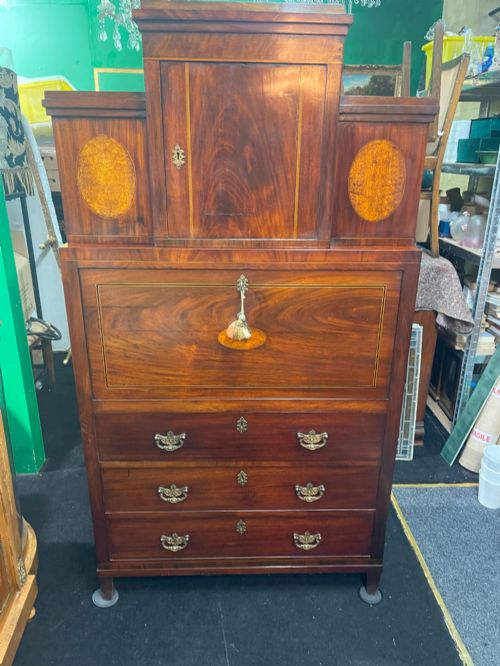
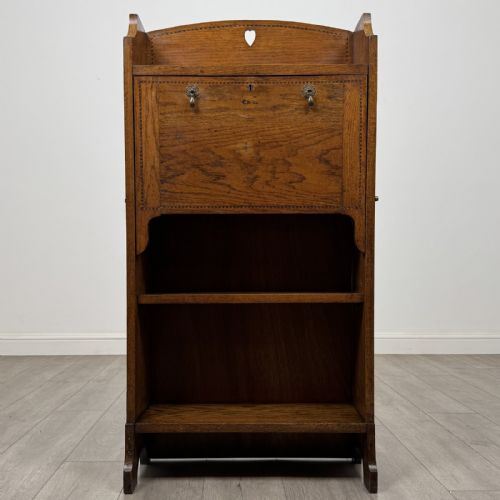
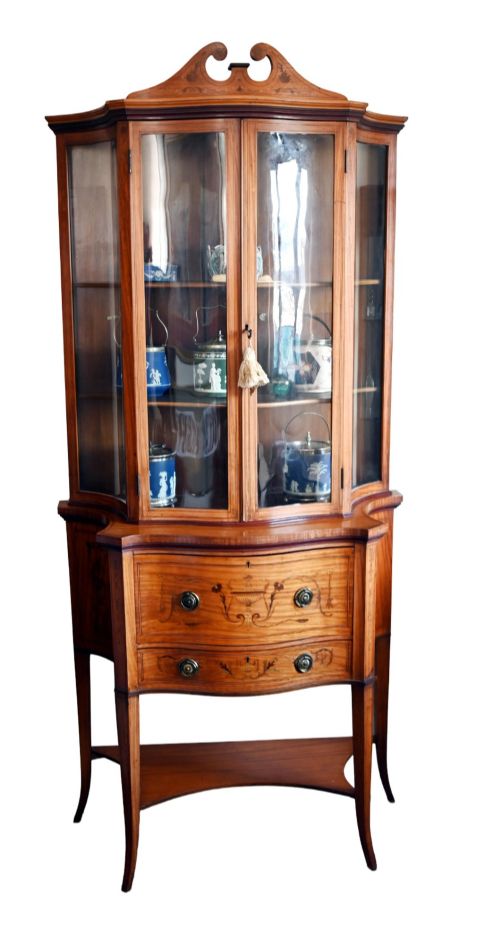
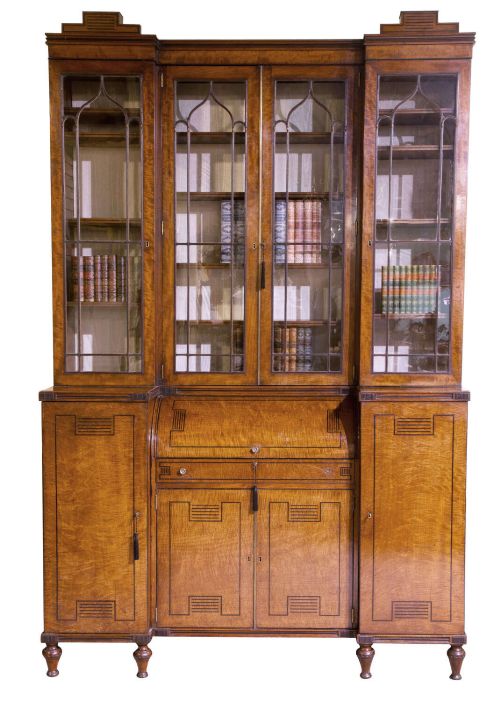
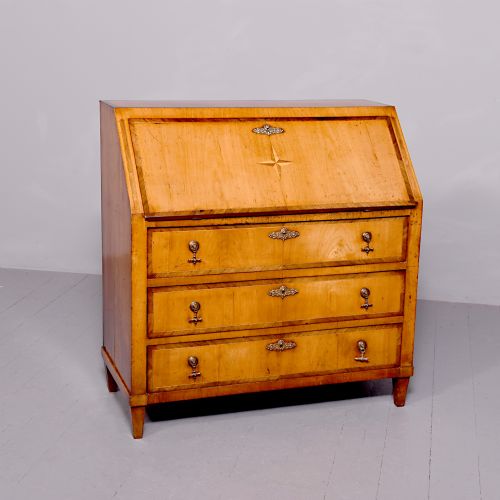
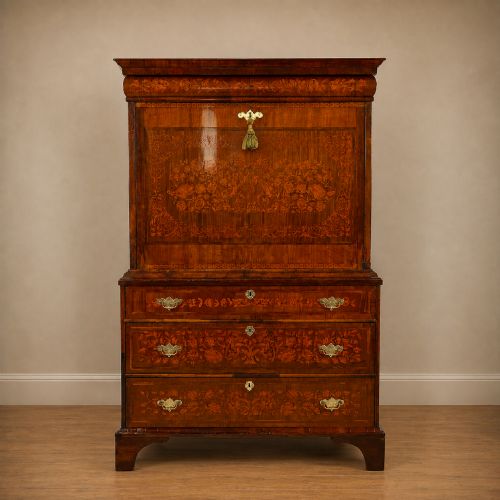
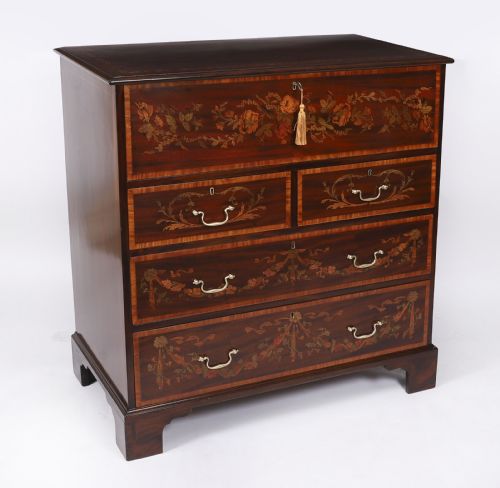
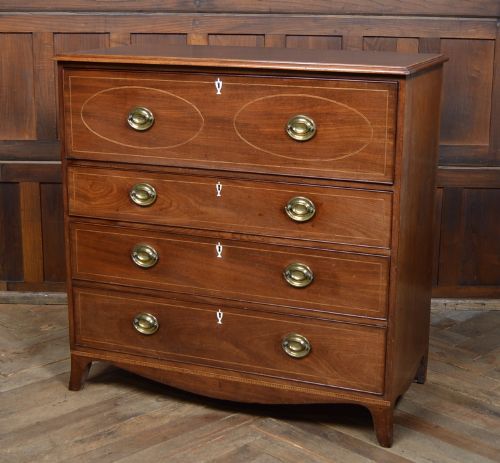
When searching for an antique inlaid secretaire, collectors encounter fall-front cabinets, tall bookcases with drop-down desks, and compact chests of drawers dating from the eighteenth and nineteenth centuries.
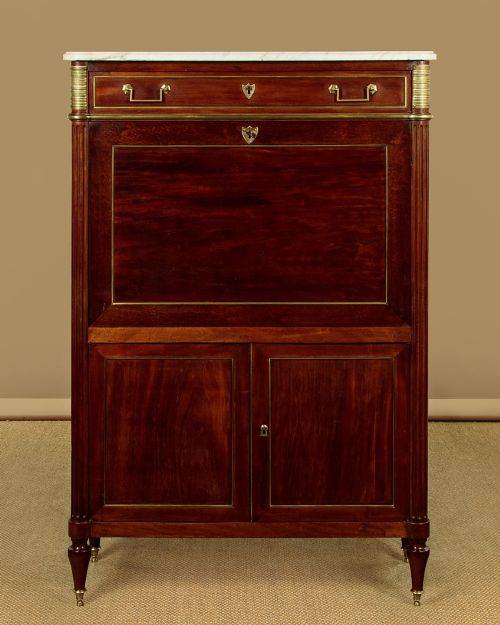
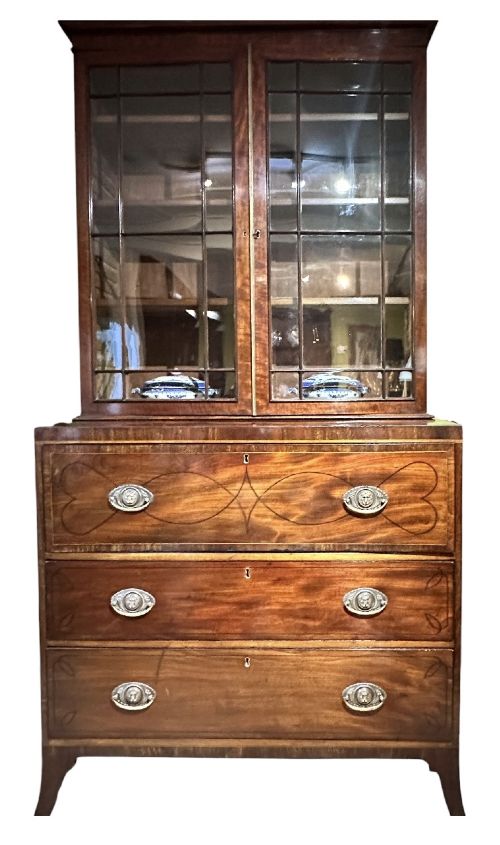
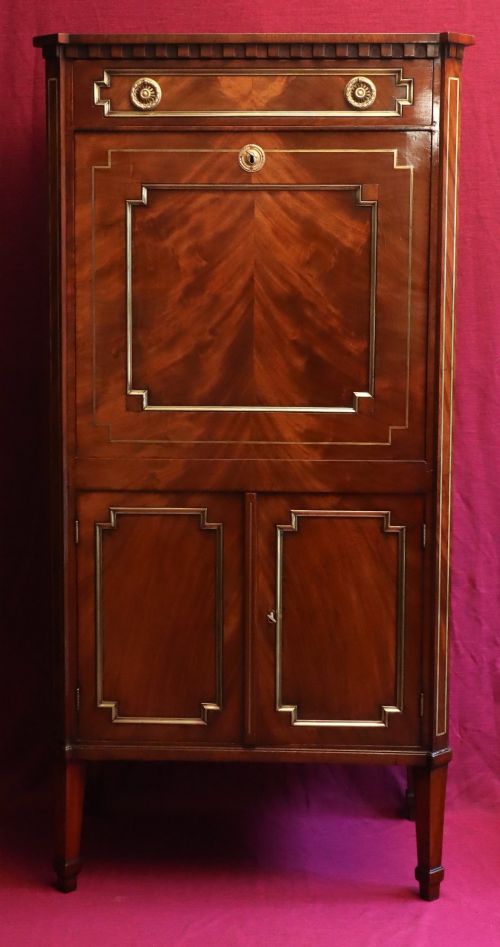
Tall secretaire bookcases and upright abattant cabinets dominate the selection, combining upper display or storage compartments with a concealed writing drawer that drops forward.
Materials and Marquetry
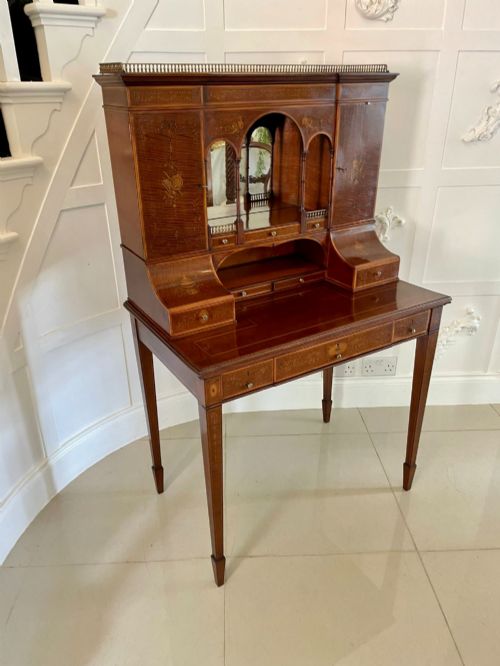
Cabinetmakers constructed carcass frames from solid timbers such as mahogany, walnut, and oak, applying veneered surfaces in figured flame mahogany, rosewood, satinwood, and kingwood.
Decorative floral marquetry and contrasting stringing define the ornamentation, often paired with cast ormolu mounts, brass inlays, and marble tops on continental examples.
Antique Inlaid Secretaire Retail Price Guide 2026
Typical asking prices for inlaid secretaire among the pieces listed under this phrase on Sellingantiques today, from the lower quarter to the upper quarter. They describe what is for sale here now, not the wider market.
Listings feature eighteenth-century Georgian pieces alongside nineteenth-century French and Dutch walnut, mahogany, and rosewood marquetry examples.
Craftsmanship and Proportion
The distinction between standard and superior examples rests upon the precision of the marquetry cutting, the crispness of the brass or ormolu mounts, and the fidelity of the secondary timbers.
Maison Krieger·Adriano Brambilla
The Antique Inlaid Secretaire Glossary
- Secretaire abattant
- A tall, upright cabinet featuring a hinged fall-front writing flap that conceals a fitted interior. This form originated in France and provides substantial vertical storage.
- Marquetry
- The art of forming decorative patterns using thin veneers of different coloured woods, shells, or ivory. Master craftsmen assembled these pictorial designs by hand.
- Ormolu
- Gilt bronze ornamentation applied to furniture, particularly popular on nineteenth-century continental pieces. The cast metal adds metallic contrast to dark woods.
- Flame mahogany
- A distinct wood veneer cut from the fork of the mahogany tree, showing a flame-like grain pattern. Cabinetmakers reserved this striking material for primary drawer fronts and doors.
- Escritoire
- An antique writing cabinet or desk. The term encompasses various forms designed specifically for correspondence and paper storage.
Antique Inlaid Secretaire: Frequently Asked Questions
How do I use a secretaire?
Drop the hinged front panel forward to reveal the hidden writing surface and internal compartments designed for stationery and ink.
Once finished, fold the flap back up and lock it to conceal the contents and maintain a tidy cabinet exterior.
Where should I place a secretaire?
Position these cabinets in studies, living rooms, or hallways where their decorated facades and rich wood tones can be appreciated.
Ensure the room maintains stable humidity levels to protect delicate veneers and marquetry inlay work from drying out.
How do I identify a Georgian piece?
Look for structural hallmarks such as oak drawer linings, hand-cut dovetails, and restrained proportions typical of eighteenth-century British cabinetmaking.
Check for classic wood choices like flame mahogany and satinwood without the heavy gilt mounts seen on later continental pieces.