

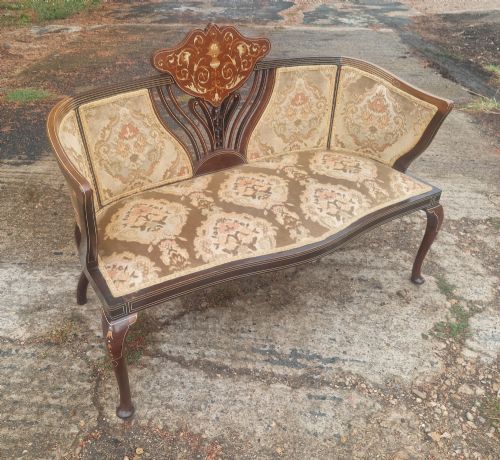
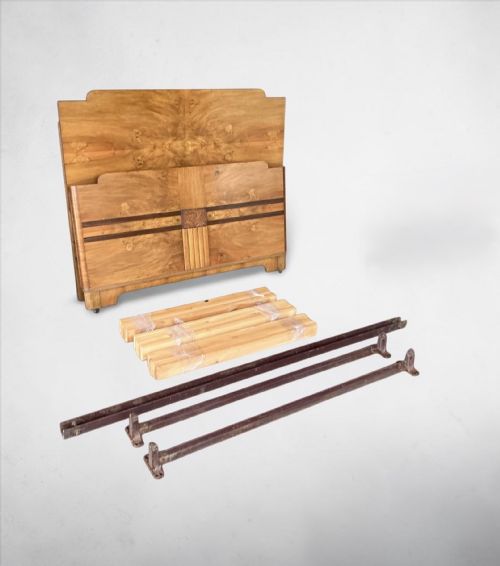
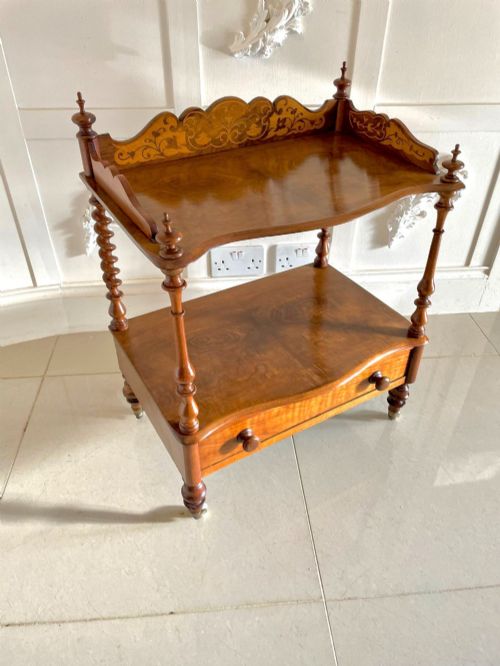
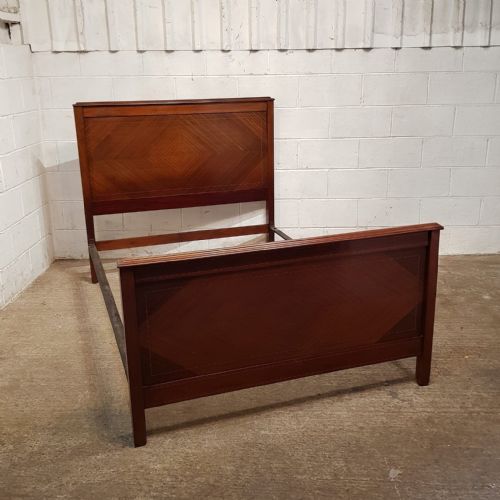


Antique Inlaid Bed
When you select an antique inlaid bed, you choose a sleeping frame that brings timber and tonal graining directly into the bedroom.
Antique Inlaid Bed
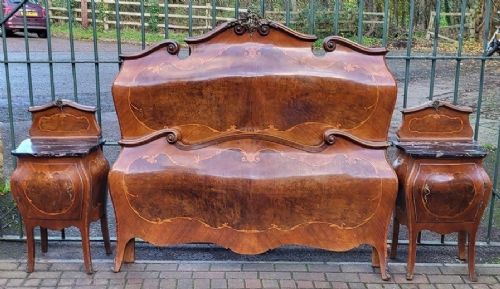
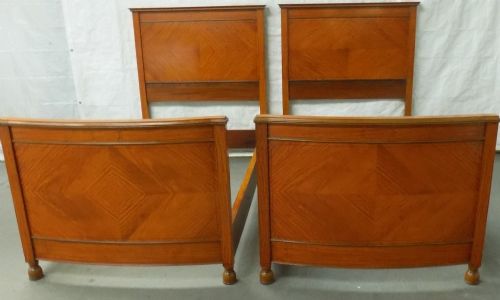
An antique inlaid bed covers large double frameworks, kingsize proportions, and single bedsteads originating from the seventeenth century through to the Edwardian period and the early twentieth century. Buyers seeking this phrase encounter formal four poster tester beds, substantial mahogany double bedsteads, and matched pairs of single beds finished with contrasting marquetry.
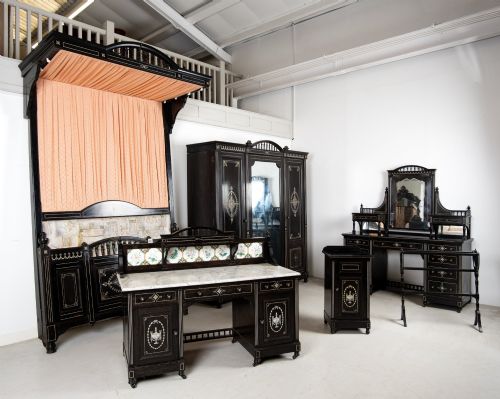
The selection extends to larger bedroom suites incorporating burr walnut panels, alongside dedicated end-of-bed sofas and occasional pieces designed to complement the main sleeping quarters. Edwardian satinwood models and French revival styles dominate the current offering, providing distinct silhouettes ranging from rectilinear panelled headboards to curved bow ends.
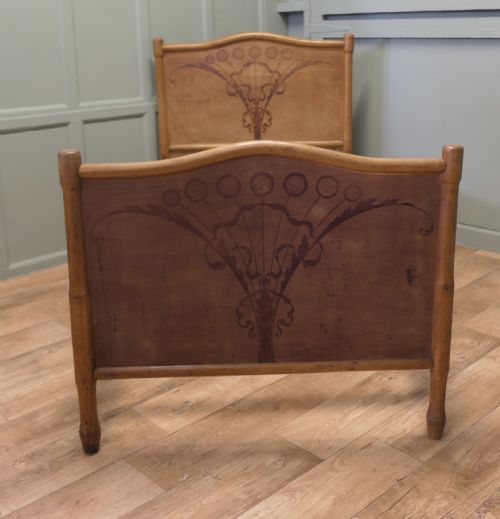
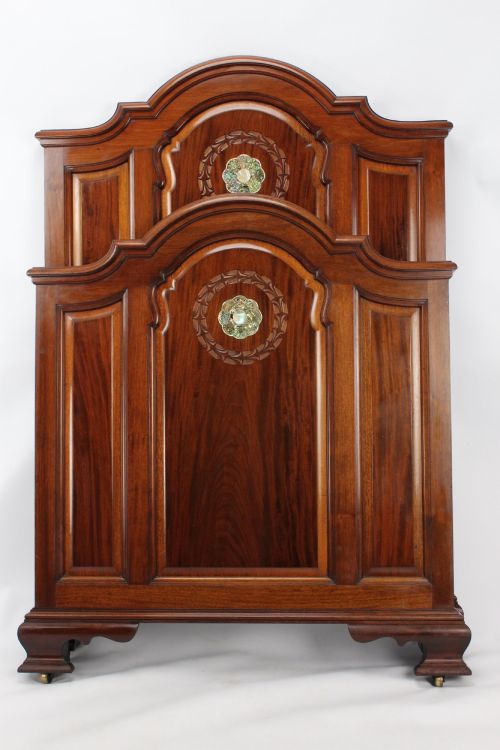
Early examples include seventeenth century oak and marquetry constructions, whilst Victorian and Edwardian iterations favour lighter timbers inlaid with bone, mother-of-pearl, and abalone shell. Each piece serves as a functional sleeping platform whilst displaying the decorative woodworking traditions of its specific era.
Materials and Construction
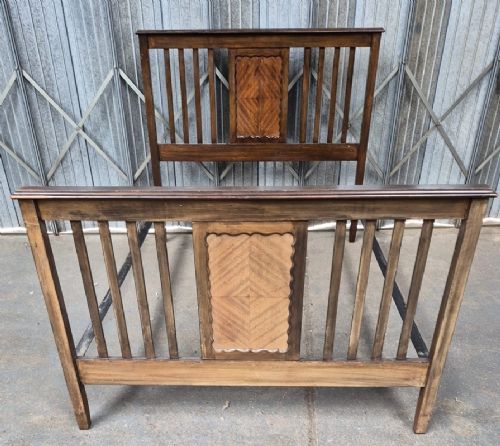
Cabinetmakers constructed these frames using dense primary timbers such as mahogany, walnut, and oak, applying finer veneers of satinwood and fruitwood to the visible headboards and footboards. Parquetry and marquetry techniques created geometric or pictorial surface patterns, sometimes accented with contrasting stringing in bone or light woods.
Structural integrity relied on sturdy joinery, while decorative enrichment often incorporated mother-of-pearl, abalone, and occasional cast brass details. Surface decoration required precise hand-cutting of contrasting veneers to fit flush within recessed channels carved into the primary wood.
Antique Inlaid Bed Retail Price Guide 2026
Typical asking prices for inlaid bed among the pieces listed under this phrase on Sellingantiques today, from the lower quarter to the upper quarter. They describe what is for sale here now, not the wider market.
Current listings feature beds from the seventeenth century through to Art Deco periods, executed in mahogany, satinwood, burr walnut, and fruitwood.
Assessing Quality and Execution
The division between standard workshop production and superior output rests entirely on the precision of the veneer work and the depth of the timber selection. Finer pieces display meticulously fitted marquetry where the grain of each contrasting wood enhances the overall design rather than appearing as a mere surface addition.
Construction standards are evident in the weight of the primary timber, the crispness of any inlaid bone or shell, and the integration of structural rails with decorative panels. Comprehensive bedroom suites demonstrate consistent timber selection and harmonious inlay motifs carried across every individual item.
Jason and Joseph Kohn·Louis Majorelle·Heal's
The Antique Inlaid Bed Glossary
- Marquetry
- Decorative veneer work arranged in pictorial or geometric patterns across a surface. It differs from inlay by covering the entire background rather than sitting within carved recesses.
- Parquetry
- Geometric mosaic woodwork used for floors and furniture surfaces. It creates repeating patterns such as cubes or chevrons using contrasting timber blocks.
- Tester
- A wooden canopy or ceiling suspended over a four poster bed. It is often supported by four carved or turned posts.
- Satinwood
- A durable, lustrous yellow timber imported from tropical regions and widely utilised for fine Edwardian bedroom furniture. Its golden hue provides high contrast when paired with darker woods.
- Burr walnut
- Wood taken from a walnut tree growth where the grain has grown in a deformed swirl. It produces highly decorative, mottled patterns prized for cabinet fronts and bed panels.
Antique Inlaid Bed: Frequently Asked Questions
How do I fit modern mattresses?
Many antique frames predates standard metric or imperial sizing conventions, meaning historical rails often require custom slatted bases or mattress supports built to fit the internal dimensions.
Working with a specialist upholsterer allows you to adapt the interior frame safely without altering the exterior decorative mahogany or walnut side rails.
Are single beds found as pairs?
Makers frequently produced twin bedsteads simultaneously to furnish larger Edwardian and Victorian sleeping chambers. These matching pairs share identical satinwood or mahogany inlay patterns and timber selections.
Sourcing matched single beds provides a cohesive aesthetic for guest rooms or twin-bed layouts while retaining historical integrity.
What woods were used for inlay?
Craftsmen utilised fruitwood, satinwood, and walnut veneers to create tonal contrast against darker primary carcasses like mahogany or ebonised wood. Bone, mother-of-pearl, and abalone shell also appear in select Victorian and Edwardian examples.
The choice of contrasting material dictates the overall visual weight and helps assign the piece to a specific decorative movement.
How should I clean the wood?
Maintenance requires gentle dusting with a dry, soft cloth to prevent particulate accumulation on delicate marquetry surfaces and veneer edges. Avoid commercial silicone polishes that can degrade historical finishes over time.
Occasional application of microcrystalline wax feeds the timber and protects the contrasting inlay without sealing the grain under artificial gloss.