



Antique Inlaid Arm Chair
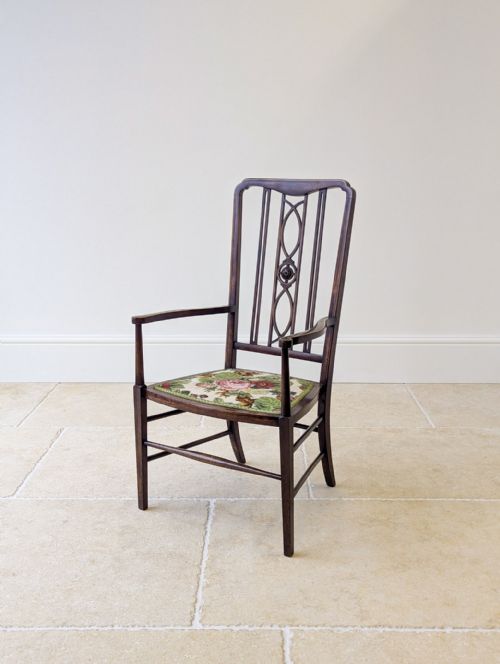
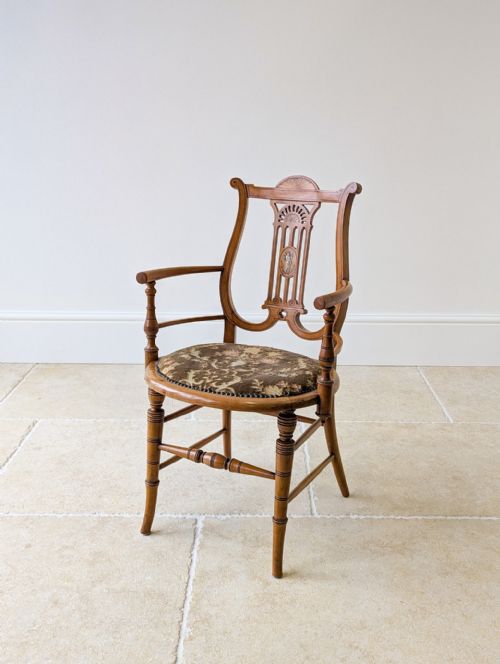
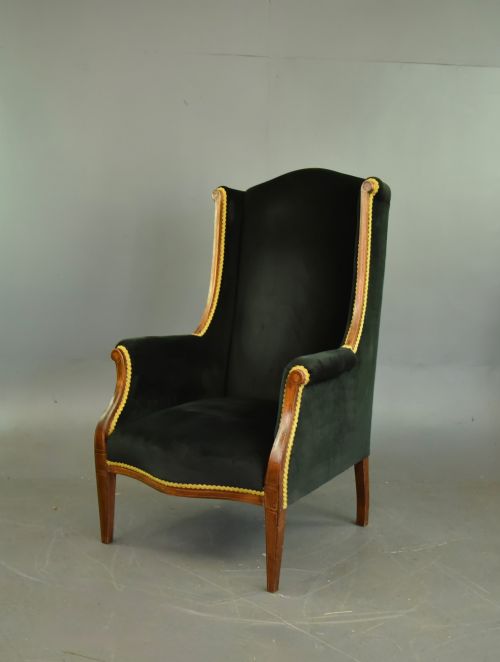
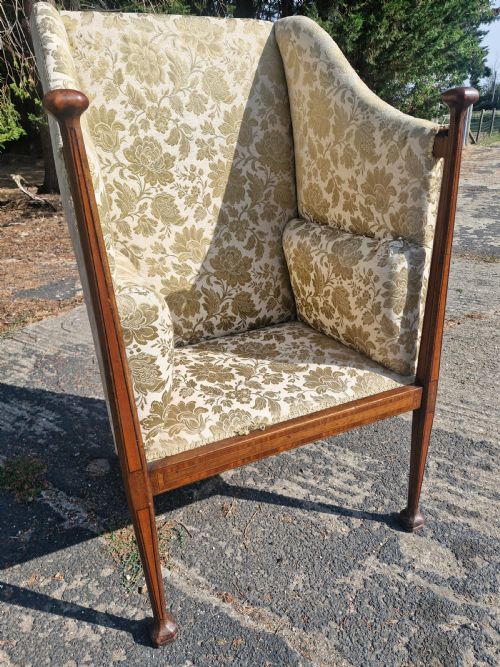
An antique inlaid arm chair brings together timber and decorative detail to anchor a room with period character.
Antique Inlaid Arm Chair
When you search for an antique inlaid arm chair, you encounter seating built across the nineteenth and early twentieth centuries, with Edwardian and Victorian examples appearing most frequently.
The selection ranges from salon and library models to desk chairs and corner chairs, often constructed in mahogany, walnut, or satinwood.
Makers drew on Regency, Sheraton, and Art Nouveau design vocabularies, applying contrasting timbers or metal wire to enrich structural frames.
Materials and construction
Cabinetmakers built the foundational frames using dense hardwoods like mahogany, walnut, and rosewood, ensuring structural stability for daily seating.
Decorative surfaces display intricate wood inlay and marquetry, often combining lighter satinwood or exotic woods to form floral, classical, or geometric motifs.
Certain pieces integrate brass wire inlay alongside timber, while upholstery incorporates leather, velvet, or woven fabric supported by traditional stuffing.
Antique Inlaid Arm Chair Retail Price Guide 2026
Typical asking prices for inlaid arm chair among the pieces listed under this phrase on Sellingantiques today, from the lower quarter to the upper quarter. They describe what is for sale here now, not the wider market.
Distinctions in craftsmanship
The caliber of an antique inlaid arm chair rests on the precision of the joinery and the fineness of the inlay work rather than the mere presence of decoration.
Superior examples exhibit crisp, tight veneer cuts where contrasting woods meet seamlessly without excessive filler, maintaining integrity across complex curves and back rails.
Shoolbred
The Antique Inlaid Arm Chair Glossary
- Marquetry
- A technique of forming decorative patterns on a wooden structure by fitting together thin veneers of different timbers, metals, or shells.
- Carver
- A term for an armchair, traditionally designed with arms to match a set of smaller dining or side chairs.
- Satinwood
- A durable, lustrous timber native to the tropics, frequently utilised in lighter coloured veneer work and contrasting stringing.
- Bergere
- An enclosed upholstered armchair with wooden framing and cane or upholstered side panels common in period seating.
- Tub chair
- An armchair featuring a rounded, continuous back and armrest structure resembling the shape of a half barrel.
Antique Inlaid Arm Chair: Frequently Asked Questions
How do I identify an Edwardian inlaid arm chair?
Edwardian examples usually feature light mahogany frames combined with delicate satinwood marquetry, reflecting the revival styles popular around the turn of the twentieth century. They often present slender proportions intended for drawing rooms or bedrooms rather than heavy formal dining.
Their construction leans toward lighter forms, occasionally utilising corner or tub configurations with subtle floral or neoclassical motifs executed in fine veneer work.
Where were antique inlaid arm chairs placed historically?
These chairs served varied functions across the home, appearing in libraries, morning rooms, and parlours as occasional seating. Desk and writing chairs required sturdier frames, while salon models prioritized decorative impact.
Drawing rooms utilised matching pairs or larger suites alongside settees, integrating the seating into the formal entertaining spaces of the nineteenth and early twentieth centuries.
How should I care for timber inlay on a chair?
Keep inlaid seating away from direct heat sources and strong sunlight to prevent the underlying timber from drying and the delicate veneer from lifting. Maintaining stable room humidity protects both the wood and the traditional adhesives used in the marquetry.
Apply microcrystalline wax sparingly to nourish the polished surface without building up residues that dull the contrasting tones of the satinwood or mahogany.
What is the difference between brass inlaid and wood inlaid chairs?
Brass inlaid models typically follow Regency or nineteenth-century aesthetic traditions, embedding fine metal wire or brass strips directly into dark timbers like rosewood or mahogany. This technique creates sharp, metallic linear contrasts against the polished grain.
Wood inlaid pieces rely on contrasting veneers such as satinwood and various fruitwoods, producing softer pictorial or geometric marquetry patterns associated with Sheraton revival and Edwardian manufacturing.