


Antique Ink Wash
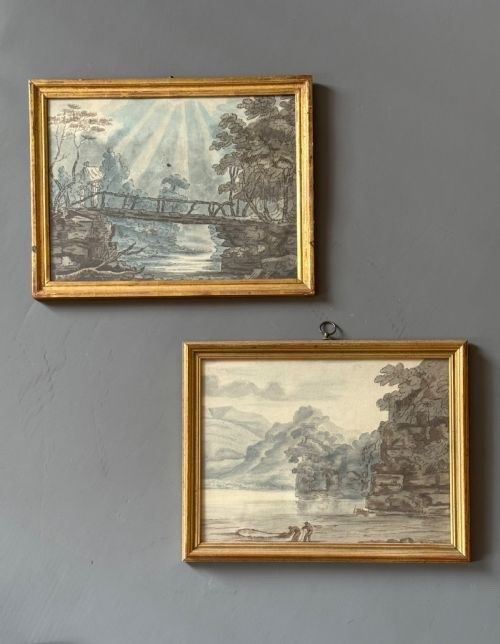
Antique ink wash brings together delicate line work and tonal depth, offering collectors a window into historical draughtsmanship and landscape studies.
Antique Ink Wash
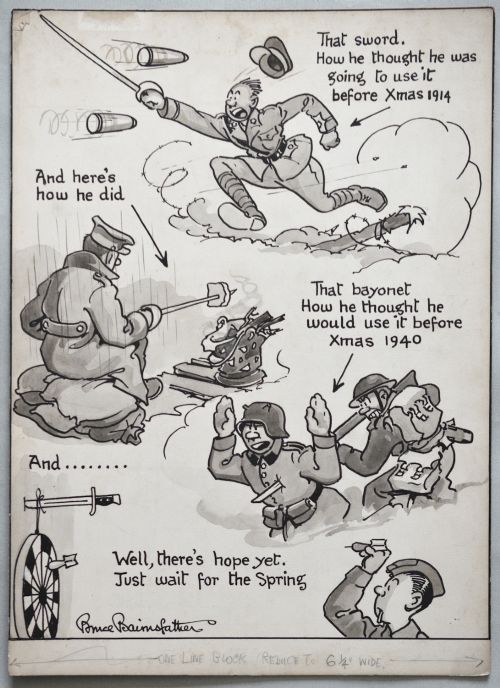
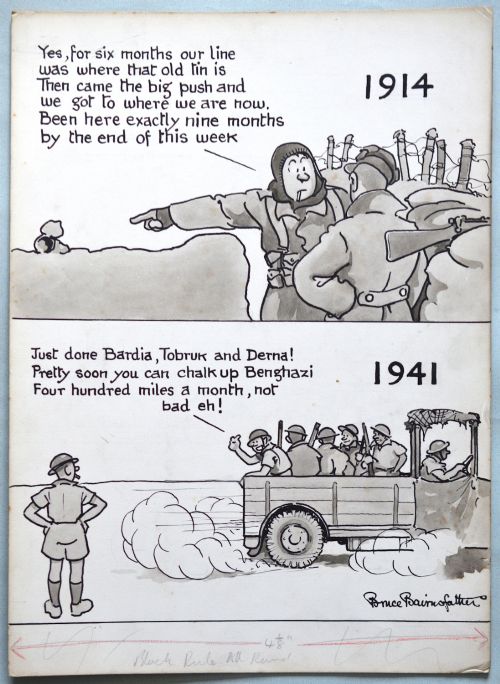
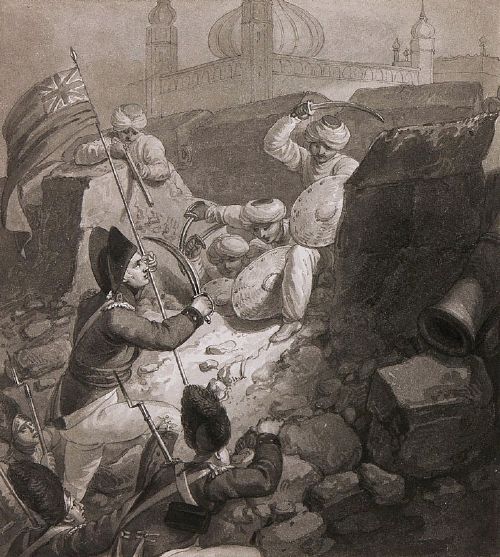
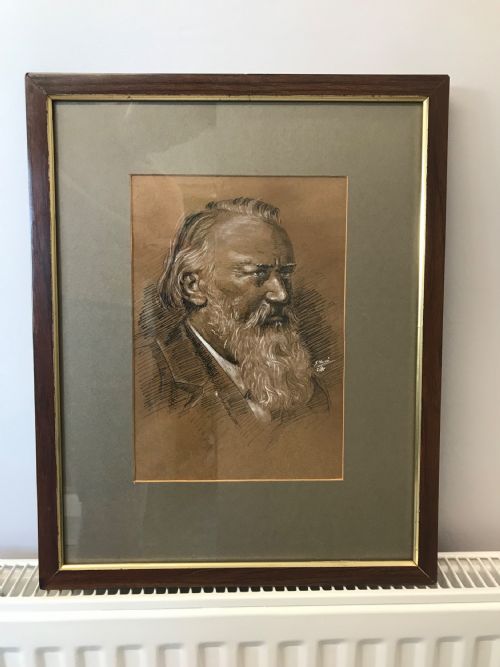
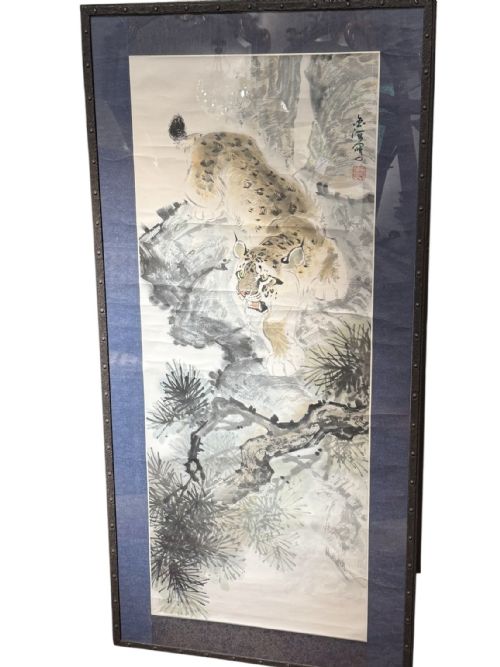
The selections on this page range from eighteenth-century Georgian landscapes and battle scenes to early twentieth-century townscapes and Chinese scrolls. You will regularly find portraits of composers, architectural studies, and pastoral sketches executed in pen, ink, and wash.
Works attributed to notable historical figures sit alongside anonymous landscape studies and traditional Asian scrolls. The common thread is the application of fluid ink and wash mediums on paper, capturing subjects from classical ruins to local rural scenes.
How they were made
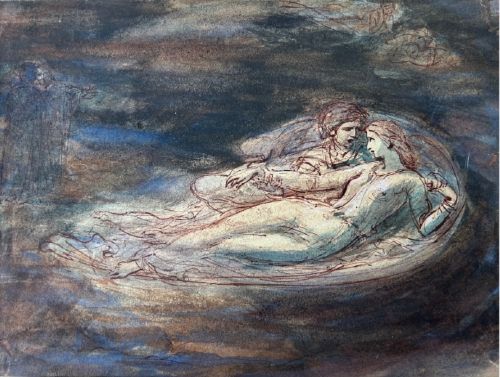
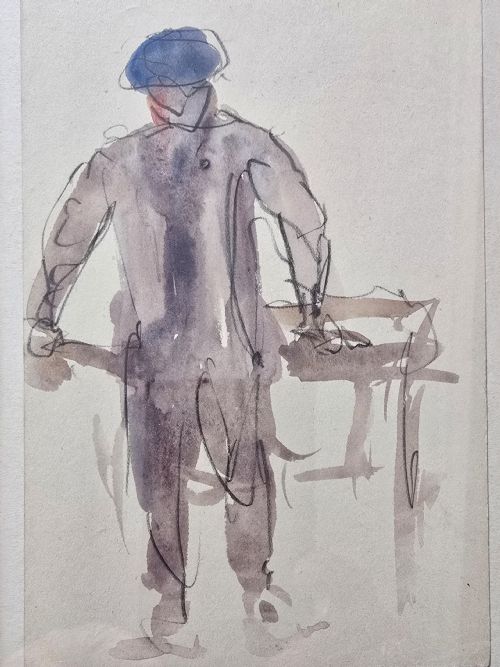
Artists built these compositions by combining pen and ink line work with diluted washes of watercolour, sepia, or gouache on paper. The underlying drawing provided structural definition, while the wash established shadow, depth, and atmospheric tone.
Support materials varied according to origin and period, utilising fine paper for European sketches and specialised scrolls for traditional Chinese pieces. Organic materials such as buffalo horn were carved for utilitarian scholar's objects associated with the craft.
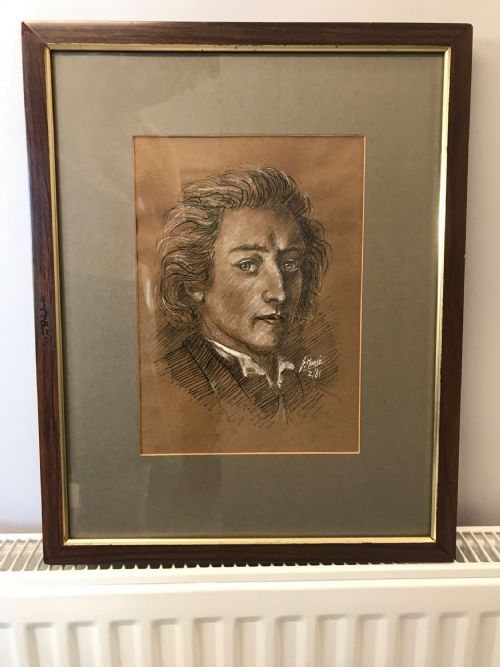
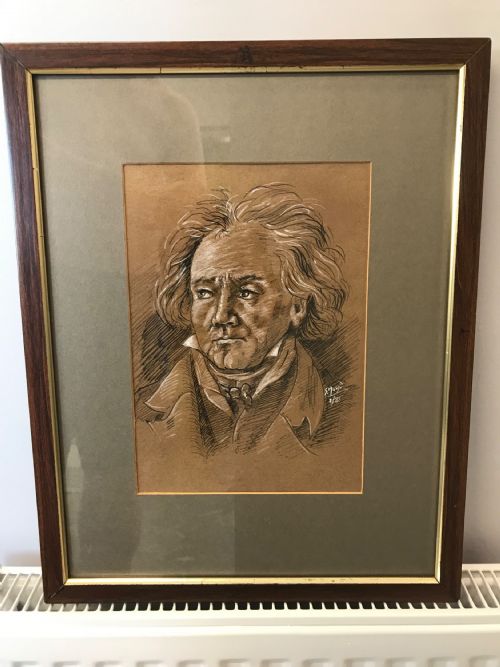
Several composers make unexpected appearances on the page, proving that nineteenth-century draughtsmen occasionally laid down their pens to sketch Chopin and Beethoven.
What varies in quality
The distinction between tiers of work rests on the confidence of the draughtsmanship and the control of the wash medium. Superior pieces display fluid, purposeful lines and subtle tonal gradations that create convincing light and space without muddying the paper.
Condition and provenance further define the standing of a piece, particularly regarding the preservation of the paper support and the stability of early pigments. Works bearing clear attribution to known practitioners or demonstrating accomplished handling of composition command closer attention from collectors.
William Marshall Craig·Frédéric Chopin·Ludwig van Beethoven·Johannes Brahms·Michael Healy·Edward Dayes·Thomas Rowlandson·Pio Panfili·Johan Noah Bemmel·Fred Lawson·Theobald Chartran·Peter Tillemans·Thomas Monro·Thomas Lound·Jacques Callot·Claude Lorrain
The Antique Ink Wash Glossary
- Wash
- A technique where diluted ink, watercolour, or sepia is applied evenly across paper to create monochrome shadows and tonal depth. It forms the atmospheric background or shading in a line drawing.
- Gouache
- An opaque watercolour paint consisting of pigment, water, and a binding agent such as gum arabic. It is often added to ink and wash drawings to supply highlights and solid colour areas.
- Sepia ink
- A dark brown pigment derived from the cuttlefish, frequently utilised by artists for monochrome or tonal drawings. It yields a warm, earthy quality distinct from standard black carbon ink.
- Scholar's object
- An item created for the study or desk of a traditional East Asian scholar, encompassing functional items like brush washers carved from horn. These pieces reflect the refined aesthetic of literati culture.
Antique Ink Wash: Frequently Asked Questions
What is an antique ink wash?
An antique ink wash is a work on paper created using pen and ink combined with diluted washes of pigment to establish tone and shadow.
These historical pieces encompass European landscape studies, portraits, and traditional Asian scrolls produced across the eighteenth, nineteenth, and early twentieth centuries.
How should I frame and display these works?
Works on paper require conservation-grade framing utilising acid-free mounts to prevent the paper from yellowing or degrading over time.
Positioning pieces away from direct sunlight protects vulnerable watercolours and inks from fading and preserves the integrity of the original medium.
How do I identify the period of a drawing?
Dating relies on examining the paper watermark, the style of the script or signature, and the characteristic clothing or architectural details depicted in the scene.
Contextual clues such as framing techniques and historical attribution records also assist in placing the work within a specific century or movement.
What subjects appear in these collections?
Subjects range widely from classical architectural ruins and topographical landscape studies to intimate portraiture of notable composers and writers.
军事 scenes, pastoral farmyard views, and traditional animal studies also feature prominently among the historical drawings and scrolls.