
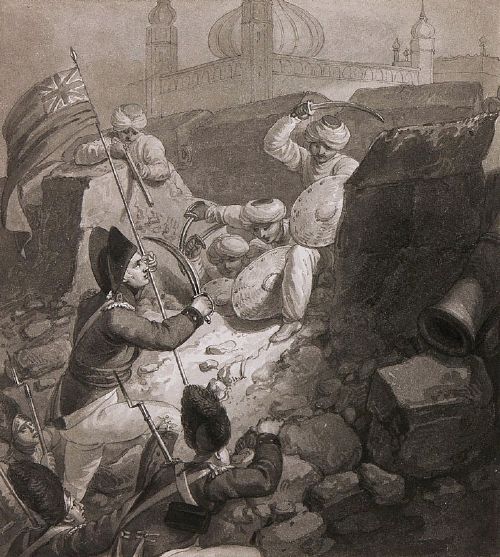
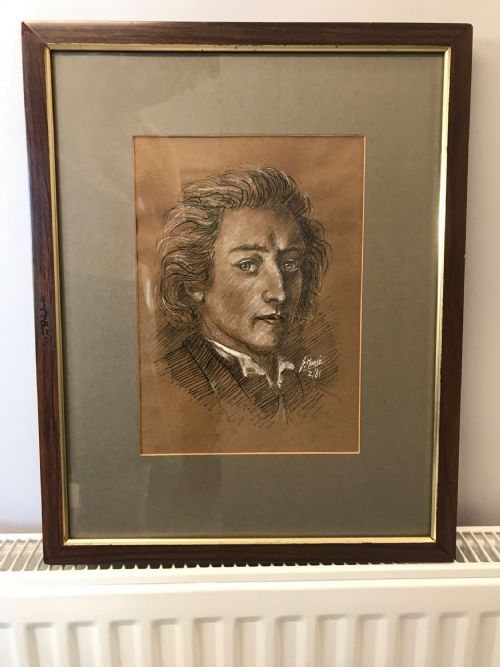
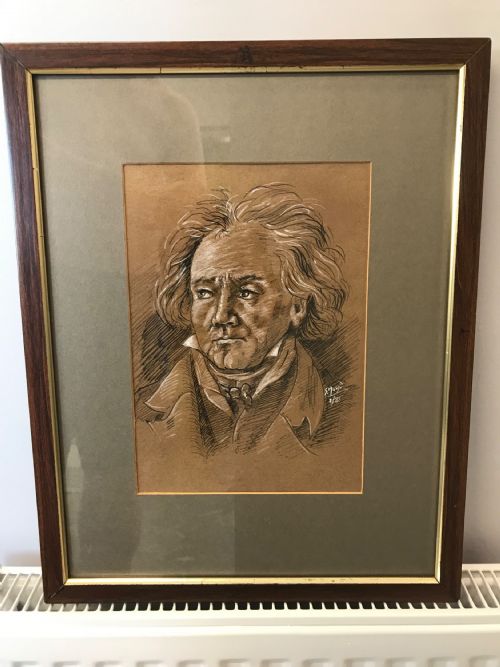
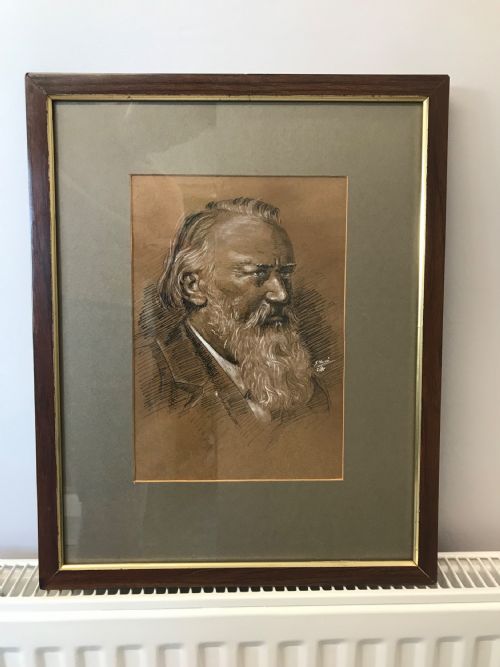


Antique Ink Wash Sketch
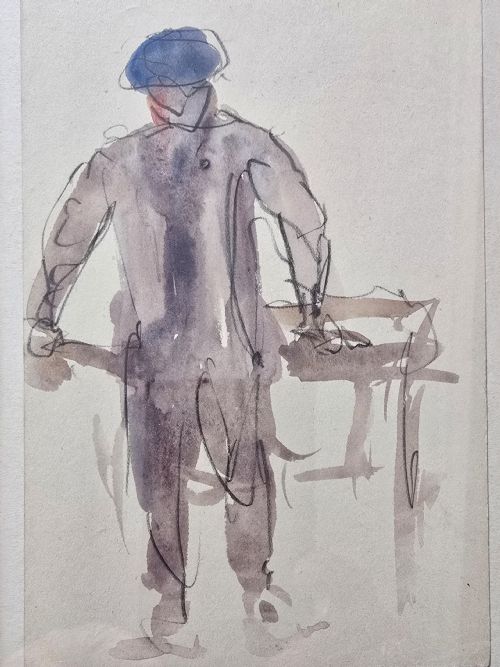
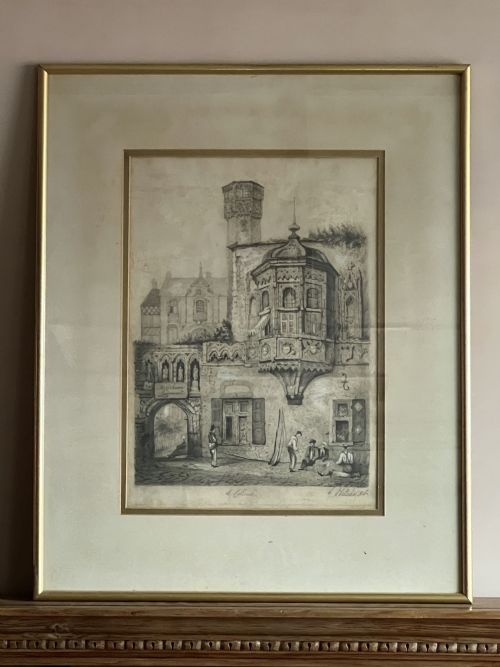
An antique ink wash sketch brings fluent line and tonal depth to paper, offering a direct encounter with historical draughtsmanship.
Antique Ink Wash Sketch
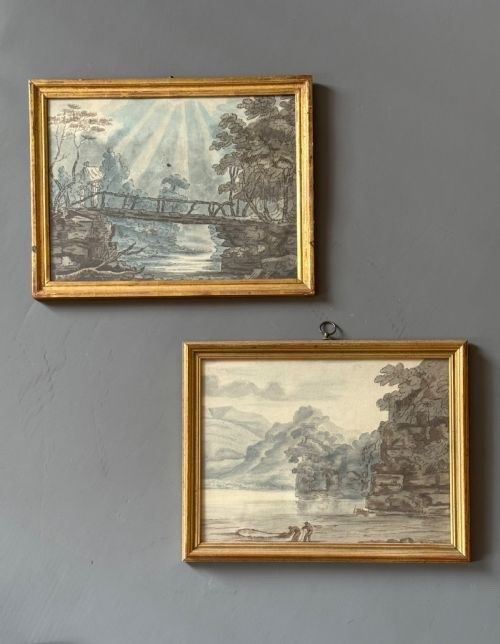
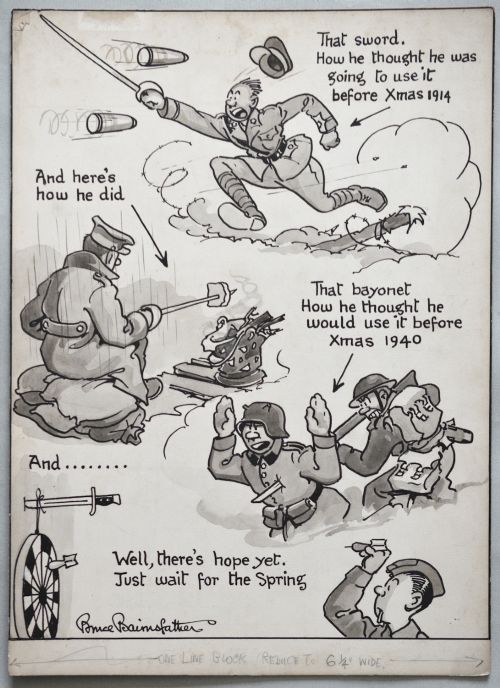
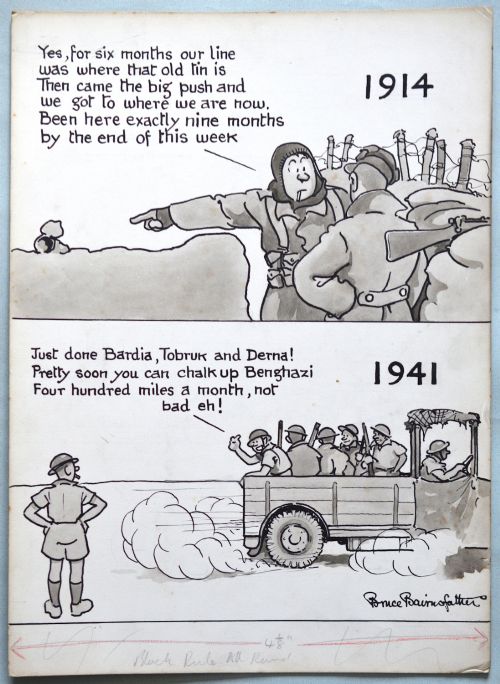
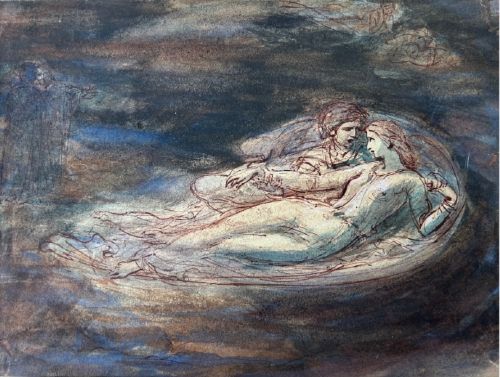
An antique ink wash sketch captures spontaneous compositions and finished studies on paper, reflecting centuries of graphic practice. These works range from rapid landscape notations to detailed portraiture and architectural studies, created across various historical periods.
The pieces on this page span the eighteenth, nineteenth, and twentieth centuries, encompassing Georgian landscapes, Victorian narrative scenes, and later works. Buyers encounter framed drawings and original paintings that demonstrate the enduring appeal of monochrome and toned media.
Subjects vary from British topographical views and battle scenes to continental landscapes and composer portraits. Each work presents the distinct hand of its maker through fluid ink lines and modulated wash layers.
Materials and technique
Artists built these compositions upon paper supports using liquid drawing media applied with pens and brushes. Iron gall or carbon inks established the primary contours and linear framework, while diluted washes created atmospheric shadow and volume.
Many examples incorporate additional media such as watercolour, gouache, or graphite to enrich the tonal range. These supplementary pigments provided highlights or subtle colour accents alongside the foundational monochrome wash.
Listings feature paper supports combined with ink, watercolour, gouache, and graphite across eighteenth and nineteenth-century periods.
Factors of quality
Quality rests upon the confidence of the draughtsmanship and the expressive control of the wash. Superior works demonstrate an assured balance between linear definition and tonal gradation, where every stroke contributes to spatial depth without hesitation.
The preservation of the paper support and the stability of the ink significantly influence the standing of a piece. Well-maintained surfaces retain crisp contrast and paper integrity, whereas degraded materials lose the subtle nuances intended by the artist.
William Marshall Craig·Edward Dayes·Thomas Rowlandson·Pio Panfili·Johan Noah Bemmel·Fred Lawson·Theobald Chartran·Peter Tillemans·Thomas Monro·Thomas Lound
The Antique Ink Wash Sketch Glossary
- Wash
- A diluted layer of ink or watercolour applied with a brush to create tonal depth and shadow. This technique allows artists to establish atmospheric effects swiftly behind linear outlines.
- Gouache
- An opaque water-based paint composed of pigment, water, and a binding agent such as gum. It provides solid highlights and dense colour passages that contrast with translucent ink washes.
- Graphite
- A form of crystalline carbon used for preliminary sketching and underdrawing beneath ink lines. It leaves a metallic grey mark that varies in tone according to its hardness.
- Topographical
- Representing specific real-world places, buildings, or landscapes with descriptive accuracy. These drawings served as visual records before the widespread use of photography.
Antique Ink Wash Sketch: Frequently Asked Questions
What is an antique ink wash sketch?
An antique ink wash sketch is an original work on paper combining linear ink work with diluted tonal washes. These pieces function as independent artworks or preparatory studies for larger paintings.
They record historical subjects, landscapes, and portraits through the direct hand of the artist, preserved behind glass in framed formats.
How do I care for works on paper?
Works on paper require protection from direct sunlight and high humidity to prevent fading and paper degradation. Framing with acid-free materials and UV-filtering glass ensures long-term preservation.
Keep pieces away from direct heat sources and maintain stable indoor environmental conditions to safeguard the ink and wash layers.
How are different periods identified?
Periods are identified through stylistic conventions, paper characteristics, and signatures or inscriptions left by the artist. Eighteenth-century works often display Neoclassical or topographical traits, while nineteenth-century pieces reflect Academic or Pre-Raphaelite influences.
Framing styles and historical documentation accompanying the artwork frequently provide additional chronological evidence.
What is the difference between ink and wash?
Ink refers to the concentrated fluid used to draw definitive lines and contours, typically applied with a pen. Wash is the same or similar medium diluted with water to create translucent areas of shadow and tone.
Together, they provide both the sharp architecture of a composition and its atmospheric depth.