


Antique Ink Illustration
When you search for an antique ink illustration, you uncover original works on paper that bridge fine art and historical narrative.
Antique Ink Illustration
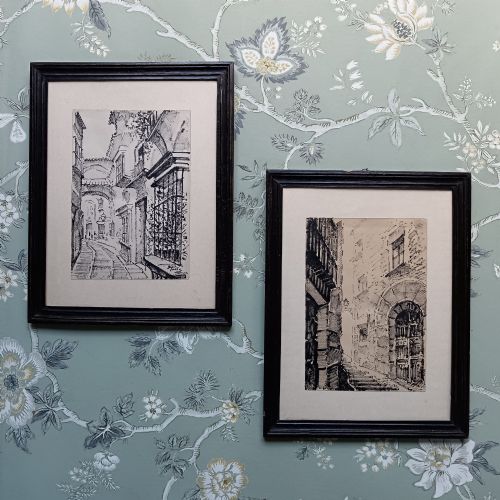
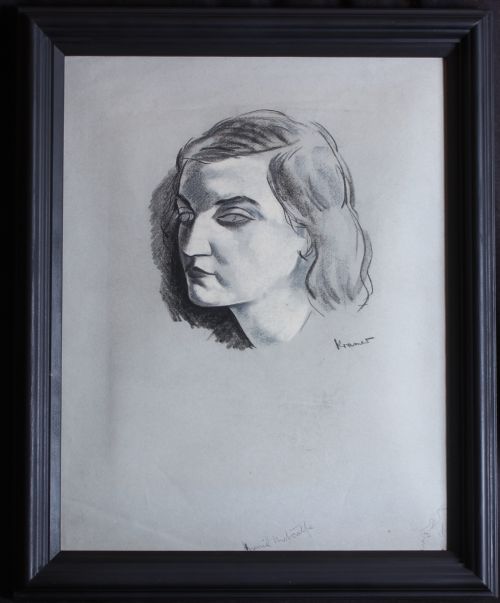
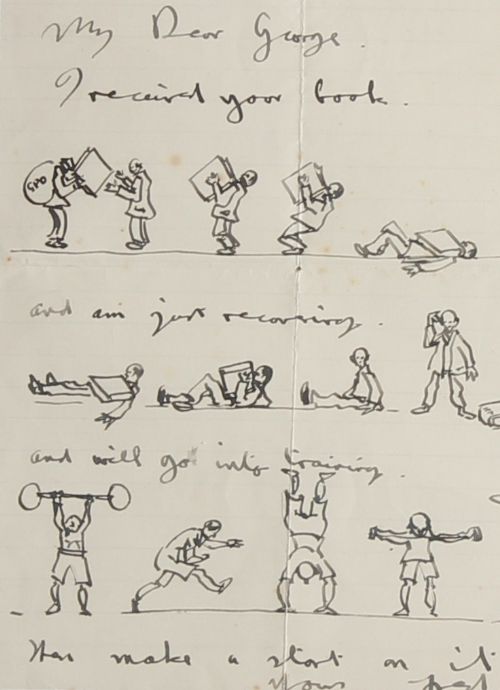
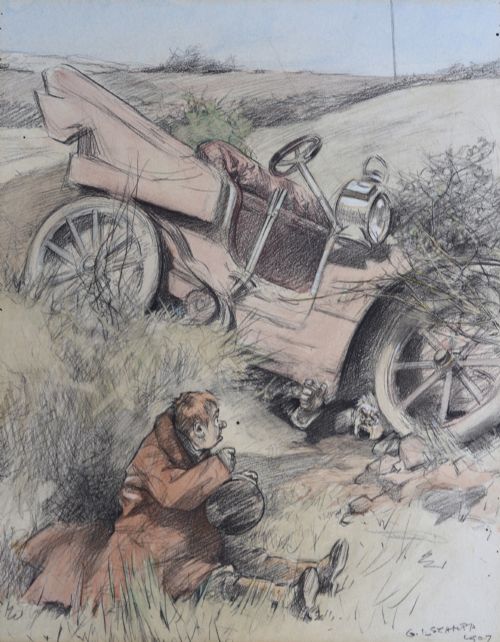
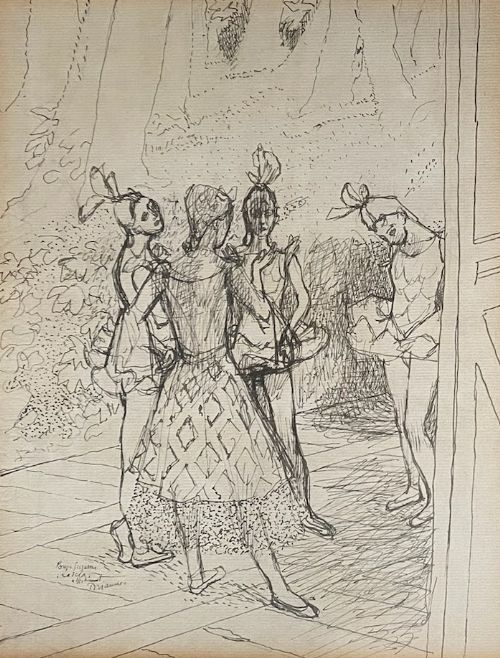
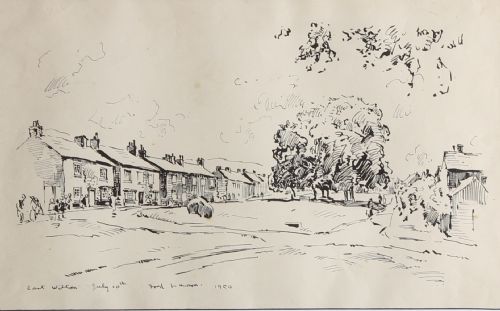
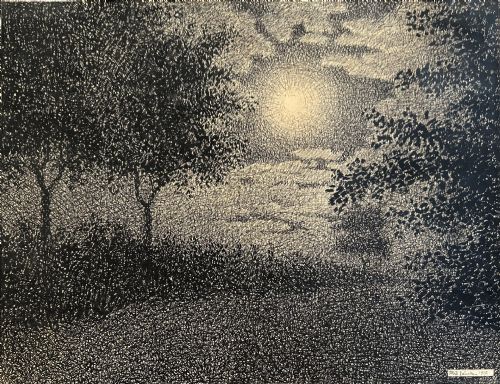
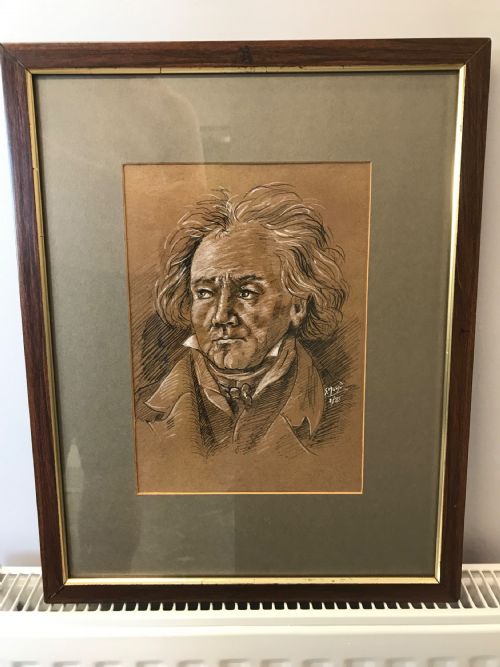
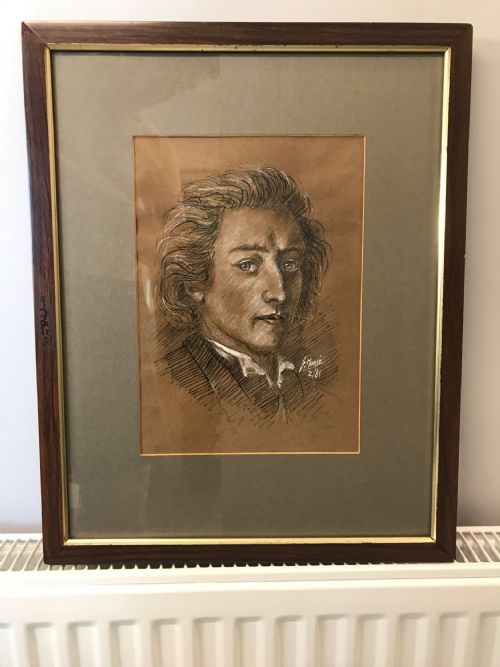
An antique ink illustration encompasses original works on paper produced across the eighteenth, nineteenth, and early twentieth centuries. These pieces range from detailed architectural studies and topographical landscapes to book illustrations and character portraits.
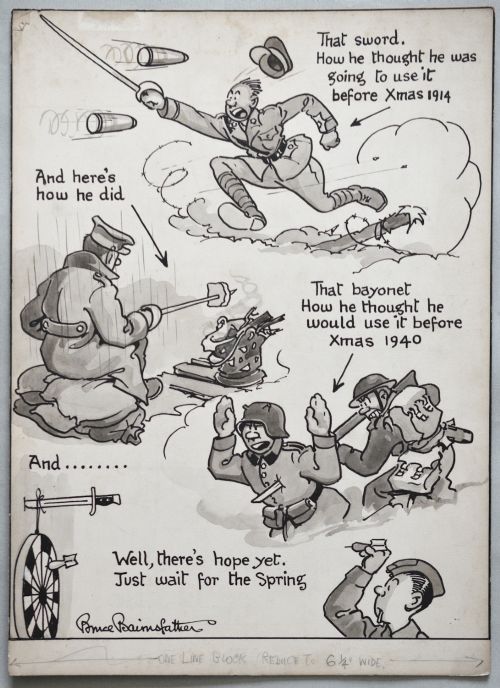
Buyers most frequently encounter nineteenth-century works, often framed and executed with pen, ink, and wash. Many of these drawings served functional roles as preliminary sketches for publications or detailed renderings for academic institutions.
Materials and technique
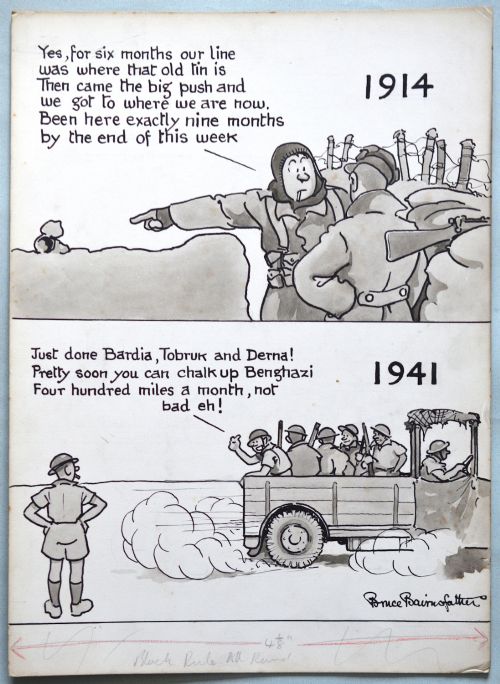
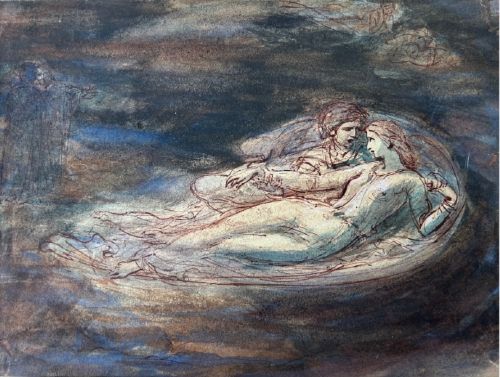
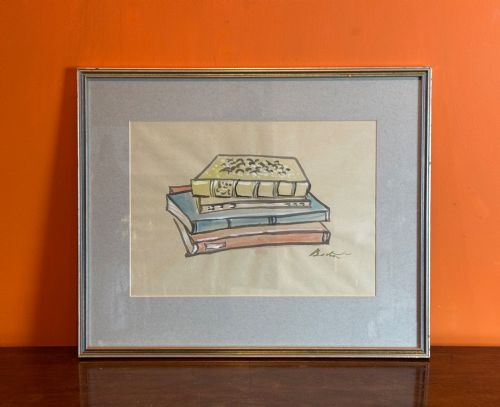
Artists relied primarily on paper supports, applying iron gall or carbon inks with pens or fine brushes to establish linear detail and contours. They frequently combined these lines with watercolour, wash, pencil, or gouache to introduce tone, depth, and selective colour.
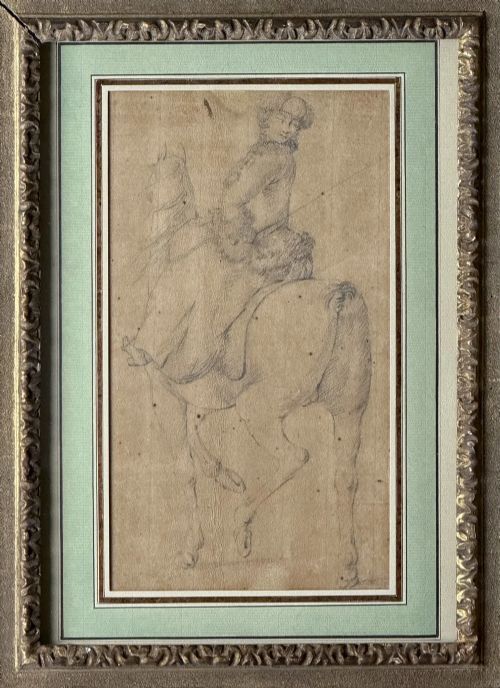
The framing often involves glass and wood to protect the fragile paper works from atmospheric damage while maintaining visibility. Draftsmen and illustrators utilised monochrome washes alongside pigments to achieve dramatic lighting effects and architectural precision.
Antique Ink Illustration Retail Price Guide 2026
Typical asking prices for ink illustration among the pieces listed under this phrase on Sellingantiques today, from the lower quarter to the upper quarter. They describe what is for sale here now, not the wider market.
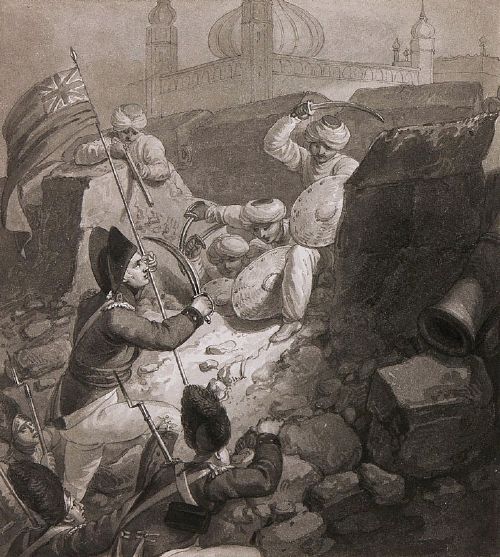
Cats, dogs, and farmyard animals frequently share drawing space with solemn architectural studies and historical battle scenes.
Judging quality
Quality rests upon the sureness of the draftsmanship and the clarity of the line work, which separates hurried sketches from highly finished compositions. The subtlety of the ink wash and the preservation of the paper support directly influence the visual impact of the drawing.
Signatures, dated contexts, and provenances linked to known book commissions or exhibitions elevate individual works. Pieces that retain their original integration of ink and secondary media without heavy fading represent the higher tier of the range.
Fred Lawson·George Lorain Stampa·William Marshall Craig·Herbert Dicksee·Edward Dayes·Louis Wain·Thomas Rowlandson·John Duncan Fergusson·Dame Laura Knight·Theobald Chartran·Joseph Hansom·Peter Tillemans·Jacques Callot
The Antique Ink Illustration Glossary
- Ink and wash
- A drawing technique combining linear ink work with diluted washes of ink or watercolour to create tonal depth and shadow.
- Gouache
- An opaque water-based paint that provides solid areas of colour and highlights on paper supports.
- Topographical
- A drawing style focused on the accurate depiction of specific places, buildings, and landscapes.
- Book illustration
- Original artwork specifically created to accompany or depict scenes within a published volume or literary work.
Antique Ink Illustration: Frequently Asked Questions
What is an antique ink illustration?
An antique ink illustration is an original work on paper created using pen and ink, frequently enhanced with wash or watercolour.
These pieces span various centuries and subjects, including architecture, landscapes, and literary scenes.
How were these drawings used?
Many of these drawings served as preliminary sketches for book illustrations, architectural plans, or standalone topographical studies.
Artists also produced them as finished portraits and historical scenes for exhibitions and publications.
How should I display them?
These works require framing behind glass to protect the delicate paper and pigments from dust and handling.
Keep them away from direct sunlight to prevent the ink and watercolour media from fading over time.
How do I identify the period?
Periods can often be identified through the watermark of the paper, the style of the script, and the framing methods.
Signatures, dates inscribed by the artist, and subject matter relating to specific historical events or buildings also help establish the date.