


Antique Industrial Table
An antique industrial table brings utilitarian strength and functional design into domestic spaces through robust metal bases and sturdy wooden tops.
Antique Industrial Table
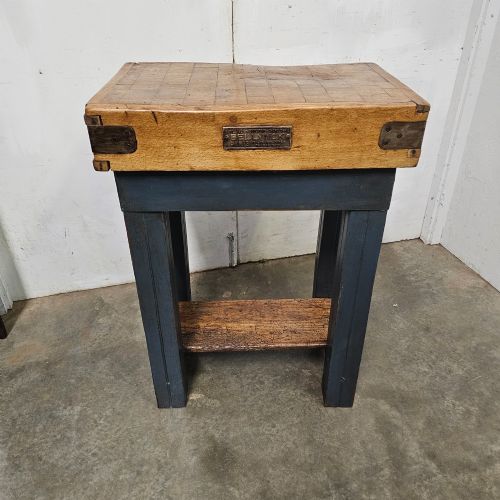
An antique industrial table encompasses heavy-duty furnishings originally built for practical labour, workshops, trade and public houses rather than domestic parlours. When exploring this category, buyers encounter forms ranging from butchers blocks and bakers prep tables to draughtsman desks, pub tables and cast-iron console bases.
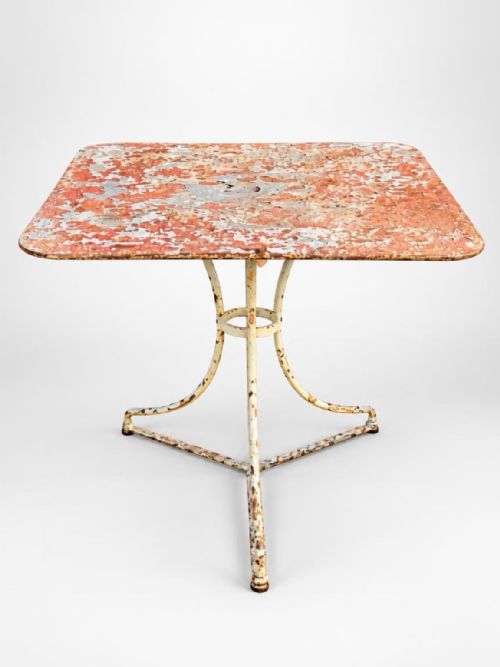
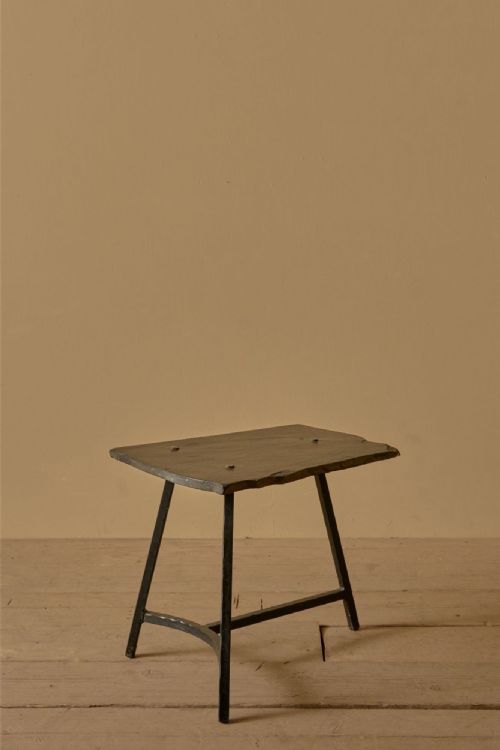
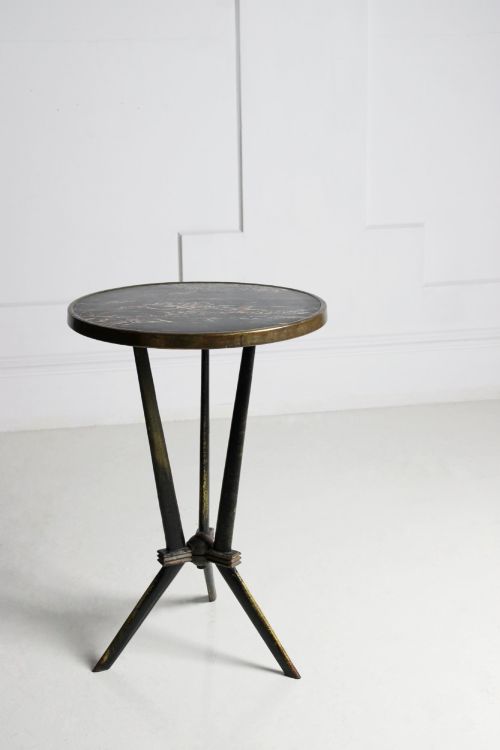
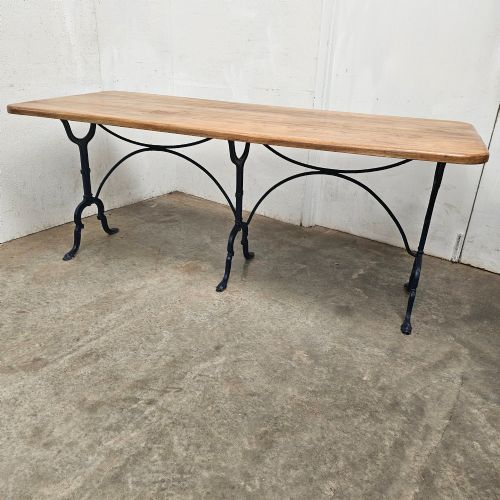
The version most commonly met on this page is the 19th-century or early 20th-century bistro, pub or work table combining a heavy cast-iron base with a timber top. These pieces originate from diverse European and British working environments, retaining the honest wear of daily commercial use.
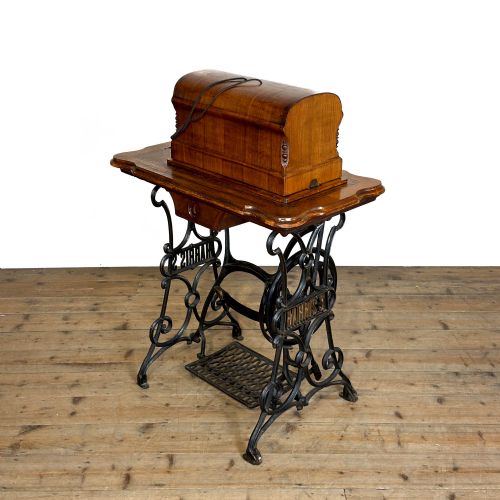
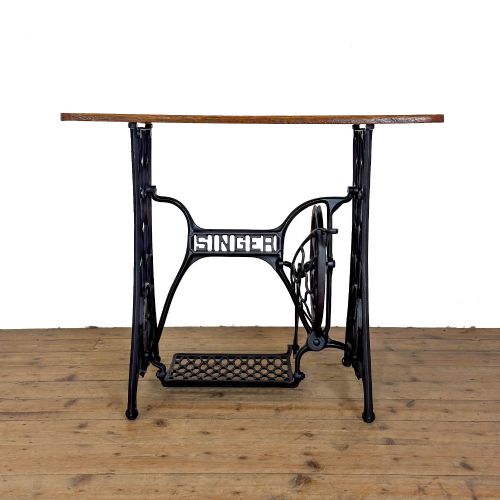
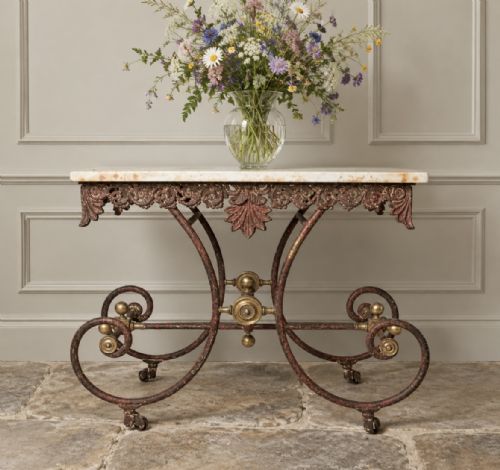
Makers represented in the inventory include firms such as Carters Of London, alongside specialised items associated with makers like Guilmet or identified by sewing machine bases such as Jones and Singer. Objects span periods from the Victorian era and the Edwardian years through to the 1920s.
Construction and Materials
These tables rely on structural combinations of cast iron, iron, brass and heavy timbers such as oak, elm, pine and occasionally marble or glass. Metal components were cast in foundry moulds, often featuring ornate tracery on pub table bases or utilitarian geometry on workbench frames.
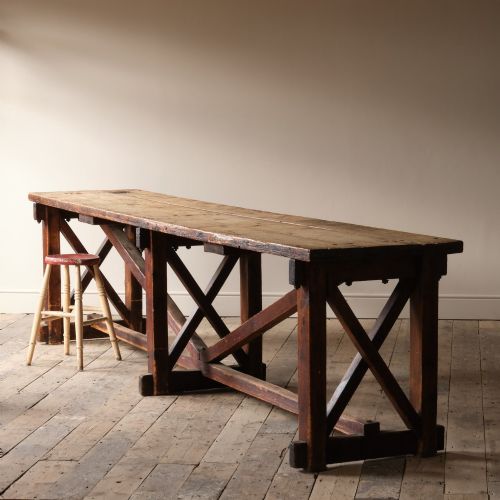
Wooden elements incorporate durable construction techniques suited to heavy labour, including thick planks fastened to metal chassis, integrated vises, clamping bars and turned wooden stretchers. Surfaces display the marks of saws, adzes and decades of trade use rather than smooth cabinetmaker finishes.
Antique Industrial Table Retail Price Guide 2026
Typical asking prices for industrial table among the pieces listed under this phrase on Sellingantiques today, from the lower quarter to the upper quarter. They describe what is for sale here now, not the wider market.
Some tables retain the indelible ink stains and scoring marks left by generations of postal workers and butchers.
Judging Quality and Authenticity
Quality in an antique industrial table rests upon the integrity of its original components and the harmony between the base and the top. Pieces retaining their matching foundry bases paired with period timber surfaces hold greater authenticity than later marriage pieces assembled from disparate parts.
The depth of patination on both the metal and the wood distinguishes superior examples from lesser items. Honest surface wear, original painted finishes and untouched mechanical adjustments on items like adjustable stands or workbenches elevate the piece.
Carters Of London·Guilmet·Jones·Singer
The Antique Industrial Table Glossary
- Cast Iron
- An iron-carbon alloy poured into moulds to create rigid, heavy structural shapes. It forms the decorative and load-bearing bases of many pub and bistro tables.
- Patina
- The surface sheen and colour acquired by materials through age, handling and use. It serves as a key indicator of genuine age on both timber and metal.
- Workbench
- A heavy utilitarian table fitted with vices, clamping bars or wells used by artisans. These robust forms frequently double as substantial dining or coffee tables.
- Britannia
- A specific style of 19th-century cast-iron pub table base featuring the figure of Britannia or distinct radial scrollwork. These designs remain highly sought after by collectors.
Antique Industrial Table: Frequently Asked Questions
How do I clean an industrial table top?
Clean wooden surfaces with a damp cloth and mild soap, avoiding harsh chemical strippers that remove historic patination. Wax the timber periodically to nourish the dry grain.
Protect cast-iron bases by dusting them gently and applying a light coat of neutral wax or oil to inhibit rust without creating an artificial gloss.
Can I use an industrial workbench for dining?
Many large workbenches and prep tables adapt well to dining use due to their generous proportions and sturdy construction. Ensure you check the knee clearance beneath the apron or vice mechanisms before seating guests.
Pairing a utilitarian base with a smooth wooden surface provides a stable, characterful centrepiece for modern kitchens and dining rooms.
What is a Britannia table base?
A Britannia base is a specific cast-iron table support popular during the Victorian period, featuring ornamental scrollwork and frequently the seated figure of Britannia. Found primarily in pubs and taverns, these heavy bases provide exceptional stability.
They are commonly paired with round mahogany, pine or marble tops to create compact bistro or pub tables.
How do I date an industrial table?
Dating relies on examining manufacturing techniques, such as the transition from hand-cast iron to machine-tooled steel, alongside patent marks and maker stamps. Fasteners like slotted screws and hand-cut wooden joints also point toward specific decades.
Compare the style of the base and the wear patterns on the timber top against documented examples from the 19th century and early 20th century.