





Antique Industrial Display
These antique industrial display pieces bring raw utilitarian history into modern rooms through heavy metal frameworks, salvaged shop fittings, and practical workspace furniture.
Antique Industrial Display
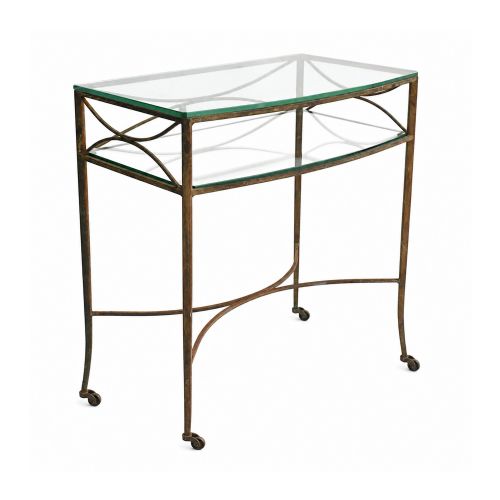
When searching for antique industrial display, buyers encounter a robust mix of utilitarian storage and commercial shop fittings built to serve working environments. These pieces originate from factories, bakeries, artists' studios, and retail establishments across the nineteenth and early twentieth centuries.
The selection leans heavily toward bakers racks, display cabinets, shelving units, and specialised shop stands designed for trade use. French boulangerie racks, adjustable studio easels, and glass-fronted countertop cases dominate the available forms.
Makers and workshops marked their output with stamps or brass plaques, identifying pieces produced in Birmingham, Paris, and regional European foundries. The resulting inventory reflects the physical demands of past commerce, translated directly into domestic interiors.
Materials and Construction Methods
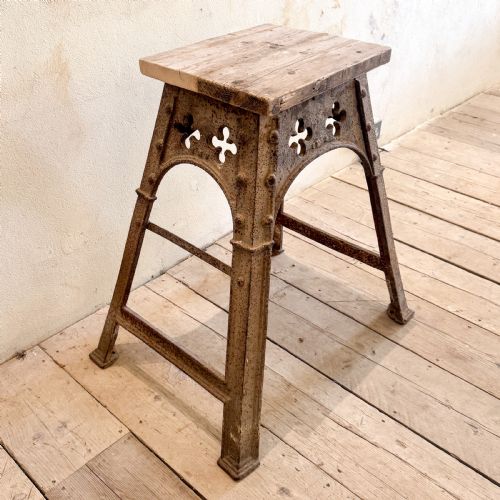
Construction relies on durable structural metals combined with dense timbers, utilising cast iron, wrought iron, brass, and steel to support heavy glass or wooden shelving. Foundries shaped molten iron into decorative scroll-work and rigid frames, while smiths hammered wrought iron into load-bearing racks and sign brackets.
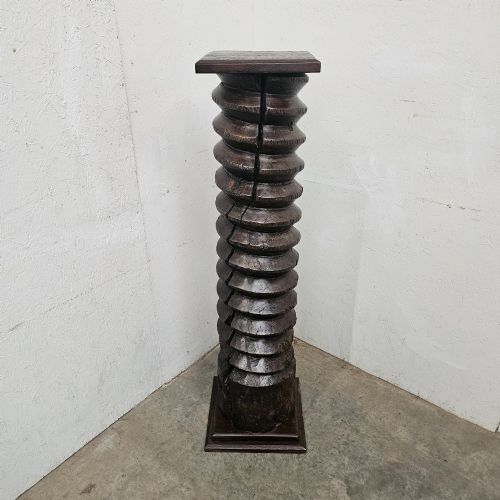
Woodworking traditions join pine, oak, and other hardwoods using pegged joints and hand-carved screw threads for adjustable mechanisms. Surfaces display the honest wear of industrial labour, showing distress marks, aged paint layers, and patinated metal finishes accumulated through decades of commercial operation.
Antique Industrial Display Retail Price Guide 2026
Typical asking prices for industrial display among the pieces listed under this phrase on Sellingantiques today, from the lower quarter to the upper quarter. They describe what is for sale here now, not the wider market.
The listings on this page span the Victorian era, the nineteenth century, and early decades up to nineteen thirty, utilising brass, cast iron, wrought iron, and pine.
Evaluating Build and Provenance
Quality rests upon the integrity of the original hardware, mechanical adjustability, and the presence of maker stamps or foundry marks. Pieces retain superior value when their winding screws, hinges, and sliding glass doors operate smoothly without modern replacements.
The distinction between standard commercial utility and finer craftsmanship lies in the detailing of the ironwork and the selection of materials. Elaborate scroll-work, heavy cast bronze components, and original stamped signatures elevate simple trade fixtures into exceptional examples of industrial design.
Dubois of Lyon·Gerwin & Co Birmingham·Josef Herzog·Siegel
The Antique Industrial Display Glossary
- Bakers Rack
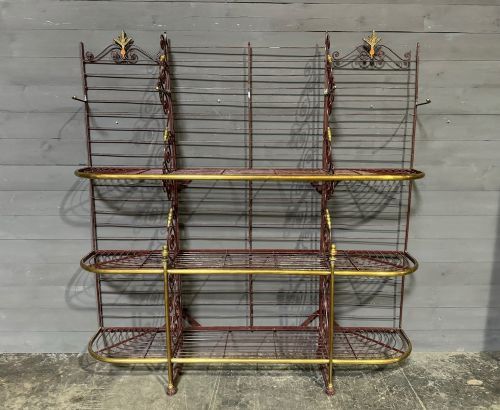
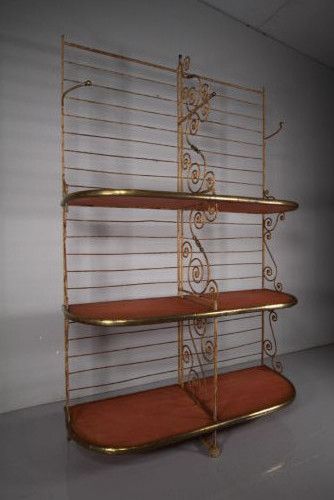
- A tall metal and wire shelving unit originally used in European boulangeries for cooling bread. These large frames utilise wrought iron and slatted shelves to maximise storage capacity.
- Milliner
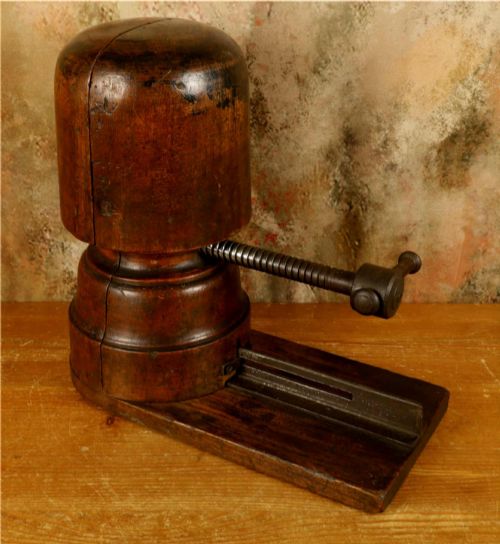
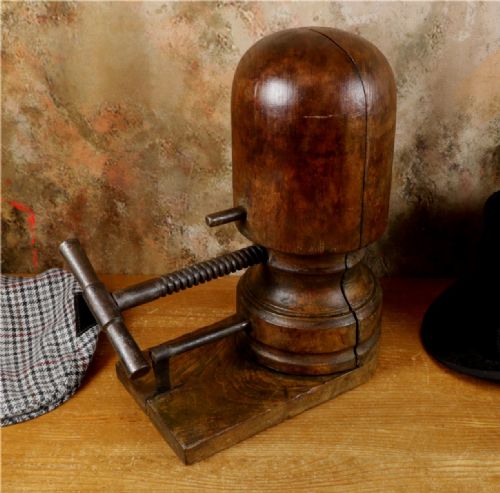
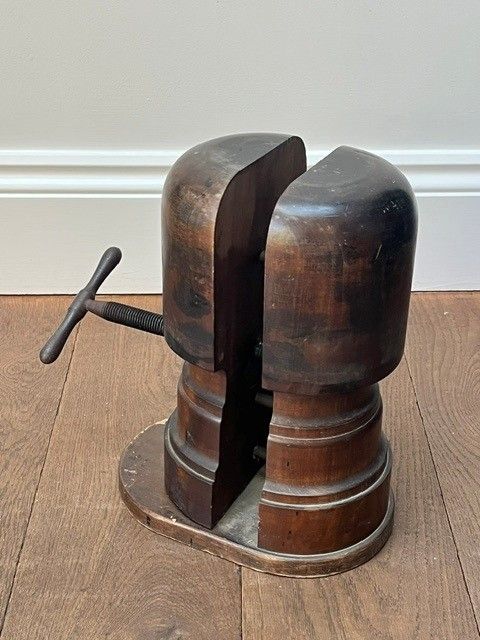
- A maker and seller of women's hats who utilised specialised wooden or aluminium blocks and stretchers. These sculptural moulds shaped felt and straw millinery in commercial workshops.
- Studio Easel
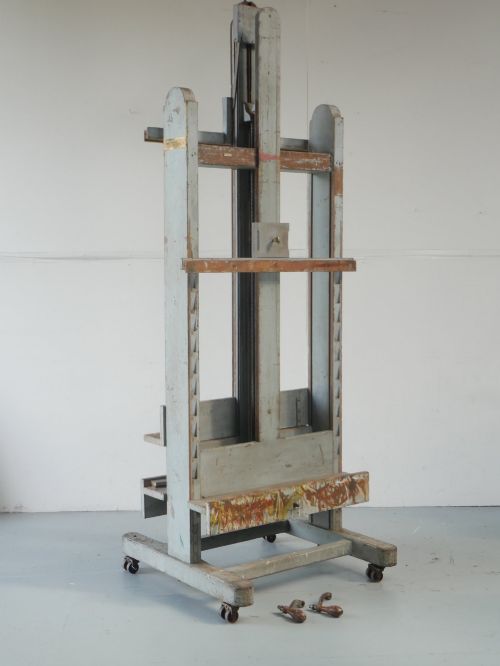
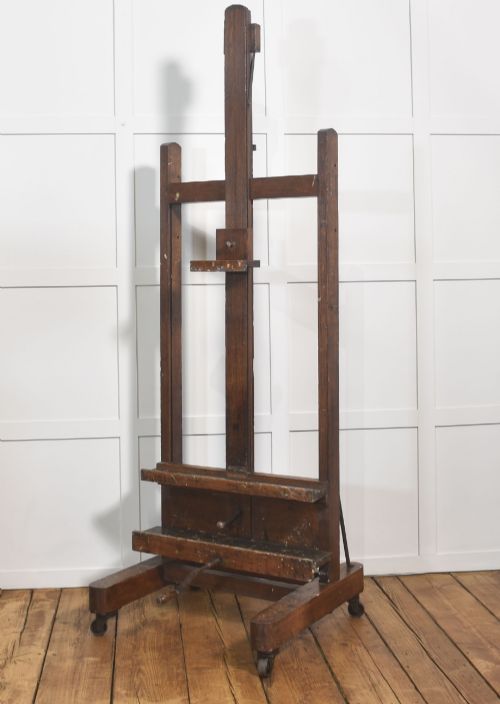
- A heavy timber framework designed to hold canvases securely at working heights. Large examples include crank handles and adjustable mechanisms for raising and lowering heavy paintings.
- Shop Fitting
- Fixtures and furniture built specifically for retail environments, including display cabinets, glass cases, and drawer units. These items organised merchandise for customer inspection.
Antique Industrial Display: Frequently Asked Questions
What is an antique bakers rack?
A bakers rack is a tall metal shelving unit originally built for European bakeries to cool bread and pastries. They combine sturdy iron frames with open wire or wooden shelves.
Today, these substantial pieces function as open storage units in kitchens and living spaces, holding books, plants, or kitchenware with utilitarian strength.
How were millinery moulds used?
Millinery moulds, or hat blocks, served as solid forms upon which hat makers shaped felt and straw during production. Sculpted from wood or aluminium, they matched specific head sizes and military cap specifications.
In contemporary interiors, these sculptural objects sit on tables or shelves as decorative art pieces that celebrate historical trades.
Where do industrial display cabinets fit?
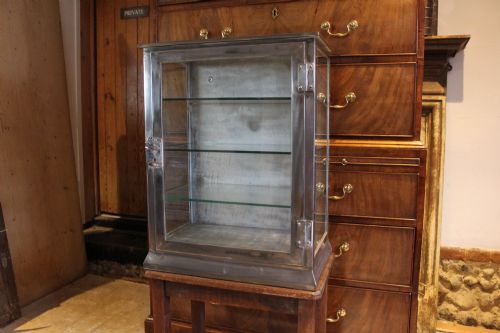
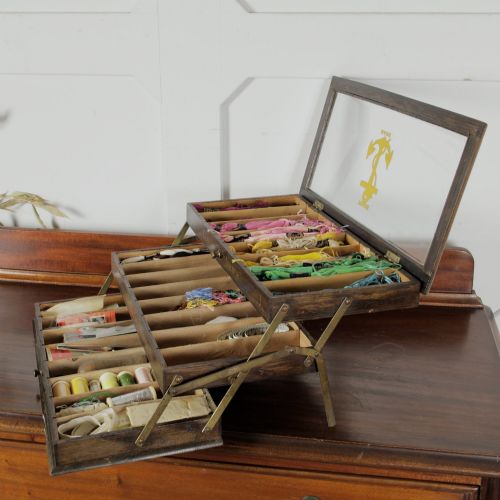
Industrial display cabinets originate from shops, medical offices, and exhibition spaces where merchandise or instruments required secure containment behind glass. Their steel and wood structures offer clear visibility while protecting contents from dust.
Placing one in a modern room creates a striking focal point for exhibiting collections, glassware, or books while maintaining a clean, architectural silhouette.
How do I identify a studio easel?
An artist's studio easel is identified by its heavy wooden framing, vertical mast, and mechanical crank systems designed to support large canvases. These pieces often feature rolling castors and adjustable ledges.
Living with an easel allows owners to display large artworks or mirrors securely, adding a creative, studio-inspired atmosphere to domestic spaces.