








Antique Indigenous Carving
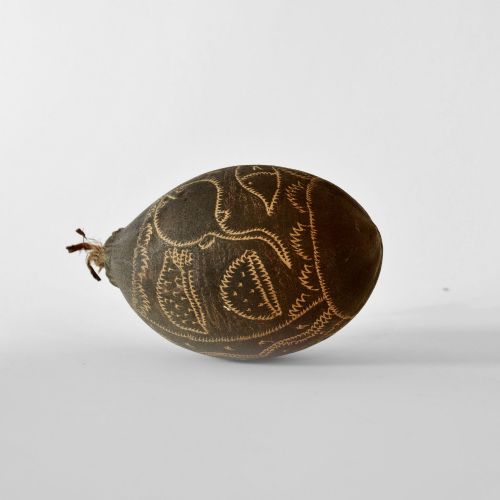
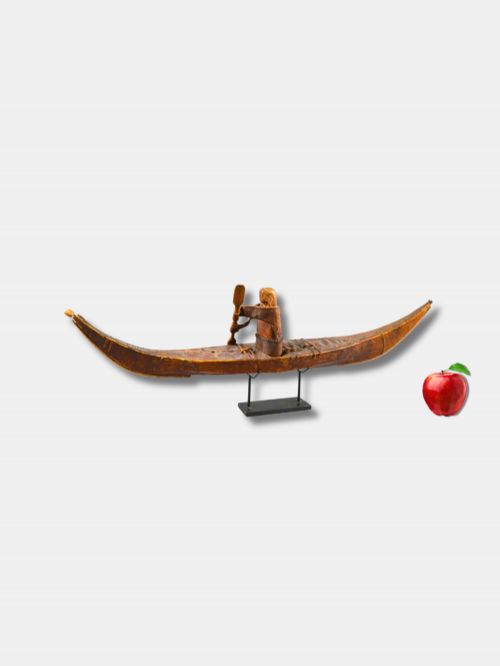
These pieces of antique indigenous carving span centuries of global tribal artistry, offering sculptural forms that demand space and quiet study.
Antique Indigenous Carving
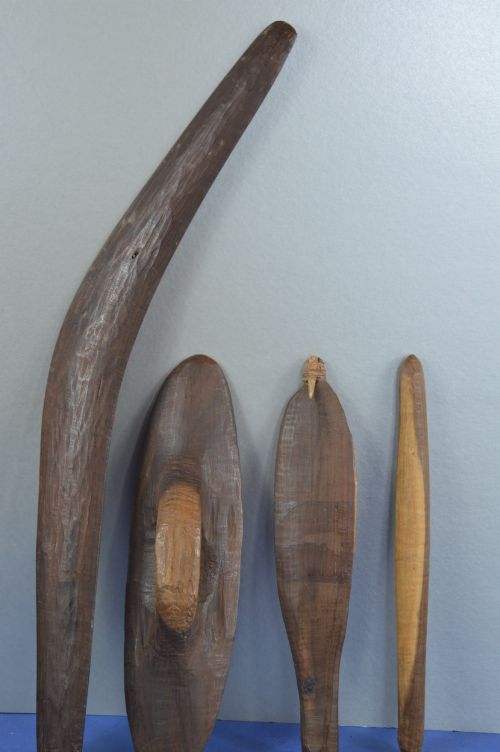
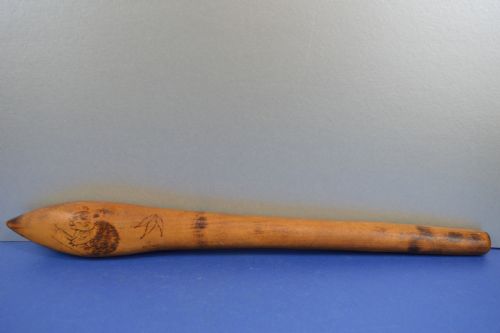
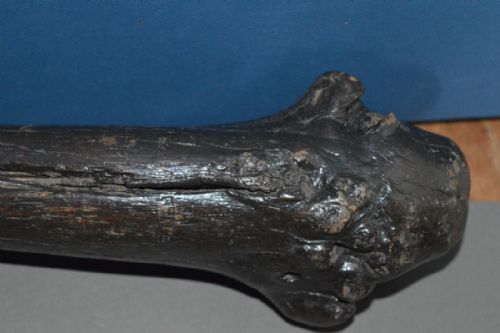
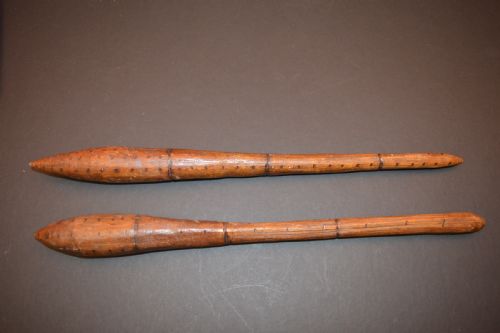
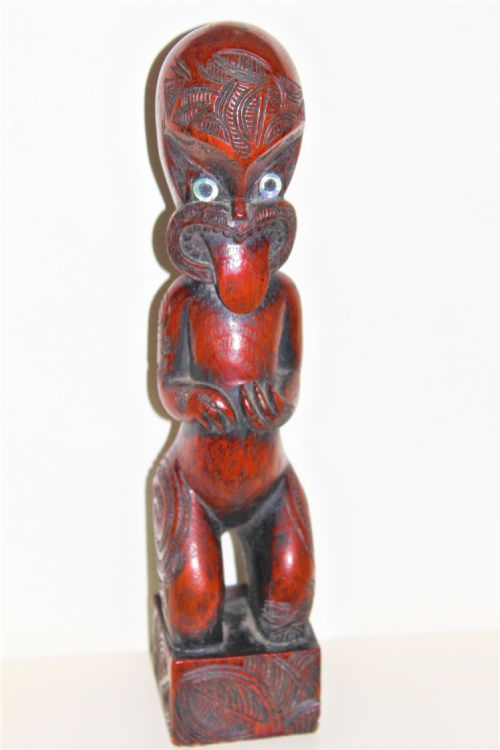
Forms span from functional implements like throwing clubs, woomeras, and hanging bowls to sculptural figures such as Inuit tupilaks, whalebone statues, and portrait busts. Utilitarian items often double as sculptural sculpture through their dynamic shaping.
Geographic origins recorded in the evidence range from Australian Aboriginal and Oceanic cultures to Inuit, Southern African, and Nigerian traditions. Buyers most frequently encounter nineteenth-century Oceanic clubs and Inuit bone or ivory sculptures on this page.
Materials and construction methods
Makers utilised dense native timbers, bone, whalebone, antler, and whale vertebrae to shape these pieces. Hardwood varieties provide the structural integrity required for heavy items like war clubs and throwing sticks.
Organic mediums such as tanned seal skin, plant fibre, and natural resin appear in specific composite works alongside carved bone components. Artisans worked these raw materials using hand tools, carving directly into the grain without modern power assistance.
Antique Indigenous Carving Retail Price Guide 2026
Typical asking prices for indigenous carving among the pieces listed under this phrase on Sellingantiques today, from the lower quarter to the upper quarter. They describe what is for sale here now, not the wider market.
An eighteenth-century bone object sits quietly among the heavy war clubs, reminding us that someone once carved a meal's leftovers into art.
Evaluating sculptural quality and authenticity
Quality rests in the confidence of the carving and the honesty of the surface patination built through handling and age. Pieces that retain distinct tool marks show direct human engagement rather than mass production.
Proportion and balance dictate the strength of utilitarian objects like clubs and spear throwers. Superior examples combine functional design with sculptural rhythm, whereas lesser items display rigid or uninspired execution.
Master carver Abegunde of Ede·V . Ramirez Bolivia
The Antique Indigenous Carving Glossary
- Woomera
- A spear thrower used by Australian Aboriginal peoples to increase the velocity and range of a thrown spear. It often doubles as a shallow carrying vessel.
- Knobkerrie
- A traditional Southern African wooden club featuring a heavy ball or knob at the end. It functions as both a weapon and a status symbol.
- Tupilak
- A carved figure from Inuit culture traditionally fashioned from bone, antler, or wood to represent a vengeful spirit. Shamans brought these figures to life through esoteric rituals.
- Vunikau
- A traditional Fijian war club carved from the root ball of a tree, offering immense weight and strength. These pieces display distinct ridging and texture from the root structure.
Antique Indigenous Carving: Frequently Asked Questions
How were tribal clubs used?
War clubs and throwing clubs served primarily in conflicts, hunting, and tribal defence across Oceanic and African societies. Their heavy wooden construction delivered significant impact force in close quarters.
Beyond combat, many clubs functioned as badges of office or status for leaders and warriors. Their carved handles and balanced weights reflect careful attention to both ergonomics and visual presence.
How should I display a bone carving?
Bone and whalebone carvings require stable indoor environments away from direct sunlight and dramatic humidity shifts. Natural organic materials react to moisture changes, so keeping them in steady atmospheric conditions preserves their surface.
Mount them securely using non-invasive custom supports that respect the original form without drilling or stress. Allowing space around the object lets the sculptural silhouette read clearly against a neutral wall or backing.
How do I identify a 19th-century piece?
Nineteenth-century works show specific tool marks left by steel trade blades or traditional stone implements, depending on the region. Wear patterns on handles and high-touch areas reveal genuine age and handling.
Comparing the timber species, patination, and construction style against documented museum examples helps confirm the period. Natural darkening of bone and wood fibres over generations provides a visual marker that modern reproductions cannot replicate.