


Antique Impressionist Art
Antique impressionist art captures fleeting moments of light and everyday scenes through expressive brushwork.
Antique Impressionist Art
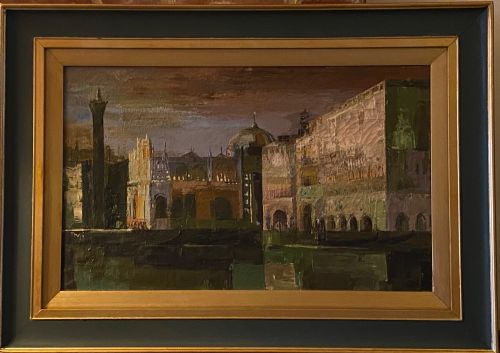
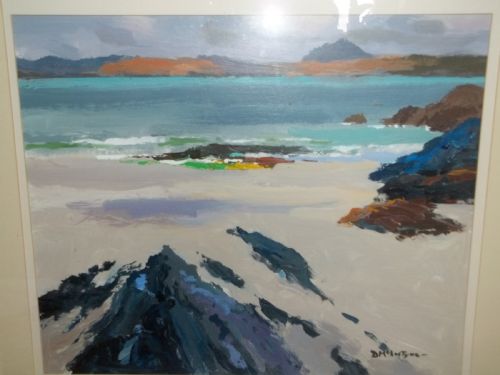
When searching for antique impressionist art, buyers encounter oil and watercolour paintings dating predominantly from the nineteenth and twentieth centuries. The selection encompasses diverse regional movements, including British Impressionism, Post-Impressionism, and Modern British works.
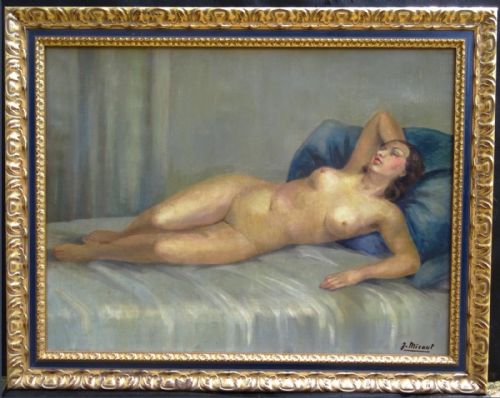
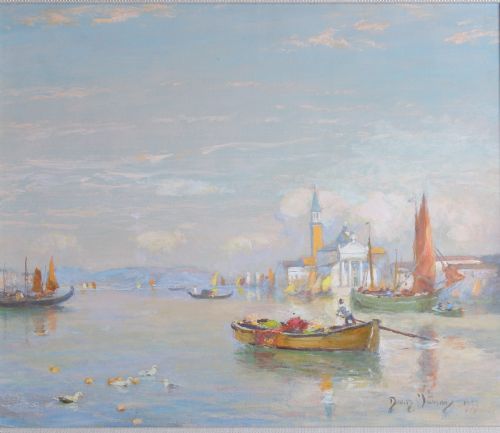
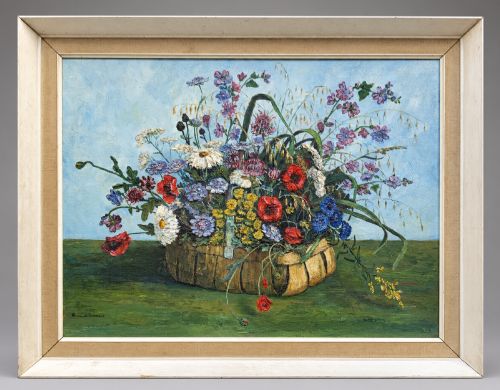
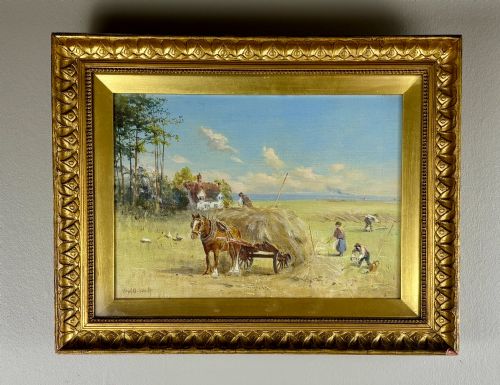
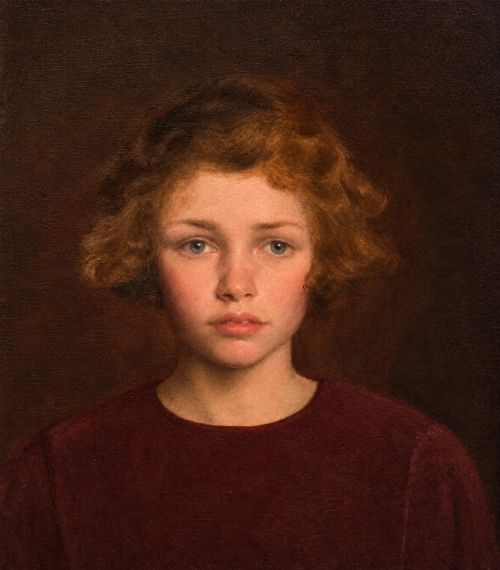
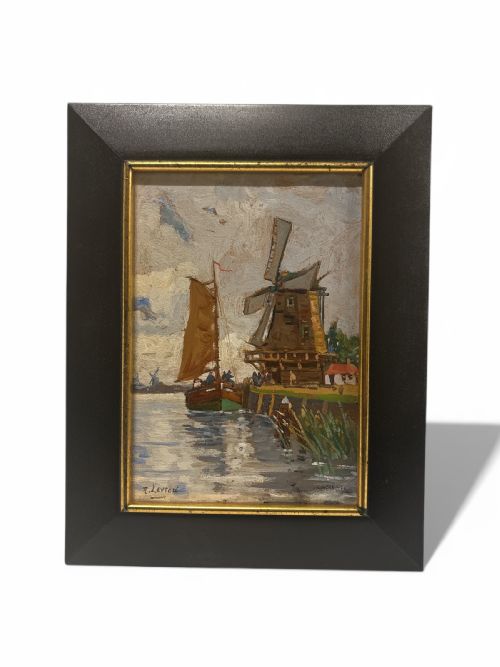
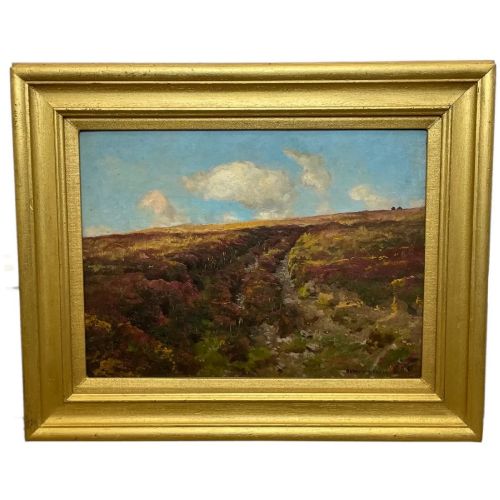
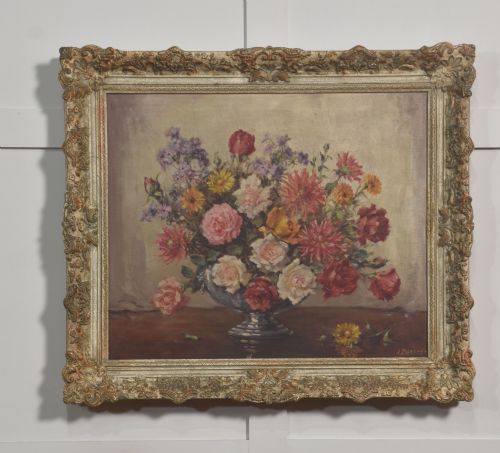
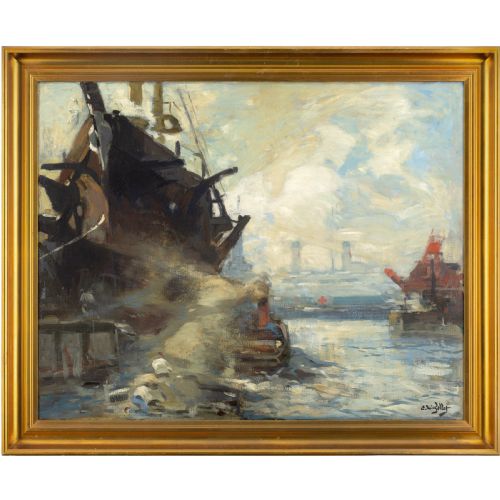
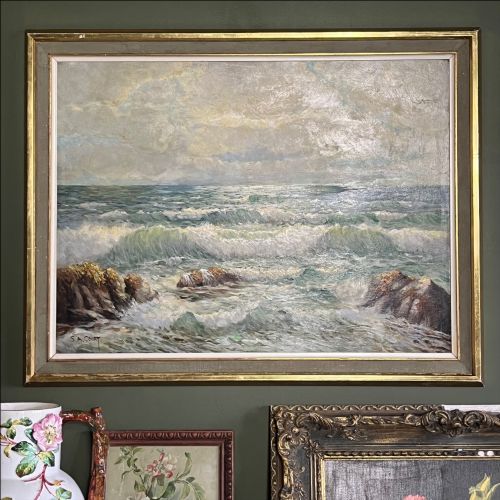
The most common formats on this page are oil paintings on canvas or board, alongside watercolours. Subjects range from maritime scenes and landscapes to intimate domestic interiors and still lifes.
These works stem from various European schools, spanning British, French, Belgian, Dutch, Austrian, and Scandinavian artists. Dating generally spans from the late nineteenth century through the Edwardian period and into the mid-twentieth century.
How they were made
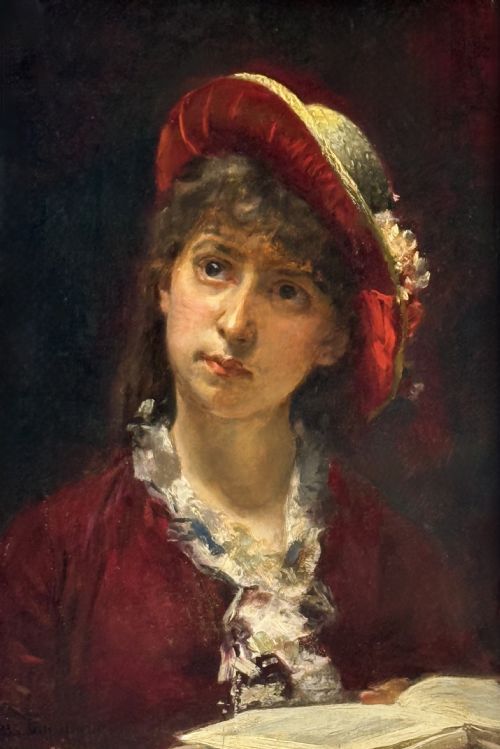
Artists utilised oil paint and watercolour applied to stretched canvas, wooden panels, or heavy paper supports. Many canvases display visible, textured brushwork known as impasto, capturing the immediate physical gesture of the painter.
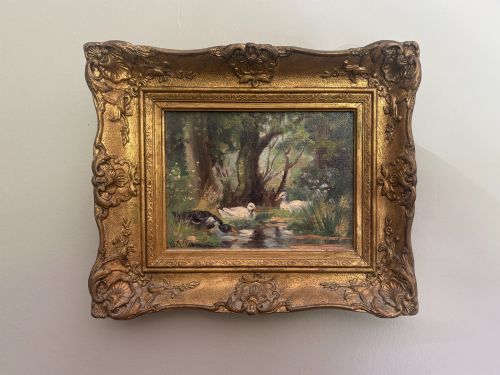
Framing plays a defining role in presentation, with many works housed in period gilt or gilt wood frames that complement the painted surface. Gold leaf embellishments frequently accent these surrounds, enhancing the visual depth of the artwork.
Materials recorded include oil paint, canvas, wood, gilt, and gold leaf.
What varies in quality
The strength of a composition rests on the artist's handling of light, atmosphere, and spatial depth. Superior examples demonstrate confident, purposeful brushwork that brings vitality to a landscape or interior scene.
The integrity of the original support and pigment layer dictates the preservation state of the piece. Works retaining their initial canvas tension and untouched paint surfaces hold greater artistic cohesion.
George Graham·Arthur Wardle·Eugène-Louis Gillot·Kershaw Schofield·George Houston·Herbert Royle·William Banks Fortescue·James Kay·Augusto Alberici·Gabriel Mathieu·Arthur Gué·Henry Silkstone Hopwood·Charles Houben·Konstantin Stoitzner·Hector Caffieri·Francisco Sancha·Herbert Ashwin Budd·Charles Stuart Forbes·Alfred Wolmark·Eric Brown·Willem Bos·Henri Ottmann·Ernest Higgins Rigg·Else Preußner·John Hodgson Lobley
The Antique Impressionist Art Glossary
- Impasto
- Paint applied thickly to a canvas, standing out in relief from the surface. This technique adds tactile dimension and captures light dynamically.
- Post-Impressionism
- An artistic movement following Impressionism that extends its vivid use of colour while exploring more structured forms and expressive content.
- Gilt Wood
- Timber coated with a thin layer of gold leaf or metallic gilt powder. It provides traditional framing that frames the artwork.
- Still Life
- A painting featuring inanimate subject matter, such as fruit, flowers, or domestic objects arranged in an interior setting.
- Maritime Impressionism
- Genre focused on marine subjects, coastal views, and harbour scenes rendered with loose, atmospheric brushwork.
Antique Impressionist Art: Frequently Asked Questions
What is antique impressionist art?
It encompasses paintings created during the late nineteenth and twentieth centuries that utilise loose brushwork and vibrant light effects.
These works reflect various regional movements across Europe, including British and French traditions.
How do I care for an oil painting?
Keep the artwork away from direct sunlight and steady humidity levels to protect the canvas and paint layers.
Dust the surface gently with a soft, dry cloth without applying cleaning liquids.
How can I tell the period of a painting?
Examine the materials used for the support, such as the weave of the canvas or the composition of the wooden board.
Artist signatures, historical framing styles, and recorded exhibition dates also offer reliable chronological clues.
What subjects are most common?
Landscapes, coastal harbours, and domestic interiors dominate the selection of available works.
Still life arrangements featuring flowers or everyday objects also appear frequently across different periods.