





Antique Imari Pattern Chargers
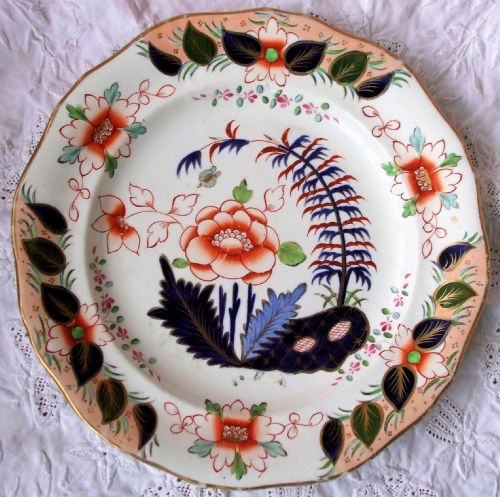
Antique imari pattern chargers are striking ceramic pieces defined by iron red, cobalt underglaze, and gilt detailing, prized for their rich palette.
Antique Imari Pattern Chargers
Antique imari pattern chargers encompass large decorative plates and dishes drawing on Japanese and Chinese export traditions, alongside English adaptations in ironstone and porcelain. These items surface across various periods from the seventeenth century through to the early twentieth century, reflecting enduring cross-cultural exchange.
The most common examples encountered on this page are Japanese imari plates dating from the late nineteenth and early twentieth centuries, particularly around nineteen hundred. Buyers also frequently find eighteenth-century pieces, seventeenth-century Arita dishes, and nineteenth-century English ironstone plates styled in the manner.
Forms extend beyond standard circular chargers to include octagonal plates, scalloped edges, and bowls, all sharing the distinct traditional palette. Makers such as John Davenport of Longport also produced English interpretations during the nineteenth century.
How they were made
Production relies on porcelain, ceramic, and ironstone bodies decorated with cobalt underglaze blue and vibrant enamel colours. Artisans applied gold leaf and gilt highlights to enrich the surface design.
Firing techniques allowed cobalt underglaze details to fuse beneath the glaze whilst enamel paints and gold leaf were added in subsequent firings. This layered method created the characteristic depth found across Japanese Meiji, Edo period, and Chinese export pieces.
Antique Imari Pattern Chargers Retail Price Guide 2026
Typical asking prices for imari pattern chargers among the pieces listed under this phrase on Sellingantiques today, from the lower quarter to the upper quarter. They describe what is for sale here now, not the wider market.
Materials documented across the collection include porcelain, ceramic, ironstone, enamel, cobalt underglaze, and gold leaf.
What varies in quality
Quality rests upon the crispness of the cobalt underglaze painting and the precision of the enamel work. Finer examples display meticulous brushwork and generous application of gold leaf or gilt.
The refinement of the porcelain body and the complexity of the moulding, such as octagonal shapes or scalloped edges, separate standard domestic wares from superior decorative pieces.
John Davenport of Longport
The Antique Imari Pattern Chargers Glossary
- Imari
- A style of ceramic decoration originating in Japan, characterised by a palette of cobalt underglaze blue, iron red, and gilt highlights. The style was later emulated by Chinese export kilns and European factories.
- Charger
- A large ornamental plate used traditionally for display rather than for serving food at the table. These substantial pieces provide a wide surface for complex painted motifs.
- Aka-e
- A Japanese term meaning red pictures, referring to wares decorated predominantly in iron red enamel. This technique forms a key component of traditional imari aesthetics.
- Ironstone
- A heavy, durable type of ceramic developed in nineteenth-century England as a robust alternative to porcelain. English makers utilised this material to produce imari pattern plates.
- Cobalt underglaze
- Pigment applied to the ceramic body before glazing and firing, which produces a deep blue tone that remains permanent and protected beneath the glassy surface.
Antique Imari Pattern Chargers: Frequently Asked Questions
Were antique imari chargers used for dining?
Most large chargers and decorative plates were intended primarily for display on sideboards or walls rather than everyday dining use. Their rich gilt and enamel surfaces were susceptible to wear from cutlery.
Smaller plates saw more functional use, but larger chargers served mainly as ornamental pieces in wealthy households.
How should I display antique imari chargers safely?
Displaying these pieces requires sturdy wall hangers designed specifically for heavy ceramic chargers or secure plate stands with protective backing. Ensuring the weight is evenly supported prevents accidental slips.
Keeping them out of direct sunlight preserves the vibrancy of the enamel colours and gold leaf over time.
What does black ship decoration mean on imari plates?
Black ship decoration refers to pictorial motifs depicting Western trading vessels, known in Japan as Kurofune. These designs commemorate historical maritime trade encounters during the Edo period.
Such thematic elements add a specific narrative context to nineteenth-century Japanese imari plates.