

Antique Illustration Print
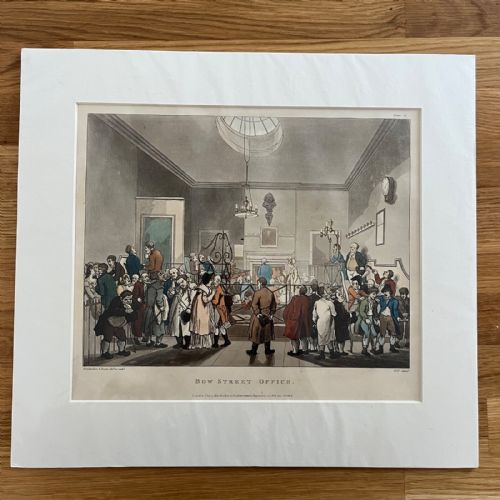
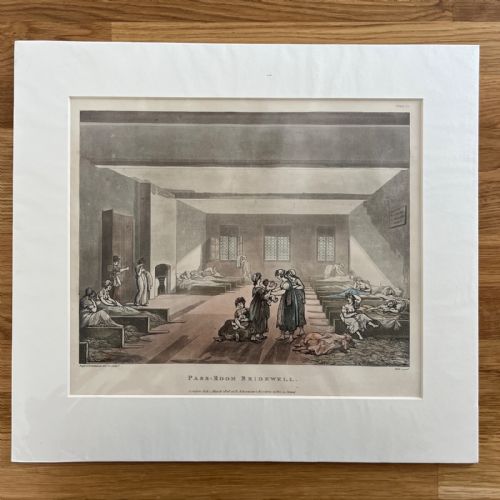
These antique illustration print works bring historical watercolours, engravings and lithographs into your rooms, offering authentic period graphics from the eighteenth to the mid-twentieth century.
Antique Illustration Print
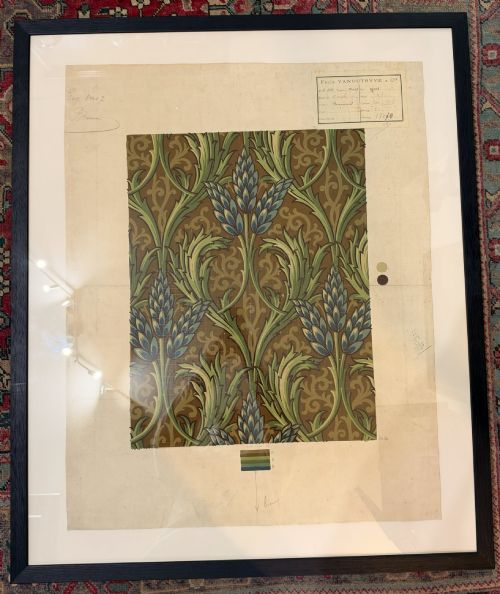
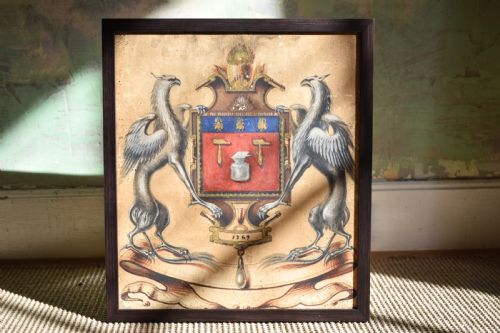
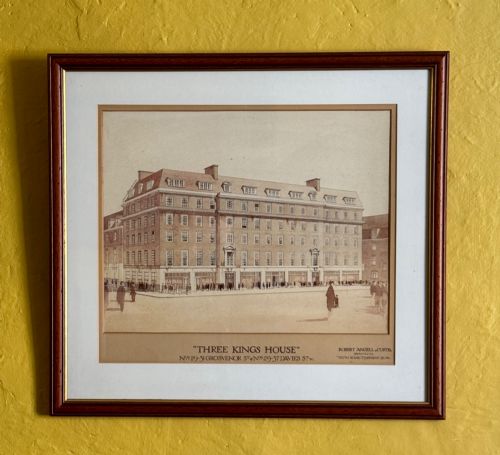
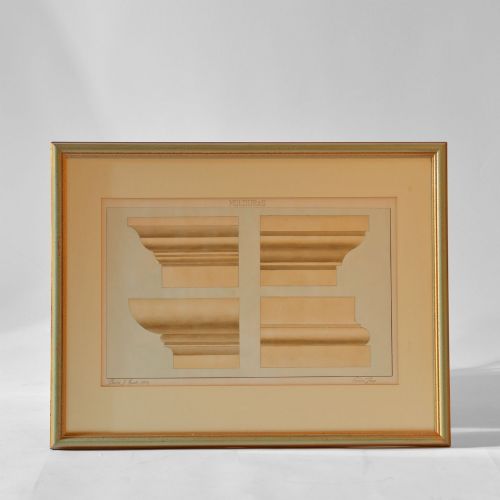
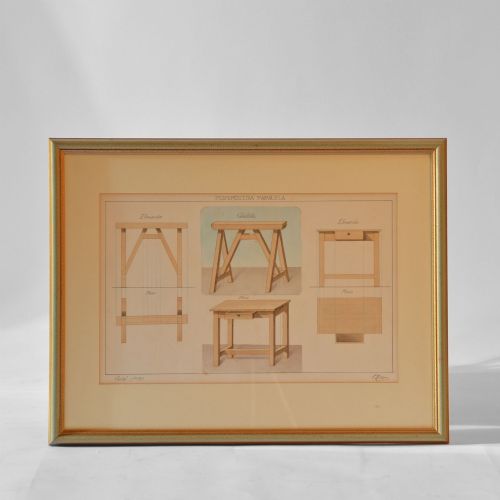
An antique illustration print covers a diverse selection of works on paper, spanning architectural drawings, natural history plates and fine art reproductions. Buyers searching this phrase encounter framed pieces and loose sheets originating from the eighteenth, nineteenth and early twentieth centuries.
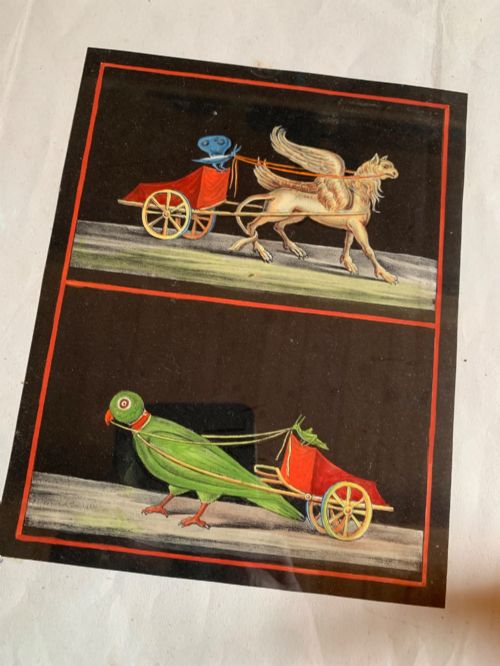
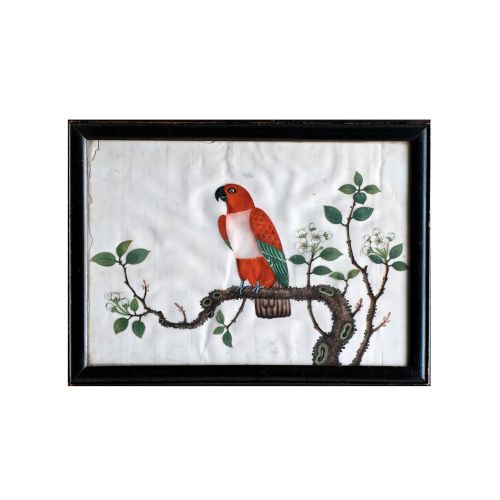
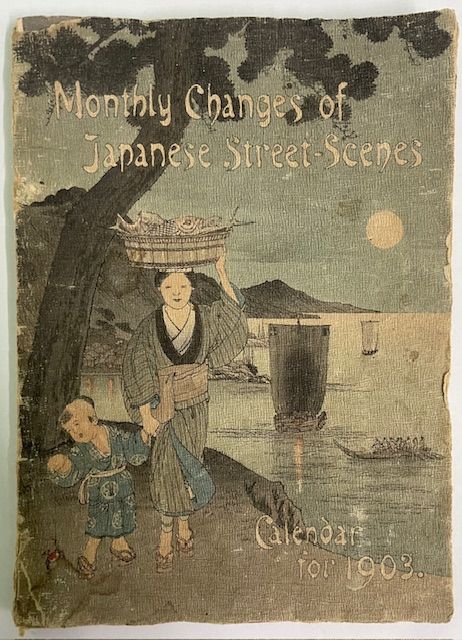
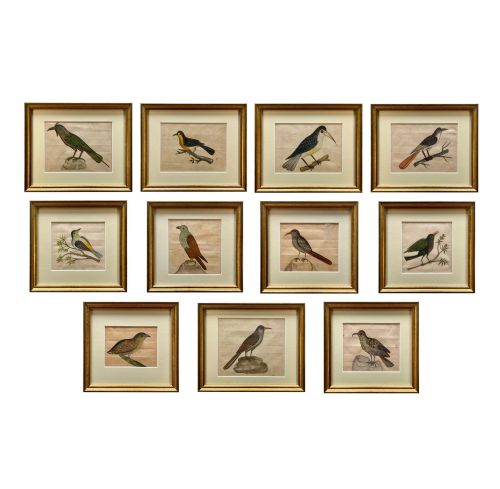
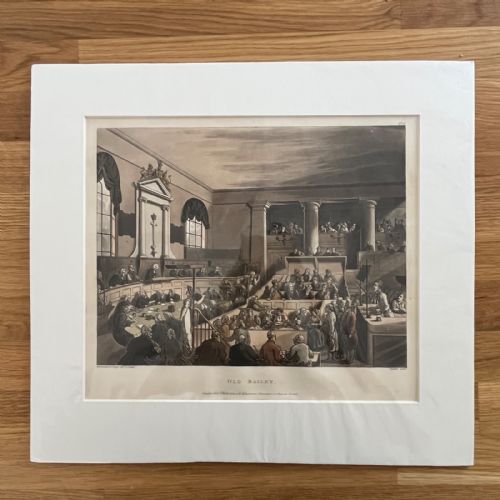
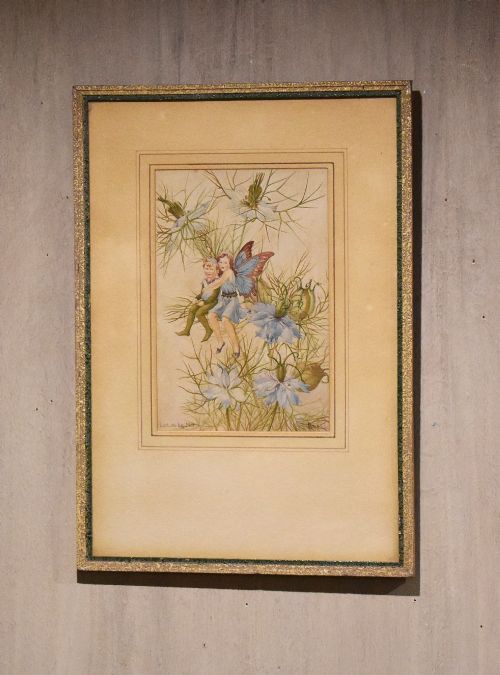
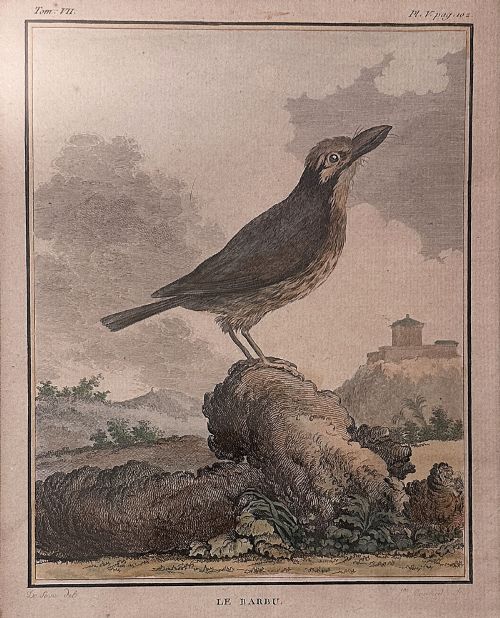
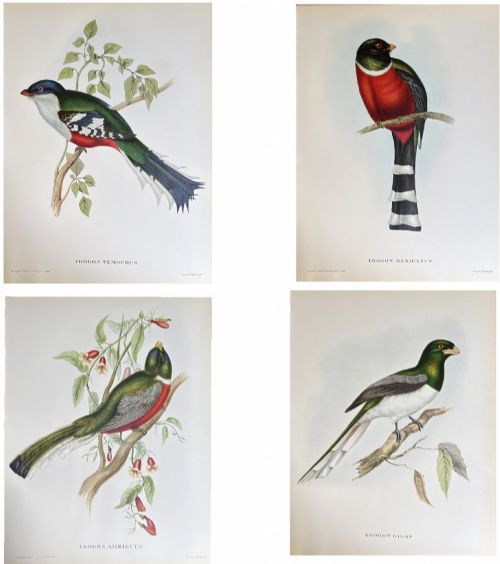
The selection ranges from hand-coloured natural history studies of birds, reptiles and flowers to theatrical posters, portraits and topographical lithographs. Works appear in various formats, including individual framed pictures, matched pairs and decorative sets.
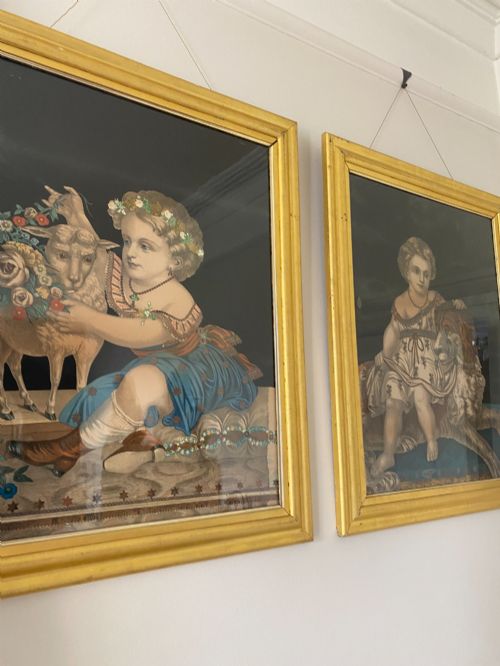
Origins stretch across British, French and Japanese traditions, taking in Victorian botanical studies, Regency fruit watercolours and Edwardian portraiture. Each piece records the graphic techniques and visual culture of its specific period.
How they were made
Makers utilised paper and cardboard as the primary ground, applying ink, watercolour, gouache and gold leaf by hand or through mechanical printing processes. Engravings and etchings rely on incised metal plates, whilst lithographs capture fine tonal gradations through stone or metal printing surfaces.
Many historical sheets received supplementary hand-colouring after printing, using watercolour washes to enhance botanical and zoological subjects. Framing materials reflect period conventions, incorporating gilt wood, rosewood, oak and original Hogarth frames.
Antique Illustration Print Retail Price Guide 2026
Typical asking prices for illustration print among the pieces listed under this phrase on Sellingantiques today, from the lower quarter to the upper quarter. They describe what is for sale here now, not the wider market.
Listings feature works spanning the eighteenth, nineteenth and twentieth centuries, utilising materials from watercolour and ink to gilt wood and gold leaf.
What varies in quality
Quality rests upon the crispness of the original plate impression, the precision of any hand-applied watercolour and the survival of the paper surface. Stronger examples retain vibrant pigment without heavy fading or excessive foxing.
The distinction between superior pieces and standard items also depends on authorship, provenance and the retention of period framing. Signed works by documented artists or scientific illustrators command greater attention than anonymous commercial prints.
Marjorie L Davies·Harry Bright·William Bird·François Nicolas Martinet·Louis Icart
The Antique Illustration Print Glossary
- Engraving
- A printmaking technique where an artist cuts lines directly into a metal plate with a burin. The inked plate transfers the design under pressure to paper.
- Lithograph
- A planographic printing process based on the antipathy of oil and water, executed on limestone or metal plates. It allows for soft tonal ranges and fluid lines.
- Etching
- A method where lines are bitten into a metal plate using acid rather than direct cutting. The resulting printed image offers fine, expressive detail.
- Gouache
- An opaque water-based paint composed of pigment, water and a binding agent such as gum. It dries to a matte, solid finish.
- Foxing
- Brown spots or patches appearing on older paper caused by chemical reactions in the pulp. It serves as a common indicator of age.
Antique Illustration Print: Frequently Asked Questions
How do I date an old print?
Dating relies on paper characteristics, printing technology, typographic styles and signatures. Plate marks and watermark evidence further help narrow the decade of production.
Contextual clues like artist biographical dates and framing materials offer additional confirmation for the period of the work.
Are these works hand coloured?
Many natural history plates and botanical studies from the eighteenth and nineteenth centuries received delicate watercolour washes by hand after the initial monochrome impression was struck.
Close examination under magnification reveals brush strokes and variations in pigment density that distinguish hand colouring from printed colour.
How should I frame and hang them?
Protect antique paper by using acid-free mount board and UV-filtering glass to prevent fading and chemical degradation over time. Keep pieces away from direct sunlight and areas of high humidity.
Secure prints within stable period frames when available, ensuring the paper rests without direct contact against the glass surface.
What subjects are most common?
Natural history subjects dominate the selection, featuring birds, animals, reptiles and botanical specimens intended for scientific study or decorative display. Architectural plates, portraits and theatrical scenes also appear frequently.
Topographical views and literary illustrations represent popular categories from the Victorian and Edwardian eras.