
Antique Illustration Art
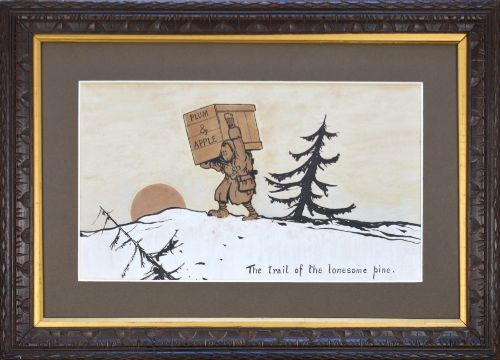
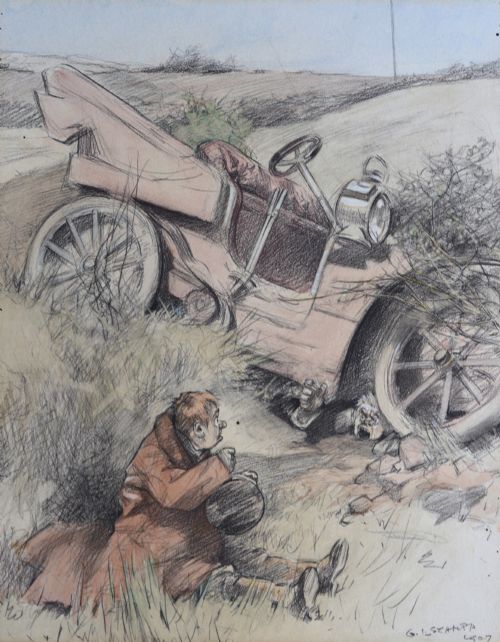
Antique illustration art brings together centuries of hand-coloured botanical prints, ink sketches, and watercolour paintings that capture past eras on paper.
Antique Illustration Art
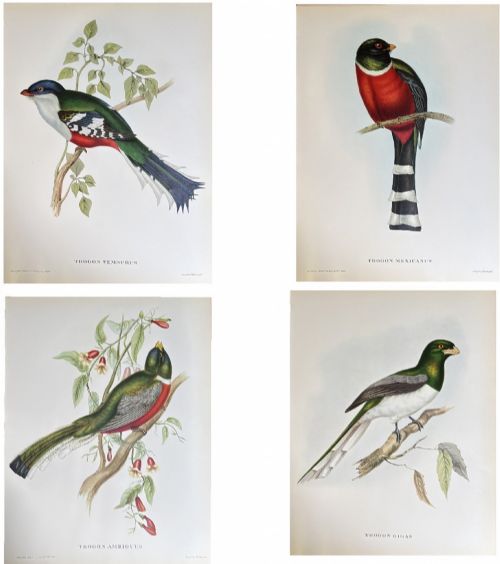
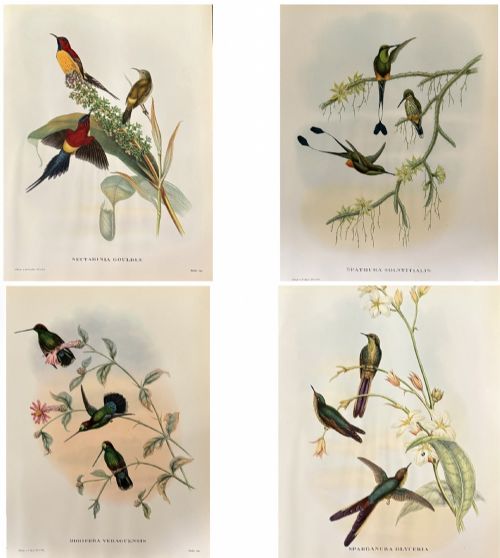
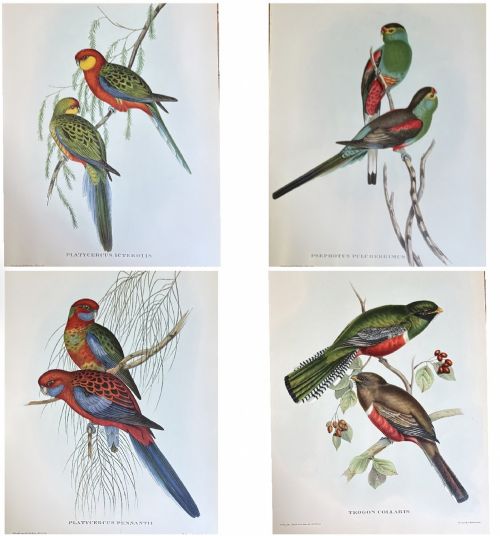
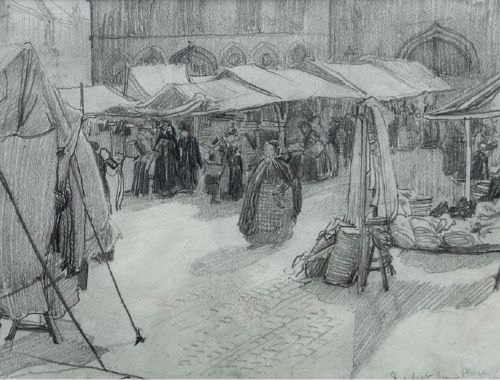
When you search for antique illustration art, you encounter works on paper spanning from the eighteenth century through the mid-twentieth century. The selection includes botanical studies, bird prints, ornithological plates, and architectural drawings created for books or independent display.
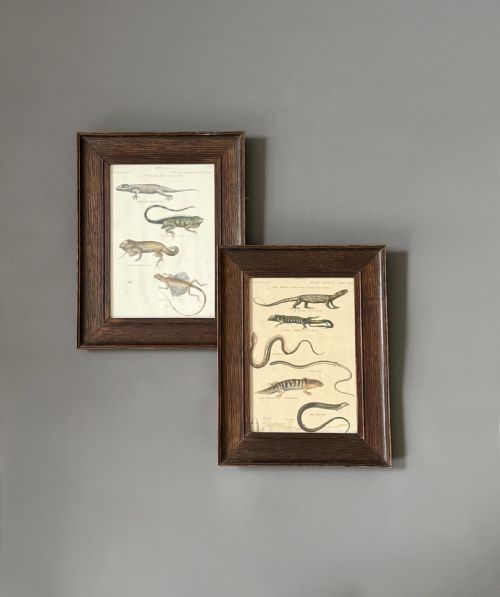
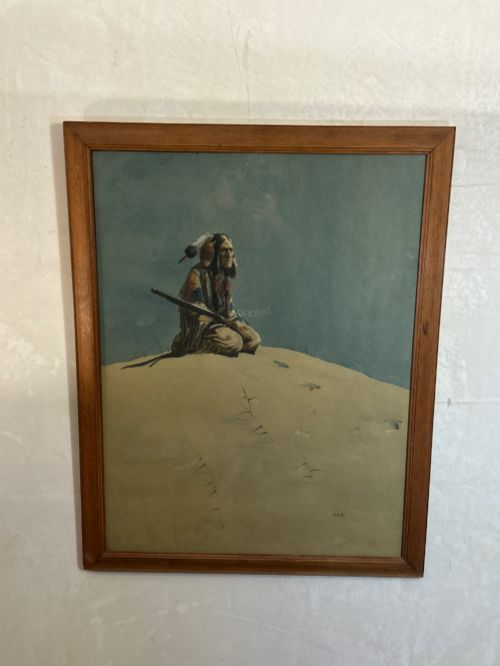
Framed artwork and prints dominate the selection, often housed in period wooden frames such as rosewood, gilt wood, or oak. Pieces range from detailed natural history studies to theatrical posters, French advertising prints, and caricatures.
Origins stretch across Britain, Europe, and Asia, encompassing nineteenth-century watercolours and eighteenth-century engravings. Buyers find both individual framed paintings and sets of matching lithographs ready for hanging.
Materials and Techniques
Makers utilised paper as the primary support, applying media such as watercolour, ink, gouache, and pencil by hand. Many early plates combined engraved copper or woodblock lines with subsequent hand-colouring in watercolour pigments.
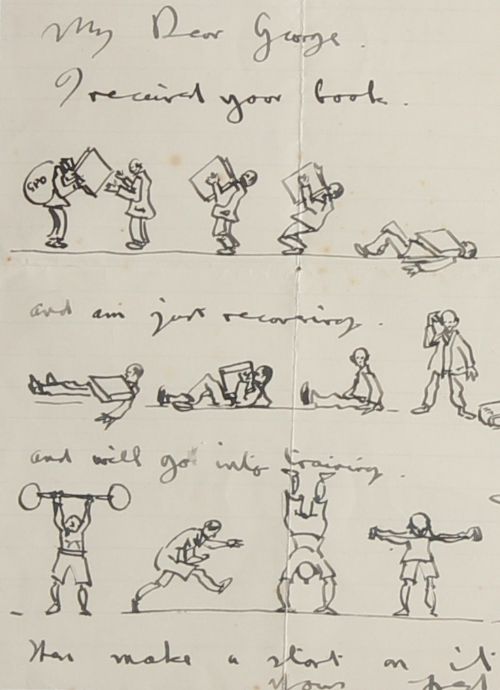
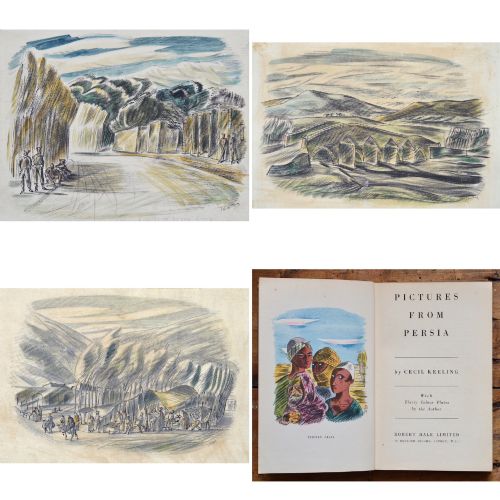
Lithography emerged strongly in the nineteenth and twentieth centuries, allowing publishers to produce multi-coloured prints of birds, architecture, and scenery. Original drawings frequently layer pencil underdrawings with washes of ink or gouache on buff or cream paper sheets.
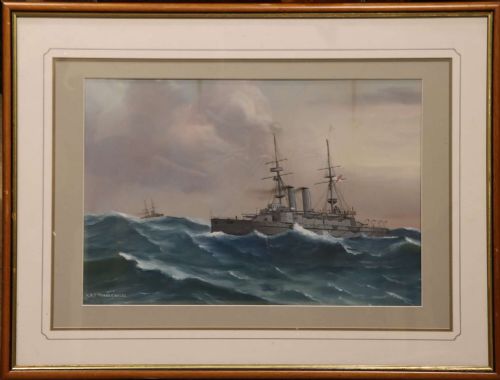
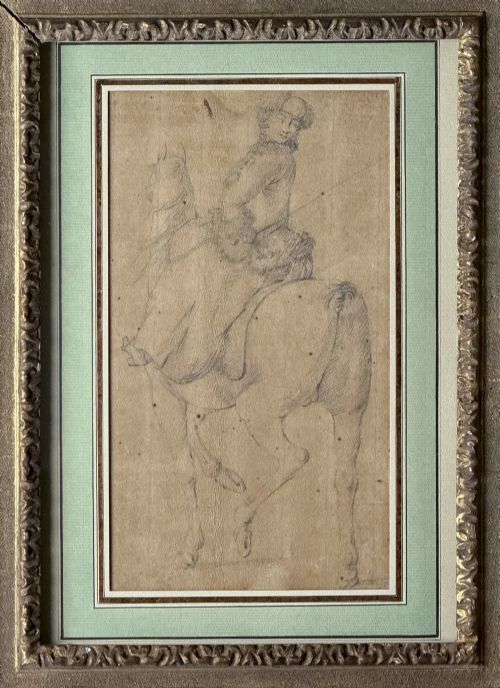
Framing materials reflect the period of the artwork, with wood frames protecting delicate watercolours behind glass. Gilt wood and simple timber mouldings secure the paper supports while maintaining historical context.
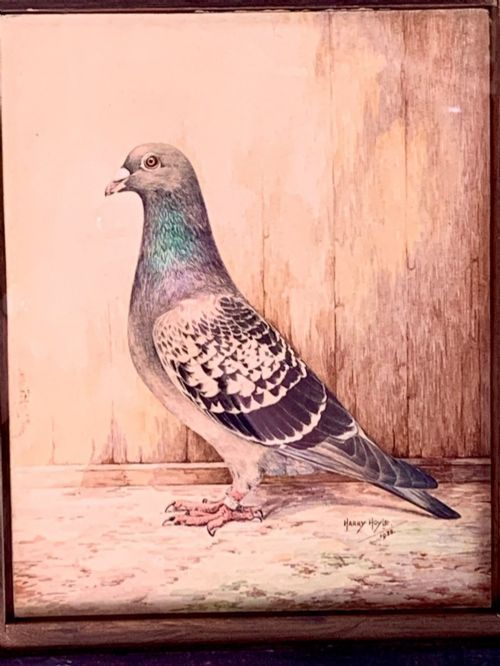
Pigeons captured the imagination of artists across multiple eras, starring as royal competition winners and subjects of detailed nineteenth-century lithographs.
Distinctions in Quality
Quality rests upon the precision of the draughtsmanship and the crispness of the original impression or brushwork. Hand-coloured engravings and watercolours by documented artists demonstrate superior line control and tonal nuance compared to standard commercial reproductions.
Condition of the paper and preservation of pigment vibrancy dictate the standing of an individual piece. Works displaying minimal fading, stable paper without heavy foxing, and original period framing sit at the upper end of the range.
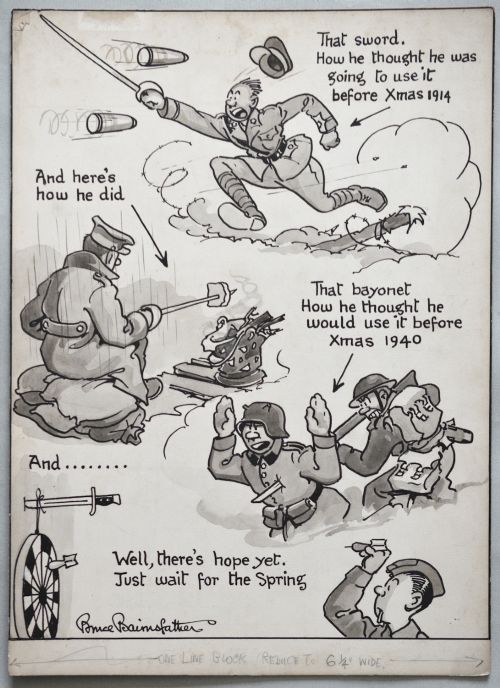
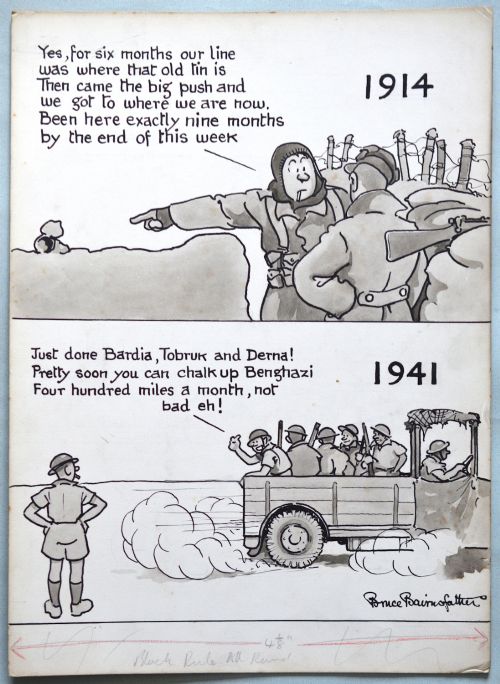
Bruce Bairnsfather·George Lorain Stampa·Henry Percy Huggill·John Hassall·Sir William Nicholson·François-Nicolas Martinet·Elisabeth Sonrel·Andrew Bell·Marcellin Auzolle·William Marshall Craig·Francois Boucher·David Roberts
The Antique Illustration Art Glossary
- Lithography
- A planographic printing process using a stone or metal plate on which the image area is receptive to ink. This technique enabled the mass production of detailed colour plates in the nineteenth century.
- Gouache
- An opaque water-based paint that includes a white pigment to create a heavier, denser finish than traditional watercolour. Artists used it to add solid highlights and rich colour blocks to drawings.
- Engraving
- A printmaking method where an artist cuts an image directly into a metal plate with a burin. The resulting lines hold the ink for transfer under pressure.
- Wash
- A thin, translucent layer of diluted watercolour or ink spread evenly across paper. It provides atmospheric background tones or shadows in drawings.
- Woodblock print
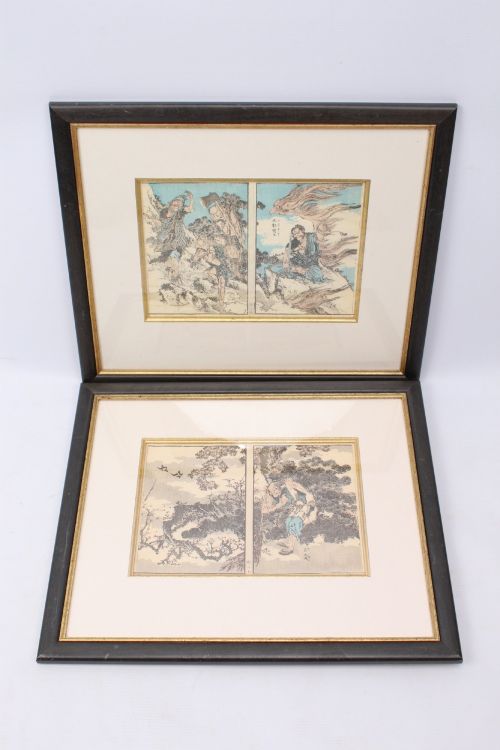
- A relief printing technique where material is carved away from a wooden block, leaving the design raised to accept ink. This method underpins traditional Japanese printmaking.
Antique Illustration Art: Frequently Asked Questions
How should I hang antique illustration art?
Keep works on paper away from direct sunlight to prevent the watercolours and inks from fading over time. Maintain stable room temperatures to protect the historical paper supports inside their wooden frames.
Use picture hooks rated for the weight of the frame and glass. Grouping pieces in sets, such as botanical plates or bird prints, creates a balanced display on a wall.
What is the difference between an engraving and a watercolour?
An engraving is a printed multiple produced from a carved plate, which was often hand-coloured afterwards. Each impression shares the same foundational lines.
A watercolour is a unique, direct painting created by the artist on paper using pigment suspended in a water-based solution. Every watercolour stands as a singular original work.
How do I identify the period of a framed print?
Look to the paper characteristics, printing technique, and framing style for clues to the era of creation. Eighteenth-century pieces often feature hand-laid paper watermarks and refined engraving lines, whereas nineteenth-century works frequently employ early lithographic methods.
Frame construction and backing materials also offer indicators of age. Older pieces often retain period wooden mouldings and historic backboards.
Can I remove art from its original period frame?
Keeping works within their historical frames preserves the context and integrity of the piece. The frame often dates to the same era as the artwork and contributes to its overall character.
If reframing becomes necessary for conservation reasons, consult a professional framer to use acid-free materials. Store the original frame safely alongside the artwork.