

Antique Hunting Hound
An antique hunting hound captures the dynamic energy of the field through bronze sculpture, Staffordshire pottery, and oil paintings.
Antique Hunting Hound
When searching for an antique hunting hound, buyers encounter a diverse range of artistic representations depicting dogs in sporting and rural contexts. The selection spans utilitarian pottery figures, bronze animalier sculptures, and framed oil paintings documenting canine forms.
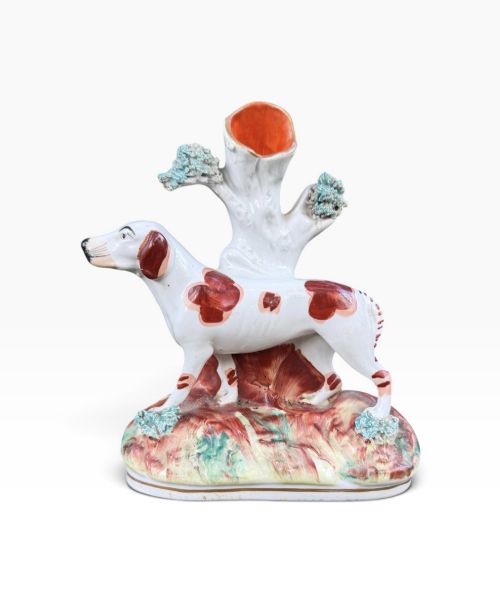
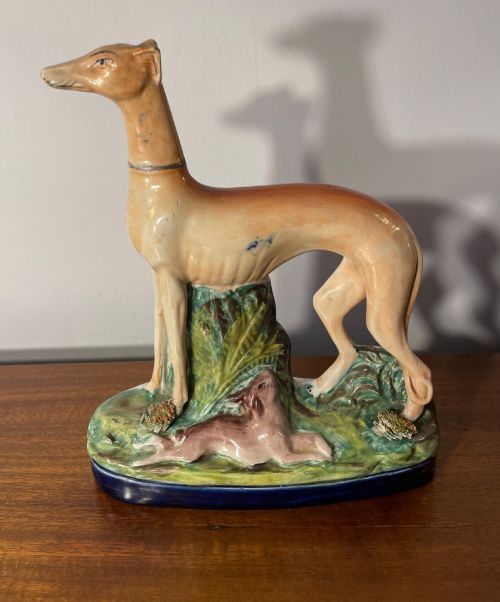
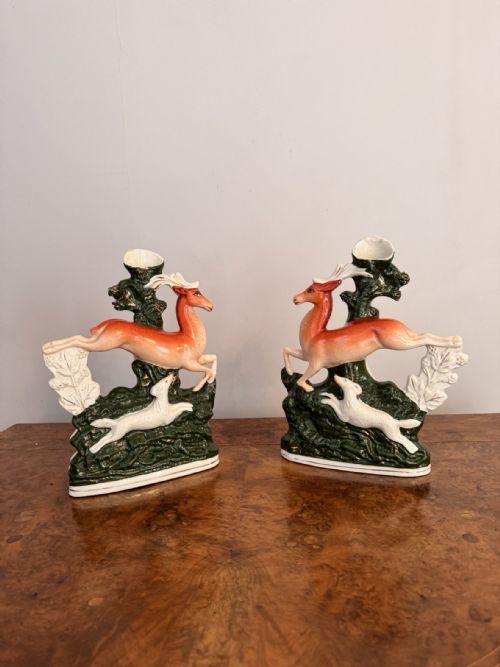
Staffordshire earthenware figures and spill vases represent the most common ceramic variations available in this category. These pieces often depict pointers, greyhounds, or hound and hare groups produced during the Victorian era.
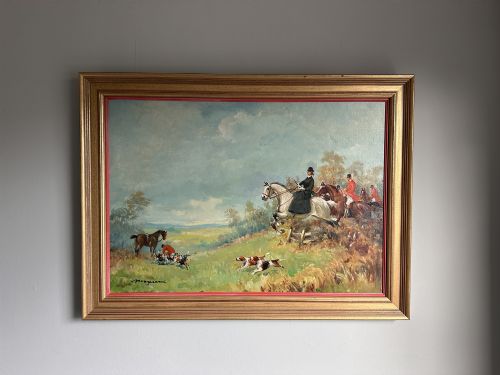
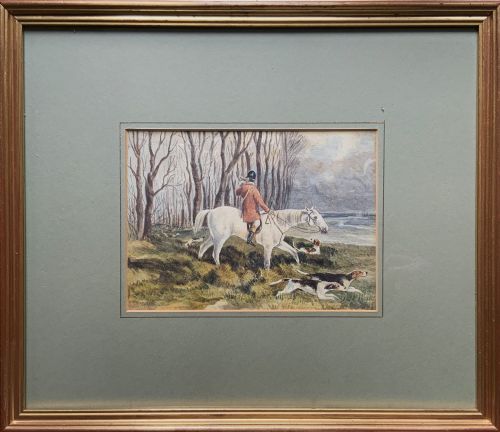
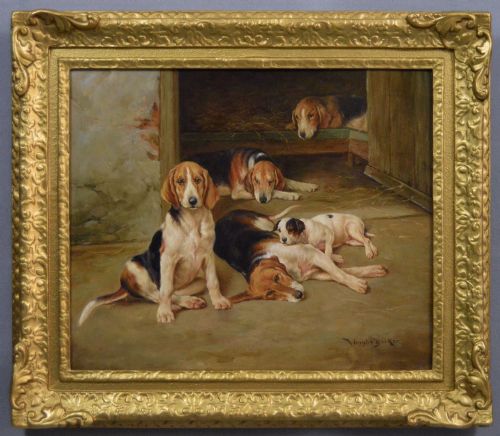
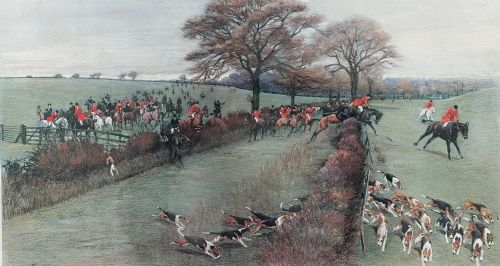
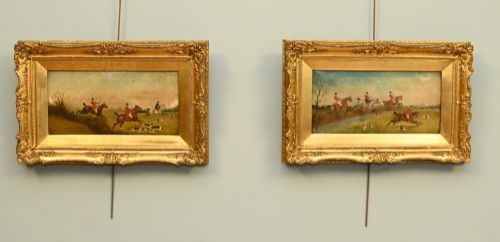
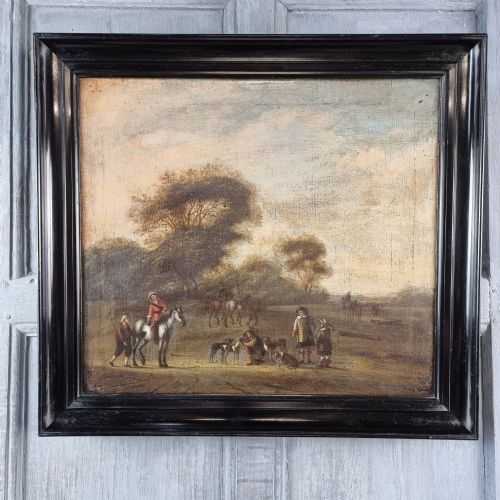
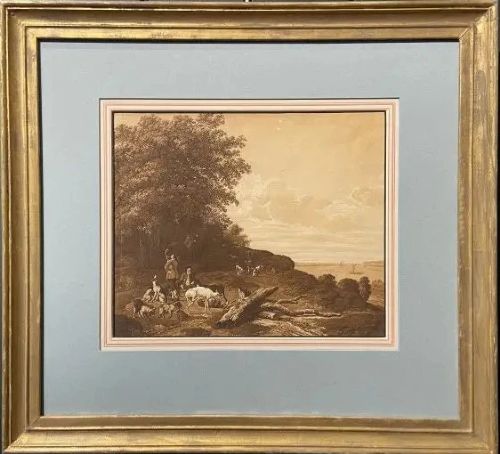
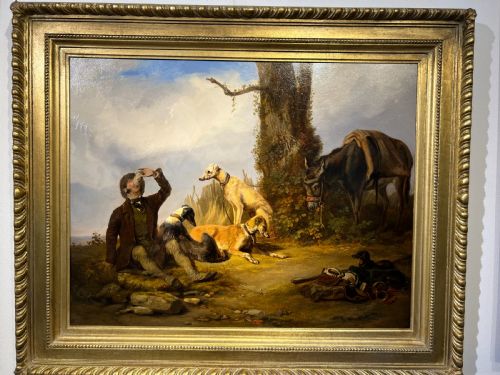
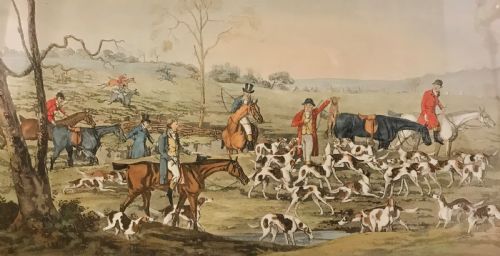
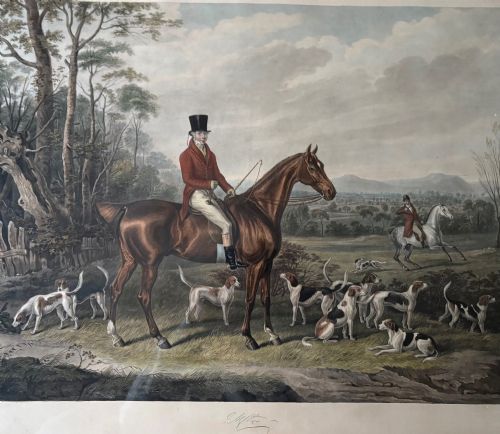
Paintings range from oil on canvas landscapes featuring hunt packs to detailed portraiture of individual dogs. Works executed in watercolour and print formats also document sporting subjects across the nineteenth and early twentieth centuries.
Materials and Technique
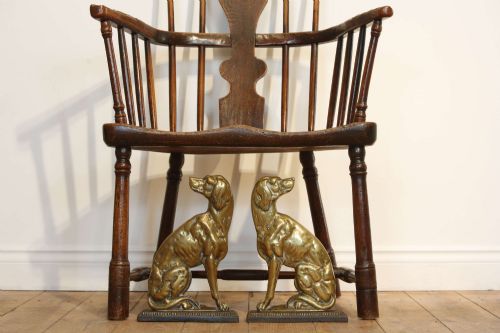
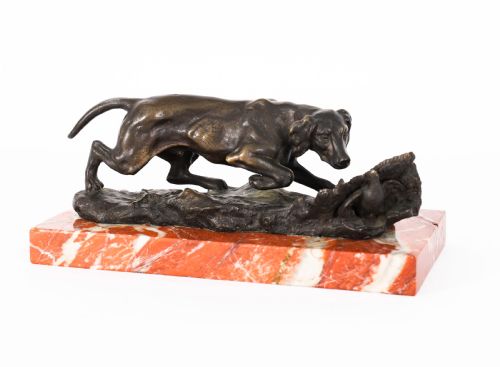
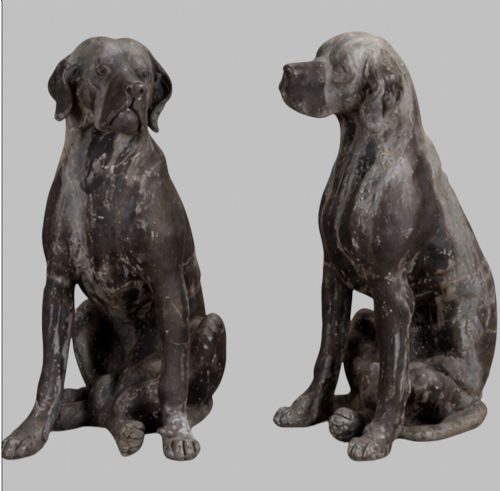
Bronze sculptures utilise lost-wax casting techniques to capture muscle and movement, frequently mounted on marble bases. Metalworks also encompass cast lead and spelter figures.
Ceramic pieces combine moulded earthenware with hand-painted underglaze colours and gilt highlights. Earthenware figures often function as spill vases or decorative ornaments.
Paintings employ oil on canvas, oil on board, and watercolour on paper, accompanied by hand-coloured engravings and lithographs.
Antique Hunting Hound Retail Price Guide 2026
Typical asking prices for hunting hound among the pieces listed under this phrase on Sellingantiques today, from the lower quarter to the upper quarter. They describe what is for sale here now, not the wider market.
Materials span wood, bronze, earthenware, marble, and oil on canvas.
Evaluating the Pieces
Anatomical precision and liveliness of expression separate superior sculptures and paintings from generic works. The rendering of muscle tension in bronze casts or the brushwork detail in oil portraits dictates the standard of execution.
Original surface preservation governs the desirability of ceramics and cast metals. Glaze consistency in earthenware and patination on bronze or lead surfaces indicate the integrity of the object.
Thomas Parr factory·Carl Kauba·Peter Spicer·Arthur Wardle·Samuel Raven
The Antique Hunting Hound Glossary
- Animalier
- A nineteenth-century artistic movement focusing on the realistic portrayal of animals. Sculptors in this tradition rendered subjects like hounds with anatomical accuracy.
- Spill vase
- A hollow ceramic vessel designed to hold taper matches for lighting fires. Staffordshire potters frequently shaped these useful objects as dogs and hunting scenes.
- Spelter
- An alloy of zinc and lead utilised as an economical alternative to bronze. Figures cast in spelter often receive a bronze-like finish.
- Aquatint
- An intaglio printmaking technique that produces tonal areas resembling watercolour washes. This method was common in sporting prints of the nineteenth century.
Antique Hunting Hound: Frequently Asked Questions
What materials are common?
The category encompasses works rendered in bronze, earthenware, oil on canvas, and watercolour.
Additional materials include cast lead, marble, and paper prints.
How were Staffordshire figures used?
Ceramic hounds and spill vases served as decorative mantel ornaments in Victorian homes.
Spill vases also performed the practical function of holding wooden matches.
Which periods do these date from?
Most items originate from the nineteenth century and the Victorian era.
Examples also extend into the early twentieth century, including Art Deco pieces.
How do bronze and spelter differ?
Bronze is a durable copper alloy capable of holding fine sculptural detail and developing a natural patina.
Spelter uses softer zinc-lead components and typically requires an applied metallic coating.