



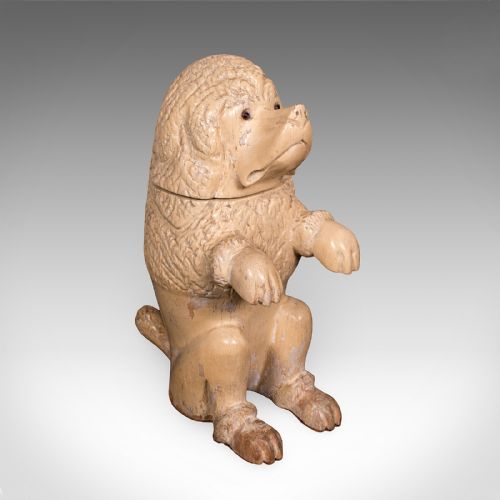


Antique Humidor Jar
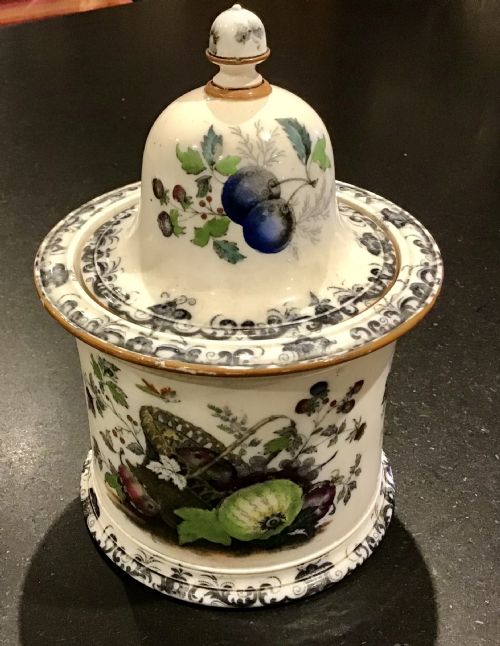
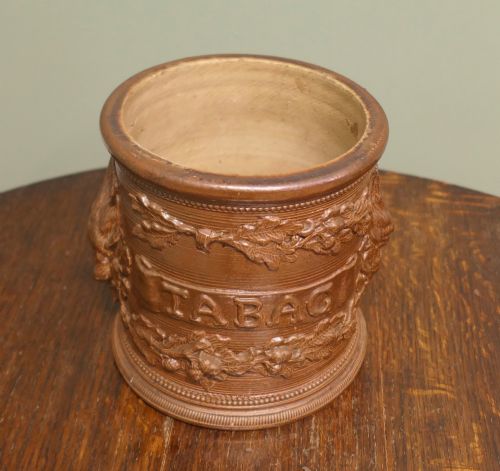
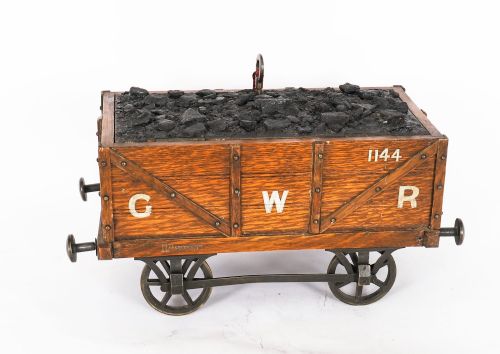
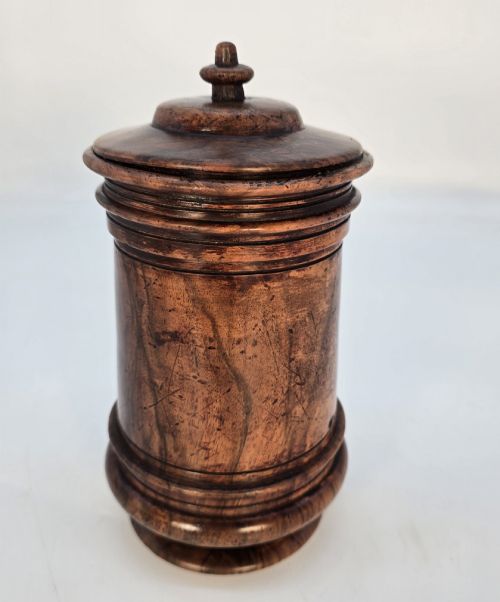
An antique humidor jar is a dedicated vessel designed to preserve leaf tobacco, appearing here in diverse timber, ceramic and glass forms.
Antique Humidor Jar
When you search for an antique humidor jar, you encounter a specialised vessel designed to keep smoking tobacco in optimal condition. These pieces span centuries of gentleman's study culture, functioning primarily as utilitarian containers for loose leaf or plugs.
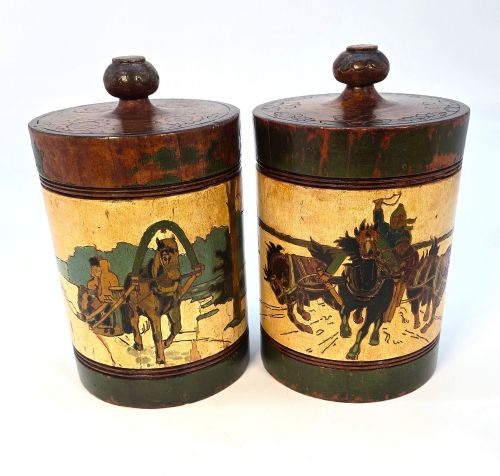
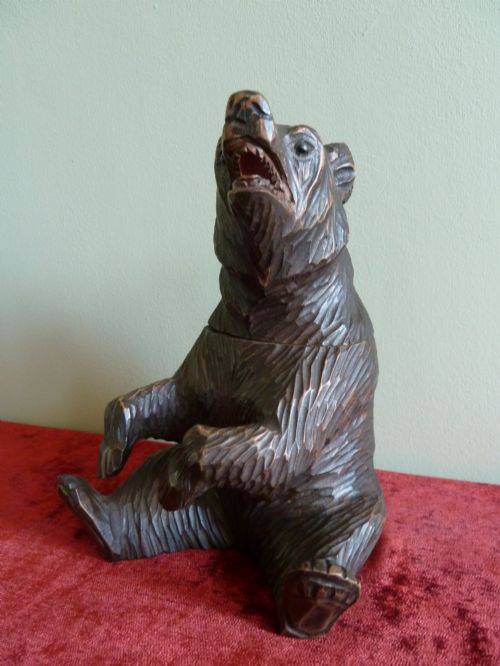
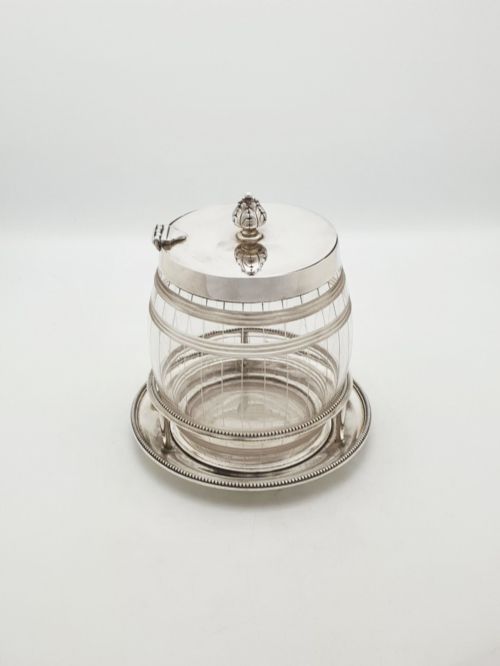
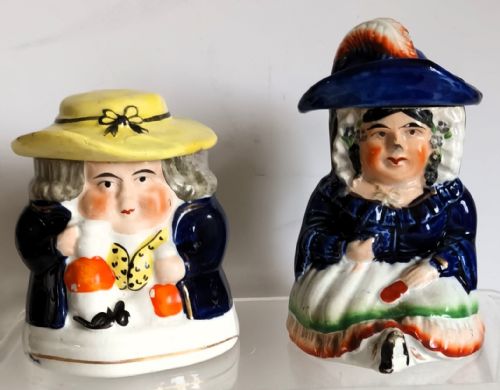
The versions you are most likely to meet on this page include carved timber animals from the Black Forest, glazed Staffordshire pottery figures, and sturdy oak or walnut boxes. They frequently overlap with tobacco jars, biscuit barrels and smoking cabinets.
Origins stretch from English workshops to German potteries, French shops and Russian folk art traditions. Each piece reflects the domestic smoking habits of the Georgian, Victorian and Edwardian eras.
How they were made
Materials divide broadly between organic timbers and fired ceramics, supplemented by protective metal mounts. Carvers shaped linden wood, fruitwood, walnut and oak into elaborate figural shapes, whilst potters utilised earthenware and porcelain for moulded jars.
Metal elements such as brass hinges, silver plate, and sterling silver secure lids and provide interior linings. Cut glass and enamel add decorative contrast, while painted details finish carved wooden surfaces.
Antique Humidor Jar Retail Price Guide 2026
Typical asking prices for humidor jar among the pieces listed under this phrase on Sellingantiques today, from the lower quarter to the upper quarter. They describe what is for sale here now, not the wider market.
Listings feature vessels from the eighteenth century to the Edwardian period, utilising glass, oak, brass, earthenware, enamel, silver plate, linden wood, and ceramic.
What varies in quality
Quality rests upon the crispness of the carver's chisel or the precision of the potter's mould. Finely detailed linden wood bears sharp expression in figural subjects, whereas lesser examples show softer, generalized tool marks.
The integrity of the construction dictates the tier of the piece, visible in tight wood joints, smoothly operating locking mechanisms, and well-fitted ceramic covers. The choice of material elevates the standing of the jar, with burr walnut and heavy sterling silver representing superior manufacture.
Elkington·Royal Doulton
The Antique Humidor Jar Glossary
- Treen
- Small handmade wooden objects produced from domestic timbers. These pieces often display turned or carved construction.
- Humidor
- A moisture-controlled container designed for storing cigars or pipe tobacco. They rely on tight seals to maintain humidity.
- Biscuit Barrel
- A ceramic or glass storage jar with a fitted lid used for dry foodstuffs. They share identical forms with many nineteenth-century tobacco vessels.
- Staffordshire Pottery
- Earthenware figures and containers produced in the English potteries. They frequently take whimsical or figural shapes.
- Silver Plate
- A base metal coated with a thin layer of silver. This technique provided the appearance of solid silver on nineteenth-century mounts and lids.
Antique Humidor Jar: Frequently Asked Questions
What is an antique humidor jar?
An antique humidor jar is a lidded container historically used to store and condition smoking tobacco.
These vessels utilise materials like timber, ceramic, and glass to maintain leaf moisture.
How were tobacco jars used?
Gentlemen placed these jars on desks, sideboards, or smoking tables for daily access to loose leaf tobacco.
They kept the contents fresh and functioned as decorative desk ornaments within a study.
How do I date an oak humidor?
Dating relies on examining construction methods, hardware styles, and timber preparation.
Victorian and Edwardian examples often feature silver-plated mounts or fitted interiors suited to specific smoking accessories.
What is Black Forest carving?
Black Forest carving refers to nineteenth-century wooden sculptures originating from the Swiss and German border regions.
These pieces typically depict animals, such as bears or dogs, rendered with deep relief and expressive detail.