



Antique House Painting
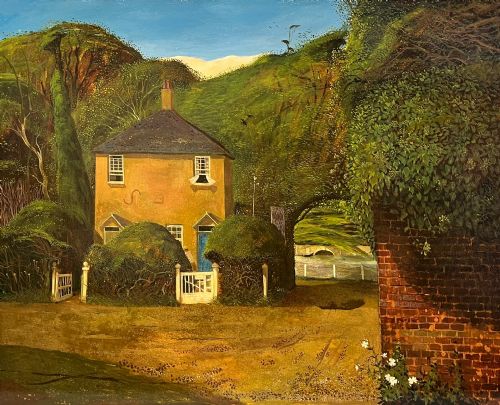
An antique house painting brings the physical presence of past estates, domestic interiors, and rural properties directly onto canvas or board.
Antique House Painting
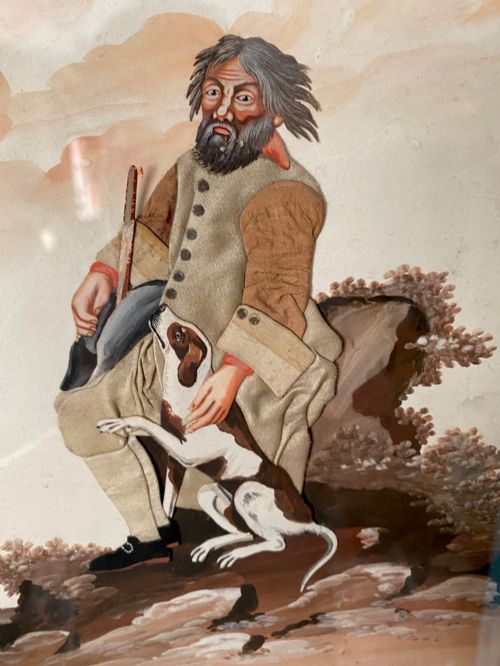
When you search for an antique house painting, you encounter canvases, board panels, and watercolours that capture buildings, country houses, and pastoral scenes from the eighteenth, nineteenth, and early twentieth centuries. These artworks range from formal portraits of country seats to naive depictions of provincial dwellings and domestic interiors.
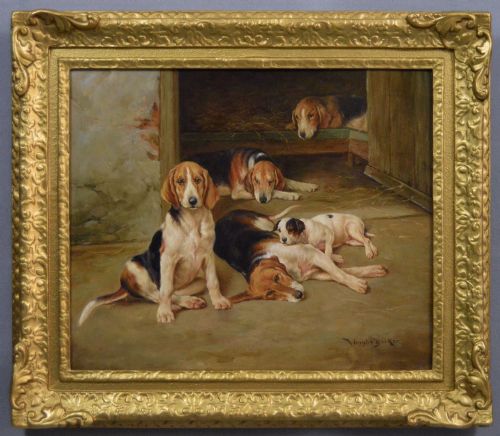
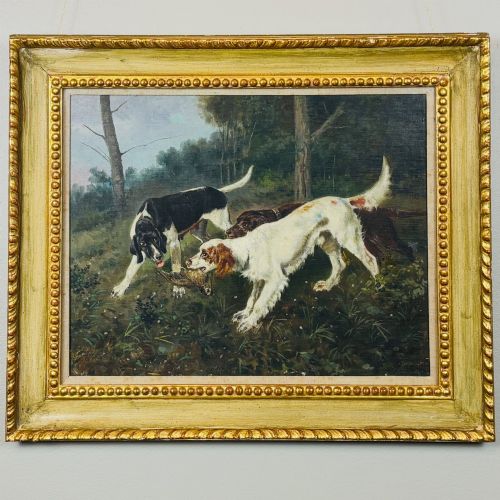
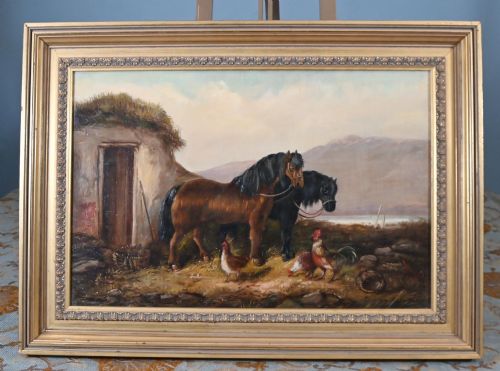
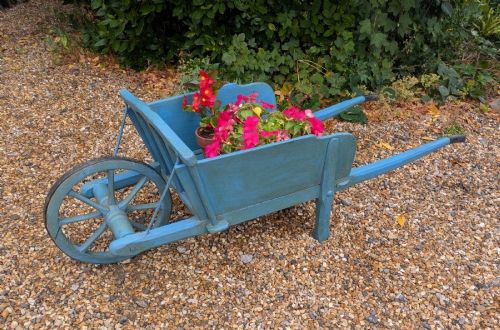
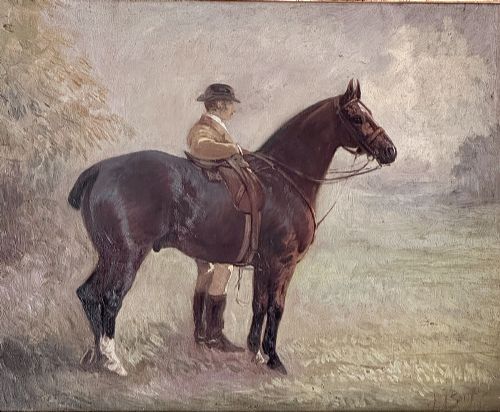
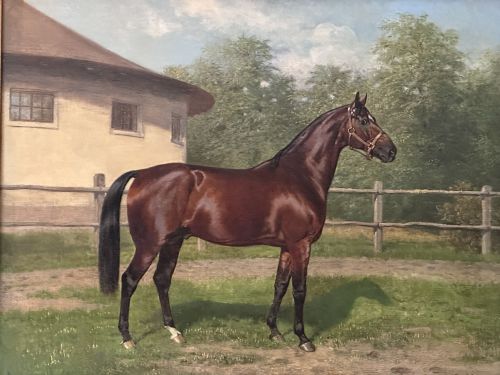
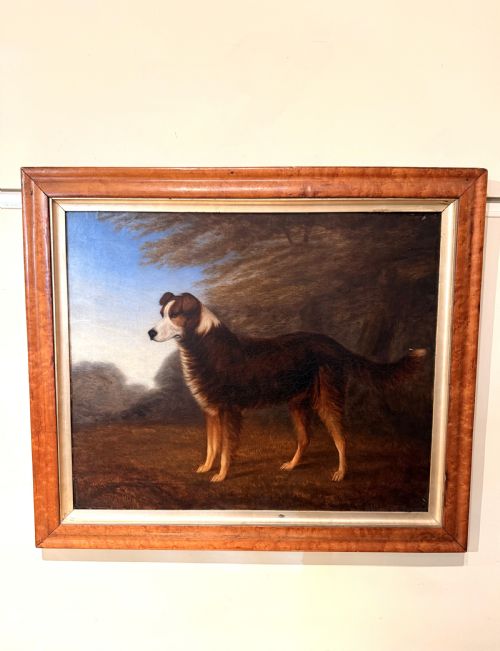
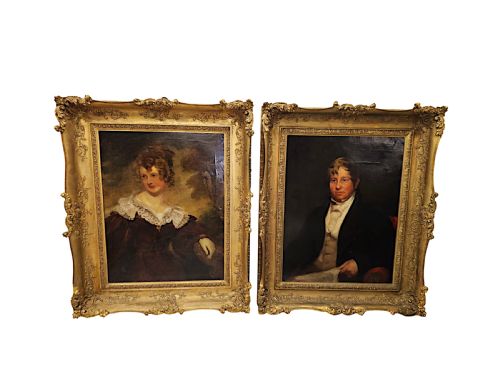
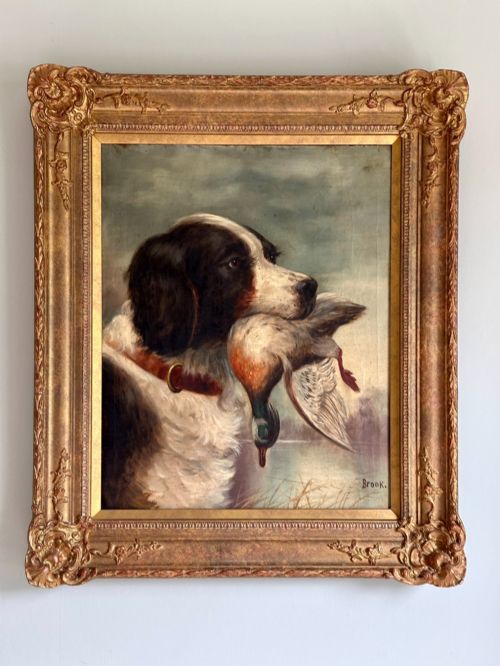
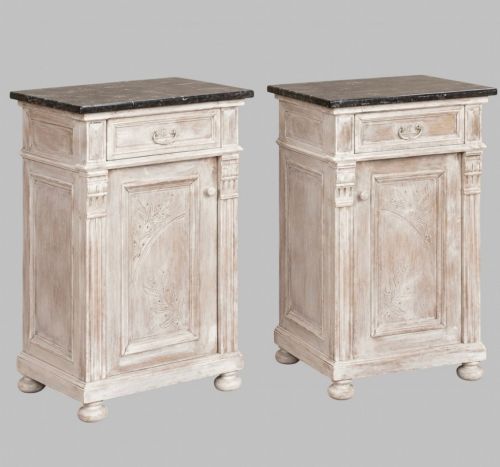
The pieces on this page also encompass related items sharing the domestic and painterly context, such as painted furniture, oil portraits, sporting works, and decorative screens. The most frequent pictorial subjects involve horses, gundogs, livestock, landscapes, and architectural views rendered in oil paint or watercolour.
Originating across Victorian, Edwardian, and Georgian periods, these works reflect the taste of their eras through academic execution or provincial folk art charm. Each piece records a physical environment through the specific medium of its maker's brush.
Materials and construction
Painters of these works utilised oil paint or watercolour applied to stretched canvas, wooden panels, or paper substrates. Pigments were mixed with binders and applied using bristle brushes to build depth, form, and light across the composition.
Framing and mounting materials include wood, gilt frames, and glass, whilst associated painted wooden items utilise pine, oak, and applied surface paint or polychrome decoration. These physical components provide the structural support and visual border for each painted surface.
Antique House Painting Retail Price Guide 2026
Typical asking prices for house painting among the pieces listed under this phrase on Sellingantiques today, from the lower quarter to the upper quarter. They describe what is for sale here now, not the wider market.
Listings feature works from the 18th Century, Victorian, and Edwardian periods using oil paint, canvas, pine, and glass.
Distinctions in quality
Quality in these works rests upon the precision of draftsmanship, the handling of light and perspective, and the preservation of the original painted surface. Finer examples display anatomical accuracy in figures and animals alongside confident brushwork.
The integrity of the original paint layer dictates the standing of a piece, distinguishing surfaces retaining their untouched historic finish from those heavily restored or altered over time.
Charles Bilger Spalding·Henry Barraud·Willem J Palman·Robert Byng·H Medlycott·Stephen Samuel Lewin·Carron Foundry·Thomas Sidney Cooper·Gillows Of Lancaster·Joseph H Barnes·John Sargent Noble
The Antique House Painting Glossary
- Oil on canvas
- Pigment mixed with drying oil applied to a woven fabric support stretched across a wooden frame. This combination allows for rich blending and durable colour retention.
- Watercolour
- Pigment suspended in a water-soluble vehicle applied to paper. It yields translucent washes and delicate tonal gradations.
- Provenance
- The documented history of ownership of an object. It traces the lineage of a piece from its creation to the present collection.
- Folk art
- Artistic work produced by untrained or provincial makers working within popular traditions. These pieces prioritise direct expression over academic convention.
- Trumeau
- A decorative wall mirror or panel featuring a painted scene above the glass. It originates from eighteenth and nineteenth-century interior decoration.
Antique House Painting: Frequently Asked Questions
What periods do these paintings date from?
The works span from the eighteenth century through the Victorian and Edwardian eras into the early twentieth century. They encompass Georgian academic painting alongside later provincial and naive pieces.
Each item carries stylistic markers characteristic of its decade of production, visible in the handling of pigment and subject matter.
How should I care for an oil painting?
Keep painted canvases away from direct sunlight and steady temperature fluctuations to prevent the cracking of the oil medium. Dust the surface gently with a soft, dry brush without applying moisture or cleaning agents.
Maintain stable humidity levels in the room where the artwork hangs to protect both the canvas and the wooden stretcher.
What subjects appear in these works?
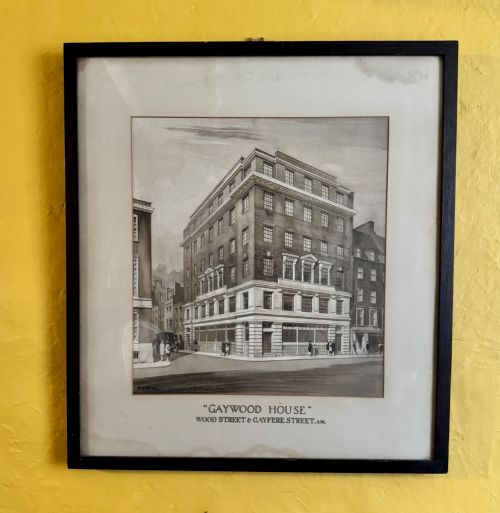
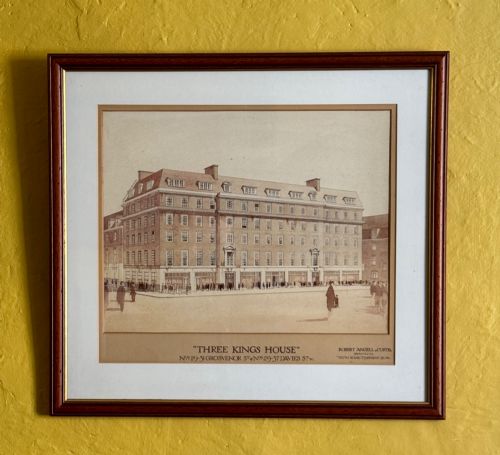
Common subjects include pastoral landscapes, country houses, sporting scenes with gundogs and horses, and domestic interiors. Architectural views of public buildings also feature alongside animal portraits.
These motifs reflect the domestic and rural preoccupations of the households that commissioned or collected them.
Are these works painted on canvas or wood?
Support materials include woven canvas stretched over wooden frames, rigid wooden boards, and paper for watercolours. Some pieces utilise painted wooden panels or furniture surfaces.
Each medium dictates the preparatory ground used by the artist before applying the final layer of paint.