
Antique Horse on Stand
An antique horse on stand brings tactile character into a room, joining carved wooden rocking figures and bronze sculptures.
Antique Horse on Stand
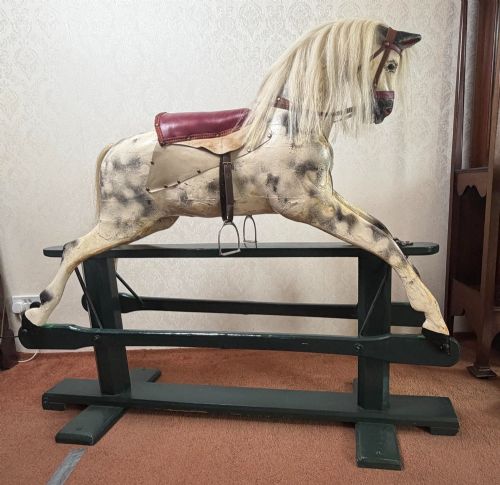
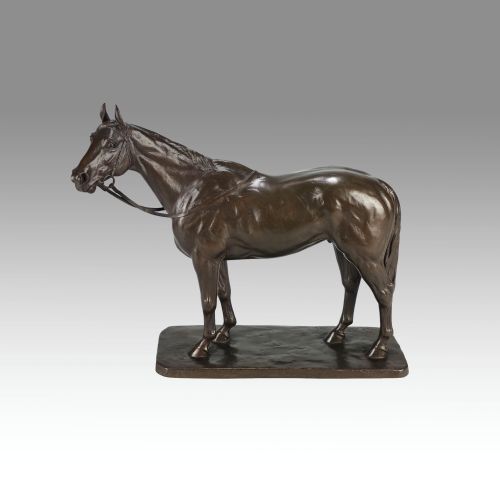
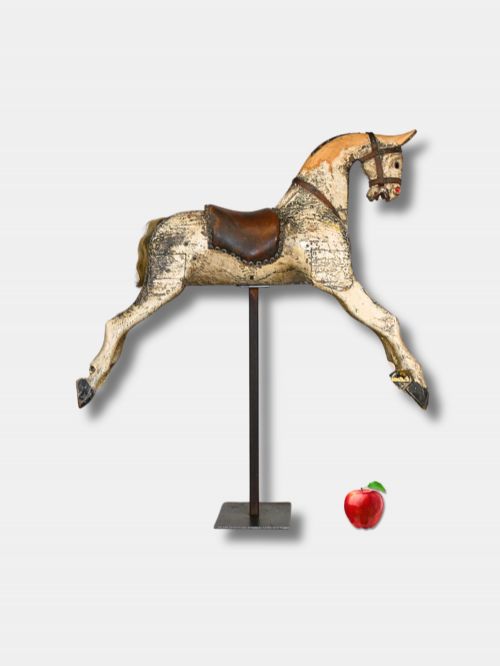
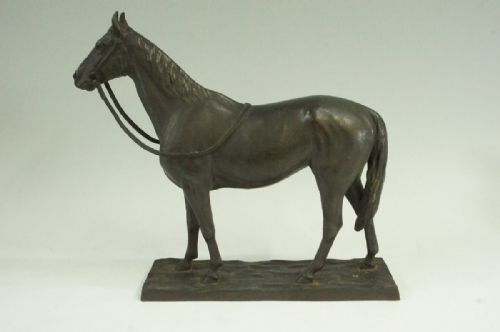
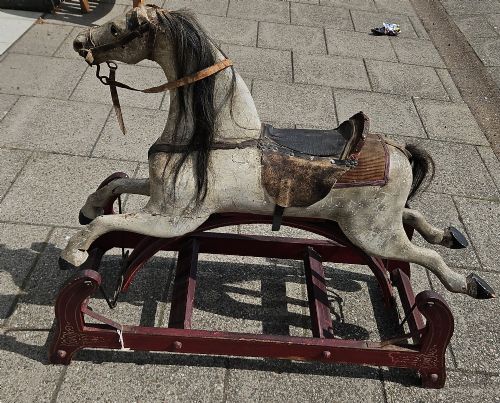
When you search for an antique horse on stand, you encounter a surprisingly varied group of objects ranging from substantial carved wooden rocking horses on safety stands to bronze animal sculptures. The pieces gathered under this term span the nineteenth and early twentieth centuries, capturing both decorative room focal points and children's playthings.
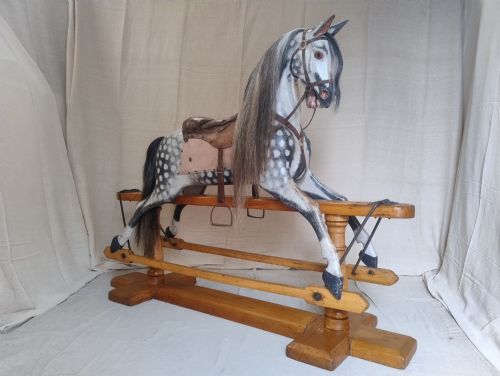
You are most likely to meet traditional wooden rocking horses mounted on their original bow rockers or swing stands, alongside bronze animal sculptures and specialised display items. The materials reflect robust craftsmanship, utilising timber, metal, and occasionally horsehair to achieve lasting presence.
Materials and construction methods
Makers shaped these pieces primarily from solid woods such as mahogany, oak, walnut, and pine, carving bodies and mounting them securely onto sturdy wooden stands or metal bases. Bronze sculptures demonstrate precision casting techniques employed by artists working during the Meiji and Taisho periods.
Traditional rocking horses required layered construction, often combining carved timber bodies with leather tack, real horsehair manes, and hand-applied painted finishes. Iron brackets and brass fittings frequently reinforced the structural joints on larger items to withstand active use.
Listings feature items dated across the nineteenth and twentieth centuries, utilising mahogany, bronze, pine, and oak.
Assessing craftsmanship and condition
The distinction between ordinary items and superior examples rests upon the depth of the carving and the preservation of original surfaces. Master makers invested greater detail into facial expressions, hoof definition, and the proportions of the stand.
Original paintwork, tack, and unaltered structural components elevate a piece significantly above examples that have undergone heavy restoration or later repainting. The integrity of the wooden joints and the balance of the stand determine how well the object maintains its original character.
F.H. Ayres·Lines Bros Sportiboy·Collinson·Kunio Itô
The Antique Horse on Stand Glossary
- Bow rocker
- A curved wooden base upon which a rocking horse moves. These sweeping supports represent an earlier form of stand before safety stands gained popularity.
- Safety stand
- A rigid wooden frame holding a rocking horse aloft on swinging iron arms. This design prevented the horse from tipping over during vigorous use.
- Meiji period
- An era of Japanese history lasting from 1867 to 1912 known for exceptional metalwork and bronze animal sculptures. Pieces from this time display refined casting and patination.
- Original paint
- The initial surface decoration applied to a carved figure. Surviving untouched pigment adds considerable historical interest to antique toys.
Antique Horse on Stand: Frequently Asked Questions
How do I identify an Ayres rocking horse?
Makers such as F.H. Ayres left distinct structural signatures, including specific body proportions, carved facial details, and specific mounting brackets on their stands.
Examining the underlying woodwork and comparing the stance against known catalogued examples helps confirm the workshop origin.
Are bronze horse sculptures solid cast?
Bronze pieces from the early twentieth century were often cast using the lost-wax method, which could produce either solid or hollow figures depending on the scale.
Heft and weight distribution provide initial clues, though examining the underside or base reveals casting seams and construction methods.
How should I clean a painted wooden horse?
Preserving original paint requires avoiding harsh chemical solvents and abrasive cloths that might lift fragile historic layers.
Dusting gently with a soft dry brush is generally sufficient to maintain the surface without disturbing the patina.
What is the difference between a bow rocker and a swing stand?
Bow rockers rest directly on the floor and allow the entire wooden arc to rock back and forth across the room.
Swing stands anchor the animal within a stationary rectangular frame using suspended iron brackets, keeping the base entirely fixed.