

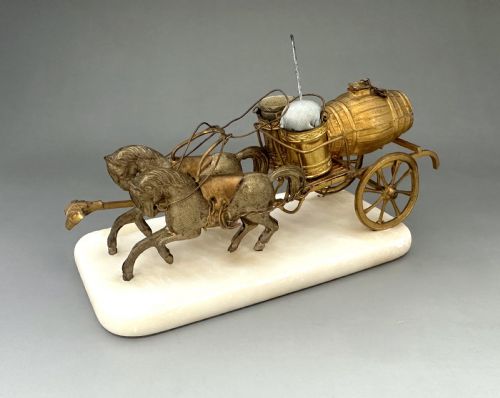


Antique Horse Box
An antique horse box spans everything from equestrian taxidermy desk tidies to silver vesta cases, offering tactile history for the collector of animalia.
Antique Horse Box
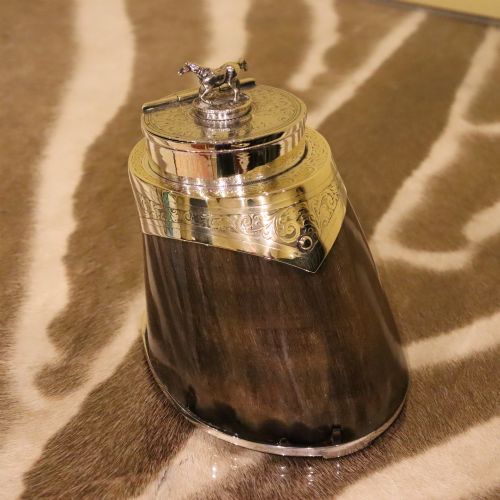
When you search for an antique horse box, you encounter a diverse gathering of containers and utility objects linked to horses, equestrian sports, and travel. These pieces range from taxidermy desk tidies fashioned from hooves to silver vesta cases and leather coaching trunks.
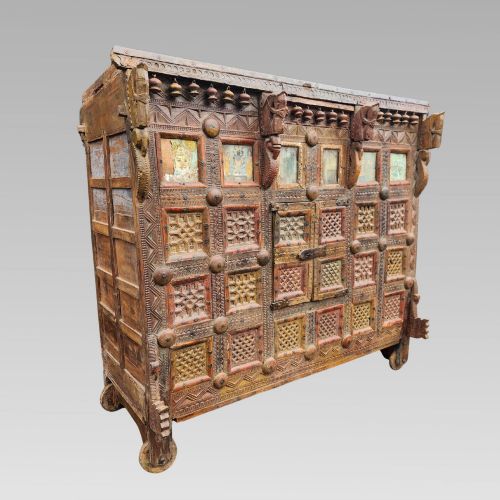
The selection here encompasses items from the nineteenth century through the Edwardian period, alongside specific pieces like French Palais Royal sewing companions and carved teak dowry chests. Each item serves a distinct storage or functional purpose rooted in the domestic and travel habits of past eras.
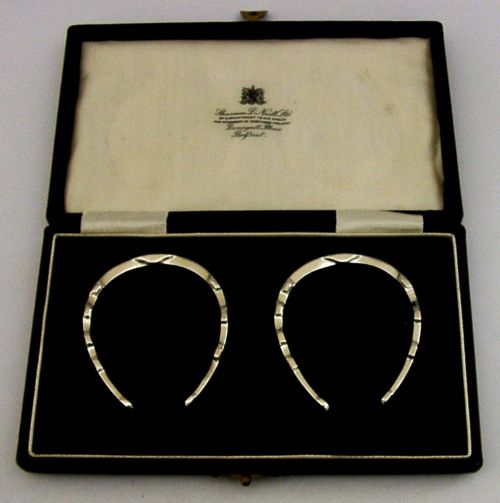
You are most likely to meet smaller desk accessories, snuff boxes, and silver napkin rings rather than large stable equipment. These smaller portable containers and desk items dominate the physical forms seen across the periods.
Materials and construction
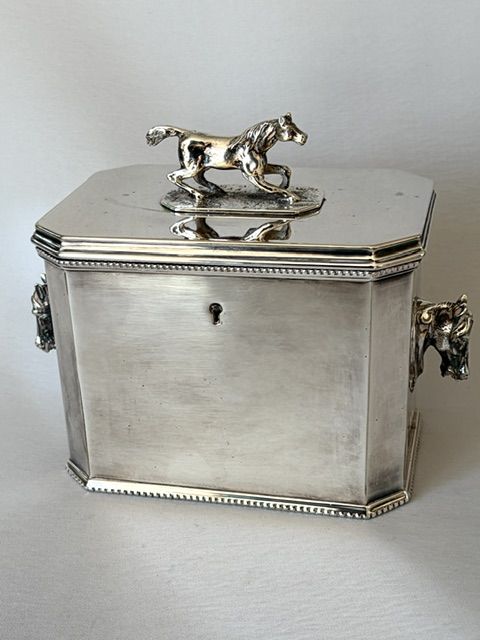
Makers utilised solid sterling silver, brass, and iron alongside organic components such as horse hoof and leather to construct these pieces. Metals are cast, engraved, or combined with enamel work, as seen in jockey vesta cases.
Woodworking traditions appear in teak storage cabinets and inlaid table boxes, often incorporating velvet and satin linings inside. Taxidermy items integrate mounted hooves with metal mountings to create functional desk tidies.
Antique Horse Box Retail Price Guide 2026
Typical asking prices for horse box among the pieces listed under this phrase on Sellingantiques today, from the lower quarter to the upper quarter. They describe what is for sale here now, not the wider market.
A genuine horse hoof turned into a desk tidy ensures your stationery is guarded by an actual former quadped.
Judging quality and execution
Quality rests on the crispness of metal chasing, the precision of enamel work on items like jockey vesta cases, and the structural integrity of taxidermy mounting. Finer examples display meticulous detail in silver hallmarks and fitted interior linings.
Material selection divides standard utility objects from high-end presentation pieces, such as cased sterling silver sets or Palais Royal sewing items. The complexity of regional carving on teak storage chests also separates basic carpentry from master craftsmanship.
The Antique Horse Box Glossary
- Vesta case
- A small pocket container designed to hold matches, usually fitted with a striking strip on the base. These often feature hinged lids and detailed engravings or enamel portraits.
- Taxidermy
- The art of preserving and mounting animal skins or parts for display or utility. In this context, it appears in desk tidies fashioned directly from horse hooves.
- Palais Royal
- A style associated with luxury retail arcades in nineteenth-century Paris. Items from this origin often involve intricate sewing companions and novelty decorative boxes.
- Coaching trunk
- A sturdy leather and brass-bound chest built for travel by horse-drawn coach. They feature reinforced corners and handles to withstand rough journeys.
- Potpourri box
- A small lidded container perforated to release the scent of dried flower petals and spices. These frequently appear in silver from the Edwardian era.
Antique Horse Box: Frequently Asked Questions
What is an antique horse box used for?
These items were originally designed for specific everyday tasks such as holding matches, storing sewing tools, organising desk stationery, or keeping snuff. Many functioned as personal pocket items or desktop accessories for the Victorian and Edwardian owner.
Today, buyers use them to display collections of equestrian memorabilia or to store small trinkets while adding period character to a room.
How do I care for silver and leather items?
Silver pieces require gentle cleaning with a specialist cloth to maintain their finish without removing historic patination. Leather coaching trunks benefit from occasional conditioning to keep the hide supple and prevent cracking.
Keep taxidermy and velvet-lined pieces away from direct sunlight and damp environments to protect organic materials and delicate fabrics from deterioration.
How can I tell the period of a piece?
Dating relies on examining hallmarks on silver items, maker marks, and the specific construction techniques used in the woodwork or leatherwork. Stylistic indicators like Art Deco geometric lines or Victorian ornamentation provide further chronological clues.
Comparing the materials, such as the use of specific brass mountings or velvet linings, helps narrow down the decade of manufacture.
Are these items purely decorative?
While many pieces now serve a decorative role on desks, shelves, or side tables, they retain their original physical utility. Lidded boxes, vesta cases, and napkin rings remain fully functional storage containers.
Living with these objects involves combining their historical display value with practical everyday use for small items.