





Antique Hook Rug
These antique hook rug textiles bring robust texture and geometric tribal artistry into domestic interiors.
Antique Hook Rug
When you search for an antique hook rug, you encounter floor coverings and textiles defined by geometric medallions, latch hook designs, and tribal motifs. These pieces originate from the nineteenth and early twentieth centuries, spanning periods from the 1870s through the 1920s.
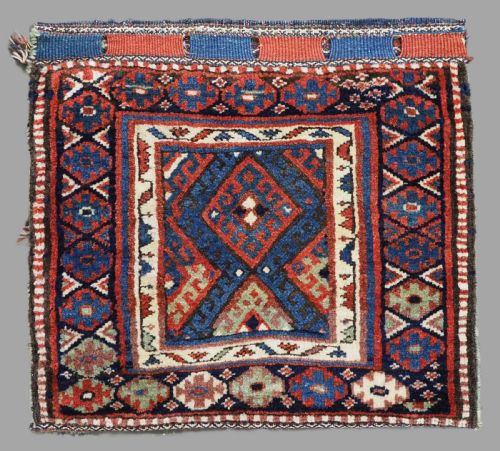
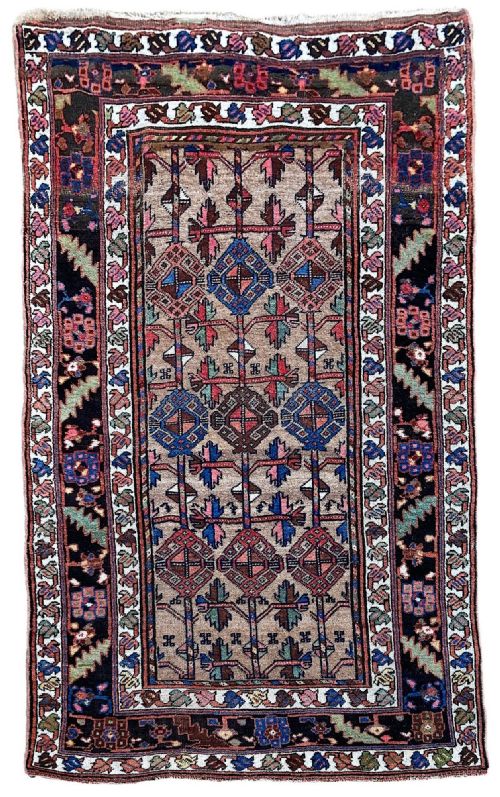
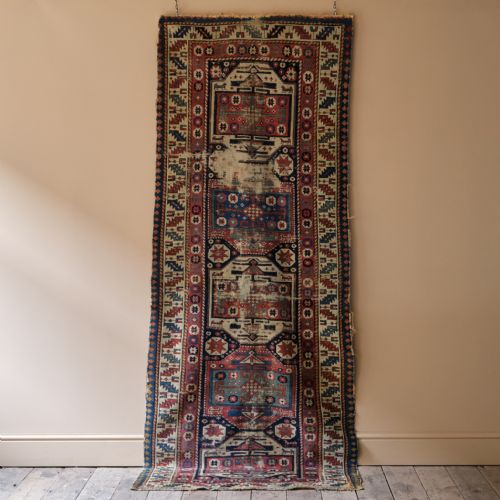
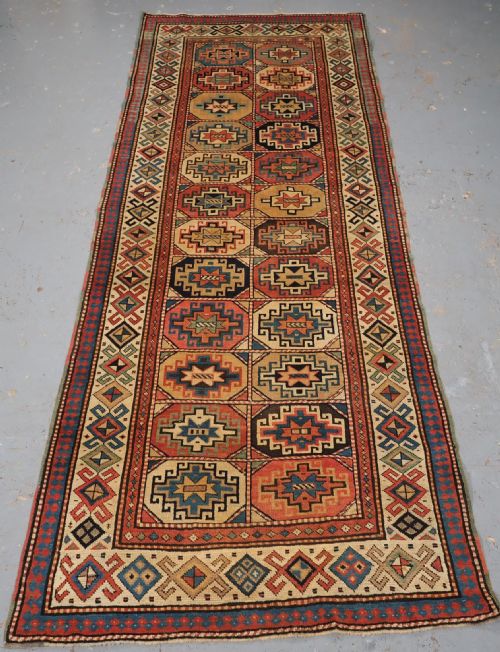
The selection on this page centres on regional forms including Caucasian Kazak, Moghan Kazak, Karabagh, and Dagestan rugs, alongside Kurdish, Baluch, and American folk art examples. You will frequently find formats ranging from square saddlebag faces and complete bag structures to area rugs and long runners.
How they were made
Maker communities utilised durable natural materials such as wool, hand-spun wool, cotton, camel hair, jute, and burlap as foundations and pile yarns. These textiles rely on dense fibre structures designed to withstand daily foot traffic.
Weavers constructed these rugs using regional tribal techniques, incorporating plain weave backs, sturdy foundations, and looped pile formations. The combination of sturdy backing fabrics and tactile wool yields the characteristic weight and resilience of these pieces.
Antique Hook Rug Retail Price Guide 2026
Typical asking prices for hook rug among the pieces listed under this phrase on Sellingantiques today, from the lower quarter to the upper quarter. They describe what is for sale here now, not the wider market.
Listings feature pieces spanning from the 1870s to the 1920s, constructed from wool, hand-spun wool, cotton, camel hair, jute, and burlap.
What varies in quality
Quality in these textiles depends upon the clarity of the latch hook medallion geometry and the crispness of regional Caucasian or tribal designs. Superior examples maintain balanced proportions and harmonious transitions across the field and border.
The handling of natural pile materials also distinguishes the work, with finer examples displaying well-preserved handle and soft, settled colour palettes. The integrity of the foundation fabric and any accompanying flatweave sections dictates the overall structural success of the textile.
The Antique Hook Rug Glossary
- Latch hook
- A geometric motif featuring stepped or hooked edges commonly found in Caucasian and Kurdish rug designs. This element provides the primary visual rhythm across many of the listed runners and area rugs.
- Kazak
- A designated style of rug originating from the Caucasus region, recognised for bold primary colours and striking geometric layouts. These pieces often incorporate prominent medallion systems.
- Burlap
- A coarse woven fabric utilised as a foundation backing material in American hooked rug construction. It provides the structural grid through which loops of yarn are pulled.
- Saddlebag
- A utilitarian storage container woven in tribal regions, sometimes encountered as complete pairs with plain weave backs or as isolated bag faces. These smaller formats preserve concentrated design work.
Antique Hook Rug: Frequently Asked Questions
Where should I place an antique hook rug?
These runners and area rugs suit hallways, living spaces, and low-traffic rooms where their tribal patterns remain visible. Their varied dimensions allow them to anchor specific seating areas or accent wooden flooring.
Ensure you use an appropriate underlay to protect the historic foundation fibres from slipping or wearing against hard floors. Positioning them away from direct, harsh sunlight helps preserve the softer natural wool tones over time.
How do I care for wool and cotton rugs?
Regular gentle vacuuming without a rotating brush roll removes surface grit and prevents dirt from settling deep into the wool pile. Professional textile cleaning is recommended for deeper maintenance to protect the historic dyes and fibres.
Avoid soaking the jute or burlap foundations during spot cleaning, as excess moisture can weaken the structural integrity of older pieces. Allow the textile to dry flat if minor moisture management becomes necessary.
What defines Caucasian tribal rug designs?
Caucasian rugs draw upon traditional weaving dialects featuring stark geometric medallions, stylized animal forms, and repeating latch hook motifs. These compositions reflect the specific regional heritage of weavers working across the Caucasus.
The palette often balances deep grounding tones with soft highlights, creating high-contrast visual structures that define the aesthetic of Kazak, Moghan, and Karabagh pieces.
How can I tell different regional rugs apart?
Regional attribution relies on observing specific structural traits, knotting habits, border arrangements, and characteristic medallion geometries. For instance, Kazak pieces frequently employ large hooked polygons, whereas Baluch or Kurdish pieces display distinct tribal field arrangements.
Examining the materials used for the foundation, such as hand-spun wool or coarse cotton, offers further clues regarding the geographical workshop or nomadic group responsible for the weave.